Poodles combine sharp brains with a low-shed coat that still demands serious upkeep. They learn faster than most breeds and form strong bonds, but neglect the grooming or mental work and you quickly meet a frustrated, matted version of that elegant dog. Here’s the practical care guide that keeps Poodles looking good and behaving better.
Size Matters More Than You Think
Standard, Miniature, and Toy Poodles share the same intelligence and coat type, yet their daily needs differ. Standards need more physical exercise and space. Miniatures fit active households without quite as much mileage. Toys suit apartment life but still require plenty of mental stimulation.
All three sizes stay highly people-oriented and sensitive. They notice your mood and respond best to positive, consistent handling. Harsh methods shut them down fast.
Choose the size that matches your energy and living space rather than just the look you prefer. A bored Standard in a tiny apartment creates more problems than a well-exercised Toy.
Grooming Is Not Optional
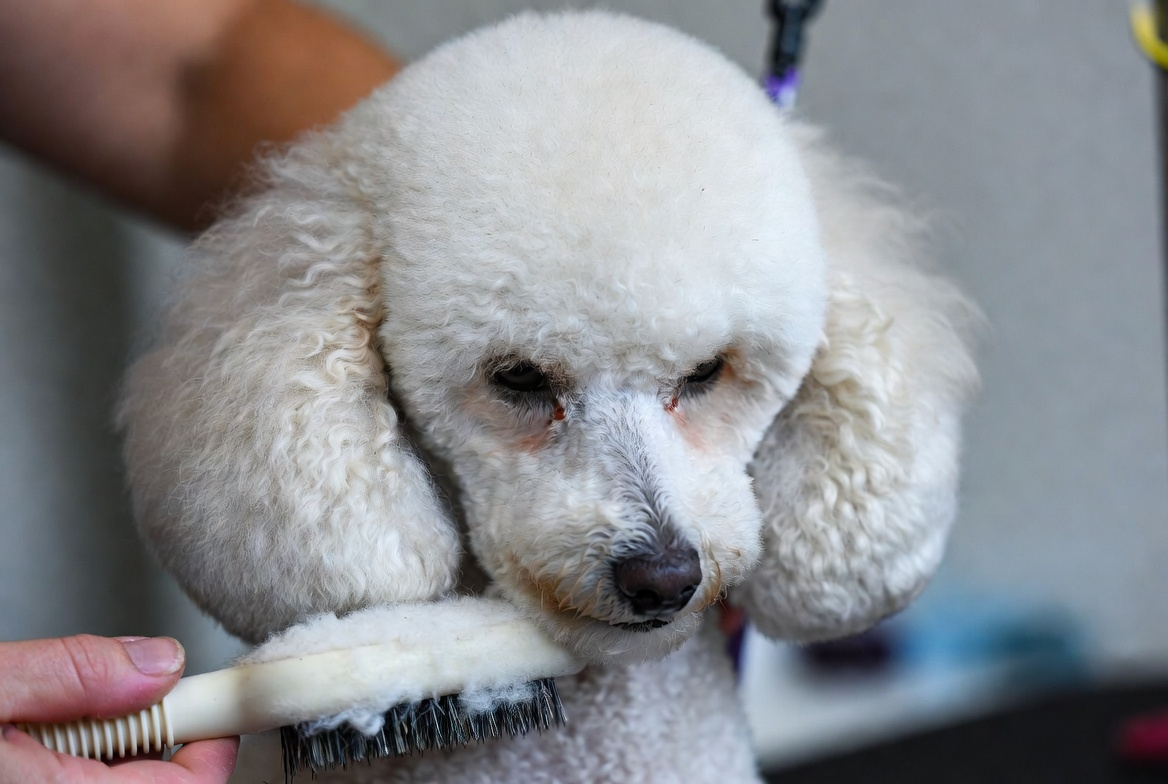
The curly coat grows continuously and traps loose hair instead of dropping it on your floor. That low-shed benefit disappears if you skip maintenance. Mats form quickly, especially behind the ears, under the legs, and in the armpits.
Most owners schedule professional grooming every 4–6 weeks. Between visits, plan on brushing several times a week with a slicker brush and metal comb. A high-quality conditioner and careful drying help prevent skin issues.
Different clips suit different lifestyles. A short sporting or puppy clip needs less daily work than a longer, more elaborate trim. Pick a style you can actually maintain.
- Brush several times per week minimum
- Professional trim every 4–6 weeks
- Clean ears regularly—those floppy ears trap moisture
- Keep sanitary areas tidy
Home Grooming Reality
Learning basic clipping and scissoring saves money long-term, but the learning curve is real. Start with simple trims and invest in proper tools. Many owners mix home maintenance with professional appointments for the best results.
Exercise and Brain Work
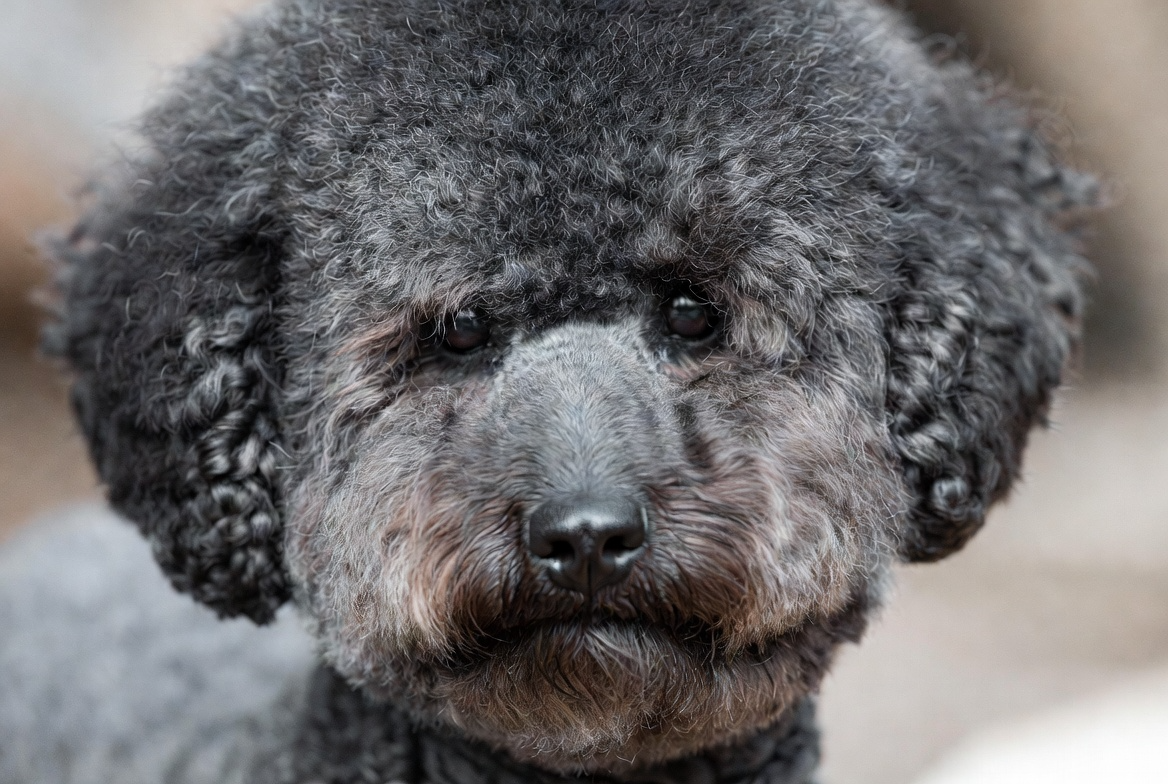
Poodles need both physical activity and mental challenges. A daily walk is the baseline, not the full solution. Add retrieving games, swimming, puzzle toys, or training sessions to keep them satisfied.
Standards often enjoy longer hikes and dog sports. Smaller Poodles still need outlets for their energy and intelligence. A tired Poodle settles nicely in the house. An under-stimulated one invents jobs you will not like.
Watch body condition closely. Poodles can gain weight if exercise drops while food stays the same, and extra pounds stress joints over time.
Training the Brightest Dog in the Room
Poodles rank among the most trainable breeds for a reason. They learn cues quickly and often anticipate what you want next. That same intelligence means they also learn bad habits at record speed if you stay inconsistent.
Keep sessions short, positive, and varied. Use food rewards, toys, or play as motivation. Once they master basics, move on to more advanced skills or sports like agility, obedience, or nose work to keep their minds busy.
Socialization still matters. Expose them early to different people, dogs, surfaces, and environments so confidence stays high.
- Use positive reinforcement consistently
- Vary the locations and distractions
- Teach impulse control early
- Give them a job beyond basic manners
Health Watchouts by Size
Standards face higher risks of hip dysplasia and bloat. Miniatures and Toys more commonly deal with dental crowding, luxating patellas, and progressive retinal atrophy. All sizes can develop sebaceous adenitis, a skin condition that affects the coat and requires ongoing management.
Regular eye exams, hip evaluations for Standards, and dental care make a real difference. Keep ears clean and dry to reduce infection risk. Choose breeders who health-test and share the results openly.
IMO, the owners who stay ahead on preventive care and grooming avoid most of the frustrating problems that give Poodles a high-maintenance reputation.
- Standards: hips, bloat awareness, joint health
- Miniatures and Toys: teeth, knees, eyes
- All sizes: skin, ears, and weight control
FAQ’s
How often do Poodles really need professional grooming?
Most do best every 4–6 weeks. Longer intervals almost always lead to mats and discomfort, even with regular home brushing.
Do Poodles shed at all?
Very little compared with most breeds. Loose hair stays in the coat until you brush or clip it out. That is why consistent grooming matters so much.
Are Poodles good for first-time owners?
They can be, if you commit to the grooming and mental stimulation. Their trainability helps beginners, but the coat care and need for engagement are non-negotiable.
Which size is easiest to live with?
It depends on your lifestyle. Miniatures often hit the sweet spot for many households—enough dog to enjoy activities without the space and exercise demands of a Standard or the fragility of some Toys.
Can I clip my Poodle at home?
Yes, many owners learn basic clips successfully. Invest in quality clippers, blades, and education. Complex or show-style trims usually still need a professional.
Related Articles:
- Is a Raw Food Diet Right for Your Dog?
- Human Foods That Are Toxic to Dogs (Printable List)
- How to Read Dog Food Labels Like a Pro
Meet the Coat and the Mind Halfway
Poodles reward owners who treat grooming and mental work as daily priorities rather than occasional chores. Keep the coat maintained, give that sharp brain regular challenges, and stay consistent with training. Do those things and you get an elegant, responsive, low-shed companion that fits a wide range of active households. Skip them and the same intelligence and coat become sources of frustration. Choose the size that matches your life, commit to the upkeep, and a well-cared-for Poodle becomes one of the most enjoyable dogs you can share a home with.