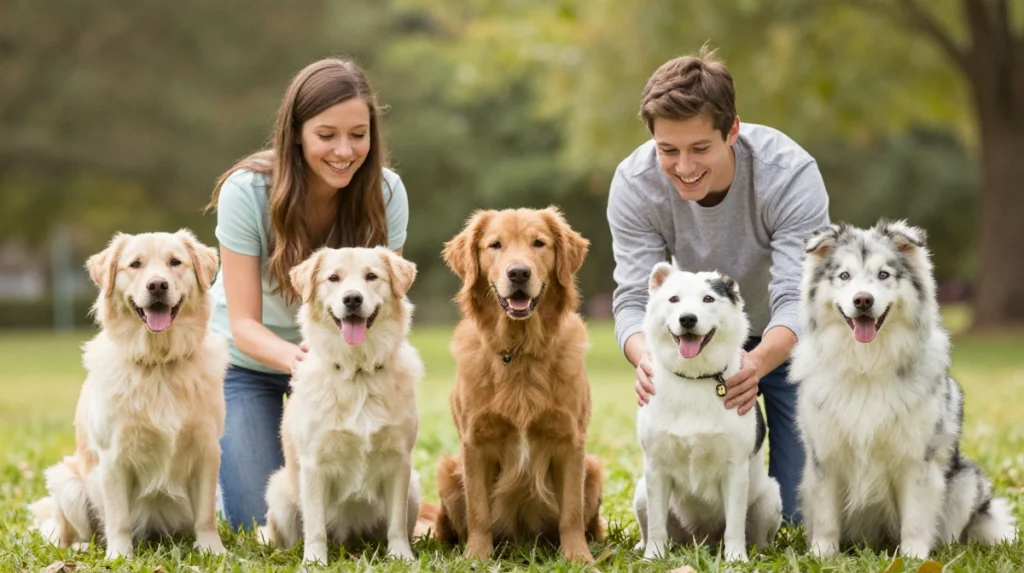
Active people need dogs that can keep up, not ones that poop out after a mile. The right breed turns every trail and run into shared adventure instead of a constant compromise. Pick wrong and you end up dragging a reluctant partner or dealing with a frustrated athlete in a small body. Here’s which dogs actually thrive with serious mileage.
What Separates a True Adventure Dog
Look past pure energy. The best hiking and running partners combine endurance, physical soundness, heat tolerance, and a willingness to work with you for hours. Some high-drive dogs burn out on repetitive pavement. Others handle long trail days better than short intense runs.
Size and build matter. Medium to large athletic frames usually handle distance better than heavy or very small dogs. Joint health, paw toughness, and recovery ability separate the weekend warriors from the everyday partners.
Match the dog’s drive to your actual routine. A dog bred for all-day work will demand that outlet even on your rest days.
Top Picks for Serious Runners
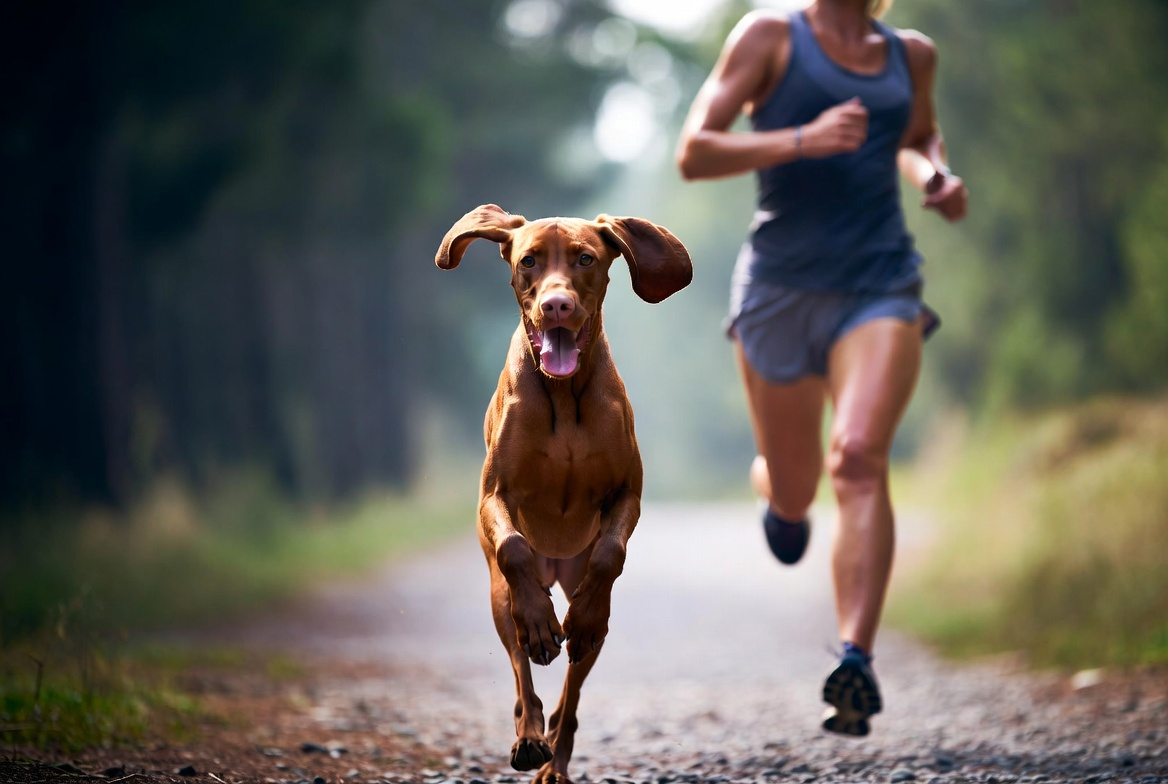
Vizslas and Weimaraners rank high for runners who log consistent miles. Both breeds bring sleek, muscular builds, strong endurance, and a strong desire to stay close to their person. They handle road and trail running well once conditioned.
German Shorthaired Pointers offer similar athleticism with an off switch that many owners appreciate. Labs can also make excellent running partners when kept fit, though some lines carry more bulk than ideal for high mileage.
These breeds need gradual conditioning just like human athletes. Start slow, watch for overheating, and build distance over weeks rather than jumping straight into long runs.
- Vizsla – elegant, people-oriented endurance machine
- Weimaraner – strong, stylish, high stamina
- German Shorthaired Pointer – versatile and tough
- Fit Labrador – solid choice when lean and conditioned
Best Breeds for Long Hikes and Trails
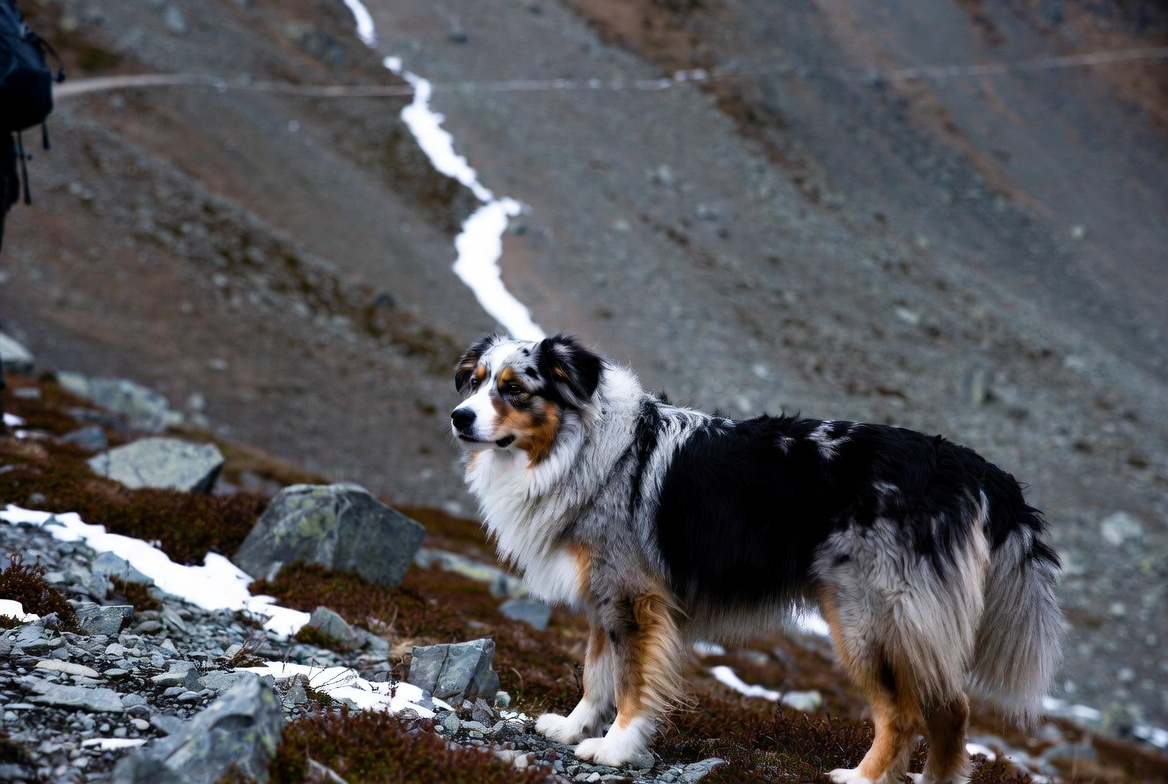
Australian Shepherds and Border Collies dominate trail lists for good reason. They handle elevation, uneven terrain, and long days with impressive recovery. Their intelligence makes them responsive partners on technical trails, though both need serious mental work to stay balanced.
Australian Cattle Dogs bring toughness and grit that suit rugged backcountry. Rhodesian Ridgebacks offer a more independent hiking style with solid endurance and quieter temperaments than the herding breeds.
Huskies can cover serious distance in cooler weather, but heat and strong prey drive require careful management. They shine in colder climates and on longer expeditions when properly trained.
Trail-Ready Traits to Prioritize
- Good recovery between big days
- Paw toughness and joint resilience
- Reliable recall around distractions
- Comfort with backpacks or gear when needed
High-Drive Options for Experienced Owners
Belgian Malinois and working-line Border Collies deliver extreme athleticism. These dogs excel at demanding mountain days, skijoring, or long-distance running, but they require experienced handling and near-daily hard work. Under-exercised, they become destructive fast.
These breeds suit people who already live an intense outdoor lifestyle and want a partner that matches it. They are not ideal for casual weekend hikers who work long office hours.
IMO, many people underestimate the daily commitment these high-octane dogs demand until the chewing and restlessness start.
Conditioning and Safety Basics
No dog should jump straight into long runs or big elevation. Build distance and intensity gradually over several weeks. Watch for limping, excessive panting, or reluctance to continue—those are hard stops.
Protect paws on hot pavement and rough rock. Booties help in extreme conditions. Carry water for both of you and learn the signs of heat exhaustion. In cold weather, shorter-coated breeds may need jackets on long exposed ridgelines.
Off-leash reliability becomes critical on trails. Practice recall in distracting environments long before you need it on a mountain path.
- Condition slowly over weeks
- Check paws before and after big outings
- Carry enough water for dog and human
- Master solid recall before going off-leash
- Adjust for weather extremes
Surprising Strong Contenders
Standard Poodles often surprise people with their athleticism and endurance. Their low-shed coats and sharp minds make them excellent trail partners for active owners who also want less fur in the house. Many handle running and hiking with style once fit.
Boxer mixes and certain sporting spaniels can also perform well for moderate to high mileage when bred for function rather than extreme features. Always prioritize health testing and structure over pure looks.
The best adventure dog is the one whose drive matches your weekly reality, not the one that looks toughest on paper.
FAQ’s
How old should a dog be before serious running or hiking?
Wait until growth plates close—usually 12–18 months depending on the breed and size. Heavy impact too early risks long-term joint damage. Focus on free play and shorter walks during the puppy phase.
Can brachycephalic breeds keep up on trails?
Most cannot safely. Short noses limit cooling and oxygen intake. Stick to athletic, longer-muzzled breeds for real endurance work.
Do these dogs need a job beyond hiking and running?
Many do. Herding and pointing breeds especially benefit from training games, nose work, or structured sports on top of the physical miles. Pure physical exercise rarely satisfies their brains completely.
What about heat tolerance?
Dogs with thicker coats or dark colors overheat faster. Schedule hard efforts for cooler parts of the day, carry extra water, and know when to cut a trip short. Some breeds handle heat far better than others.
Is a rescue dog a good option for an active lifestyle?
Yes, if you carefully evaluate energy level, structure, and health. Many sporting and herding mixes in rescues make outstanding adventure partners once their individual needs are clear.
Related Articles:
- 10 Warning Signs of Cancer in Dogs
- How to Choose the Right Dog Insurance
- The Best Probiotics for Dogs with Digestive Issues
Match the Engine to Your Mileage
The best dogs for hikers and runners bring endurance, recovery ability, and a genuine love of moving with their people. Vizslas, pointers, Australian Shepherds, Border Collies, and similar athletic breeds consistently deliver when properly conditioned and trained. Be honest about how many days a week you actually get outside and choose a dog whose needs fit that reality. Do it right and every trail becomes better with four feet beside you.