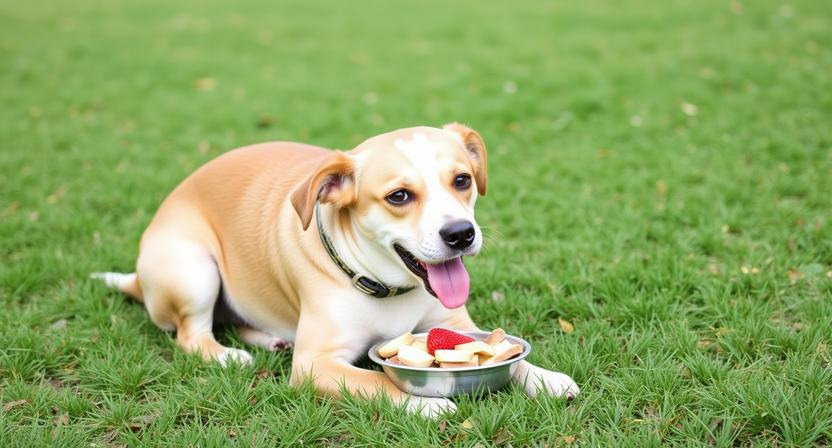
Your dog’s stomach growls, the gas hits a new level, or the diarrhea shows up again after every meal. Digestive drama is no fun for anyone in the house. The right probiotic can calm the chaos and get things running smoother. Let’s cut through the marketing noise and talk about what actually works.
Why Dogs Struggle With Digestion in the First Place
Stress, sudden food switches, antibiotics, and even age can throw a dog’s gut bacteria out of balance. Once the good microbes drop, the not-so-good ones take over. You end up with loose stools, excessive gas, or that uncomfortable full-belly look after dinner.
Some dogs are simply more sensitive. Puppies with developing systems, seniors with slower digestion, and dogs on long-term medications often need extra support. Food intolerances or a recent bout of illness can also leave the gut struggling to bounce back on its own.
Probiotics step in by adding live beneficial bacteria. They help restore balance so digestion can do its job again without the daily drama.
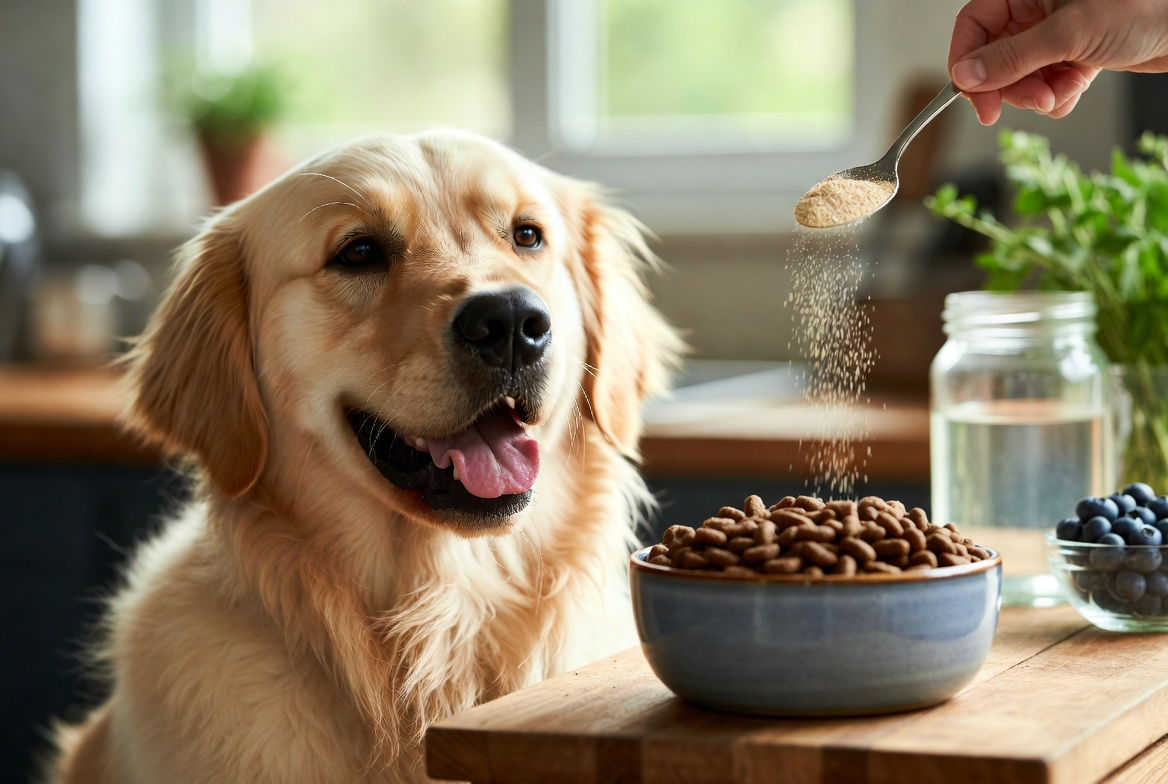
What Probiotics Really Do Inside the Gut
Think of probiotics as reinforcements for the good guys already living in your dog’s intestines. They crowd out harmful bacteria, support the gut lining, and help the immune system stay steady. A healthier gut often means firmer stools, less gas, and better nutrient absorption.
Not every probiotic works the same way. Some strains focus on reducing diarrhea. Others help with yeast overgrowth or general immune support. Matching the strain to the problem makes a bigger difference than just grabbing the first bottle on the shelf.
Results rarely appear overnight. Most dogs show clearer improvement after one to two weeks of consistent use. Stick with it long enough to let the new bacteria settle in.
The Strains That Actually Help Dogs
Look for products that list specific strains instead of vague “proprietary blends.” A few standouts show up again and again in research and real-world results.
Enterococcus faecium often helps firm up loose stools quickly. Bifidobacterium animalis supports overall gut balance and immune function. Lactobacillus acidophilus and Lactobacillus casei frequently ease gas and mild digestive upset.
Multi-strain formulas usually outperform single-strain ones for everyday digestive issues. The variety covers more bases and gives the gut a broader set of helpers.
Strains Worth Seeking Out
- Enterococcus faecium – strong for diarrhea support
- Bifidobacterium animalis – good for daily balance
- Lactobacillus acidophilus – helps with gas and mild upset
- Bacillus subtilis or coagulans – spore-forming and more shelf-stable
Always check the colony-forming units (CFUs). Most effective dog probiotics land between 1 and 10 billion CFUs per serving. Higher numbers are not automatically better if the strains are weak or poorly protected.
How to Pick a Product That Delivers
Skip the cheap mystery powders with no strain names. Quality probiotics list the exact bacteria, the CFU count at the time of expiration (not just manufacture), and storage instructions. Some need refrigeration. Others stay stable at room temperature thanks to spore-forming strains.
Look for third-party testing or veterinary endorsement when possible. Products made specifically for dogs usually beat human probiotics because the strains and dosages match canine needs better.
Powder, capsules, chews, and soft treats all work. Powders mix easily into wet food. Chews make daily dosing feel like a reward. Capsules suit dogs that take pills without drama. Choose the form your dog will actually accept every day.
IMO, the best probiotic is the one your dog eats consistently without a fight. Taste and ease of use matter more than perfect lab numbers if the product sits unused in the cupboard.
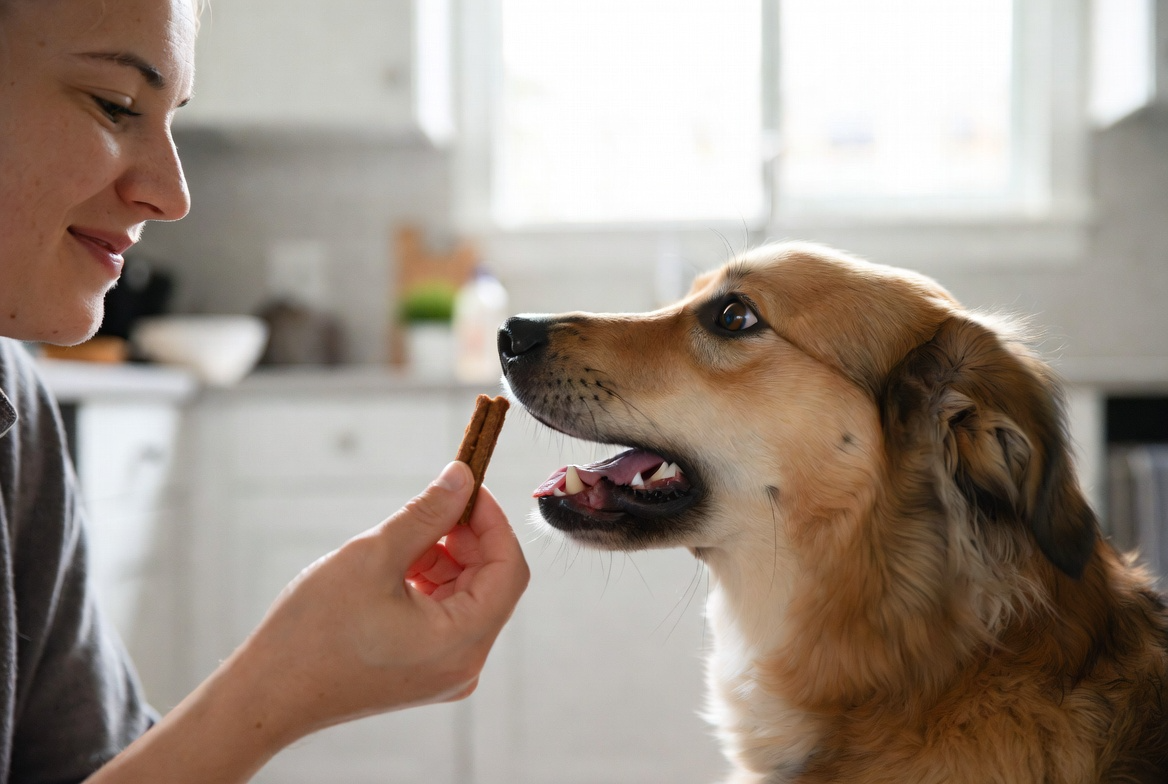
Getting Probiotics Into Your Dog Without the Battle
Mix powder into a small amount of wet food or bone broth first. That way the dose lands in the stomach instead of getting left behind in the bowl. For picky dogs, stuff a capsule inside a soft treat or a little peanut butter (xylitol-free, of course).
Start with a half dose for the first few days if your dog has a sensitive stomach. Some experience mild gas or softer stools while the gut adjusts. That usually settles within a week.
Keep the product stored as directed. Heat and moisture kill live bacteria fast. A kitchen cabinet away from the stove often works better than the bathroom medicine chest.
Pair probiotics with a steady diet. Constant food rotation or sudden treat binges can undo the progress you just made. Consistency helps the good bacteria stick around.
When You Should Expect Results and When to Call the Vet
Most dogs show firmer stools and less gas within seven to fourteen days. Energy and appetite often improve once digestion settles. If nothing changes after three weeks of correct dosing, reassess the product or the underlying cause.
Probiotics support, they do not replace veterinary care. Persistent vomiting, blood in stool, rapid weight loss, or extreme lethargy need a professional look. Parasites, food allergies, or more serious conditions can look a lot like simple gut imbalance.
After a course of antibiotics, many vets recommend a probiotic course to help rebuild the good bacteria the medication wiped out. Starting within a day or two of the last antibiotic dose often works best.
Track simple notes for a couple of weeks—stool quality, gas level, energy. Clear patterns make it easier to decide whether the probiotic is helping or whether you need a different approach.
FAQ’s
Can I just give my dog human probiotics?
Human products sometimes work in a pinch, but dog-specific formulas usually contain strains better suited to canine digestion and safer dosages. Stick with products made for dogs when possible.
How long should my dog stay on probiotics?
Many dogs benefit from daily use, especially if they have ongoing sensitivity. Others only need them during stress, after antibiotics, or during diet transitions. Follow the product guidelines and your vet’s advice for your specific situation.
Do probiotics help with itchy skin or yeast issues?
A healthier gut often supports better skin and reduced yeast overgrowth. Results vary, but many owners notice less itching and fewer ear problems once digestion improves. Probiotics alone rarely fix severe skin disease, though.
Are there any side effects I should watch for?
Mild gas or slightly softer stools can appear in the first few days while the gut adjusts. Serious reactions are rare. Stop the product and contact your vet if vomiting, severe diarrhea, or lethargy shows up.
Can puppies and senior dogs take probiotics?
Yes. Both age groups often benefit. Choose products labeled safe for all life stages or specifically for puppies or seniors. Start with a lower dose and increase gradually.
Should I refrigerate every probiotic?
Not always. Spore-forming strains and many modern formulas stay stable at room temperature. Check the label. Refrigerated products need consistent cool storage to keep the bacteria alive.
Related Articles:
- Best Hypoallergenic Dog Breeds (That Actually Don’t Shed)
- Small vs. Large Dogs: Which is Right for You?
- Best Dog Breeds for First-Time Owners
Calm Digestion Makes for Happier Days
Digestive issues drain energy from both you and your dog. A well-chosen probiotic restores balance, reduces the daily mess, and helps your dog feel more comfortable in their own body. Focus on specific strains, solid CFU counts, and a form your dog will actually eat.
Stay consistent, keep an eye on results, and loop in your vet when something feels off. A calmer gut often means a calmer, happier dog—and a much quieter house. That’s a win worth the small daily effort.