
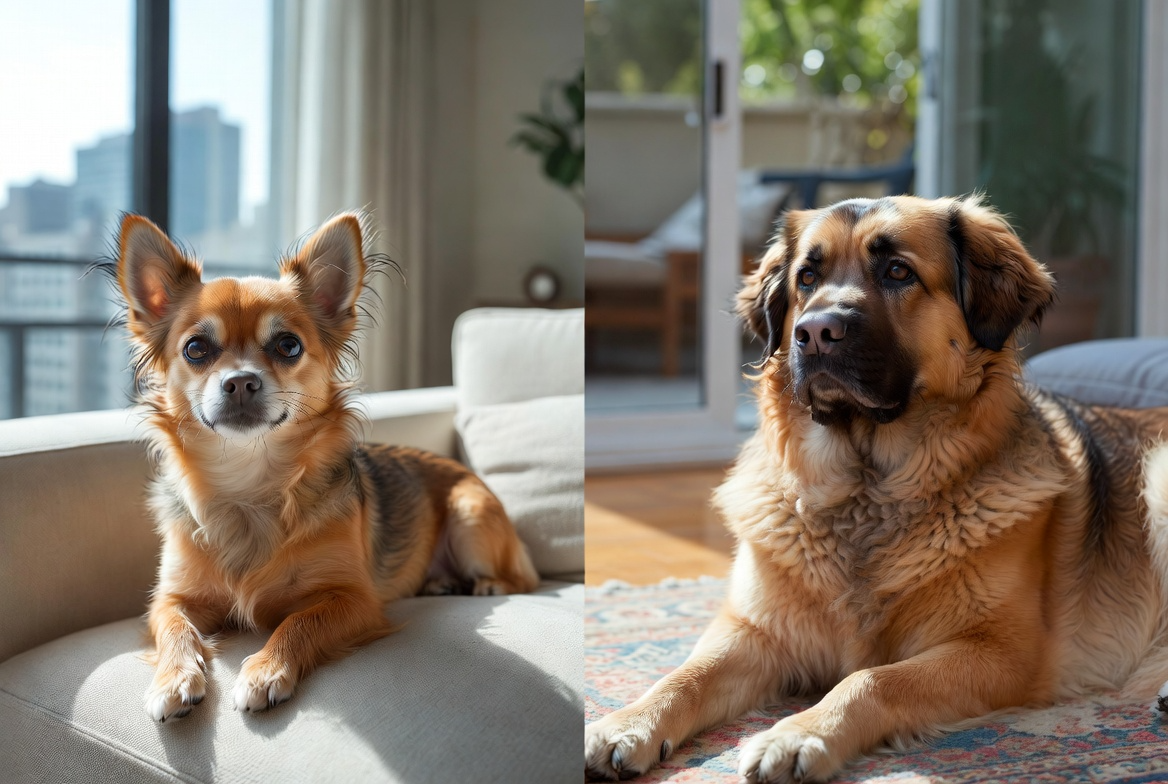
Size is the single biggest filter when choosing a dog. A 12-pound companion and a 90-pound powerhouse create completely different daily realities. One fits on your lap during meetings; the other needs serious space, serious exercise, and a serious food budget. Let’s cut through the cute factor and figure out which one actually fits your life.
Space and Lifestyle Reality Check
Small dogs win in apartments and smaller homes without question. They need less square footage, create less mess when they track mud, and usually adapt to city noise better. Large dogs can live in apartments too, but only if you commit to multiple long daily outings and have strong impulse control training.
Do you work long hours or travel often? Small dogs generally handle shorter alone time better and travel easier. Large dogs demand more consistent outdoor access and can develop serious behavior issues if under-exercised in tight quarters.
Think about your actual floor plan, not the Instagram version of your life. A Great Dane in a studio apartment is possible, but most people underestimate the constant management required.
Exercise Needs Are Not the Same
Many people assume small dogs need less exercise. Some do, but plenty of small breeds (Jack Russells, Miniature Pinschers, many terriers) pack huge energy into tiny bodies. Large breeds vary wildly too—a Greyhound may be a couch potato, while a Border Collie or Belgian Malinois will run you into the ground.
In general, larger dogs often require longer, more structured exercise sessions. A 20-minute walk that satisfies a Cavalier leaves a young Labrador bouncing off the walls. Under-exercising a large high-drive dog creates destruction and frustration faster than with most small dogs.
Match the dog’s actual energy level to your willingness to move, not just the size category. A calm large dog can be easier than a hyperactive small one.
Quick Energy Reality List
- Low-energy small: many Bulldogs, older Cavaliers, some companion breeds
- High-energy small: terriers, some spaniels, working miniatures
- Low-energy large: many mastiffs, older Labs, some sighthounds
- High-energy large: herding breeds, working retrievers, most shepherds
The Real Cost Difference
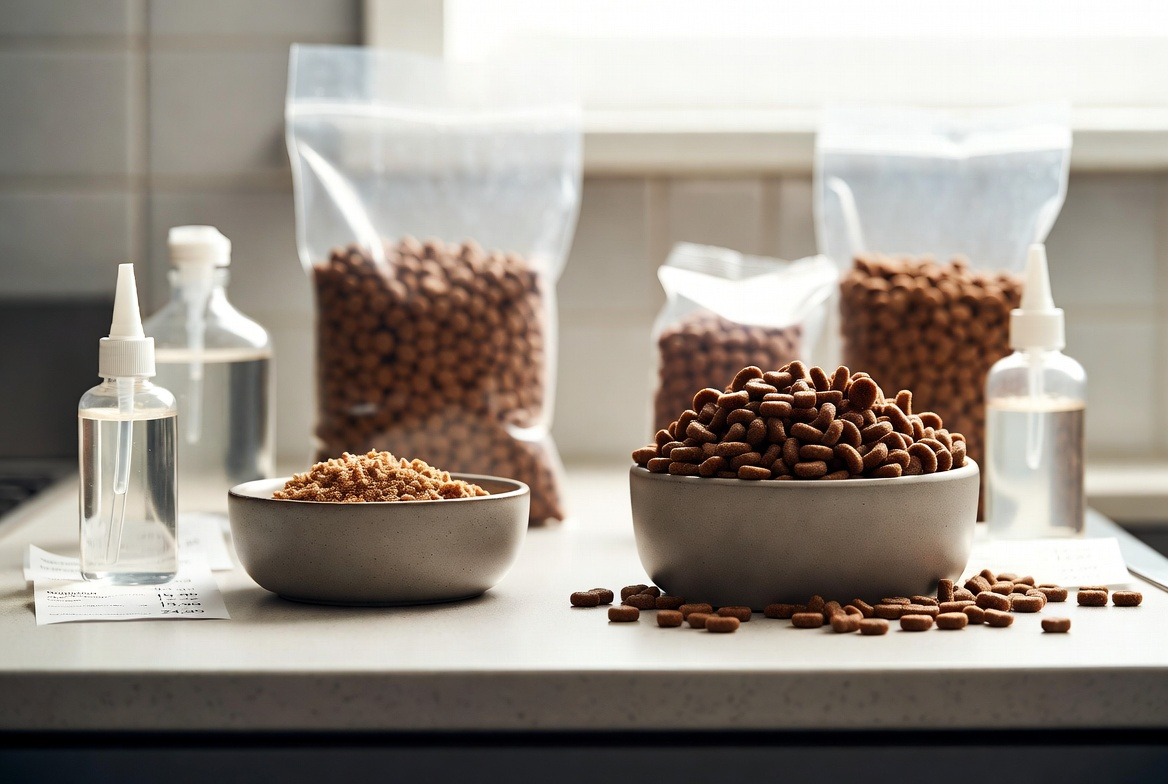
Food costs scale hard with size. A 10-pound dog might eat $30–50 of quality food per month. A 90-pound dog can easily hit $100–150 or more. Medications, preventive care, and boarding also rise with body weight. Surgery and emergency care? Anesthesia and drug doses cost more for larger patients.
Grooming can go either way. A small long-coated dog (Shih Tzu, Maltese) needs frequent professional trims. A large short-coated dog may only need occasional baths. Still, the overall lifetime cost almost always runs higher for large breeds.
FYI, pet insurance premiums usually track size and breed risk too. Budget for the full picture, not just the cute adoption photos.
Training, Handling, and Strength
Small dogs are physically easier to manage. You can pick them up, redirect them quickly, and correct jumping without risking injury to yourself. Large dogs require better leash skills, stronger management of door manners, and consistent impulse control training because they can pull you off your feet or knock over a child.
Many owners of small dogs get lazy with training because the consequences feel lower. That often creates the classic “small dog syndrome”—barking, snapping, and poor manners that people tolerate only because the dog is tiny. Large dogs rarely get that free pass, which can actually produce better overall manners.
If you have young kids or less physical strength, a well-trained medium-to-large dog can still work, but the margin for error shrinks. Consistency matters more when the dog outweighs half the household.
Health, Lifespan, and Longevity
Small dogs generally live longer. Many reach 12–16 years; some toy breeds hit 18+. Large and giant breeds often average 8–12 years, with bigger bodies putting more stress on joints, hearts, and organs. Hip dysplasia, bloat, and certain cancers appear more frequently in larger dogs.
That said, small dogs face their own issues: dental disease, luxating patellas, tracheal collapse, and sometimes more fragile bones. Neither size is “healthier”—they just break in different ways.
IMO, if you want a longer companion relationship and can handle the potential for more years of senior care, small-to-medium often wins. If you prefer a shorter but intensely active partnership, large can feel right.

Personality and Family Fit
Size does not determine personality, but it influences how that personality plays out. Many small dogs bond intensely and become velcro companions. Large dogs often show strong loyalty too, but their protective instincts can feel more imposing.
With children, supervision rules apply to every size. A small dog can get injured by rough play; a large dog can accidentally knock a toddler over. Teach kids respectful handling either way. Families with very young children sometimes find sturdy medium or large breeds more resilient than fragile toys.
Travel, car space, and vacation logistics also shift. Small dogs fit under airplane seats more easily. Large dogs need bigger vehicles and more planning for boarding or pet-friendly lodging.
FAQ’s
Can a large dog be happy in an apartment?
Yes, if you provide enough daily exercise, mental stimulation, and training. Many large breeds adapt well when their physical and mental needs get met outside the home. Skipping those needs creates problems regardless of square footage.
Are small dogs harder to house-train?
Sometimes. Smaller bladders mean more frequent potty trips, and some toy breeds prove stubborn. Consistency and a solid routine still solve it for most dogs of any size.
Do large dogs cost a lot more long-term?
Usually yes. Food, medication doses, boarding, and many veterinary procedures scale with weight. Factor that into your budget from day one.
Which size is better for first-time owners?
It depends more on energy level and temperament than size alone. A calm medium or large dog can be easier than a high-drive small terrier. Match the individual dog’s needs to your experience and lifestyle.
Is there a “perfect” middle size?
Many people land happily in the 30–50 pound range. These dogs often combine manageable physical size with enough presence and durability for active families, without the extreme costs or space demands of giants.
Related Articles:
- Best Supplements for Dogs with Joint Pain
- 10 Signs Your Dog Needs to See a Vet ASAP
- How to Stop Food Aggression in Dogs
Choose the Dog That Fits Your Actual Days
Neither small nor large is automatically better. The right choice matches your living space, activity level, budget, physical ability, and how many years you want that partnership to last. Be honest about the walks you will actually take, the hair you will actually clean, and the money you will actually spend. Size is just the starting filter—temperament, energy, and training matter just as much. Pick the dog whose needs line up with the life you already live, and both of you will be happier for years.