Labrador Retrievers earn their top ranking for a reason. They bring endless enthusiasm, rock-solid loyalty, and a willingness to please that makes daily life better. They also need real exercise, smart feeding, and consistent training or that same energy turns into chewed shoes and muddy chaos. Here’s everything you actually need to keep a Lab happy and healthy.
Temperament: Friendly, Eager, and Always Ready
Labs rank among the most people-oriented breeds on the planet. They bond hard with their families, get along with kids and other pets when raised right, and rarely show aggression. That famous “Lab smile” comes with a strong desire to be involved in whatever you’re doing.
They stay playful well into adulthood. Expect a dog that greets you like you’ve been gone for years even if you just took out the trash. Without enough outlets, that enthusiasm can tip into mouthiness or destructive chewing, especially during the teenage months.
Socialization still matters. Expose them early to different people, dogs, sounds, and environments so their natural friendliness stays balanced instead of overwhelming.

Exercise: They Need More Than a Quick Walk
Most Labs need 60 to 90 minutes of solid activity every day. A leisurely stroll around the block will not cut it for a young or working-line dog. Fetch, swimming, hiking, and structured play match their retrieving instincts perfectly.
Mental work burns energy just as effectively. Puzzle toys, scent games, and short training sessions keep their sharp minds busy. A tired Lab is a well-behaved Lab. An under-exercised one invents its own entertainment, usually involving your belongings.
Watch for overheating in hot weather and protect growing joints in puppies by avoiding repetitive hard impact until they mature.
Best Activities for Labs
- Retrieving games with balls or bumpers
- Swimming whenever possible
- Long hikes or trail runs
- Nose work and puzzle feeders
- Obedience or rally training
Feeding Without Creating a Food Monster
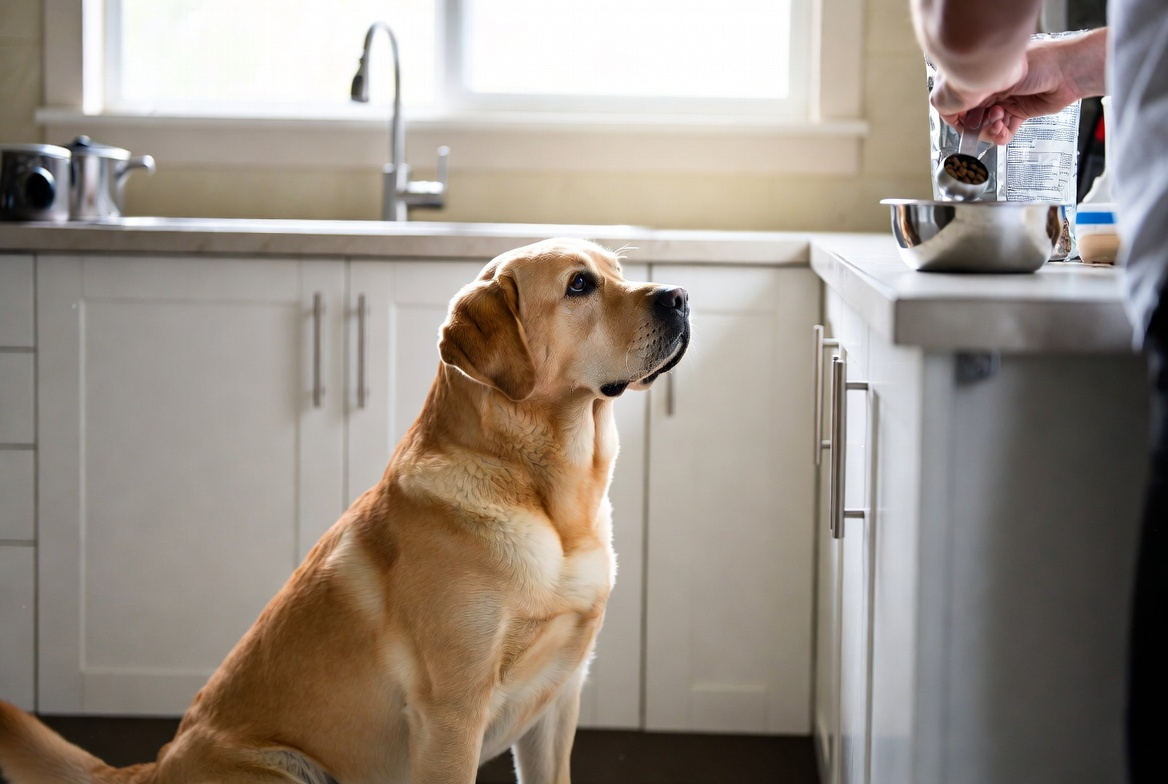
Labs love food. Many will eat until they burst if given the chance. Measure every meal and stick to a high-quality diet formulated for their life stage and activity level. Free-feeding almost always leads to extra weight.
Keep treats under 10 percent of daily calories. Extra pounds stress joints and raise the risk of health problems later. Check body condition regularly—you should feel ribs easily under a thin layer of fat and see a clear waist from above.
Puppies need controlled growth on large-breed formulas to protect developing hips and elbows. Transition slowly whenever you change foods.
Grooming the Water-Resistant Coat
Labs shed. A lot. The dense double coat blows out heavily twice a year and leaves a steady trail the rest of the time. Brush several times a week with a slicker or undercoat rake to keep loose hair under control and reduce the amount that ends up on your furniture.
Baths every 4–6 weeks usually suffice unless they discover something smelly. Their coat is designed to repel water, so thorough drying matters after swims or baths. Check ears regularly—those floppy ears trap moisture and can lead to infections if ignored.
Trim nails every few weeks and keep an eye on teeth. Dental chews and regular brushing help prevent the buildup many Labs develop.
Training: Use Their Desire to Please
Labs respond beautifully to positive reinforcement. Short, upbeat sessions with food rewards or play keep them engaged. They learn fast, which means they also rehearse bad habits quickly if you let them.
Start early with basic manners, leash skills, and impulse control. Teach a solid “leave it” and “drop it”—their retrieving drive makes those cues especially useful. Crate training helps with house manners and gives them a safe space.
IMO, the biggest mistake new Lab owners make is underestimating the adolescent phase. Stay consistent through the testing months and you come out the other side with a reliable companion.
- Keep sessions short and fun
- Reward the behaviors you want
- Practice in different environments
- Never skip daily mental work
Health Issues Worth Watching
Hip and elbow dysplasia appear frequently in the breed. Choose breeders who screen for these and keep your Lab lean to reduce joint stress. Progressive retinal atrophy and certain heart conditions also show up more often than average.
Obesity remains one of the biggest preventable problems. Extra weight worsens joint issues and shortens lifespan. Ear infections, hot spots, and exercise-induced collapse in some lines also need attention.
Regular vet checks, prompt attention to limping or lethargy, and maintaining a healthy weight give Labs the best shot at a long, active life. Average lifespan runs 10–12 years, with many reaching the higher end when well cared for.
FAQ’s
How much exercise does an adult Lab really need?
Most need 60–90 minutes of meaningful activity daily, combining physical exercise with mental stimulation. Puppies require shorter, carefully managed sessions to protect growing joints.
Do Labs shed a lot?
Yes. Expect heavy seasonal coat blows and steady year-round shedding. Regular brushing is non-negotiable if you want to stay ahead of the hair.
Are Labs good with children and other pets?
Generally excellent when socialized and supervised. Their patient, friendly nature makes them one of the better family breeds, though their size and enthusiasm mean you still watch interactions with very young kids.
What is the biggest feeding mistake with Labs?
Free-feeding or over-treating. These dogs have big appetites and will gain weight quickly. Measure meals and adjust based on body condition.
Should first-time owners get a Labrador?
Many first-time owners succeed with Labs because of their trainability and forgiving temperament. Just commit fully to the exercise and training requirements—they are not low-maintenance dogs.
Related Articles:
- How to Tell If Your Dog is Overweight (And What to Do)
- Natural Flea and Tick Prevention for Dogs
- How Much Exercise Does Your Dog Really Need?
Give Them the Life They Were Built For
Labrador Retrievers thrive when they get daily exercise, consistent positive training, measured meals, and plenty of time with their people. Meet those needs and you gain a loyal, goofy, deeply bonded companion who lights up every room. Skimp on the work and you get a bored, shedding, attention-seeking handful. Start with solid routines early, stay consistent through the crazy puppy and teenage phases, and you’ll enjoy years of the classic Lab energy and affection that made the breed famous in the first place.