You look at your dog and think, “Is that just a thick coat or are we dealing with extra pounds?” Most owners underestimate weight gain until the dog slows down, pants more, or struggles with stairs. Spotting the problem early is easy once you know the quick checks, and fixing it does not require extreme measures.
The Hands-On Body Condition Check Anyone Can Do
Forget the bathroom scale for a moment. Veterinarians rely on a 9-point body condition score. Ideal is 4 or 5. Anything 6 and above means your dog carries extra fat.
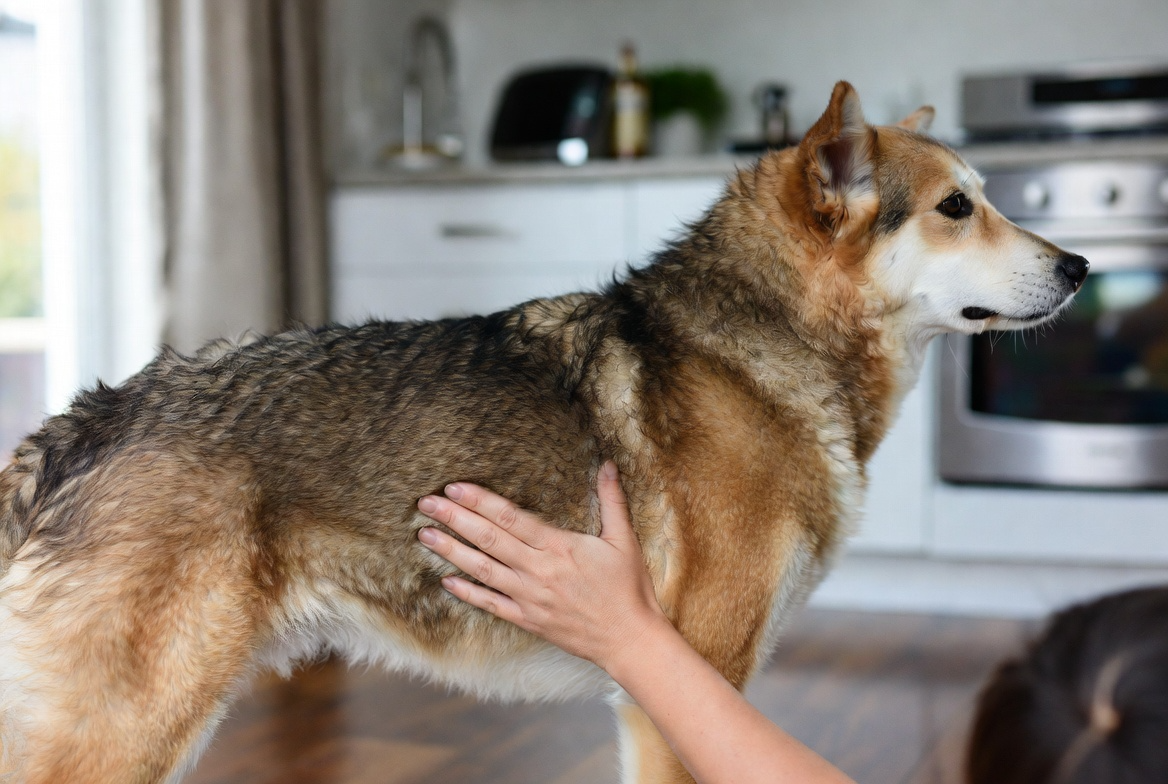
Stand above your dog and look down. A healthy dog shows a clear waist that tucks in behind the ribs. From the side, the belly should rise toward the hind legs in a neat abdominal tuck. Now place your hands on the ribcage. You should feel the ribs easily under a thin layer of fat—similar to running your fingers over the knuckles of a flat hand.
If the ribs feel padded or hard to find, the waist has vanished, or the belly hangs low, your dog is overweight. Fat pads at the base of the tail or along the lower back often confirm it.
- Look from above for a visible waist.
- Check the side view for an upward belly tuck.
- Feel the ribs with light pressure.
- Note any heavy deposits over the hips or spine.
Practice this every couple of weeks. It becomes quick and reliable.
Why Those Extra Pounds Matter More Than You Think
Overweight dogs put constant stress on joints, raise the risk of diabetes and heart strain, and often live shorter lives. Even moderate excess weight makes hot weather harder to handle and turns simple play into hard work.
The upside is huge. Shedding 10–15 percent of body weight frequently restores energy, eases joint comfort, and improves overall quality of life. You do not need a dramatic transformation—steady, sustainable change works best.
Building a Realistic Weight-Loss Plan
Start with a veterinary visit. Your vet can confirm the body condition score, rule out medical issues, and help set a safe target weight. Aim for a loss of roughly 1–2 percent of body weight each week.
Measure every meal with a proper cup or scale. Package guidelines are only starting points; many dogs need less than the bag suggests. A veterinary weight-management food often helps because it packs more fiber and fewer calories per cup so your dog still feels satisfied.
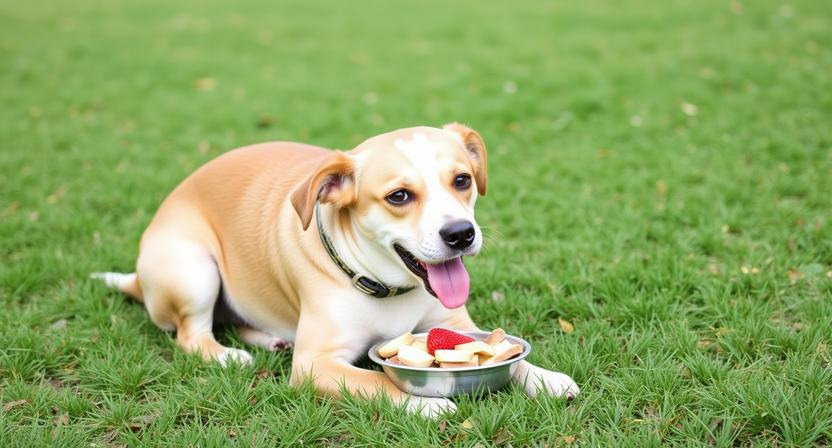
Treats and table scraps sabotage more plans than anything else. Switch to low-calorie options like green beans, carrot sticks, or tiny pieces of the regular food counted in the daily total.
Add movement gradually. Extra short walks, gentle fetch, or swimming (if joints allow) burn calories without overloading an overweight dog. Consistency beats intensity every time.
Tracking Progress Without Obsession
Weigh your dog every two weeks on the same scale. Pair the number with another body condition check. Photos from above and the side taken in the same lighting also help you see changes that the scale might miss.
If weight stalls for more than two or three weeks, recheck portions, treat totals, and activity. Small adjustments usually get things moving again.
Common Pitfalls That Keep Dogs Heavy
Free-feeding is a frequent culprit. Most dogs do better with measured meals two or three times a day. Multiple family members sneaking extras adds up fast—get everyone on the same page.
Underestimating treat calories is another classic. A few biscuits or cheese pieces can equal a significant portion of the daily allowance.
Sudden drastic cuts in food can leave a dog hungry and scavenging. Gradual reductions paired with higher-fiber food keep them content while the weight comes off.
Exercise Adjustments That Actually Help
An overweight dog often needs shorter, more frequent sessions rather than one long hike. Soft surfaces and swimming reduce joint stress. Mental games and puzzle feeders also tire them out without extra physical load.
Watch for signs that activity is too much: excessive panting that does not settle, reluctance to continue, or stiffness the next day. Scale back and rebuild slowly.
FAQ’s
How can I tell the difference between a thick coat and real fat?
Feel underneath the coat. Ribs should still be easy to find with light pressure. A thick coat can hide the visual waist, but your hands will still detect excess fat covering the ribs and spine.
Is it safe to put my dog on a diet without seeing the vet first?
It is smarter to get a quick veterinary check. Some medical conditions cause weight gain, and your vet can confirm a safe rate of loss and recommend the right food.
How long does it usually take for a dog to reach a healthy weight?
Most dogs need several months. A dog that is 20 percent overweight often takes four to six months of steady effort. Faster is not better.
Can I still give treats during weight loss?
Yes, but count them in the daily calorie total and choose low-calorie options. Many owners reserve a small portion of the regular kibble as “treats” so the numbers stay accurate.
What if my dog begs constantly after I reduce food?
Increase the volume of a higher-fiber weight-management food, add safe low-calorie vegetables, and spread meals into three smaller portions. Extra short walks and puzzle toys also help redirect the begging.
Related Articles:
- Best Supplements to Add to Homemade Dog Food
- How Much Should You Feed Your Dog by Weight?
- The Best Dog Food for Allergies (Vet-Reviewed)
Steady Progress Beats Perfection
An overweight dog is not a failure—it is a common, fixable situation. Use the simple rib-waist-tuck check regularly, measure food carefully, cut the extras, and add gentle daily movement. Most dogs respond within weeks once the plan is consistent. Your dog will move more easily, feel better, and likely stick around longer for all the adventures still ahead. Start with one honest body check today and build from there.