
Fleas and ticks turn a perfect outdoor day into an itchy nightmare faster than you can say “scratch.” Chemical preventives work well for many dogs, but plenty of owners want gentler options. Natural approaches can help reduce the load when you use them smartly and consistently—just know their limits and pair them with solid environmental control.
Start With the Environment, Not Just the Dog
Most of a flea problem lives off your dog. Eggs, larvae, and pupae hide in carpets, bedding, cracks, and the yard. Kill only the adults on your pet and the cycle keeps going.
Vacuum thoroughly and often—especially under furniture, along baseboards, and in pet beds. Empty the vacuum outside right away. Wash all bedding in hot water weekly during peak season. In the yard, keep grass short, remove leaf litter, and consider food-grade diatomaceous earth in dry areas or beneficial nematodes that attack flea larvae in the soil.
Cedar chips or cedar oil sprays around outdoor resting spots can also discourage pests. These steps alone cut the population dramatically for many households.
On-Dog Natural Options That Show Promise
A few plant-based tools get regular use from owners who prefer to avoid conventional topicals or orals.
Food-grade diatomaceous earth can be dusted lightly into the coat (avoid the face and don’t let your dog inhale clouds of it). It works by damaging the insects’ outer layer so they dehydrate. Comb it through thoroughly and wipe away excess.
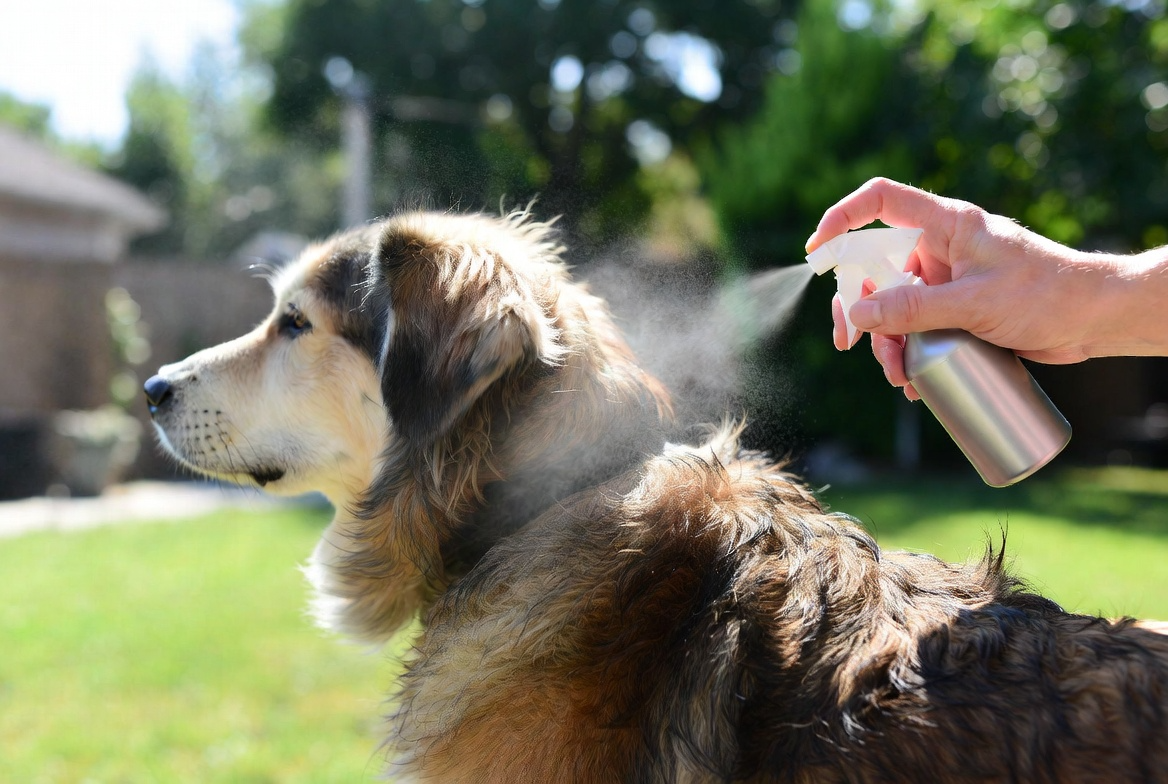
Diluted essential oil sprays using cedarwood, neem, or certain blends (often with witch hazel or water) act as repellents for some dogs. Always dilute properly and test a small area first. Never use undiluted oils, and skip anything containing tea tree, pennyroyal, or other known toxic oils.
Apple cider vinegar added in small amounts to food or water (if your dog tolerates it) may make the skin slightly less appealing, though results vary widely. Brewer’s yeast appears in many homemade recipes with mixed real-world success.
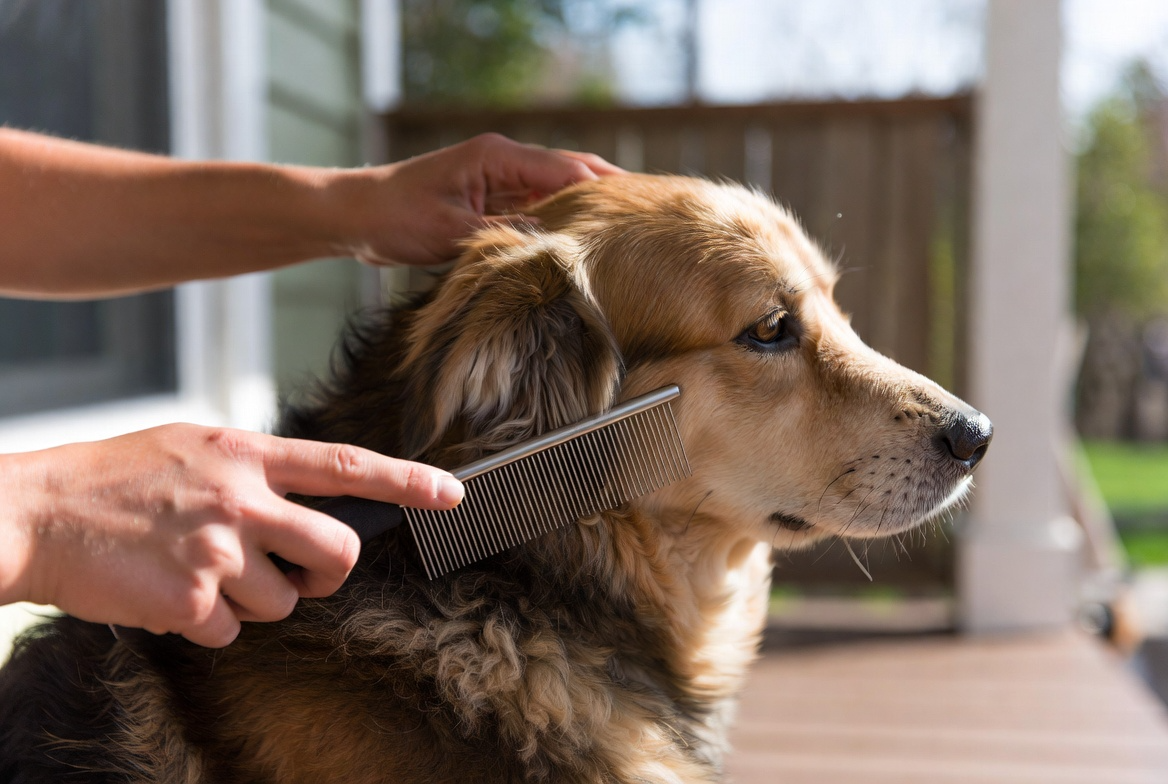
Regular flea combing remains one of the simplest and most effective daily habits. Catch adults before they lay hundreds of eggs.
Yard and Home Sprays Worth Trying
Products based on cedar oil, geraniol, or peppermint (such as certain Wondercide or Vet’s Best formulas) can treat both the dog and the environment. Reapply after swimming or heavy rain. Consistency beats intensity here.
What the Evidence Actually Says
Natural methods rarely match the kill rates and duration of modern veterinary preventives like isoxazolines. They work better as part of a layered plan—especially for mild pressure or as a supplement in lower-risk areas.
Some dogs stay nearly flea-free with diligent grooming, environmental control, and a good natural spray. Others in heavy tick country or multi-pet homes still need stronger protection. Disease risk (Lyme, ehrlichiosis, etc.) rises when prevention fails, so honesty about your local risk matters.
IMO, the best natural results come from owners who treat the whole environment and stay consistent rather than relying on one magic spray.
Safety First With Natural Ingredients
“Natural” does not automatically mean safe. Essential oils can irritate skin or cause toxicity if over-concentrated or used on the wrong species. Cats are especially sensitive—many oils safe for dogs are dangerous for them.
Garlic in large amounts risks red blood cell damage. Always start low, watch for itching, redness, lethargy, or digestive upset, and stop if anything looks off. Pregnant, very young, senior, or medically compromised dogs need extra caution and veterinary input.
Talk to your vet before launching a full natural protocol, especially if your dog already has skin issues or lives in a high-tick region.
- Identify your local flea and tick pressure.
- Clean and treat the environment thoroughly.
- Choose one or two well-diluted on-dog options and test them.
- Comb daily and monitor closely.
- Reassess after two to four weeks and adjust.
Heavy infestations, repeated tick encounters, or dogs with flea allergy dermatitis often need conventional help to break the cycle quickly. Many owners use a veterinary product during peak season and lean more natural in the off months. That hybrid approach works well for a lot of households.
Keep an eye on skin condition, energy levels, and any new lumps or lethargy after outdoor adventures. Early detection of tick-borne issues makes a huge difference.
FAQ’s
Do natural flea and tick remedies really work?
They can reduce numbers and repel some pests when used consistently with strong environmental control. They rarely provide the same level of protection as veterinary-approved products, especially in high-risk areas.
Is diatomaceous earth safe for dogs?
Food-grade diatomaceous earth is generally considered safe when used carefully and not inhaled in large amounts. Avoid the face and eyes, and don’t create dust clouds. Keep it away from cats’ sensitive respiratory systems if possible.
Can I use essential oils on my dog every day?
Only properly diluted, dog-safe oils and only as directed. Daily heavy use increases the chance of skin irritation. Many people apply sprays a few times a week or before high-risk outings.
How often should I treat the yard?
During peak season, reapply natural yard treatments after heavy rain or every couple of weeks. Focus on shaded, moist areas where fleas and ticks thrive. Keep grass short year-round.
What if my dog still gets fleas on a natural plan?
Intensify environmental cleaning, add more frequent combing, and consider a short course of a veterinary product to knock down the population. Then return to your natural maintenance routine.
Related Articles:
- How to Transition Your Dog to a New Food
- 5 Healthy Treat Recipes with Only 3 Ingredients
- Best Grain-Free Dog Foods (Pros and Cons)
Build a Practical Natural Defense
Natural flea and tick prevention works best as a system: clean environment, regular grooming, smart repellents, and realistic expectations. It won’t replace veterinary tools in every situation, but it can significantly lower the burden for many dogs and reduce reliance on stronger chemicals. Stay consistent, watch your individual dog’s response, and adjust when needed. A little daily effort keeps the itchy invaders from taking over.