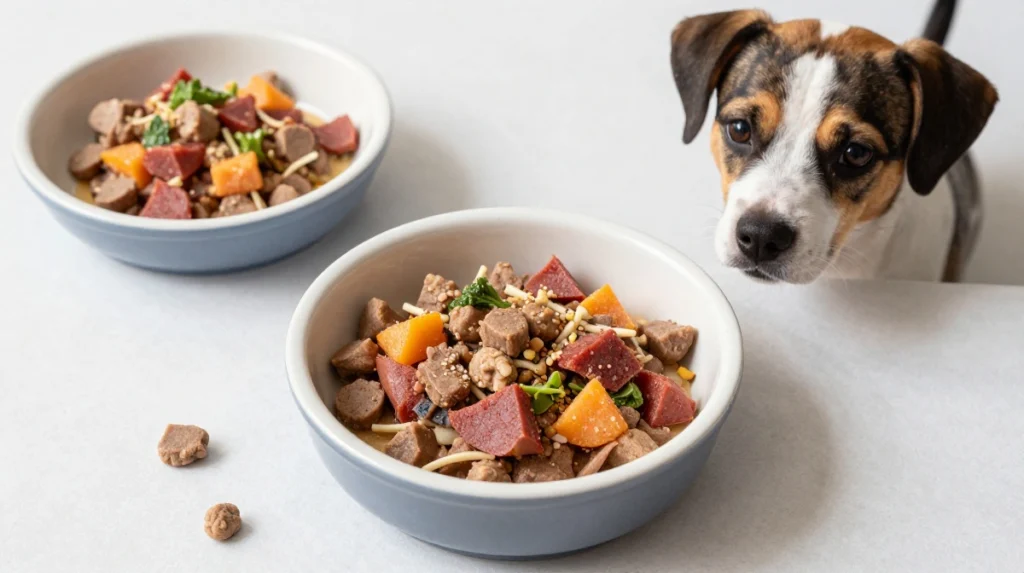
Grain-free dog food exploded in popularity, but the real story is more complicated than the marketing claims. Some dogs genuinely do better without grains. Many others gain nothing and pick up extra risks instead. Here’s the clear-eyed look at the pros, cons, and when it actually makes sense.
What “Grain-Free” Really Means on the Bag
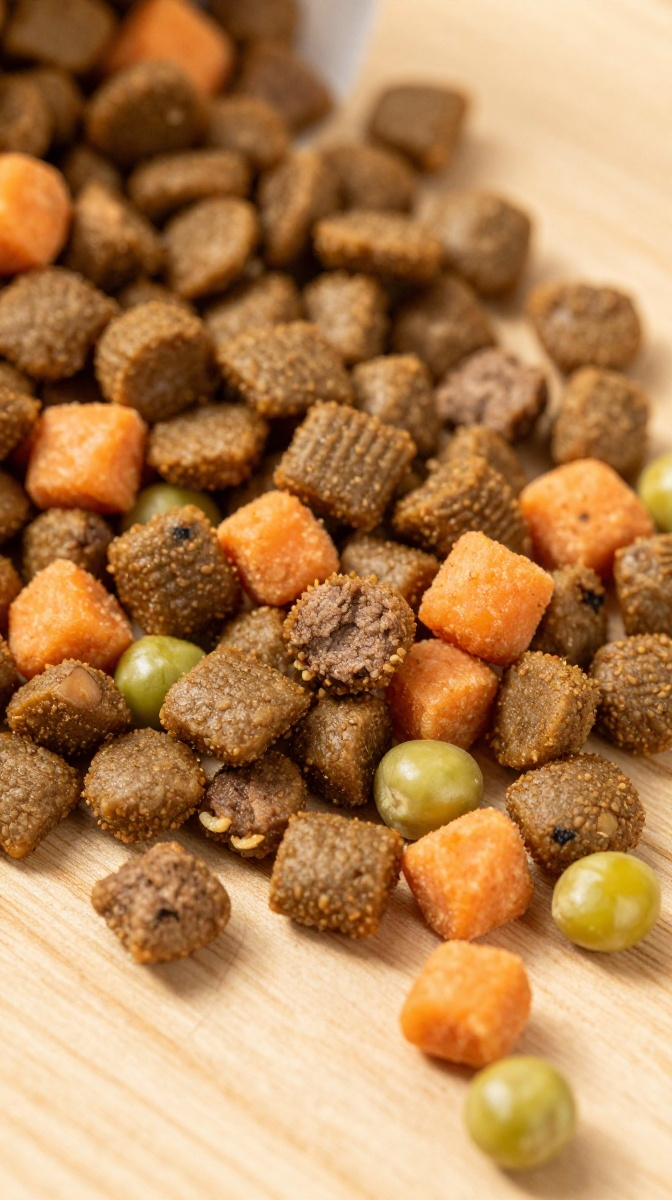
Grain-free simply means the recipe skips wheat, corn, rice, barley, oats, and other cereal grains. Companies usually replace those carbs with peas, lentils, potatoes, sweet potatoes, or tapioca. The meat content often looks higher on the label, which is why so many people switch.
That higher meat percentage can be a genuine upgrade. The problem starts when the replacement ingredients create new issues of their own.
The Real Pros That Actually Show Up
Dogs with confirmed grain allergies or sensitivities can improve dramatically on a grain-free formula. Itching, chronic ear infections, and loose stools sometimes clear up once the trigger grains disappear. True grain allergies are less common than most people think, but when they exist, removing the grains helps.
Many grain-free recipes also deliver higher animal protein and fewer cheap fillers. Owners frequently notice shinier coats, better muscle tone, and smaller stools. Those changes often come from the better overall ingredient quality rather than the absence of grains alone.
- Useful for dogs with documented grain intolerances
- Often higher named-meat content
- Can reduce certain digestive and skin issues in sensitive dogs
The Cons You Should Not Ignore
The biggest concern remains the potential link between some grain-free diets and dilated cardiomyopathy (DCM), a serious heart condition. The FDA investigated hundreds of cases, many involving grain-free formulas that listed peas, lentils, or other legumes high in the ingredient list. Causality was never proven, and the agency stopped routine updates in 2022, but the signal has not fully disappeared.
Many vets still urge caution, especially for breeds already prone to heart issues. Grain-free foods can also cost more and sometimes replace grains with high-glycemic carbs that are not ideal for every dog.
Most healthy dogs have no problem digesting quality grains. Removing them without a clear medical reason offers little upside and adds potential downside.
Who Should Be Extra Careful?
Golden Retrievers, Labrador Retrievers, and other breeds with higher DCM rates deserve extra scrutiny. Puppies and dogs with existing heart concerns also fall into the higher-risk group. Talk with your vet before making the switch.

When Grain-Free Actually Makes Sense
True grain allergies confirmed by a vet or elimination diet trial are the strongest reason to go grain-free. Some dogs with inflammatory bowel issues or chronic skin problems also respond better once grains leave the bowl.
If you choose grain-free, look for formulas that keep legumes lower on the ingredient list and still meet AAFCO standards. High named-meat content and transparent sourcing matter more than the grain-free claim itself.
IMO, the best approach is solving a specific problem rather than chasing a trend. Most dogs thrive on well-formulated grain-inclusive foods that use quality ingredients.
How to Choose a Better Grain-Free Option
Read the full ingredient list, not just the front of the bag. Named animal proteins should appear first. Watch how high peas, lentils, chickpeas, or potatoes rank. A food that starts with meat and keeps legumes further down is generally preferable.
Check for an AAFCO nutritional adequacy statement. Prefer brands that conduct feeding trials when possible. Calorie density and guaranteed analysis still matter—convert to dry-matter basis so you can compare fairly.
- Confirm a real need with your veterinarian
- Choose named meat as the first ingredient
- Keep legumes from dominating the formula
- Verify AAFCO compliance
- Monitor weight, energy, and stool quality after switching
Strong Alternatives Worth Considering
Many excellent grain-inclusive formulas now use ancient grains, oats, or barley instead of cheap corn and wheat. These often deliver the same high-meat benefits without the legume-heavy profile that raised DCM concerns.
Limited-ingredient diets that still contain a single high-quality grain can also solve sensitivity issues for dogs that react to specific proteins rather than grains themselves. Fresh and gently cooked options give another path if you want maximum control over ingredients.
FAQ’s
Do most dogs need grain-free food?
No. The majority of healthy dogs digest quality grains without any problem. Grain-free is a tool for specific issues, not a default upgrade.
Is the DCM risk still real in 2026?
The FDA has not established clear causality and stopped routine updates, but reports continue and many veterinary cardiologists remain cautious. The risk appears highest with certain legume-heavy formulas rather than every grain-free product.
Can I switch back to grain-inclusive later?
Yes. Transition slowly over 7–10 days and watch for any return of previous symptoms. Many dogs move between the two styles without trouble when the overall nutrition stays solid.
Are all grain-free foods high in legumes?
No. Some formulas use potatoes, sweet potatoes, or tapioca as the main carb source and keep peas and lentils lower. Always read the full list.
Should puppies eat grain-free?
Only under veterinary guidance. Growing dogs need precise nutrition, and the potential heart concerns make many specialists prefer proven grain-inclusive puppy formulas unless a clear medical reason exists.
Related Articles:
- How to Choose the Right Dog Breed for Your Lifestyle
- 10 Cutest Mixed Breeds You Should Know
- Best Dog Breeds for Allergy Sufferers
Make the Choice Based on Your Dog, Not the Trend
Grain-free food can solve real problems for a minority of dogs with genuine grain issues. For everyone else it often adds cost and potential risk without delivering extra benefit. Focus on named proteins, balanced nutrition, and your individual dog’s response instead of the grain-free label. Talk with your vet, read the full ingredient list, and choose the food that actually supports long-term health rather than the one that simply sounds more natural.