
Allergies do not have to mean a life without dogs. Some breeds produce far less loose hair and dander than others, giving many sufferers a realistic chance at living with a canine companion. No dog is completely allergy-proof, but these low-shedding options consistently work better for people who react to the average Lab or Shepherd.
What Actually Triggers Dog Allergies
Most reactions come from proteins in dander, saliva, and urine—not the hair itself. Dogs that shed less simply spread those proteins around the house more slowly. Continuously growing coats hold onto dead hair and dander until you brush or clip them out.
Individual dogs still vary widely. One Poodle might bother you while another causes almost no symptoms. Spending real time with a specific dog before committing remains the smartest test.
Regular bathing, brushing, and cleaning your home still matter even with the best breeds. The dog is only part of the equation.
Poodles: The Most Reliable Starting Point
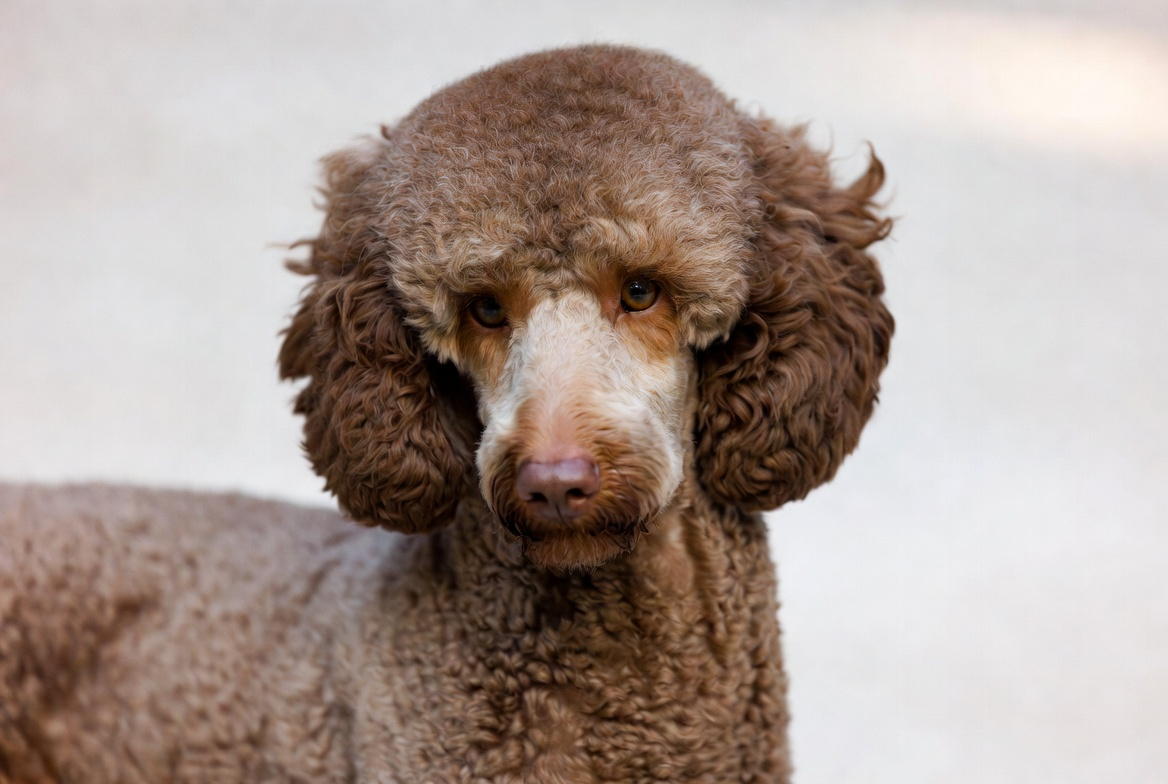
Standard, Miniature, and Toy Poodles top nearly every list for allergy sufferers. Their dense, curly coat grows continuously and traps loose hair instead of dropping it everywhere. Many people who react badly to other breeds handle Poodles with little or no trouble.
They come in three practical sizes and rank among the most trainable dogs available. The trade-off is serious grooming. Expect professional appointments every 4–6 weeks or a solid home-grooming routine to prevent mats.
Choose health-tested lines and stay on top of ear care—those floppy ears need regular cleaning.
- Very low shedding when properly maintained
- Highly intelligent and trainable
- Requires consistent coat care
Bichon Frise and Other Fluffy Low-Shedders
Bichon Frises produce minimal loose hair when kept brushed and trimmed. Their soft, powder-puff coat stays mostly on the dog. They stay small, cheerful, and adaptable to apartment living.
Maltese and Havanese fall into the same useful category. These breeds offer strong companionship in a compact package and usually trigger fewer symptoms than double-coated dogs. Daily brushing and regular professional grooming keep them comfortable and reduce allergens in the home.
They suit people who want an affectionate indoor companion more than a high-mileage hiking partner.
Grooming Non-Negotiables
- Brush several times a week
- Professional trim every 4–8 weeks
- Clean faces and sanitary areas regularly
- Watch for tear staining on light coats
Terriers and Water Dogs Worth Considering
Soft-Coated Wheaten Terriers and Portuguese Water Dogs shed very little when maintained. Wheatens bring a friendly, medium-energy personality and a silky coat that needs consistent care. Portuguese Water Dogs gained wider attention partly because of their low-shed reputation and sturdy build.
Miniature and Standard Schnauzers also perform well for many allergy households. Their wiry coats can be clipped or hand-stripped and drop far less hair than typical shepherds or retrievers. These breeds often suit more active owners better than pure companion types.
All still need regular grooming. Skip the upkeep and the allergy advantage disappears under a layer of mats.
Hairless and Ultra-Low Options
Chinese Crested and Xoloitzcuintli take the low-shed idea further. Hairless varieties produce almost no loose coat at all. They still require skin care—sun protection, moisturizing, and protection from cold.
Some people with severe allergies do better with these breeds because there is simply less hair and dander to manage. Others still react to skin oils or saliva. Meet the individual dog and test your reaction before deciding.
These breeds offer unique looks and often form strong bonds, but they are not for everyone.
- Poodle (all sizes) – most consistent performer
- Bichon Frise – cheerful and low-shed
- Soft-Coated Wheaten Terrier – friendly with proper coat care
- Portuguese Water Dog – athletic and low-shedding
- Schnauzer – sturdy and practical
- Maltese / Havanese – small companion options
- Chinese Crested or Xolo – minimal coat

The Reality of Living With a “Hypoallergenic” Dog
Even the best low-shed breeds still produce some dander and saliva proteins. Frequent brushing, regular baths, HEPA filtration, and keeping the dog off the bed all reduce exposure. Hard flooring beats carpet for easier cleaning.
Grooming costs and time add up. Factor professional appointments or the equipment and skill needed for home grooming into your budget and schedule.
IMO, the people who succeed treat allergen control as an ongoing system rather than expecting the breed alone to solve everything.
FAQ’s
Is any dog completely hypoallergenic?
No. The term is relative. Some breeds produce and spread far fewer allergens than others, but zero is not realistic.
Will a Poodle or Bichon guarantee I won’t react?
No guarantee exists. Many people improve dramatically, but severe allergies can still flare. Spend extended time with the specific dog first.
Do these breeds need less grooming because they don’t shed?
Usually the opposite. Continuous-growth coats require more frequent brushing and professional trims to stay healthy and mat-free.
Are “Doodle” mixes as good for allergies as purebred Poodles?
It depends on the individual dog and the other parent. Some shed more than expected. Meet the parents and the specific puppy whenever possible.
What else helps reduce symptoms at home?
Regular bathing of the dog, frequent vacuuming with a HEPA filter, air purifiers, washing dog bedding often, and keeping the dog out of the bedroom all make a measurable difference.
Related Articles:
- How to Make Homemade Dog Treats for Under $5
- Best Dog Food Delivery Services Compared
- 7 Human Foods That Are Actually Good for Dogs
Choose Realistically and Test First
The best dogs for allergy sufferers are those that shed very little and fit your energy level and grooming willingness. Poodles lead the pack for most people, followed by Bichons, certain terriers, water dogs, and hairless breeds. Be honest about the coat-care commitment, meet individual dogs to check your reaction, and treat allergen management as a daily habit. Do that and many allergy sufferers successfully share their homes with a happy, low-shed dog instead of giving up on the idea completely.