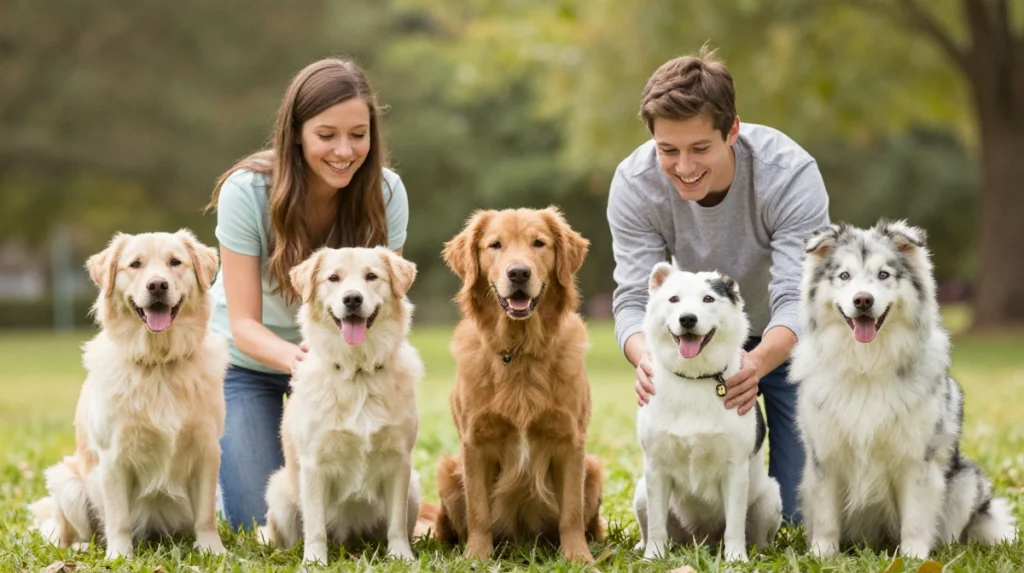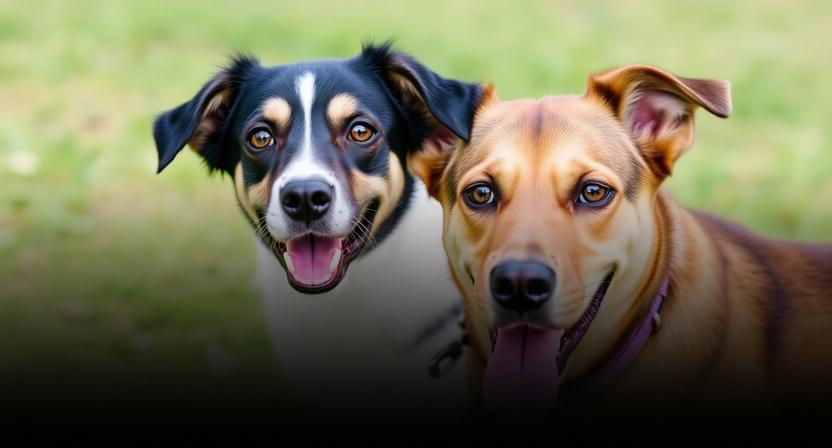
Small apartments and big dog energy rarely mix well. The right compact breed stays content with shorter walks, handles indoor life gracefully, and still fills the place with personality. Here are the small dogs that actually thrive in tighter spaces without driving you or the neighbors crazy.
What Makes a Dog Apartment-Friendly
Size helps, but it is not everything. Low-to-moderate exercise needs, quieter temperaments, and good indoor manners matter more. A 15-pound dog that barks at every hallway noise or needs two-hour hikes will still feel wrong in a one-bedroom.
Look for breeds that adapt to routine, tolerate alone time reasonably well, and do not demand constant outdoor adventure. Grooming level and heat sensitivity also play roles in city living.
French Bulldog: The Laid-Back Favorite
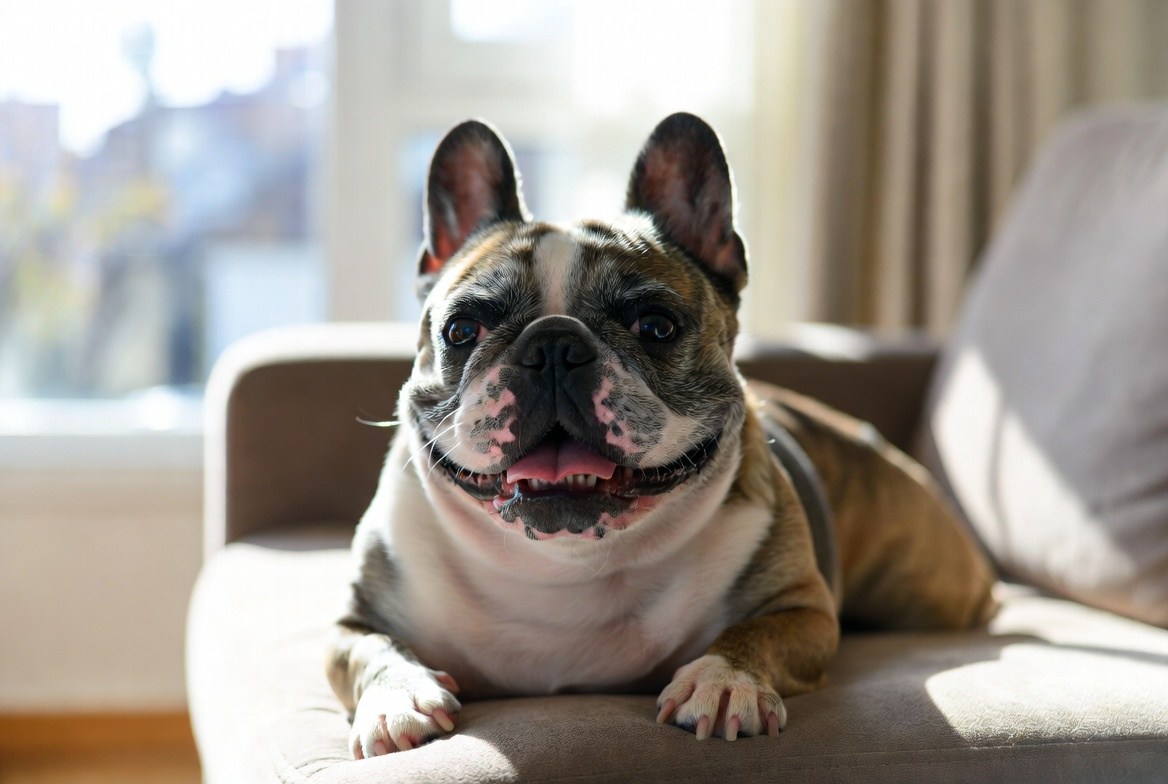
Frenchies top many apartment lists for good reason. They stay compact, prefer short bursts of play over long runs, and love lounging near their people. Their moderate energy fits city schedules perfectly.
Watch the heat and humidity—those short noses make them sensitive. They can be stubborn during training, but positive methods work. Expect some snoring and occasional gas. Overall they adapt beautifully to smaller homes.
Cavalier King Charles Spaniel: The Gentle Companion
Cavaliers bring sweet temperaments and adaptable energy levels. They enjoy walks but settle contentedly indoors once they get their daily outing. Their friendly nature makes them excellent for people who want a soft, affectionate roommate.
They do shed and need regular brushing. Heart health requires monitoring as they age, so choose responsible breeders and stay current on vet checks. In the right home they become devoted little shadows.
Why They Suit Apartments So Well
They rarely demand intense exercise and usually stay quiet compared to more vocal small breeds. That combination keeps both you and the neighbors happier.
Pug: Big Personality in a Small Package
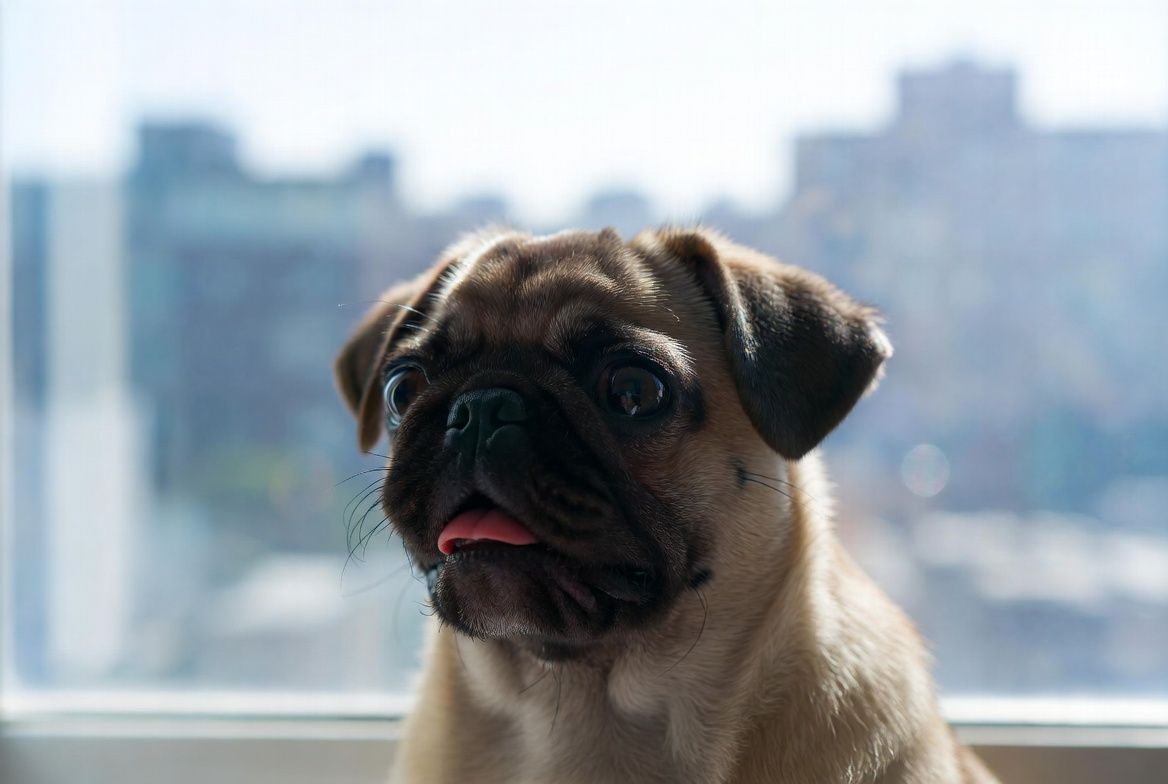
Pugs thrive on companionship and short activity sessions. They love being the center of attention and adapt quickly to apartment rhythms. Their comical expressions and sturdy little bodies make them popular city dogs.
Like Frenchies, they struggle in extreme heat. Keep walks modest in warm weather and watch their weight—Pugs gain pounds easily. Regular wrinkle cleaning prevents skin issues.
Shih Tzu and Maltese: Low-Exercise Fluff Balls
Both breeds stay small and content with moderate daily walks plus indoor play. Shih Tzus bring a sturdy, affectionate personality. Maltese offer elegant looks and a lively but manageable spirit.
Grooming is the main commitment. Regular brushing or professional trims keep mats away. These dogs often prefer their people’s company over intense outdoor adventures, which suits apartment life.
- Daily short walks usually suffice
- Indoor games and training burn extra energy
- Consistent coat care prevents problems
Boston Terrier: The Stylish Little Dynamo
Boston Terriers combine compact size with cheerful, people-focused energy. They need regular play and walks but do not require marathon sessions. Their short coats keep grooming simple.
They can be vocal, so early training helps with barking. Overall they adjust well to city living and form strong bonds with their owners. Watch for the same brachycephalic breathing considerations as other short-nosed breeds.
Other Strong Contenders Worth Considering
Bichon Frises bring cheerful attitudes and adaptable energy with the bonus of lower shedding when properly groomed. Yorkshire Terriers stay tiny and can do well with consistent training and socialization. Miniature Poodles offer intelligence and trainability in a compact, low-shedding package.
IMO, the best apartment dog is the one whose energy and noise level match your actual daily life—not the one that simply looks cute online. Meet adult dogs of the breed whenever possible before deciding.
FAQ’s
Do all small dogs do well in apartments?
No. Some small breeds have high exercise drives or loud barking tendencies that clash with close living. Match the individual breed’s needs to your space and schedule.
How much exercise do these apartment breeds really need?
Most thrive on 30–60 minutes of daily activity plus indoor play and mental stimulation. French Bulldogs and Pugs often need less intense exercise than a high-drive terrier.
Are brachycephalic breeds harder to keep in apartments?
They can be. Heat, humidity, and stairs require extra care. Air conditioning and careful activity management become important parts of daily life.
What about barking in an apartment building?
Some small breeds alert-bark more than others. Early training, enough exercise, and managing triggers (hallway noises, windows) help keep the noise reasonable for neighbors.
Should I get a puppy or an adult dog for apartment living?
Adult dogs often settle faster because their energy level and personality are already clear. Puppies need more intensive training and supervision during the early months.
Related Articles:
- The Best Clicker Training Kit for Beginners
- How to Train a Dog with a Short Attention Span
- Positive Reinforcement vs. Punishment: What Works Best?
Choose the Dog That Fits Your Actual Life
The best small apartment dogs combine manageable exercise needs, adaptable temperaments, and personalities that mesh with close-quarters living. French Bulldogs, Cavaliers, Pugs, Shih Tzus, and Boston Terriers consistently rise to the top for good reason. Visit breeders or rescues, ask honest questions about energy and noise, and pick the dog whose daily requirements match what you can happily provide. A well-matched small dog turns even a modest apartment into a comfortable, joyful home.