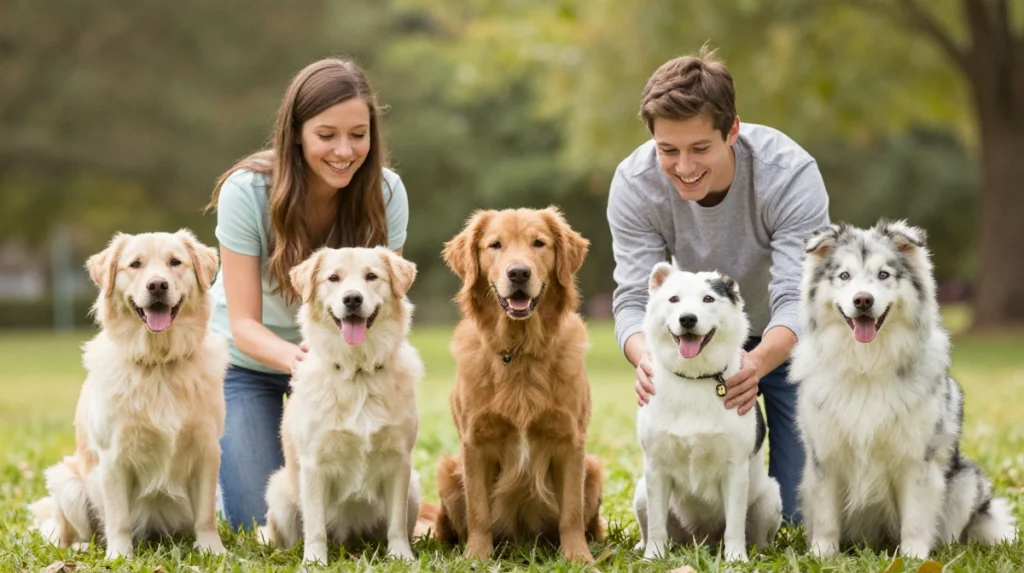
First-time dog ownership feels exciting until the puppy or adult dog actually comes home. The right breed forgives beginner mistakes, adapts to real life, and still gives you that solid companionship without constant chaos. Here are the breeds that consistently make the learning curve smoother.
What First-Time Owners Should Actually Prioritize
Look for dogs that train relatively easily, handle average exercise needs, and stay resilient when routines slip. Extreme energy, intense guarding instincts, or complicated health demands raise the difficulty level fast.
Size, grooming, and barking tendency also matter more than most new owners expect. A breed that matches your living space and daily schedule beats the one that simply looks appealing online.
Labrador Retriever: The Classic Starter Dog
Labs rank high for beginners because they stay eager to please and usually recover quickly from training inconsistencies. They love people, get along with kids and other pets when socialized, and respond well to positive methods.
They do need solid daily exercise and can be mouthy as youngsters. Keep them busy and lean, and they become reliable, good-natured companions that tolerate the learning process of a first-time owner.
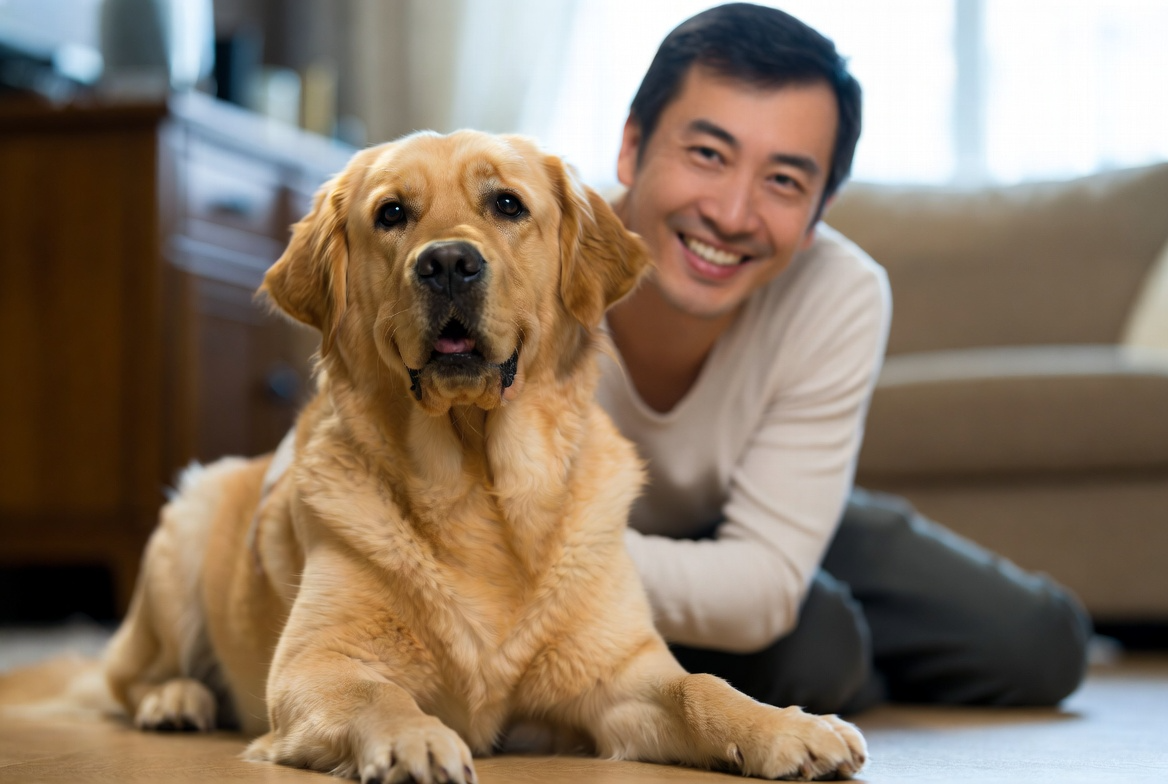
Golden Retriever: Patient and People-Oriented
Goldens share many of the Lab’s strengths with an extra dose of gentleness. They bond closely with their families and generally stay patient during the inevitable beginner training stumbles.
Expect heavy shedding and a real need for daily activity plus mental work. Their desire to please makes basic obedience easier to teach than with more independent breeds.
Cavalier King Charles Spaniel: Smaller and Softer
Cavaliers offer a more compact option that still brings friendly, adaptable energy. They enjoy walks but settle well indoors and usually stay affectionate without demanding constant intense exercise.
They do need regular grooming and monitoring for certain health issues common in the breed. For apartment dwellers or less active households, they often feel more manageable than the bigger retrievers.

Poodle (Miniature or Standard): Smart and Trainable
Poodles combine high intelligence with a strong desire to work with people. That combination helps first-time owners see faster progress in training. Their low-shedding coats appeal to many households.
They still need consistent mental stimulation and regular grooming. A bored Poodle invents its own entertainment, so plan for training games and activity.
Why Intelligence Helps Beginners
Smart dogs learn cues quickly when you stay consistent. They also notice patterns, which means good habits form faster once you establish them.
Bichon Frise and Similar Companion Breeds
Bichons stay small, cheerful, and generally eager to be part of the family. They adapt to apartment life reasonably well and respond to positive training. Regular grooming keeps their coats manageable.
Other solid small options include well-bred Maltese or Havanese for owners who want lower exercise demands. All still need socialization and basic manners work.
Breeds That Often Surprise New Owners
French Bulldogs attract many beginners with their size and personality, but breathing issues, heat sensitivity, and potential health costs raise the difficulty. Beagles bring friendly natures yet strong noses and vocal tendencies that challenge inconsistent owners.
IMO, match the dog to your actual energy and schedule instead of forcing a popular breed into a lifestyle that does not fit. A slightly less trendy but better-matched dog creates far fewer frustrations.
- Prioritize temperament and trainability over looks
- Factor in grooming time and potential health costs
- Be honest about daily exercise you can provide
- Plan for training classes early
display render_generated_image with prompt is Hyper-detailed 8K resolution image of a mixed group of beginner-friendly dogs including a Labrador, Cavalier, and Poodle sitting calmly together in a park, soft natural light, ultra-realistic coat details, relaxed happy expressions, bright outdoor setting, professional pet photography style, no text orientation is landscape
FAQ
Are purebreds always better for first-time owners?
Not necessarily. A well-matched mixed-breed dog from a reputable rescue can be just as suitable. Focus on individual temperament and energy level more than pedigree.
How much time should I budget daily for a first dog?
Plan for walks, feeding, training, play, and mental enrichment. Most beginner-friendly breeds need at least 60–90 minutes of active attention spread across the day, plus passive companionship.
Should I get a puppy or an adult dog?
Adult dogs often show their true personality already and may come with basic training. Puppies require more intensive supervision and house-training but let you shape habits from the start. Both work with realistic expectations.
What is the biggest mistake new owners make?
Underestimating exercise and mental needs or skipping early training classes. Even easygoing breeds benefit from structure and positive reinforcement right away.
Do these breeds work in apartments?
Cavaliers, Bichons, and smaller Poodles often adapt well. Labs and Goldens can manage with enough daily outings, but they generally prefer more space.
Related Articles:
- Best Dog Breeds for Seniors (Calm and Loving)
- 5 Best Guard Dog Breeds for Security
- Best Dog Breeds for Active People (Hikers & Runners)
Start With the Right Match and Stay Consistent
The best dog for a first-time owner is the one whose needs line up with your real life—not the one that looks perfect in photos. Labs, Goldens, Cavaliers, Poodles, and Bichons give most beginners a fair chance at success when exercise, training, and care stay consistent. Take your time choosing, invest in early positive training, and treat the first year as a learning partnership. That approach turns a new dog into a confident, well-adjusted companion and makes the whole experience far more enjoyable for both of you.