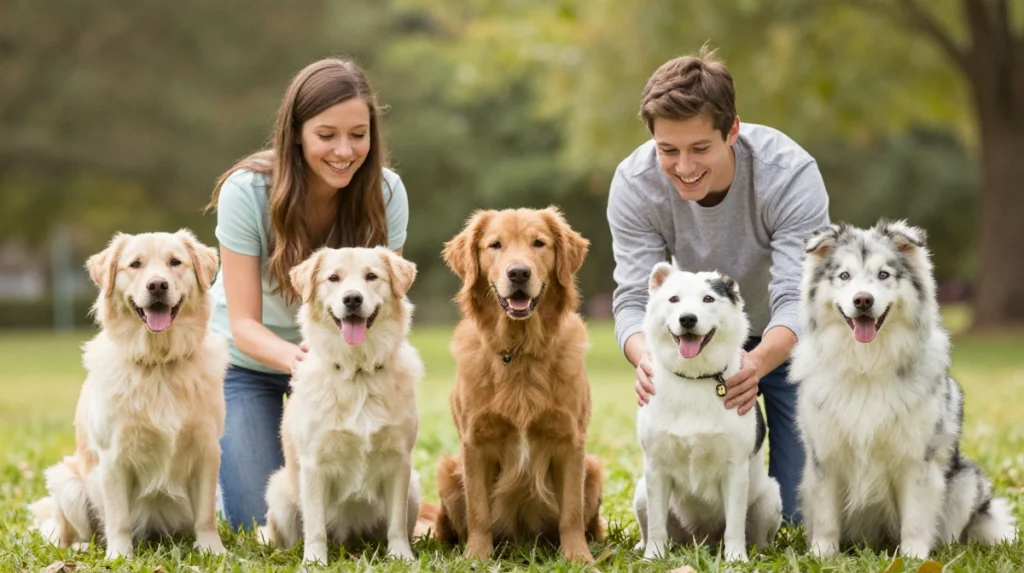
Seniors need dogs that match a quieter pace without sacrificing companionship. High-energy breeds create stress and safety risks. The right match offers steady affection, manageable exercise, and a calm presence that makes daily life better instead of harder. Here are the breeds that consistently work well.
What Actually Matters for Older Owners
Look for low-to-moderate energy, a sturdy but not overwhelming size, and a genuinely affectionate temperament. Fragile toy breeds can break easily if accidentally stepped on or dropped. Very large or powerful dogs become hard to control on walks as strength and balance change.
Grooming time, potential health costs, and how well the dog handles being alone also count. A calm dog that enjoys short walks and long naps usually fits better than one that demands constant activity.
Adult or senior dogs often make smarter choices than puppies. Their personalities are already clear and the hardest training stages are finished.
Cavalier King Charles Spaniel: The Gentle Favorite
Cavaliers rank near the top for seniors for good reason. They stay affectionate, adaptable, and happy with moderate daily walks plus plenty of couch time. Most bond closely with their people and remain patient and soft-natured.
They do need regular grooming and monitoring for heart issues common in the breed. Choose responsible breeders who health-test, and budget for potential cardiac care later in life.
Their medium-small size makes them easy to handle while still feeling like a substantial companion.
- Affectionate and people-oriented
- Moderate exercise needs
- Requires ongoing coat care and health screening
Greyhounds: The Ultimate Couch Potatoes
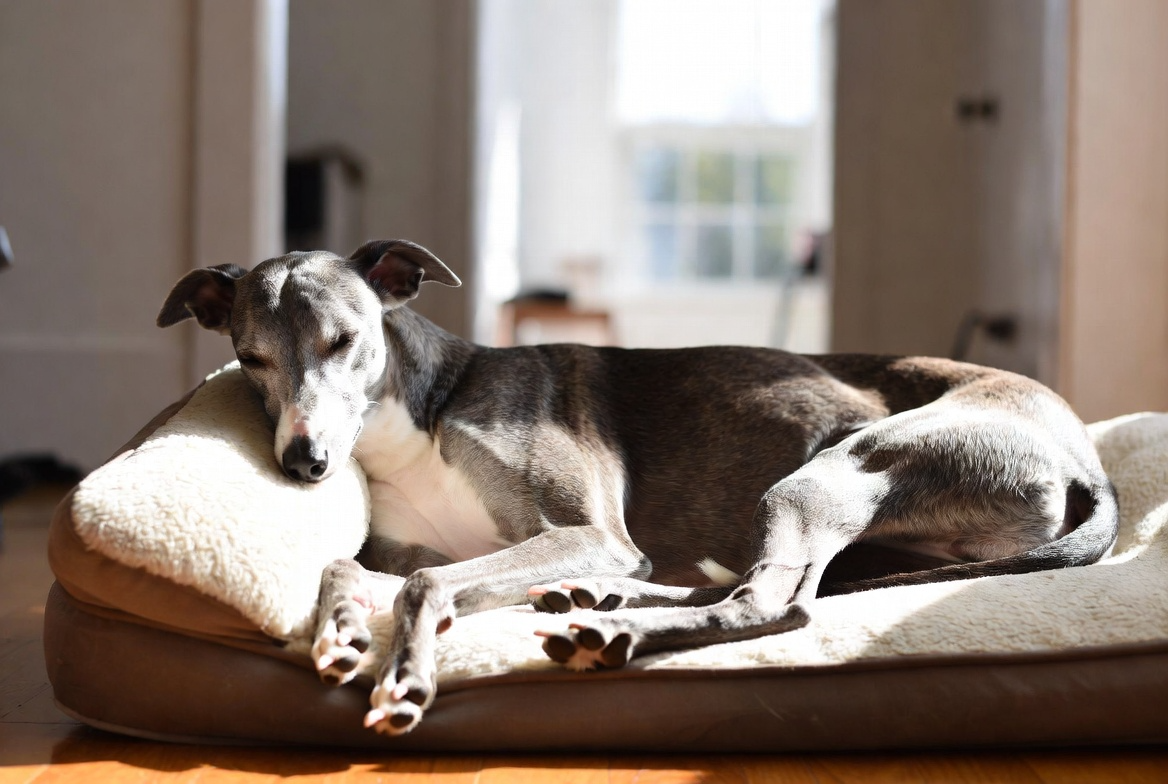
Retired racing Greyhounds surprise almost everyone. Despite their athletic build, most prefer lounging indoors for large parts of the day. They need a couple of good walks or short sprints but settle quietly afterward.
Their short coats keep grooming simple. Many are already crate-trained and house-trained from racing kennels. They tend to be gentle and quiet once they adjust to home life.
Watch their thin skin and lack of body fat in cold weather. A soft bed and a coat for chilly days solve most issues.
Why Greyhounds Work So Well
They combine low indoor energy with an elegant, easy-care package. Many seniors appreciate the quiet companionship and the fact that these dogs rarely demand constant attention.
Small Companion Breeds That Stay Manageable
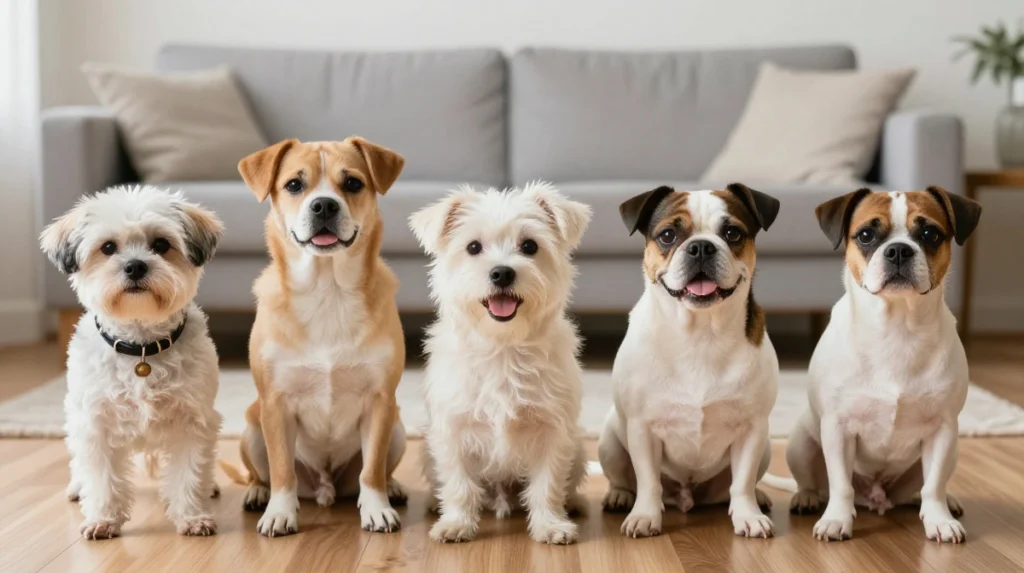
Bichon Frises, Maltese, and well-bred Shih Tzus offer cheerful companionship in a small package. They adapt to apartment living and usually need only short walks plus indoor play. Their affectionate natures suit people who want a dog that stays close.
Grooming is the main ongoing task. Regular professional trims or consistent home brushing keeps them comfortable and prevents mats. Dental care also matters with many small breeds.
Pugs bring similar low-exercise needs and big personalities, though their breathing and heat sensitivity require extra care in warm climates.
- Bichon Frise – cheerful and sturdy for their size
- Maltese – devoted and adaptable
- Shih Tzu – affectionate with proper coat care
- Pug – loving but needs temperature management
Practical Considerations That Matter
Strength and balance change with age. A dog that pulls hard on leash or jumps up becomes harder to manage. Prioritize good leash manners and calm greetings.
Consider height as well. Very small dogs can be trip hazards. Medium-small dogs that stay off furniture or use ramps often feel safer.
Health costs rise as both owner and dog age. Breeds with fewer extreme structural issues and solid health testing data usually create fewer financial surprises.
IMO, an adult dog from a breed rescue often gives seniors the best combination of known temperament and lower training demands.
- Choose adult or senior dogs when possible
- Prioritize calm temperaments over pure cuteness
- Match grooming ability to the coat type
- Plan for easier walking and handling as years pass
Other Strong Contenders
Miniature Schnauzers offer sturdy builds, moderate energy, and sharp but trainable minds. Their wiry coats need regular maintenance but shed less than many breeds.
Whippets share the Greyhound’s indoor calm with a slightly smaller size. They enjoy short bursts of speed and then return to the couch without complaint.
Some mixed-breed dogs from shelters make outstanding senior companions once their individual energy level and manners are clear. Temperament testing matters more than pedigree here.
FAQ’s
Should seniors get a puppy or an adult dog?
Adult dogs usually work better. Puppies demand intensive training, supervision, and energy that many older adults find exhausting. A settled adult lets you enjoy companionship sooner.
How much exercise do these breeds really need?
Most thrive on two moderate walks per day plus some indoor time. Greyhounds and many small companions are satisfied with less intense activity than herding or sporting breeds.
Are small dogs always safer for seniors?
Not always. Very tiny dogs can be easy to trip over or injure accidentally. A sturdy 15–30 pound dog often feels more practical than a 5-pound toy.
What about shedding and allergies?
Low-shed options like Poodles, Bichons, and some terriers reduce loose hair. No dog is completely non-shedding, and individual allergies still vary.
How do I prepare my home for a new dog?
Add non-slip rugs, raised food bowls if needed, a supportive bed, and ramps for furniture if the dog will use it. Remove trip hazards and secure a safe outdoor potty area.
Related Articles:
- How to Make Homemade Dog Treats for Under $5
- Best Dog Food Delivery Services Compared
- 7 Human Foods That Are Actually Good for Dogs
Choose Calm Companionship Over Chaos
The best dogs for seniors deliver steady affection without demanding more energy than their owners can comfortably give. Cavaliers, Greyhounds, Bichons, and similar calm breeds consistently succeed when matched thoughtfully. Focus on temperament, manageable size, and realistic care requirements rather than trends. An adult dog with a gentle nature often brings the greatest daily joy and the fewest complications. Pick the companion that fits the life you actually live, and both of you will enjoy the years ahead more.