A real guard dog is more than a loud bark and a tough look. The best ones combine natural protectiveness, trainability, and the ability to distinguish real threats from everyday life. Pick the wrong breed or skip the training and you end up with liability instead of security. Here are five breeds that actually deliver when handled by experienced owners.
What Separates a True Guard Dog
Size and strength matter, but temperament and nerves matter more. The best protection dogs stay calm until a clear threat appears, then respond with controlled intensity. They need strong bonds with their handlers and the intelligence to read situations correctly.
Natural suspicion of strangers helps, but uncontrolled aggression creates danger for everyone. Proper socialization and professional-level training turn raw potential into reliable protection. Without that foundation, even the most impressive breed becomes a problem.
These dogs are not for first-time owners or casual households. They demand time, consistency, and clear leadership.
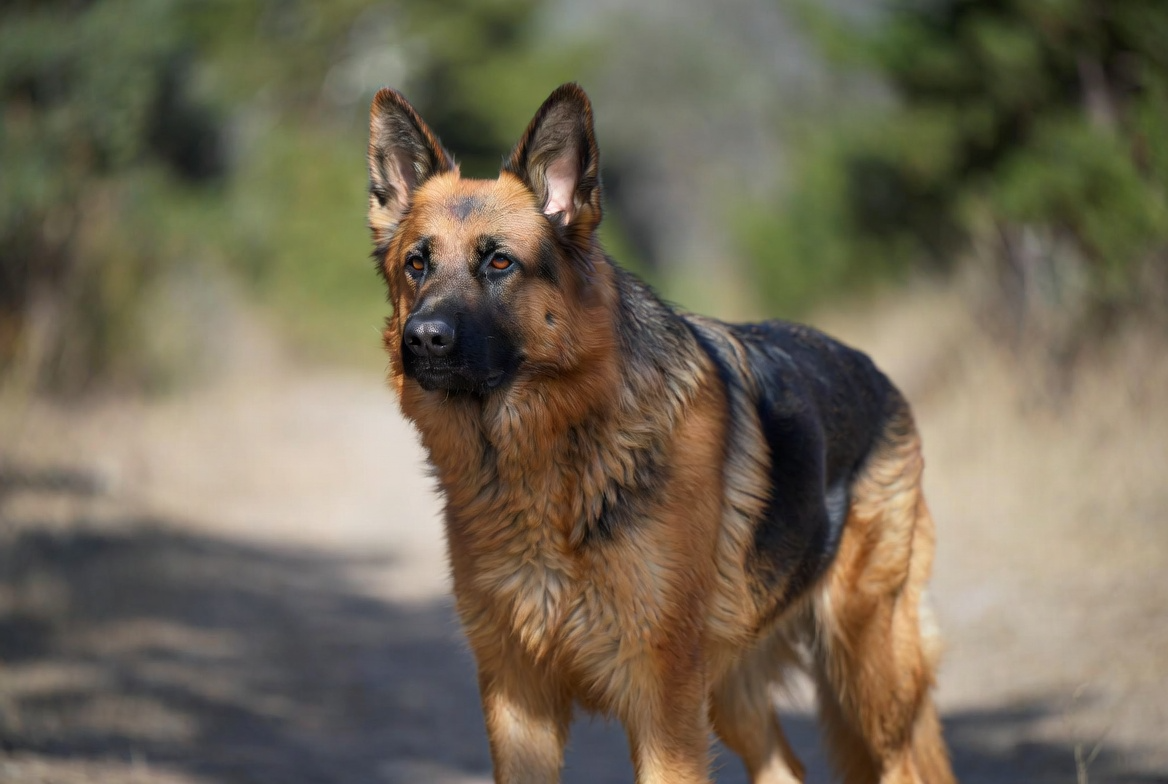
German Shepherd: The Classic All-Rounder
German Shepherds still set the standard for versatile working dogs. They combine intelligence, loyalty, and strong protective instincts with the ability to learn complex tasks. Police and military units rely on them for good reason.
A well-bred, well-trained Shepherd can guard property, protect family, and still live as a stable household companion. They need firm, fair training and plenty of mental and physical work. Under-exercised or poorly socialized Shepherds often develop anxiety or over-guarding.
Choose working lines if protection is the priority, and insist on health testing for hips and elbows.
- Highly trainable and versatile
- Strong natural protective drive
- Requires experienced handling and daily work
Rottweiler: Power With Presence
Rottweilers bring impressive strength and a calm, confident demeanor when properly raised. Their size alone deters many problems, and their loyalty to family runs deep. A stable Rottweiler watches quietly and acts only when necessary.
They need early socialization and consistent training to prevent stubbornness or over-protectiveness. These dogs do best with owners who understand confident, calm leadership. Soft or inconsistent handling often creates friction.
Health screening for hips, elbows, and heart conditions is essential. A fit, well-trained Rottweiler remains one of the most respected guardian breeds.
Key Rottweiler Traits
- Natural guarding instinct
- Powerful build and imposing presence
- Needs firm, experienced ownership
Doberman Pinscher: Speed and Sharpness
Dobermans combine sleek athleticism with intense loyalty and quick reactions. They were originally bred for protection work and still excel when given proper training. Their alertness and speed make them excellent at detecting and responding to threats.
They bond very tightly with their people and can be reserved with strangers. Early socialization prevents fear-based reactivity. Dobermans thrive with active owners who provide both physical exercise and structured training.
Modern Dobermans come in working and show lines—focus on temperament and health clearances, especially for heart conditions and von Willebrand’s disease.
Bullmastiff: Quiet Strength
Bullmastiffs were developed to catch poachers without excessive noise. They rely on size, strength, and determination rather than constant barking. A good Bullmastiff is calm indoors and serious when a real threat appears.
They tend to be more independent than Shepherds or Dobermans and respond best to patient, consistent training. Their giant size requires careful socialization and control around people and other animals.
These dogs suit owners who want a low-barking guardian with strong natural protective instincts. Joint health and bloat awareness matter with any giant breed.
- German Shepherd – versatile and highly trainable
- Rottweiler – powerful and confident
- Doberman Pinscher – fast and intensely loyal
- Bullmastiff – quiet, determined guardian
- Belgian Malinois – high-drive specialist
Belgian Malinois: The High-Octane Specialist
Malinois dominate modern protection sports and military work for a reason. They bring extreme drive, speed, and focus. When trained by experienced handlers, they rank among the most effective personal protection dogs available.
They are not casual pets. A Malinois without enough work becomes destructive and difficult. These dogs need daily intense training, exercise, and a job. Most households under-estimate the commitment.
IMO, Malinois belong with serious working-home owners or professionals, not someone who simply wants a tough-looking dog for the backyard.
Training and Responsibility Come First
None of these breeds becomes a reliable guard dog through genetics alone. Professional protection training, ongoing obedience, and careful socialization are mandatory. A dog that cannot distinguish between a delivery driver and a real threat creates legal and safety problems.
Liability insurance, secure fencing, and clear household rules matter. These dogs should never be left unsupervised with visitors or in public without solid control.
If you want deterrence without the full working-dog commitment, a well-trained large breed with natural watchfulness often provides enough presence for most homes.
FAQ’s
Are these breeds good family dogs?
Many can be excellent with their own family when properly raised and trained. They usually need experienced owners and careful management around children and guests. Supervision and training remain essential.
Do I need professional protection training?
For true personal or property protection work, yes. Basic obedience is not enough. Look for reputable trainers who emphasize control and stability over pure aggression.
Which breed is best for beginners?
None of these top guard breeds suit true beginners. German Shepherds from stable lines are often the most adaptable, but even they require commitment and experience.
How much exercise do they need?
All five need substantial daily physical and mental work. Malinois and working-line Shepherds demand the most. Under-exercised guard breeds quickly develop behavior problems.
Is a guard dog better than a security system?
They complement each other. A dog provides mobile, thinking deterrence that cameras cannot match, but no dog replaces solid doors, lighting, and modern security measures.
Related Articles:
- How to Make Homemade Dog Treats for Under $5
- How to Transition Your Dog to a New Food
- Best Grain-Free Dog Foods (Pros and Cons)
Respect the Power You Bring Home
The best guard dog breeds offer real protection capability when matched with skilled owners and proper training. German Shepherds, Rottweilers, Dobermans, Bullmastiffs, and Belgian Malinois each bring different strengths, but all require serious commitment. Choose based on your experience level and lifestyle, invest in professional training, and never treat these dogs as living security systems you can ignore. Handled correctly, they become loyal partners. Handled poorly, they become risks. Make the choice carefully.