
Not every dog handles the chaos of kids with equal grace. The best family breeds stay patient, resilient, and genuinely enjoy the noise and activity instead of just tolerating it. Here are ten that consistently earn their place in busy households.
What Makes a Dog Great With Kids
Look for steady temperaments, moderate-to-high tolerance for handling, and enough energy to play without becoming mouthy or overwhelmed. Size matters too—very small dogs can get injured during rough play, while giant breeds need space and careful supervision around toddlers.
No dog is automatically safe. Supervision, training, and teaching kids how to interact respectfully remain non-negotiable no matter which breed you choose.
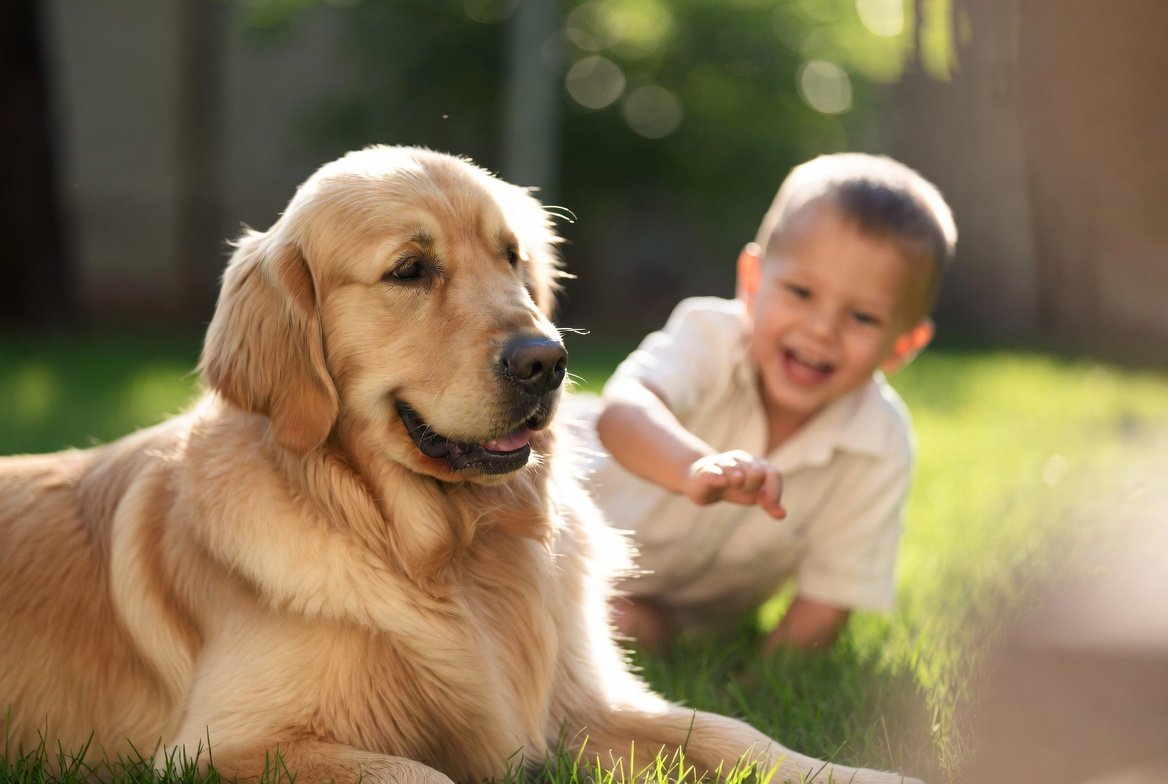
Golden Retriever and Labrador Retriever
These two classic retrievers top most family lists for good reason. Both breeds stay friendly, eager to please, and generally patient with children. They thrive on play and usually form strong bonds with the whole household.
They do need solid daily exercise and can be mouthy as puppies. Keep them lean and trained, and they become reliable, affectionate companions for years.
Beagle: Compact and Curious
Beagles bring sturdy little bodies, friendly natures, and enough energy for active kids without requiring marathon runs. Their pack-oriented personality often translates well to family life.
They can be vocal and follow their noses into trouble, so secure fencing and consistent training help. Overall they handle the ups and downs of household life with cheerful resilience.
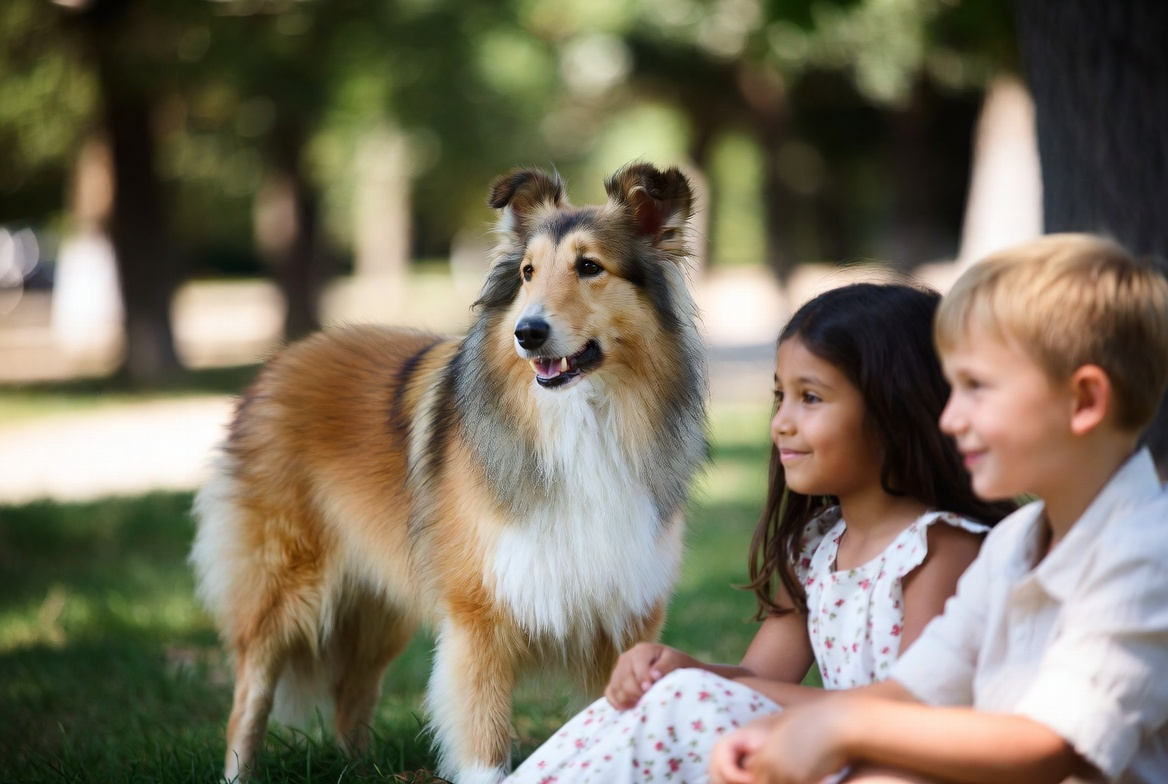
Collie and Shetland Sheepdog
Collies offer that classic gentle, watchful temperament many families love. They tend to be sensitive and responsive, forming close bonds with children. Shelties bring similar traits in a smaller package.
Both need mental stimulation and regular exercise. Their herding background sometimes shows up as nipping at heels during play, so early training keeps that in check.
Boxer: Goofy and Loyal
Boxers bring high energy, clownish personalities, and strong loyalty to their people. They often adore kids and stay playful well into adulthood. Their sturdy build handles active play better than many smaller breeds.
They need firm, positive training and plenty of exercise. Without it, that exuberance can become overwhelming. In the right home they become devoted, entertaining family members.
Newfoundland and Bernese Mountain Dog
These gentle giants earn their “nanny dog” reputations through calm, patient temperaments. Newfoundlands especially show a natural affinity for children and water. Bernese offer similar sweetness with striking looks.
Their size requires space and careful management around small kids. Both breeds need moderate exercise and attention to joint health. When raised well they become steady, loving presence in the home.
Bulldog, Cavalier, and Poodle
English Bulldogs stay relatively low-energy and good-natured with kids, though heat and breathing need management. Cavaliers offer soft, affectionate temperaments in a smaller size that still handles family life well.
Standard and Miniature Poodles combine intelligence, trainability, and usually patient personalities. Their low-shedding coats appeal to many families. All three benefit from early socialization and consistent rules.
- Bulldogs: lower exercise needs, higher health monitoring
- Cavaliers: affectionate and adaptable
- Poodles: smart, versatile, and often excellent with children
FAQ’s
Are any of these breeds automatically safe with toddlers?
No. Even the most patient breeds need supervision, especially with very young children. Teach kids gentle handling and never leave dogs and small children alone together.
How much exercise do family-friendly breeds need?
It varies. Labs, Goldens, Boxers, and Collies usually need solid daily activity. Bulldogs and some smaller companions need less intense exercise but still require regular walks and play.
Should I get a puppy or an adult dog for a family with kids?
Adult dogs often settle faster and already show their true temperament. Puppies require more time, training, and supervision during the early months. Both can work with the right preparation.
Do these breeds shed a lot?
Goldens, Labs, Collies, Newfoundlands, and Bernese shed moderately to heavily. Poodles shed very little. Factor grooming time into your decision.
What is the most important thing when choosing a family dog?
Match the dog’s energy and temperament to your actual household, not just the ideal version. Training, socialization, and ongoing supervision matter more than breed alone.
Related Articles:
- Best Small Dog Breeds for Apartments
- Rottweiler Care and Training (Responsible Ownership)
- Border Collie Care and Training Guide
Pick the Right Fit and Put in the Work
The ten breeds above earn their family-friendly reputations through generally steady temperaments and willingness to be part of the household chaos. Still, success depends on training, exercise, socialization, and teaching kids respectful interaction. Choose a dog whose needs match your lifestyle, invest the early effort, and you gain a loyal companion who grows up alongside your children. That combination creates some of the best memories a family can have.