French Bulldogs pack giant personalities into compact, wrinkled bodies. They thrive as devoted companions but come with specific care, health, and training needs you cannot ignore. Get those right and you end up with one of the most entertaining roommates you will ever have.
Personality: Confident, Clingy, and Comic
Frenchies bond hard with their people and prefer to stay close. They usually get along with kids and other pets when raised together, though some stay a bit stubborn or selective with strangers. That signature bat-ear alertness and expressive face make everyday moments funnier than they should be.
They are not high-drive working dogs. Most prefer short play sessions and long naps over intense activity. Leave them alone too often and separation anxiety can appear, so plan for company or solid alone-time training early.
Exercise and Daily Life Requirements
Forget long runs or hiking marathons. Most adult French Bulldogs do well with two or three short walks totaling 20–40 minutes plus some indoor play. Overdoing it in heat or humidity risks serious breathing trouble because of their short noses.
Mental stimulation still matters. Puzzle toys, short training games, and sniff walks keep them engaged without overheating. Watch their weight closely—extra pounds make breathing and joint issues worse.

Grooming Those Wrinkles and Folds
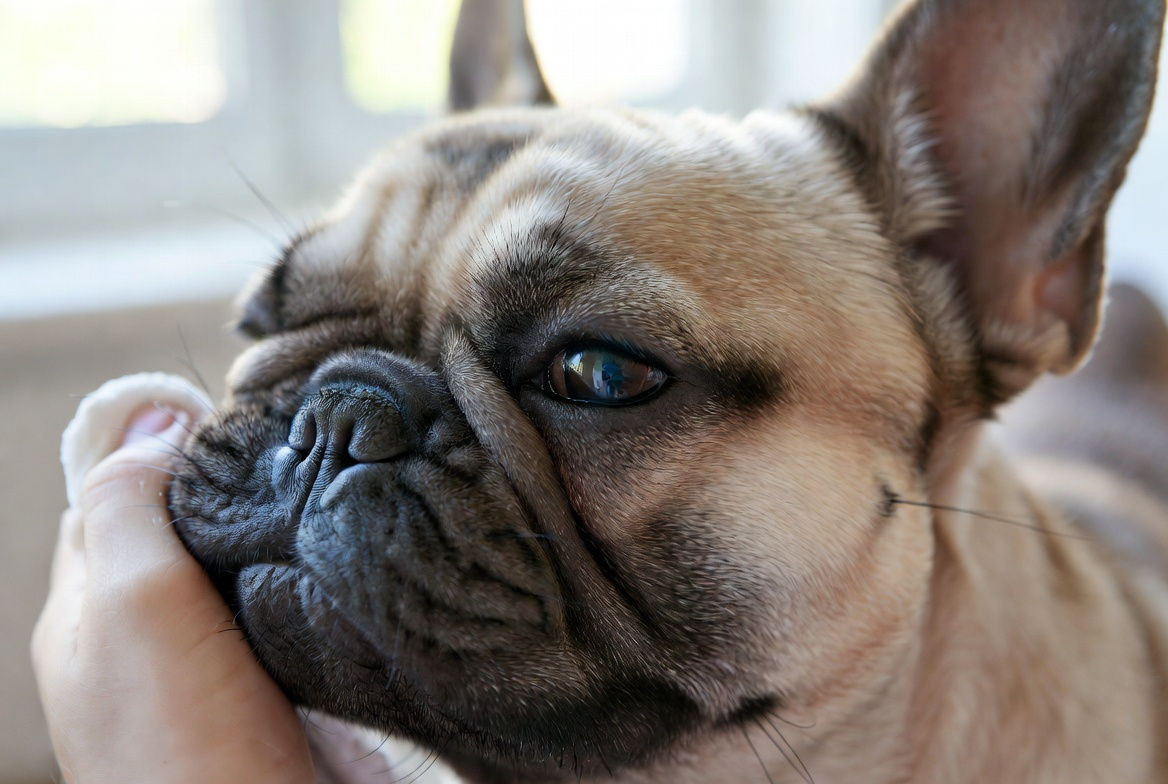
The short coat needs minimal brushing, but the skin folds demand regular attention. Clean facial wrinkles, the tail pocket, and any other creases several times a week with a damp cloth or pet-safe wipe, then dry thoroughly. Moisture trapped in folds leads to irritation and infection fast.
Bathe only when needed, usually every 4–6 weeks. Keep ears clean and dry, and trim nails regularly. Those compact bodies and short legs make overgrown nails especially uncomfortable.
- Daily or every-other-day fold cleaning
- Weekly ear checks
- Nail trims every 2–3 weeks
- Watch for skin redness or odor
Hot Weather Reality Check
Frenchies overheat quickly. Limit outdoor time on warm days, provide shade and water, and never leave them in a parked car. Air conditioning is more necessity than luxury for this breed.
Health Issues You Need to Know
Brachycephalic airway syndrome tops the list. Narrow nostrils, elongated soft palate, and a compressed airway make breathing harder, especially during exercise or heat. Many Frenchies also face spinal problems (hemivertebrae), hip issues, allergies, and eye problems.
Choose breeders who perform health testing and avoid exaggerated features. Even well-bred dogs need lifelong monitoring. Regular vet visits, weight control, and prompt attention to breathing changes or skin issues make a real difference.
IMO, the health costs and potential surgeries are the biggest reality check for new Frenchie owners. Budget for them from the start.
Training: Stubborn but Food-Motivated
French Bulldogs respond best to positive, short sessions with high-value rewards. They can be stubborn, so keep training fun and consistent rather than long and repetitive. House-training sometimes takes extra patience—many do well with crate training and a solid routine.
Socialization still matters. Expose them early to different people, sounds, and environments so confidence stays high. Leash manners and basic cues like sit, stay, and leave-it make daily life smoother.
- Use short, upbeat sessions
- Reward heavily with food or play
- Stay consistent with rules
- Address alone-time comfort early
FAQ’s
How much exercise does a French Bulldog really need?
Most adults thrive on 20–40 minutes of total daily activity broken into short walks and play. Avoid intense exercise, especially in warm weather.
Are French Bulldogs good with kids?
Many are, especially when raised with children and supervised. Their sturdy build handles play better than tiny breeds, but teach kids gentle handling around the face and wrinkles.
Do they bark a lot?
They are not typically excessive barkers, though some alert-bark at noises or strangers. Training and enough enrichment keep vocalizing reasonable.
What is the biggest health concern?
Breathing difficulties related to their flat faces rank highest. Heat intolerance, spinal issues, and skin fold infections also need ongoing attention.
Can French Bulldogs stay home alone?
They prefer company and can develop separation anxiety. Gradual alone-time training and mental enrichment help, but many do best in homes where someone is around much of the day.
Related Articles:
- Best Hypoallergenic Dog Breeds (That Actually Don’t Shed)
- Small vs. Large Dogs: Which is Right for You?
- Best Dog Breeds for First-Time Owners
Know the Breed Before You Commit
French Bulldogs reward their people with loyalty, humor, and strong affection, but they demand specific care around breathing, temperature, skin folds, and training consistency. Meet their needs and you get a compact companion who turns ordinary days into entertainment. Ignore the breed-specific requirements and the health and behavior challenges stack up quickly. Go in with open eyes, a solid routine, and a good vet relationship, and your Frenchie can be one of the most rewarding dogs you ever share a home with.