German Shepherds combine brains, loyalty, and serious working drive in one athletic package. They reward consistent training and daily exercise with unmatched devotion, but they punish neglect with frustration and unwanted behaviors. Here’s the practical guide that keeps both of you thriving.
Temperament: Smart, Loyal, and Always On Duty
German Shepherds bond tightly with their people and naturally watch over their household. They stay alert, confident, and often a bit reserved with strangers until properly introduced. That protective streak is a feature, not a flaw, when you channel it correctly.
They need a job—whether formal training, sports, or structured daily routines. Without mental and physical outlets, that intelligence turns into creative trouble. Expect a dog that notices everything and wants to be involved.
Exercise That Actually Matches Their Engine
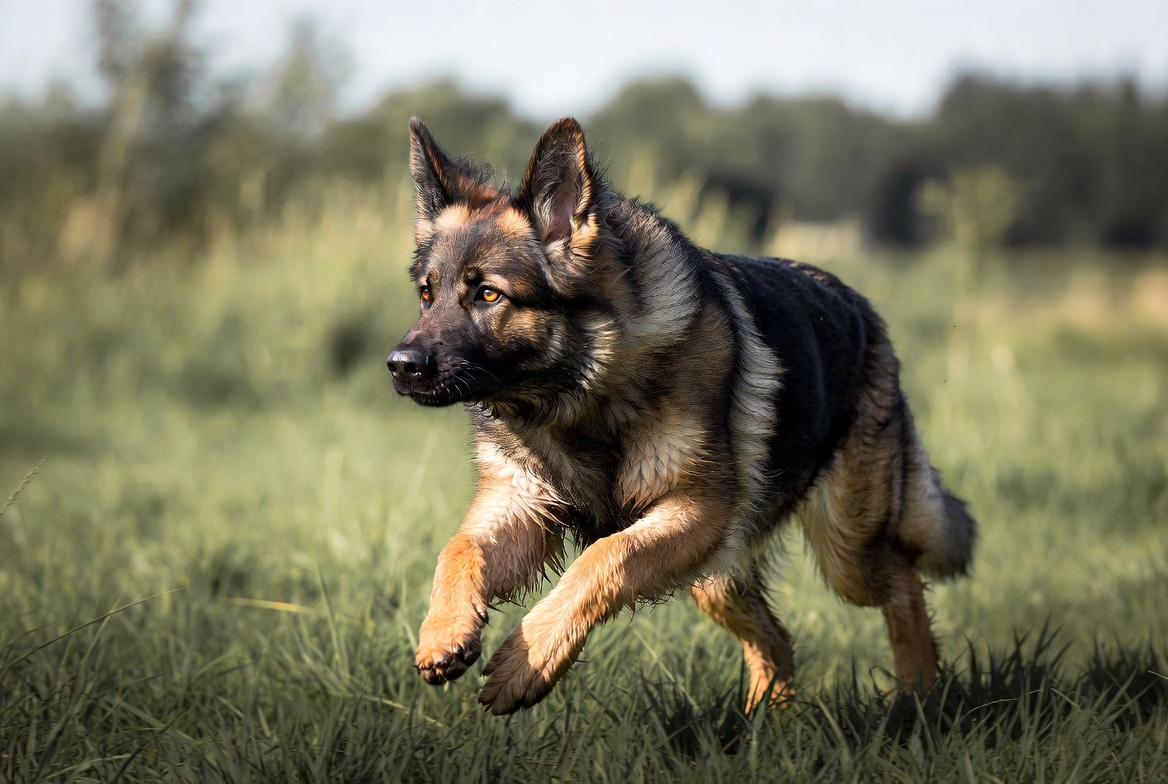
Most adult German Shepherds need 90 minutes to two hours of solid activity every day. Long walks alone rarely cut it. Add running, hiking, fetch, swimming, or structured play to burn real energy.
Mental work tires them faster than physical exercise alone. Nose work, obedience drills, agility, or advanced tricks give that sharp mind something productive to do. A well-exercised Shepherd is calm and pleasant at home. An under-exercised one invents its own entertainment.
Training: Start Early and Stay Consistent
These dogs learn fast—sometimes faster than their owners can keep up. Use positive reinforcement paired with clear structure. They respond well to confident, fair leadership and lose respect for inconsistent or overly harsh methods.
Begin socialization and basic obedience the moment your puppy comes home. Expose them to different people, sounds, surfaces, and environments while keeping experiences positive. Adolescent Shepherds test boundaries hard, so maintain the rules through that phase.
- Focus on engagement and reward-based methods
- Practice impulse control daily
- Keep sessions short and upbeat at first
- Add advanced skills once basics are solid
Common Training Pitfalls
Skipping socialization creates fear or over-protectiveness later. Letting them rehearse bad habits (leash pulling, jumping, demand barking) makes those behaviors stronger. Stay proactive instead of reactive.
Grooming the Double Coat
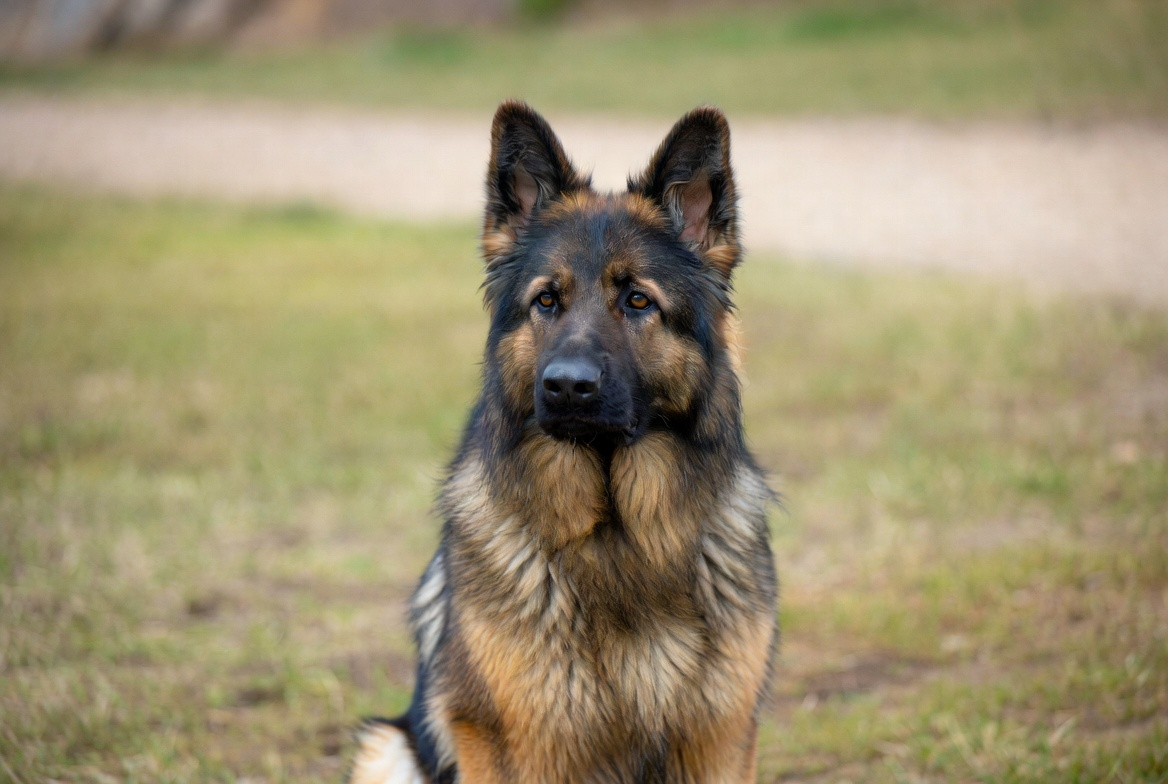
German Shepherds shed. A lot. The dense undercoat blows out heavily twice a year and leaves a steady trail the rest of the time. Brush several times a week with an undercoat rake and slicker to keep loose hair under control.
Baths every 6–8 weeks usually suffice unless they roll in something spectacular. Check ears regularly, keep nails trimmed, and watch for hot spots during heavy shedding seasons. A high-velocity dryer after baths helps remove dead undercoat efficiently.
Health Watchouts Every Owner Should Know
Hip and elbow dysplasia appear frequently in the breed. Choose breeders who screen rigorously and keep your dog lean to reduce stress on the joints. Digestive sensitivities and certain autoimmune conditions also show up more often than average.
Bloat (GDV) is a real risk in deep-chested breeds. Feed smaller meals, avoid intense exercise right after eating, and know the warning signs. Regular vet checks and prompt attention to any limping, digestive changes, or lethargy pay off.
Feeding and Daily Care Basics
Feed a high-quality diet appropriate for large active breeds. Many Shepherds do best on measured meals rather than free-feeding. Watch body condition closely—extra weight accelerates joint problems.
Provide a secure yard or reliable off-leash opportunities when possible. These dogs appreciate having space to move, but a well-exercised Shepherd can adapt to various living situations if their needs are met.
IMO, the owners who succeed treat exercise and training as non-negotiable daily habits rather than optional extras. That consistency prevents most behavior issues before they start.
FAQ’s
How much exercise does an adult German Shepherd need?
Most need 90–120 minutes of meaningful activity daily, combining physical exercise with mental work. Puppies need shorter, carefully managed sessions to protect growing joints.
Are German Shepherds good with children?
Many are excellent when raised with kids and properly trained. Their size and herding instincts mean supervision and teaching both the dog and the children appropriate interaction remain essential.
Do they bark a lot?
They can be vocal, especially when alerting to sounds or activity outside. Training and enough daily outlets keep excessive barking under control for most dogs.
How hard is the shedding?
Heavy. Expect seasonal coat blows that cover everything and steady shedding the rest of the year. Regular brushing is mandatory if you want to stay ahead of the hair.
Should first-time owners get a German Shepherd?
Only if they commit fully to training, exercise, and socialization. These dogs thrive with experienced or highly dedicated owners and can overwhelm someone unprepared for their intensity.
-
Related Articles:
- How to Choose the Right Dog Breed for Your Lifestyle
- 10 Cutest Mixed Breeds You Should Know
- Best Dog Breeds for Allergy Sufferers
Commit Fully or Choose Differently
German Shepherds deliver unmatched loyalty, intelligence, and versatility when their needs for exercise, training, and structure are met consistently. They are not low-maintenance companions. Give them the physical and mental work they were built for, stay clear and fair in training, and monitor the breed-specific health points. Do that, and you gain a partner that will work beside you, protect your home, and bond deeper than most breeds ever reach. Anything less creates frustration for both of you.