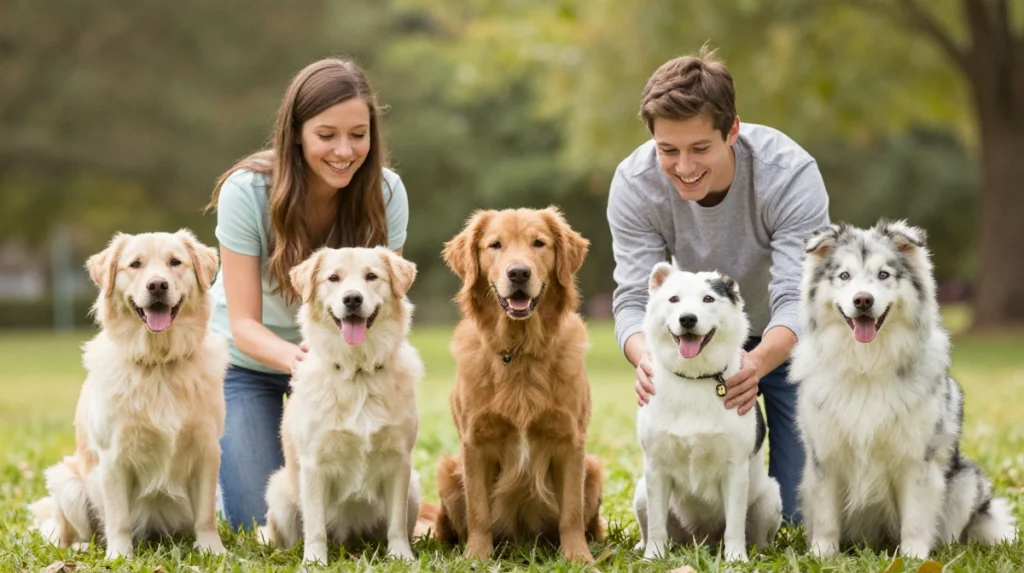
True zero-shed dogs do not exist, but some breeds come remarkably close and produce far less dander than the average lab or shepherd. If allergies or constant hair cleanup rule your life, these low-shedding options give you the best realistic shot at living with a dog without the endless fur tumbleweeds. Here’s the honest breakdown of breeds that actually keep shedding to a minimum.
What “Hypoallergenic” Actually Means
No dog is completely allergy-proof. The term usually refers to breeds that shed very little and produce less of the protein found in dander, saliva, and urine that triggers most reactions. Hair length matters less than how much of it ends up on your floor and furniture.
Single-coated or continuously growing coats tend to hold onto hair instead of dropping it everywhere. Regular grooming becomes non-negotiable with these breeds—skip it and you trade shedding for mats and skin issues.
Individual dogs still vary. Spend time with the specific dog before committing, especially if your allergies are severe.
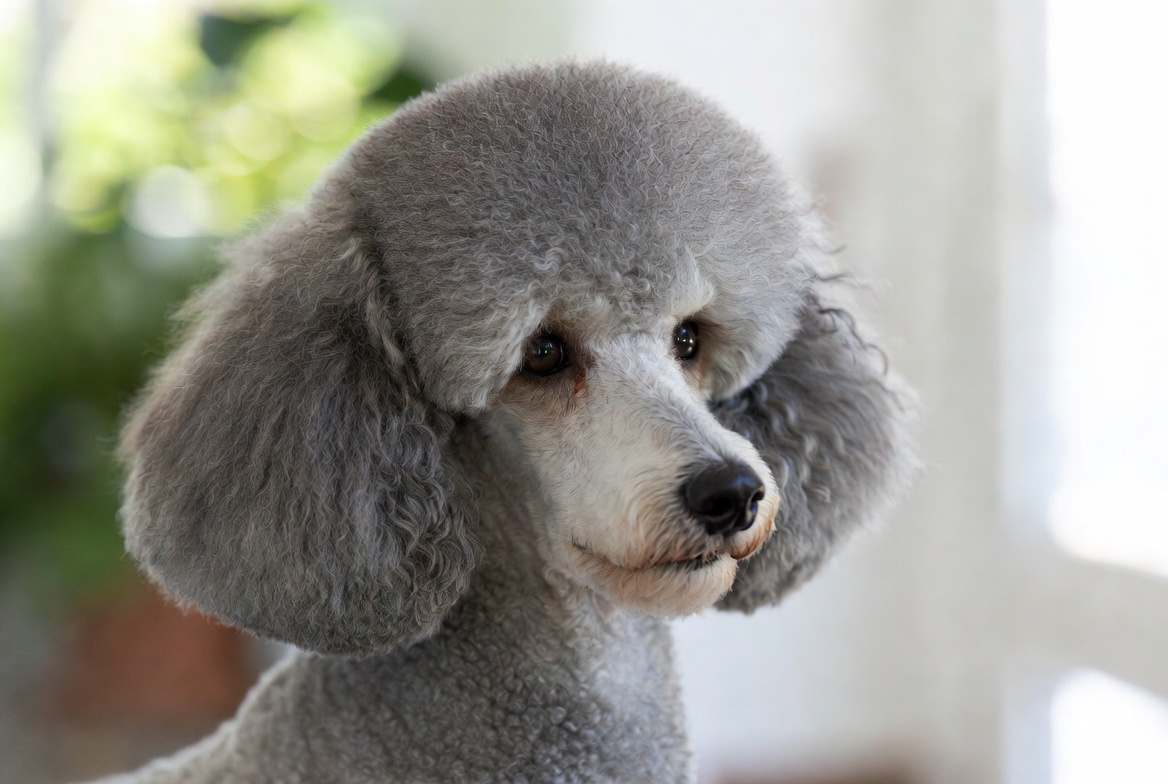
Poodles: The Clear Front-Runner
Standard, Miniature, and Toy Poodles consistently rank at the top for low shedding. Their curly, dense coat grows continuously and traps loose hair instead of scattering it. Most people with mild to moderate allergies handle Poodles better than almost any other breed.
They come in three practical sizes, stay highly trainable, and bring sharp intelligence. The trade-off is serious grooming. Expect professional trims every 4–6 weeks or a solid home grooming routine to prevent mats.
Choose a reputable breeder who health-tests, because Poodles can carry certain genetic issues. Overall they remain the safest starting point for many allergy households.
Bichon Frise and Similar Fluffy Companions
Bichon Frises produce very little loose hair when kept properly groomed. Their soft, powder-puff coat stays on the dog instead of your clothes. They stay small, cheerful, and adaptable to apartment life.
Maltese and Havanese fall into the same category. These breeds offer big personalities in compact packages and usually trigger fewer allergy symptoms than double-coated dogs. Daily brushing and regular professional grooming keep the coat manageable.
They suit people who want a companion dog more than a hiking partner. Expect some stubborn streaks during training, but their desire for attention makes positive methods effective.
Grooming Commitment for Fluffy Types
- Daily or every-other-day brushing
- Professional trim every 4–8 weeks
- Regular ear cleaning and eye wipe-downs
- Watch for tear staining on light coats
Terriers and Water Dogs That Minimize Shedding
Soft Coated Wheaten Terriers and Portuguese Water Dogs shed very little when maintained. Wheatens bring a friendly, energetic personality and a silky coat that needs consistent care. Portuguese Water Dogs gained fame partly for their low-shed reputation and sturdy working build.
Miniature and Standard Schnauzers also rank well. Their wiry coats can be hand-stripped or clipped, and they drop far less hair than typical shepherds or retrievers. These breeds often suit more active households better than the pure companion types.
All of them still need regular grooming. The “hypoallergenic” benefit disappears if the coat turns into a matted mess.
Hairless and Ultra-Low Options
Chinese Crested and Xoloitzcuintli (Mexican Hairless) take the low-shed concept further. The hairless varieties produce almost no loose hair at all. They still have skin that needs protection from sun and cold, plus regular moisturizing.
Some people with severe allergies do better with these breeds because dander has fewer places to cling. Others react to the skin oils or saliva just as strongly. Meet the dog first and see how your body responds.
These breeds bring unique looks and often strong bonds with their people. They are not for everyone, but they belong on the short list when shedding is the absolute top concern.
The Grooming Trade-Off You Cannot Skip
Low-shedding coats almost always mean higher maintenance. Hair that does not fall out still grows and tangles. Professional grooming bills add up, and home brushing becomes part of the weekly routine.
Skip the upkeep and you create skin problems, mats that pull, and a dog that feels miserable. Factor the time and money into your decision the same way you factor food and vet care.
IMO, the owners who succeed with these breeds treat grooming as non-negotiable from day one instead of an occasional chore.
- Budget for regular professional trims
- Learn basic home brushing and combing
- Keep ears clean and nails trimmed
- Watch skin closely for irritation
FAQ’s
Is any dog truly non-shedding?
No. Even the lowest-shedding breeds lose some hair. The difference is dramatic compared with heavy shedders, but zero is not realistic.
Will a hypoallergenic breed guarantee I won’t react?
No guarantee exists. Many people improve significantly, but severe allergies can still flare from dander, saliva, or urine. Spend extended time with the breed or individual dog before bringing one home.
Do these breeds need less grooming because they don’t shed?
The opposite is usually true. Continuous-growth coats require more frequent brushing and professional trims to stay healthy and comfortable.
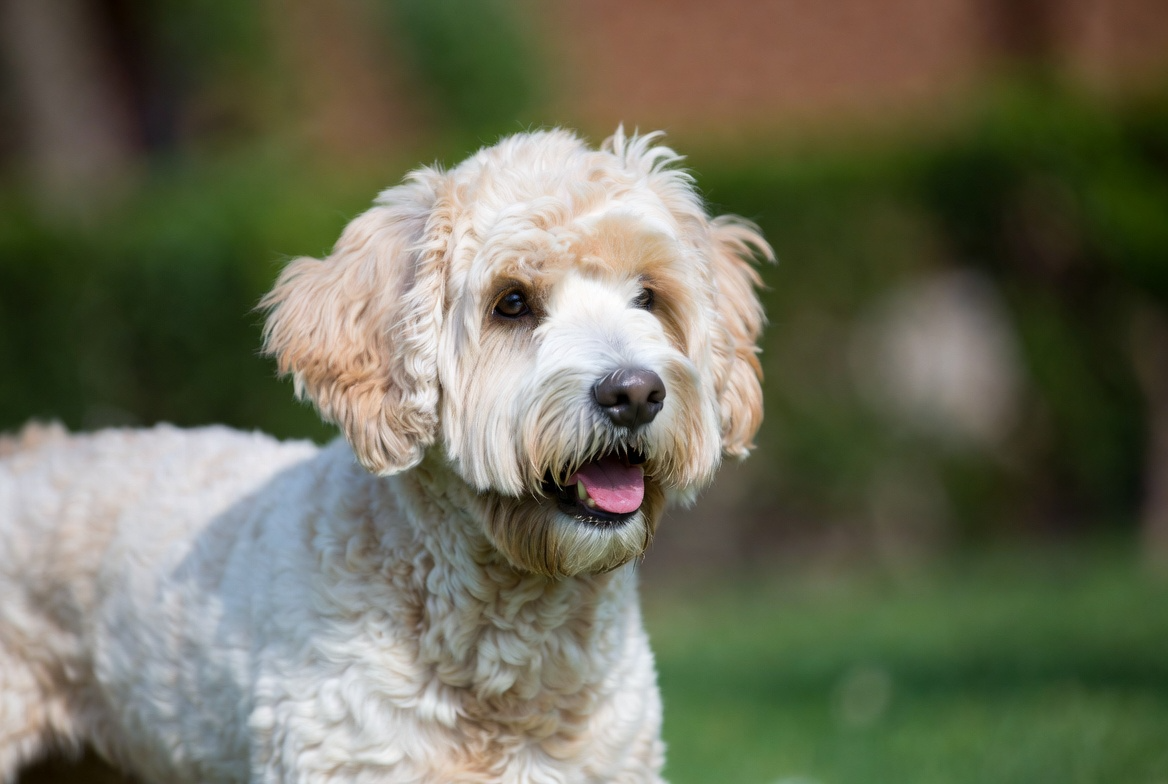
Are poodle mixes as low-shedding as purebred Poodles?
It depends on the individual dog and the other parent breed. Some “Doodles” shed more than expected. Meet the parents and the specific puppy whenever possible.
Which size works best for apartments?
Miniature and Toy Poodles, Bichons, Maltese, and smaller Schnauzers adapt well to smaller spaces as long as their exercise and mental needs get met.
Related Articles:
- Dog Skin Allergies: Causes, Symptom
- 5 Best CBD Oils for Anxious Dogs
- The Ultimate Guide to Dog First Aid
Pick the Coat That Matches Your Tolerance and Schedule
The best low-shedding breeds give allergy sufferers and neat freaks a realistic path to dog ownership, but they demand consistent grooming in return. Poodles lead the pack for most people, followed by Bichons, certain terriers, water dogs, and the hairless options. Be honest about the time and money you will spend on coat care, meet individual dogs to test your reactions, and choose the personality that fits your household. Do that and you can enjoy the companionship without living under a permanent layer of fur.