
Your dog will not stop scratching, licking paws raw, or shaking their head. Skin allergies turn a happy pup into an itchy mess, and the cause is not always obvious. Pinpointing the trigger and building a solid management plan makes a huge difference in comfort.
The Three Main Culprits Behind Dog Skin Allergies
Most itchy dogs fall into one of three categories. Flea allergy dermatitis tops the list for many. Even one flea bite can set off intense itching that lasts for weeks because the dog reacts to the flea’s saliva.
Environmental allergies (atopic dermatitis) come next. Pollen, dust mites, mold spores, and other airborne particles trigger an overactive immune response. These often start seasonally and can become year-round.
Food allergies round out the big three. Common protein triggers include beef, chicken, dairy, and eggs. Grains get blamed a lot, but proteins cause more reactions. Food allergies usually produce non-seasonal itching and sometimes digestive upset too.
Some dogs deal with more than one type at once. That is when things get especially frustrating.
Spotting the Symptoms Early
The classic sign is relentless itching. Dogs chew their feet, rub their faces, scratch behind the ears, or scoot on the carpet. You may notice red skin, hair loss, brown staining on light fur from saliva, or moist hot spots that appear overnight.
Ear infections show up frequently—head shaking, odor, or dark discharge. Secondary bacterial or yeast infections thrive on damaged skin and make the itch even worse. Chronic cases can lead to thickened, darkened skin.
If the itching is worse in spring and fall, environmental allergens are likely players. Year-round symptoms lean more toward food or fleas.
- Watch for excessive licking or chewing of paws.
- Check for redness on the belly, armpits, and ears.
- Note any musty odor or recurring ear problems.
- Look for hair loss or hot spots after intense scratching.
Getting a Proper Diagnosis
Guessing rarely works. Your veterinarian will rule out parasites, infections, and other skin diseases first. They may recommend skin scrapings, cytology, or cultures.
For suspected food allergies, an elimination diet trial is the gold standard. Your dog eats a novel or hydrolyzed protein diet for 8–12 weeks with zero other treats or flavored meds. Then you challenge with previous ingredients to confirm the trigger.
Allergy testing (blood or intradermal) helps identify environmental allergens and guides immunotherapy, but it does not diagnose food allergies reliably.
Never start random supplements or over-the-counter remedies without a clear diagnosis. You can waste months and money while the itch continues.
Effective Remedies and Management Strategies
Treatment is usually multimodal. Strict year-round flea prevention is non-negotiable for every itchy dog. Modern oral or topical preventives stop the flea cycle before it starts.
For food allergies, stick to the prescription novel or hydrolyzed diet long-term once you identify the culprit. No cheating with table scraps.
Environmental allergies respond well to several options:
- Apoquel or Cytopoint for fast itch relief
- Allergen-specific immunotherapy (allergy shots or drops) for long-term control
- Medicated shampoos and topical sprays to soothe and cleanse
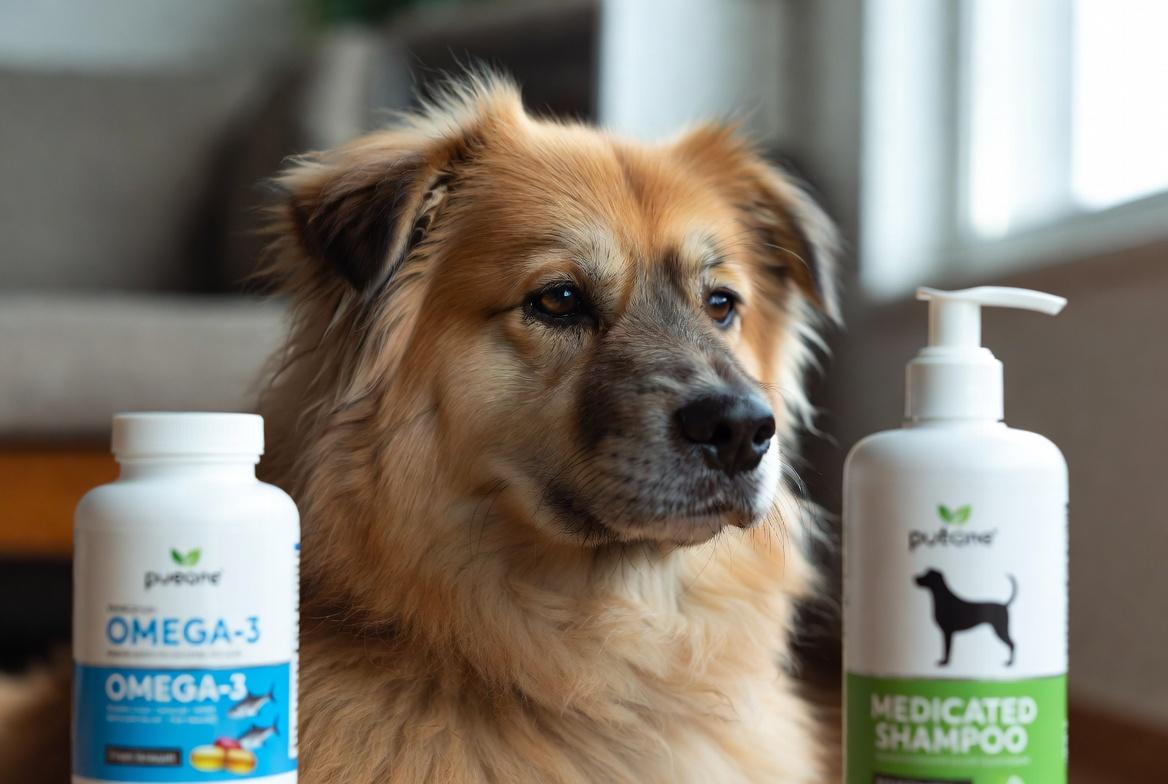
- Omega-3 fatty acid supplements to support the skin barrier
Steroids work quickly but carry more side effects with long-term use. Your vet will help weigh the options based on severity and your dog’s overall health.
Wipe paws after walks during pollen season. Wash bedding regularly in hot water. Consider an air purifier if dust mites are a big factor.
Supporting the Skin Barrier
Healthy skin resists allergens better. Regular bathing with gentle, veterinary-recommended shampoos removes allergens from the coat. Some dogs benefit from leave-on conditioners or spot treatments for hot spots.
Omega-3s from fish oil remain one of the most useful daily supports. They help reduce inflammation and improve coat quality over time.
What You Can Do at Home While Waiting for Results
Keep nails trimmed so scratching causes less damage. Use an Elizabethan collar if your dog is creating open wounds. Cool compresses or colloidal oatmeal soaks can offer temporary relief for hot spots.
Track symptoms in a simple notebook or phone note—when the itch is worse, what the weather is like, any diet changes. That information helps your vet tremendously.
Avoid human antihistamines or creams unless your veterinarian specifically recommends a dose and product. Many human products are unsafe or ineffective for dogs.
FAQ’s
Can dog skin allergies be cured completely?
Most environmental allergies are lifelong, but they can be managed very well. Food allergies improve dramatically once you remove the trigger. Flea allergy becomes a non-issue with consistent prevention.
How long does an elimination diet take?
Expect 8–12 weeks of strict feeding before you know if food is the problem. Reintroducing old foods one at a time confirms the specific allergen.
Are grain-free diets the answer for itchy dogs?
Not usually. Most food allergies involve proteins, not grains. Grain-free diets have also been linked to heart issues in some dogs, so they are not a default solution.
When should I rush my dog to the vet for skin issues?
Go promptly if you see open sores, severe swelling, lethargy, loss of appetite, or if the itching is so intense the dog cannot sleep or settle.
Do probiotics or special shampoos really help?
They can support overall skin and gut health as part of a bigger plan. They rarely solve allergies on their own.
Related Articles:
- Labrador Retriever: The Ultimate Care Guide
- German Shepherd Care and Training Guide
- French Bulldog 101: Care, Health & Training
Take Control of the Itch
Dog skin allergies are common, frustrating, and very manageable once you identify the main drivers. Start with a veterinary visit, lock down flea prevention, and follow through on diet trials or medications as recommended. Consistent care turns constant scratching into occasional mild flares that you can handle. Your dog will feel better, sleep better, and stop turning every walk into a licking session. The sooner you start, the sooner both of you get relief.