Most dog people can rattle off Labs, Goldens, and Frenchies without thinking. These ten breeds barely register even among enthusiasts. They come from remote regions, odd jobs, and centuries of isolation, which is exactly why almost no one recognizes them at the park.
The Ones With Impossible Body Parts
Some rare breeds look like nature got creative. The Norwegian Lundehund stands out immediately. This small spitz-type dog has six toes on each foot, an extremely flexible neck that bends backward to touch its spine, and ears that fold shut. Breeders originally used them to hunt puffins on steep cliffs in Norway. Today the population stays tiny and highly protected.
Then there’s the Catalburun, a Turkish pointer with a dramatic split nose. The double nose supposedly improves scenting ability. These dogs remain almost unknown outside Turkey and a handful of dedicated hunters. They look like a classic pointer until you notice the nose and do a double-take.
Both breeds need experienced owners. The Lundehund carries serious digestive issues in many lines, and the Catalburun requires an active hunting or sport outlet.
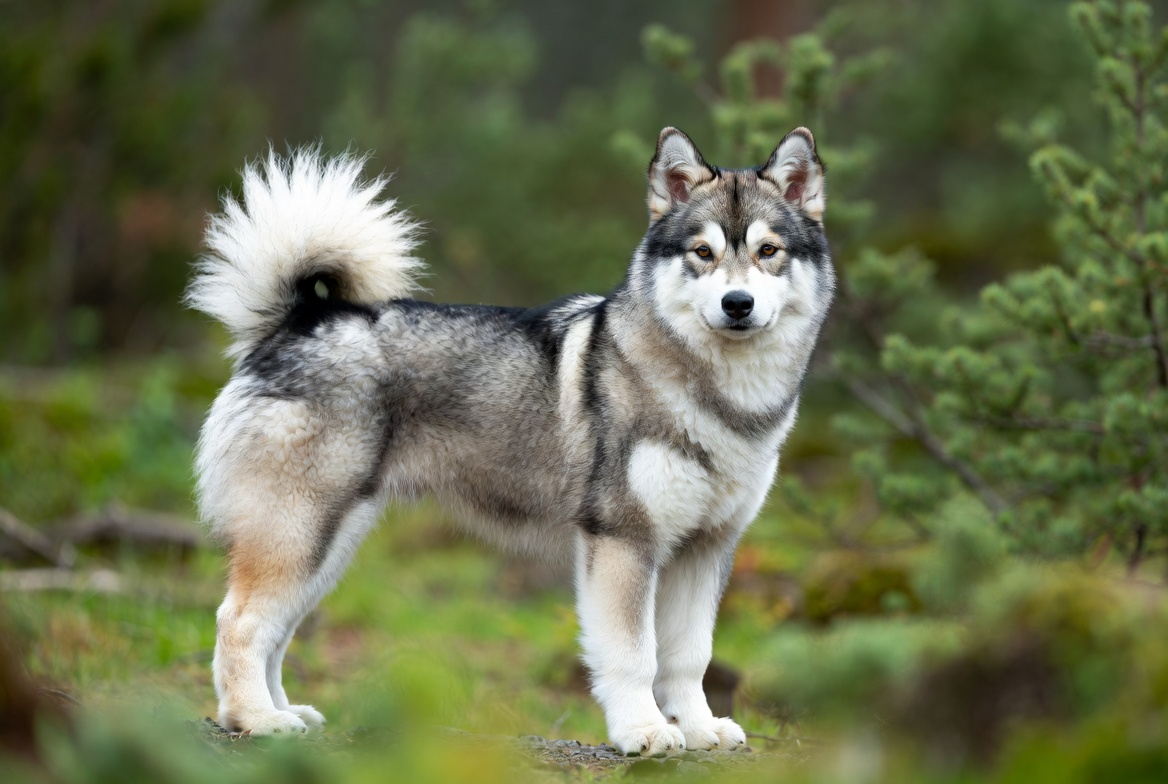
Tall, Lean, and Built for Distance
The Azawakh looks like a sighthound stretched by a desert wind. Originating with nomadic tribes in West Africa, these dogs are extremely elegant, reserved with strangers, and capable of covering vast distances in extreme heat. They bond tightly with their people but rarely act like typical affectionate pets.
A close cousin in rarity is the Cirneco dell’Etna from Sicily. This small, elegant hunting dog has existed for thousands of years around Mount Etna. They stay light, athletic, and independent. Most people mistake them for a small Pharaoh Hound or mixed sighthound at first glance.
Both breeds demand secure fencing and an owner who understands primitive sighthound behavior. They are not for first-time dog owners who want a Velcro companion.
Working Dogs That Almost Disappeared
The Otterhound once specialized in hunting otters across British rivers. When otter hunting ended, the breed nearly vanished. These large, shaggy, boisterous hounds still exist in very small numbers. They bring huge personalities, webbed feet, and a coat that turns into a muddy disaster after every adventure.
The Chinook tells a different American story. Developed in New Hampshire as a sled dog, this breed combines power, endurance, and a strikingly handsome tawny coat. Numbers dropped critically low before dedicated breeders stepped in. Chinooks stay gentle with families yet retain strong working drive.
Both need space, exercise, and owners prepared for a breed that never became trendy.
- Otterhound: large, scruffy, water-loving
- Chinook: medium-large, tawny, sled-dog heritage
- Both remain extremely rare in most countries
The Ridge and the Flocks
The Thai Ridgeback carries a distinctive ridge of hair growing in the opposite direction along its back. Muscular, independent, and originally used for hunting and guarding in Thailand, these dogs stay uncommon outside Southeast Asia and a small international following. They need firm, experienced handling and plenty of exercise.
Then comes the Bergamasco Shepherd. This Italian herding breed grows long, felted flocks of hair that look like dreadlocks. The coat protects them from Alpine weather and predators. Grooming involves separating the flocks rather than brushing them out. Most people have never seen one in person, which is a shame—the expression and presence are unforgettable.
These two breeds prove that function still shapes form in remote working populations.
Primitive and Nearly Wild
The New Guinea Singing Dog sits closer to wild canids than most domestic breeds. They produce a distinctive yodel-like vocalization and retain many primitive traits. True purebreds remain incredibly rare and often live in conservation or research settings rather than typical homes.
The Mudi from Hungary offers a more practical rare option. This versatile herding and farm dog comes in several coat colors and patterns, stays medium-sized, and brings sharp intelligence. Numbers stay low outside Central Europe, yet the breed adapts well to active homes that provide jobs and training.
IMO, the Mudi deserves far more attention than it currently receives. It combines rarity with real-world usability better than many of the more extreme breeds on this list.
- Norwegian Lundehund – six toes and extreme flexibility
- Catalburun – dramatic split nose
- Azawakh – desert sighthound elegance
- Cirneco dell’Etna – ancient Sicilian hunter
- Otterhound – nearly extinct water hound
- Chinook – rare American sled dog
- Thai Ridgeback – ridged guardian and hunter
- Bergamasco – flocked Alpine herder
- New Guinea Singing Dog – primitive vocalist
- Mudi – versatile Hungarian farm dog

FAQ’s
Why are these breeds so rare?
Most developed for very specific jobs in isolated regions. When those jobs disappeared or modern breeds became more popular, numbers crashed. Small gene pools and limited international breeding keep them uncommon.
Are rare breeds harder to own?
Often yes. Health testing data can be limited, finding a responsible breeder takes serious effort, and some retain strong primitive or working instincts that need experienced handling.
Do any of these make good family dogs?
Chinooks and Mudis generally adapt well to family life with proper training and exercise. Many of the others stay more reserved, independent, or intense and suit quieter or more experienced homes better.
Where can someone actually find one?
Specialty breed clubs, national kennel club rare-breed lists, and dedicated preservation breeders. Expect waiting lists, thorough interviews, and higher prices than common breeds.
Should I choose a rare breed just because it’s unusual?
Only if the temperament, energy level, and care requirements genuinely fit your life. Rarity alone makes a poor reason to bring home a dog.
Related Articles:
- 7 Superfoods for Dogs (and 3 to Avoid)
- The Best Dog Grooming Routine for Every Coat Type
- How to Give Your Dog a Pill Without Stress
Rarity Does Not Equal Better
These ten breeds prove how much diversity still exists beyond the popular twenty. Some offer unique working ability, striking looks, or living links to ancient dog populations. Others carry health challenges and strong instincts that demand respect. If one of them truly matches your experience level and lifestyle, the search can be rewarding. If not, plenty of wonderful common breeds still make excellent companions without the extra difficulty of rarity. Choose the dog, not the novelty.