
Your dog deserves better than plain kibble every single day. A few real-food additions pack serious nutrition and make mealtime more interesting. Here are seven superfoods that consistently earn praise from vets and owners, plus three common items you should never share.
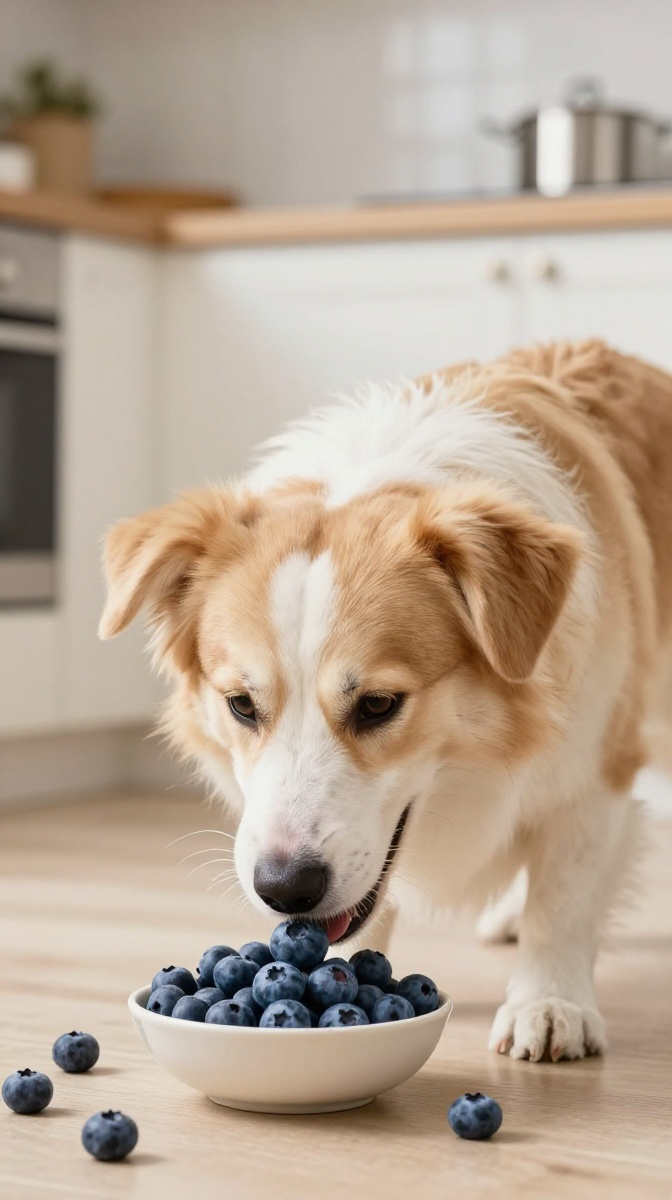
1. Blueberries
These little berries deliver antioxidants that help fight cell damage. They are low-calorie, high in fiber and vitamin C, and most dogs love the sweet burst. Toss a small handful into food or use them as training treats.
Frozen blueberries work especially well on hot days. Start with just a few to make sure your dog’s stomach handles them.
2. Pumpkin
Plain canned pumpkin (not pie filling) is a digestion hero. The fiber helps firm up loose stools and can ease mild constipation. It also provides beta-carotene and moisture.
A spoonful mixed into food often settles an upset stomach. Many owners keep a can in the pantry for exactly those moments.
Always choose 100% pure pumpkin with no added sugar or spices.
3. Carrots
Crunchy, low-calorie, and naturally sweet, carrots make excellent chews. They support dental health through mechanical cleaning and supply vitamin A. Raw or lightly steamed both work.
Baby carrots or carrot sticks serve as satisfying treats for dogs that need to lose a little weight. Just do not overdo it—too many can loosen stools.
4. Sweet Potatoes
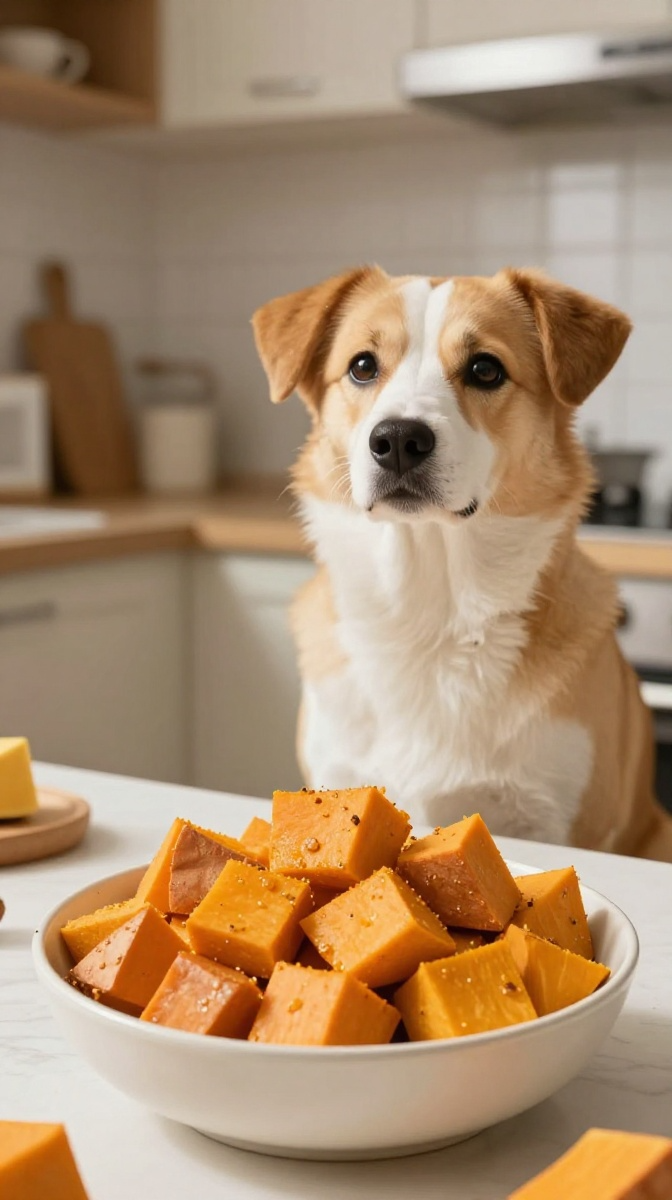
Cooked sweet potatoes offer fiber, vitamins A and C, and complex carbohydrates for steady energy. They are gentle on most stomachs and pair well with regular food.
Mash or cube them after baking or boiling—never feed them raw in large amounts. The natural sweetness makes them a favorite topper.
5. Eggs
Scrambled or hard-boiled eggs provide high-quality protein, fatty acids, and vitamins. They support muscle maintenance and give the coat a nice boost.
Cook them plainly without oil, salt, or seasoning. One egg a couple of times a week is plenty for most medium dogs. Some dogs tolerate raw eggs, but cooking reduces any salmonella risk.
6. Salmon (or Other Fatty Fish)
Cooked salmon delivers omega-3 fatty acids that support skin, coat, joints, and brain health. The anti-inflammatory benefits show up over time in many dogs with itchy skin or stiffness.
Serve it plain and fully cooked. Remove all bones. A small portion once or twice a week works well. Fish oil supplements offer a convenient alternative if fresh fish is not practical.
7. Plain Greek Yogurt
Unsweetened, plain Greek yogurt supplies probiotics that support gut health plus calcium and protein. Many dogs enjoy it as a creamy topper or frozen treat.
Choose varieties with no artificial sweeteners or flavors. Start with a small spoonful to confirm tolerance—some dogs are sensitive to dairy.
How to Add Superfoods Safely
Introduce one new food at a time in small amounts. Watch for any digestive upset over 24–48 hours. These foods should stay in the treat or topper category—keep them under 10% of the daily calories so the main diet stays balanced.
- Start with a tiny portion.
- Mix into regular food or offer as a separate treat.
- Monitor stool quality and energy.
- Increase gradually if everything looks good.
3 Foods You Must Avoid
Some human foods are genuinely dangerous.
Grapes and raisins can cause sudden kidney failure in dogs. Even small amounts have led to serious problems. No safe dose exists, so keep them completely out of reach.
Xylitol (found in many sugar-free gums, candies, peanut butters, and baked goods) triggers a rapid insulin release that can drop blood sugar to dangerous levels and damage the liver. Always read labels.
Onions, garlic, and related alliums damage red blood cells and can lead to anemia. The effect builds up over time, so even small repeated amounts are risky. This includes powdered forms in broths and seasonings.
Chocolate belongs on the avoid list too, but the three above catch many owners off guard.
FAQ’s
How much of these superfoods can I give my dog?
Keep total extras under 10% of daily calories. A few blueberries, a spoon of pumpkin, or a couple of carrot sticks are plenty for most dogs.
Can I feed these every day?
Yes, in moderation. Rotate them so your dog gets variety without overdoing any single item.
Are frozen versions okay?
Absolutely. Frozen blueberries or yogurt cubes make great summer treats and can help with teething discomfort in puppies.
What if my dog has a sensitive stomach?
Introduce even more slowly and stick to the gentlest options first—pumpkin and cooked sweet potato are usually well tolerated.
Do I need to buy organic?
It is a nice bonus when budget allows, but thoroughly washed conventional produce is still beneficial. The bigger priority is avoiding the toxic foods entirely.
Related Articles:
- The Best Dog Grooming Routine for Every Coat Type
- How to Give Your Dog a Pill Without Stress
- Dog Skin Allergies: Causes, Symptoms, and Remedies
Small Additions, Big Benefits
Blueberries, pumpkin, carrots, sweet potatoes, eggs, salmon, and plain yogurt give your dog extra nutrients and variety without complicating the main diet. Steer clear of grapes, xylitol, and allium family vegetables to avoid serious trouble. A little real food keeps meals interesting and supports overall health when you use it thoughtfully. Talk to your vet if your dog has specific health conditions, then start adding one or two of these superfoods this week. Your dog will probably think you are the best chief in the house.