
Hot spots show up like uninvited guests—one day the skin looks fine, the next it is red, oozing, and driving your dog crazy. These painful patches spread fast when moisture and licking team up. Stopping them before they start is far easier than treating a full-blown mess.
Know the Usual Triggers
A hot spot almost always begins with an itch or irritation. Your dog licks or chews the spot, moisture builds, bacteria multiply, and the lesion expands within hours. Fleas, allergies, damp fur after swimming, ear infections, or even boredom can set the whole thing off.
Thick coats and humid weather make the problem worse because they trap heat and moisture against the skin. Dogs that love water or live in sticky climates need extra vigilance. Once you remove the itch and the dampness, hot spots lose their favorite conditions.
Master the Art of Drying
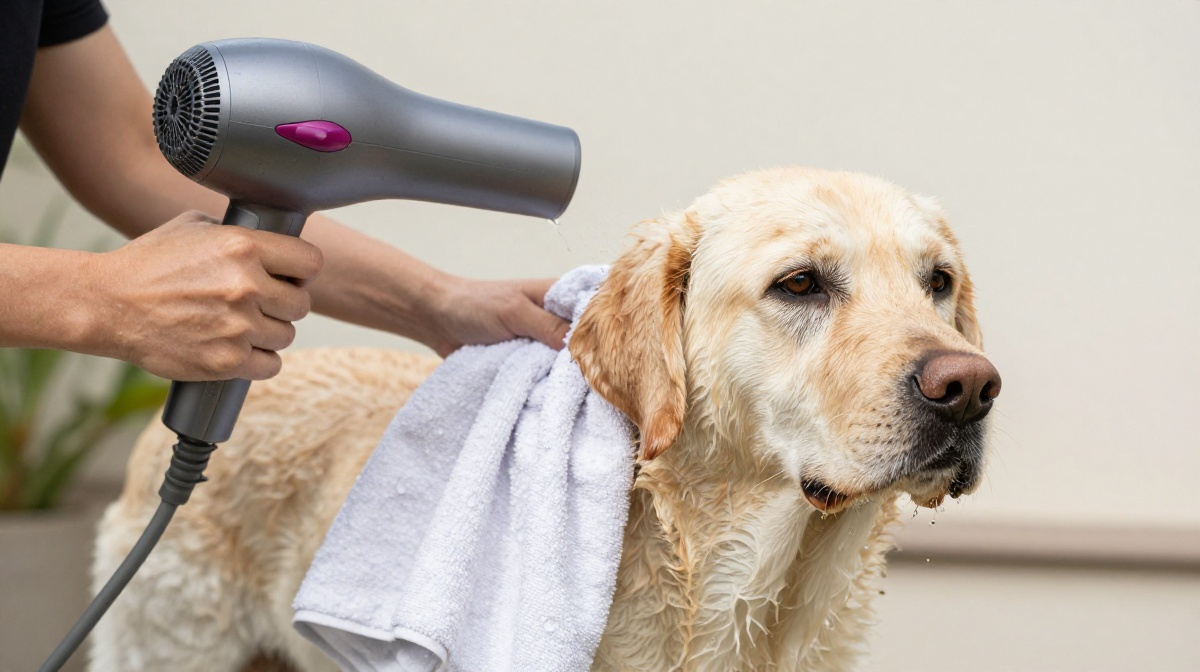
Moisture is the number-one controllable factor. After every swim, bath, or rainy adventure, towel the surface coat and then move air through the undercoat. A blow dryer on the cool setting works especially well for double-coated breeds.
Mats hold water like a sponge, so brush them out regularly. During heavy shedding, increase brushing so the undercoat does not compact and stay damp. A shorter summer trim on long-coated dogs improves airflow without removing the coat’s natural protection.
Never let a wet dog sit in a warm crate or sunny spot to “air dry.” That is an open invitation for trouble.
Shut Down the Itch Sources
Year-round flea prevention removes one of the most common starters. Even a single flea bite can launch an intense scratch-and-lick cycle in sensitive dogs.
Get allergies under control. Food, pollen, or environmental triggers keep the skin itchy and the tongue busy. Partner with your vet on the right plan—medication, diet trial, or immunotherapy—so the itch never gains momentum.
Check ears every week. Infections cause head shaking and scratching that frequently create hot spots on the neck and face. Clean and treat them early instead of waiting for the secondary skin problem.
Turn Grooming into Prevention
Regular hands-on grooming is your best early-warning system. While you brush, run your fingers over the skin and feel for heat, dampness, or tenderness. Catching a tiny irritated patch lets you dry it and protect it before it becomes a full hot spot.
Pay extra attention to the classic zones: under the ears, around the neck, the hips, the base of the tail, and any skin folds. Dogs with wrinkles need consistent cleaning and drying in those areas.
Keep nails trimmed so any scratching does less damage. Grooming time also lets you remove pollen, dirt, and debris that can irritate the skin.
- Brush and inspect the skin several times a week.
- Dry the coat completely after every wetting.
- Maintain strict year-round flea control.
- Manage allergies and ear issues promptly.
- Redirect excessive licking with toys or activity.
Break the Licking Habit
Some dogs lick from boredom or mild stress. Extra walks, puzzle feeders, and short training games give them better outlets. If you catch repeated licking of one area, interrupt it and offer a toy or a quick training session instead.
A soft recovery collar or suit can protect a suspicious spot overnight while you monitor it or check with the vet.
Recognize When You Need the Vet
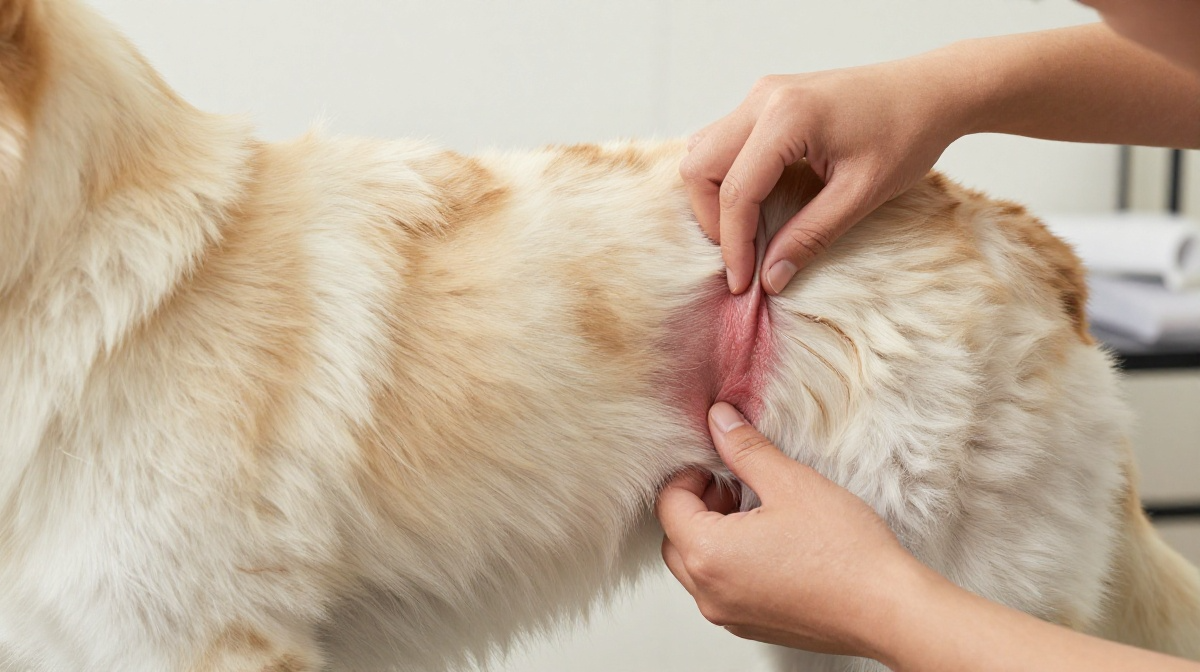
A tiny early spot may settle with thorough drying and an e-collar. Anything larger than a coin, heavily oozing, painful, or spreading needs professional care. Your vet can clip the hair, clean the area properly, and prescribe the right medication while looking for the underlying cause.
Recurring hot spots almost always signal an ongoing issue that needs diagnosis. Treating only the surface lets the cycle continue.
FAQ’s
How fast can a hot spot grow?
They can expand from a small irritated patch to a large infected lesion in just a few hours. That speed is why early detection and immediate action matter.
Which breeds get hot spots more often?
Thick-coated and water-loving breeds such as Labs, Goldens, and Newfoundlands see them more frequently, but any dog can develop one when moisture and itch combine.
Can I treat a small hot spot at home?
Very early ones sometimes respond to cleaning, drying, and preventing licking. Anything painful or spreading needs veterinary attention. Incorrect home remedies can make the problem worse.
Will a diet change help prevent them?
If food allergies drive the itching, an elimination diet guided by your vet can remove the trigger. Not every dog with hot spots has a food allergy.
Is it okay to shave around a hot spot myself?
Your vet or a professional groomer can safely clip the area to improve airflow. Trying it at home on a painful spot often increases stress and risk.
Related Articles:
- Senior Dog Care: 10 Tips for a Happy Golden Years
- How to Prevent Hot Spots on Dogs
- 7 Superfoods for Dogs (and 3 to Avoid)
Prevention Is the Real Cure
Hot spots love moisture, itch, and unchecked licking. Dry your dog thoroughly, brush and inspect regularly, keep flea protection current, and manage any underlying allergies or ear problems. These simple habits turn a common painful problem into a rare event. Stay consistent and you will spend far less time dealing with angry red patches and far more time enjoying a comfortable, itch-free dog.