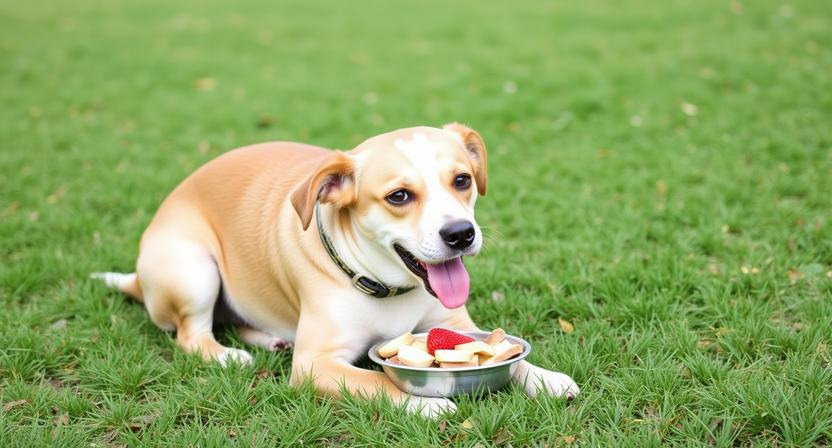
Your senior dog’s face might be sporting more silver than gold these days, but that doesn’t mean the fun has to stop. Those slower walks and deeper sighs just mean it’s time to level up your care game. Golden years can still feel like pure magic if you make a few smart adjustments. Ready to give your old pal the VIP treatment they earned?
Catch the Aging Clues Before They Become Problems
Senior dogs don’t send calendar invites announcing their new life stage. One day they’re chasing squirrels, the next they’re hesitating on the stairs. Watch for the quiet changes: more time spent sleeping, stiffness after naps, or that slightly confused look when you call them from another room.
Gray fur around the muzzle and eyes is the classic giveaway, but pay closer attention to mobility and appetite. A dog who once inhaled dinner might start leaving kibble behind. Joints that once powered zoomies now need a little extra support. Catch these shifts early and you can tweak routines before small issues turn into bigger ones.
IMO, the biggest mistake people make is waiting for the “big” symptoms. Your dog’s body is talking the whole time—you just have to listen harder. Keep a simple notebook of weekly observations so patterns jump out faster.
Feed the Senior Engine the Right Fuel
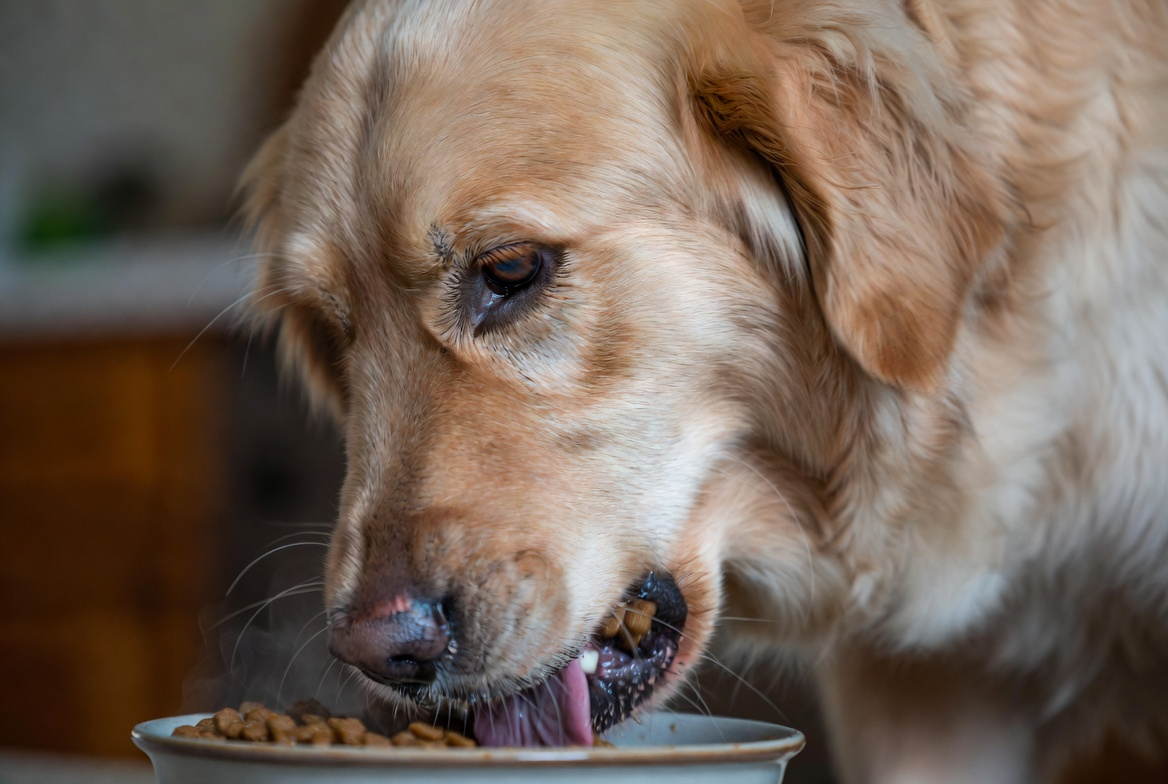
That same bag of adult dog food you bought for years? It might not cut it anymore. Senior dogs often need fewer calories but more high-quality protein to protect muscle mass. Look for formulas labeled for senior or mature dogs—they usually pack joint-supporting ingredients like glucosamine and omega-3s.
Portion control becomes non-negotiable. Extra weight puts serious pressure on already aging joints. If your dog has slowed down, drop the free-feeding routine and measure meals. Some seniors also benefit from smaller, more frequent meals if digestion slows.
Watch for dental issues too. Painful teeth can make chewing a chore, so softer food or gently warmed wet food sometimes works wonders. Always check with your vet before major diet switches—especially if your dog has kidney or heart concerns.
Simple Diet Upgrades Worth Trying
- Add a spoonful of plain pumpkin for gentle fiber
- Switch to elevated bowls if neck arthritis is an issue
- Consider joint supplements after veterinary approval
- Keep fresh water stations in multiple rooms so they never have to travel far
- Warm food slightly to boost aroma and interest
FYI, many senior dogs get pickier with age. Mixing a bit of low-sodium broth or a spoon of plain yogurt can turn a boring meal into something they actually look forward to.
Move Smart, Not Hard
Exercise still matters—maybe more than ever. The goal shifts from burning energy to keeping joints lubricated and muscles engaged. Short, frequent walks beat one long exhausting trek every single time.
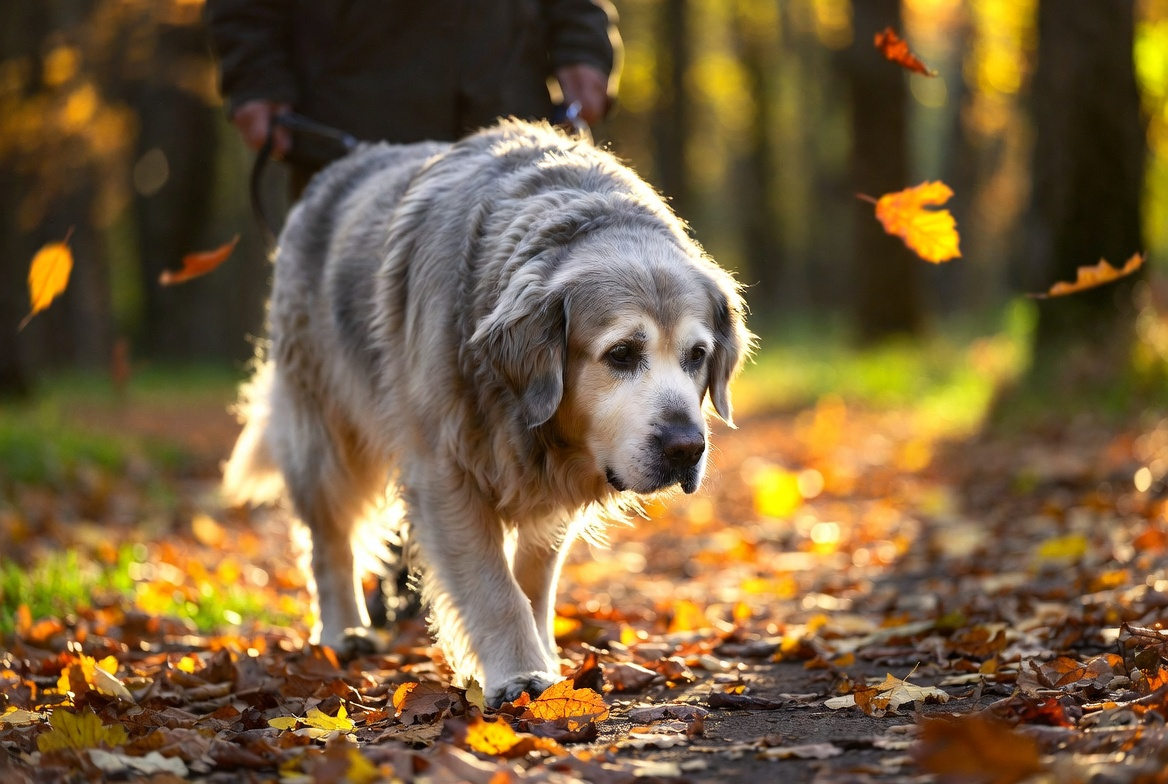
Swap high-impact play for gentle activities. Swimming (if your dog likes water) is joint-friendly gold. Slow leash walks on soft grass or dirt paths work better than concrete. Mental enrichment counts as exercise too—sniff walks where they set the pace are pure therapy for senior brains.
Watch for signs you’ve overdone it: lagging behind, heavy panting that lasts too long, or stiffness the next morning. Rest days are part of the plan now. Your dog will thank you for the gentler rhythm.
Low-Impact Movement Ideas
- Five-to-ten-minute sniff walks twice a day
- Gentle indoor fetch with a soft toy
- Slow stair practice if mobility allows (one step at a time)
- Balance exercises on a soft cushion under veterinary guidance
- Short car rides to new sniffing spots for mental variety
Never force a long hike just because “they used to love it.” Respect the new pace and you’ll both enjoy the time outside more.
Make the Vet Your Teammate, Not Just a Crisis Contact
Twice-yearly checkups become standard once your dog hits senior territory. Bloodwork can catch kidney, liver, or thyroid changes long before symptoms appear. Discuss pain management early—many dogs hide discomfort until it’s advanced.
Ask about arthritis care, dental cleanings under anesthesia risk assessments, and whether your dog needs adjusted medications. Senior dogs often process drugs differently, so dosages that worked at age five might need tweaking at age twelve.
Don’t skip the conversation about quality of life. Your vet can help you track mobility, appetite, and overall comfort so you both stay on the same page as needs evolve. Bring a list of questions every visit—you’ll walk out feeling more in control.
Turn Your Home into a Senior Dog Spa
Hard floors and high beds become obstacle courses. Orthopedic dog beds with memory foam support tired joints better than thin cushions. Place them in favorite spots so your dog doesn’t have to choose between comfort and being near the family.
Add non-slip rugs or yoga mats on slick surfaces. Ramps or short steps help with couches and cars. Night lights in hallways prevent disoriented midnight wandering. Keep food, water, and potty access easy—some seniors simply can’t hold it as long or walk as far.
Temperature matters more too. Older dogs regulate body heat less efficiently. A cozy sweater on chilly days or a cooling mat in summer can make a surprising difference in comfort levels. Small changes add up fast.
One more tip that often gets overlooked: raise the food and water bowls a few inches. Less bending means less strain on the neck and shoulders. Your dog’s body will notice the difference even if they don’t say thank you.
Keep That Brilliant Brain Busy
Physical slowdown doesn’t mean mental slowdown has to follow. Puzzle toys, scent games, and short training sessions keep cognitive function sharper longer. Even teaching a new simple trick or refreshing old ones gives purpose and confidence.
Rotate toys so novelty stays high. Hide treats around the house for short “search missions.” Talk to your dog during the day—yes, out loud. Many seniors light up when they hear familiar voices and routines.
Social time still counts. Calm visits with trusted dog friends or gentle human company can lift mood more than you might expect. Isolation accelerates decline faster than almost anything else. A ten-minute visit from a calm neighbor or grandkid can brighten an entire afternoon.
Watch for signs of cognitive decline: staring at walls, getting stuck in corners, or forgetting the potty routine. Early mental enrichment makes a real difference in how long that sharp personality stays sharp.
FAQ’s
At what age is my dog officially a senior?
Most dogs enter senior years around age seven, but larger breeds often age faster and may hit that stage closer to five or six. Small breeds can stay youthful longer. Focus on individual signs rather than the calendar. Your vet can help you pin down the right timeline for your specific dog.
Should I stop walks completely if my dog has arthritis?
Almost never. Controlled movement actually helps joints stay more comfortable. Switch to shorter, softer-surface walks and add rest days. Complete inactivity usually makes stiffness worse. Ask your vet about gentle physical therapy options too.
Is it normal for senior dogs to sleep more?
Yes—many sleep 16 to 18 hours a day. As long as they still show interest in food, people, and short activities when awake, extra sleep is usually fine. Sudden extreme lethargy, though, deserves a vet visit right away.
How do I know when it’s time for more serious pain management?
Watch for reluctance to jump, difficulty rising, limping that doesn’t improve with rest, or changes in personality. Your vet can assess and discuss options ranging from supplements to prescription pain relief. Early treatment keeps them comfortable longer.
Can senior dogs still learn new things?
Absolutely. They might need more patience and higher-value treats, but many seniors thrive on learning simple new cues or games. Mental engagement is one of the best gifts you can give. Keep sessions short and upbeat.
What about nighttime restlessness?
Some senior dogs get a bit more restless after dark. A consistent bedtime routine, a comfortable orthopedic bed, and a night light in the hallway often help. If it becomes extreme, talk to your vet—pain or cognitive changes can show up as nighttime pacing.
Related Articles:
- 10 Best Dog Breeds for Families with Kids
- Best Small Dog Breeds for Apartments
- 10 Warning Signs of Cancer in Dogs
The Best Years Can Still Be Ahead
Senior dog care isn’t about slowing everything down until life feels smaller. It’s about matching your dog’s new pace with smarter support so those quieter years stay full of comfort, connection, and the occasional tail wag that still lights up a room. You’ve already given them a great life—now make the golden years shine just as bright.
Pay attention, stay flexible, and keep showing up with patience and a little humor. Your old friend still has plenty of love left to give. And honestly? Those soft eyes and slow-wagging tails might just become your favorite part of the whole journey.