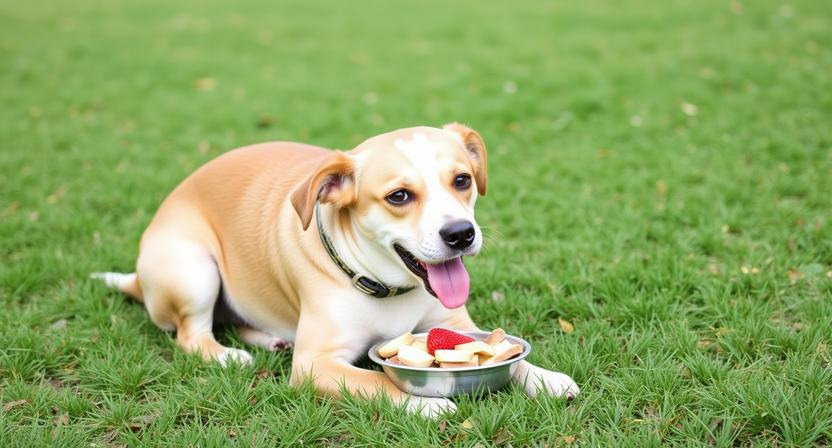
Summer heat hits dogs harder than most owners realize. Those thick coats and zero sweat glands turn a sunny afternoon into a real risk zone. You can still enjoy the season together—you just need a smarter game plan. Here’s how to keep your pup safe, cool, and happy when the temperature climbs.
Know When the Heat Turns Dangerous
Dogs cool themselves mainly by panting. Once the air gets too hot and humid, that system starts to fail. Watch for heavy panting that doesn’t ease up, bright red gums, thick drool, or a sudden drop in energy. Those are early warning signs of overheating.
Brachycephalic breeds like bulldogs and pugs struggle even sooner because of their short airways. Senior dogs, puppies, and overweight pets also face higher risk. If the sidewalk feels hot under your hand after five seconds, it is already too hot for paws.
Never assume “they’ll be fine for a few minutes.” Heatstroke can escalate fast. Trust your gut and move them to shade or AC the moment something feels off.
Hydration Is Non-Negotiable
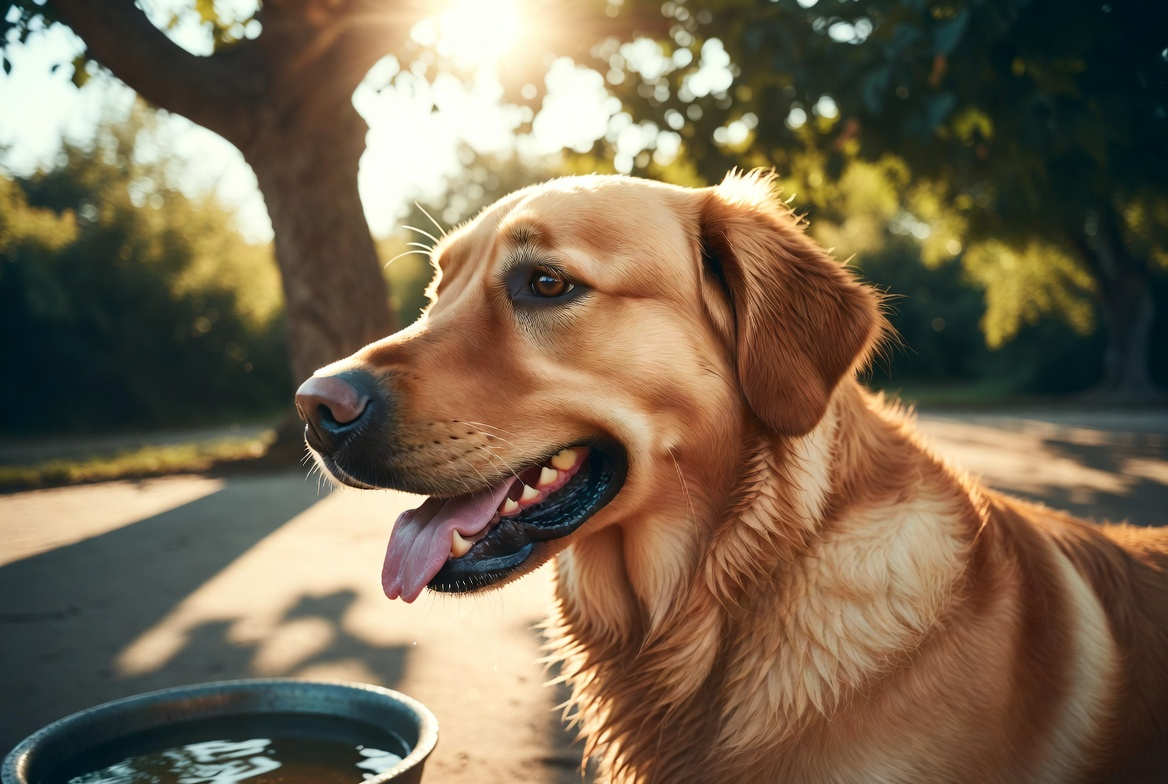
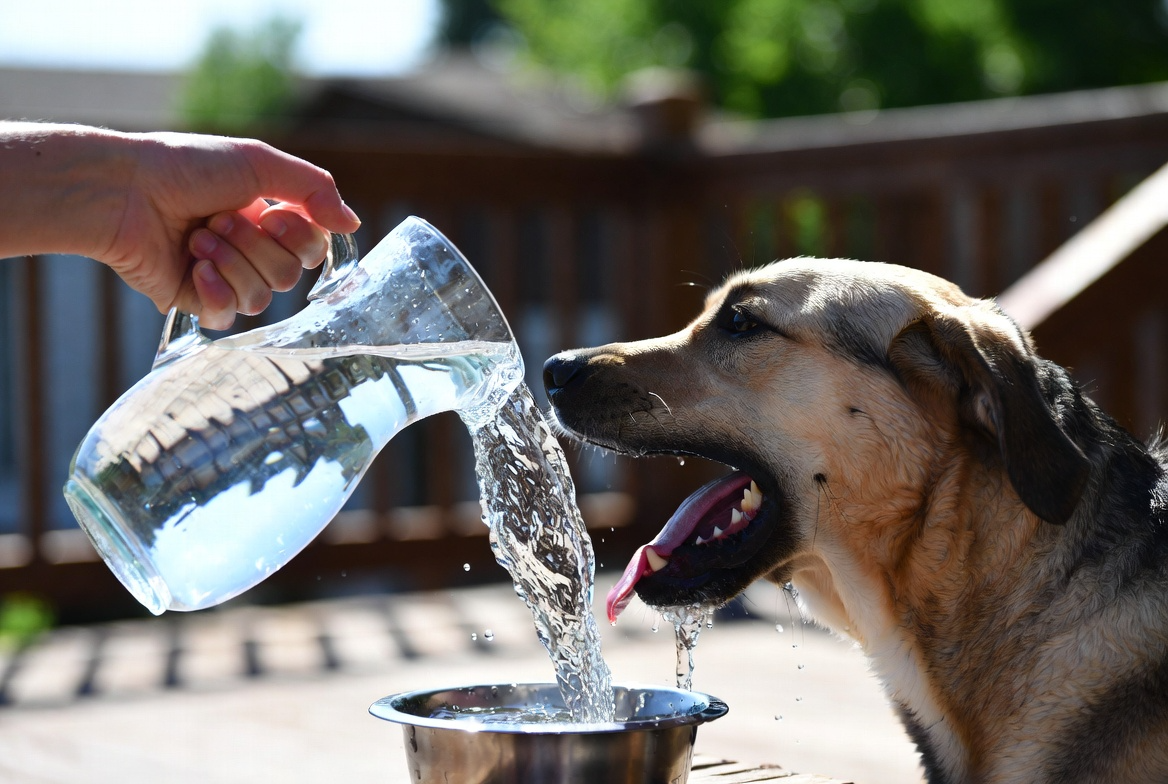
Fresh water needs to stay available every single hour outdoors. Carry a portable bowl and a full bottle on every walk. Dogs lose moisture through panting, so they need more fluids than usual in hot weather.
Skip the ice cubes in large amounts—some dogs gulp them and risk stomach upset. Cool (not ice-cold) water works better. If your dog ignores the bowl, try adding a splash of low-sodium broth to make it more tempting.
Check the water often. Bowls left in the sun heat up fast and can actually discourage drinking. Multiple stations around the yard or patio keep hydration easy and constant.
Quick Hydration Habits That Work
- Refill outdoor bowls every couple of hours
- Bring water on every outing, no matter how short
- Offer a few ice cubes only as a treat, not the main source
- Watch for reduced urine output—it can signal dehydration
FYI, some dogs prefer running water. A small outdoor fountain can encourage more drinking on scorching days.
Rethink Walk Times and Surfaces
Hot pavement burns paws in minutes. Asphalt can reach temperatures well above 140°F even when the air feels only warm. Stick to early morning or late evening walks when surfaces stay cooler.
Test the ground with the back of your hand. If you cannot hold it there for seven seconds, choose grass, dirt paths, or shaded trails instead. Booties help some dogs, but many refuse to wear them—practice at home first if you go that route.
Keep walks shorter and slower. Play fetch in short bursts rather than marathon sessions. Your dog would rather have three easy outings than one exhausting adventure that ends in distress.
Smarter Summer Walking Rules
- Walk before 9 a.m. or after 7 p.m. whenever possible
- Choose grass or shaded paths over blacktop
- Carry water and offer it midway through every walk
- Watch for limping or lifting paws—immediate stop signal
- Skip the midday “just a quick potty break” on hot concrete
IMO, the best summer walks feel almost boring by design. Cool, calm, and short beats exciting and risky every time.
Create Cool Zones at Home
Shade alone is not enough when the air stays sticky. Cooling mats, elevated beds, and damp towels give dogs real relief. Place them in the breeziest spots of the house or under trees in the yard.
A shallow kiddie pool with a few inches of water turns into a favorite hangout for many dogs. Supervise the fun and change the water regularly. Fans help move air across their bodies, but never point a strong fan directly at a wet dog for long periods.
Air conditioning remains the gold standard on extreme days. If you lack AC, focus on the coolest room in the house, close curtains during peak heat, and keep floors clear so dogs can sprawl on tile or wood.
Never leave a dog in a parked car—even with windows cracked. Interior temperatures soar within minutes and can become deadly fast. That “quick errand” is never worth the risk.
Grooming and Coat Care Matter More Than You Think
A well-brushed coat actually helps with cooling by allowing air to reach the skin. Mats and heavy undercoats trap heat. Regular brushing removes dead fur and improves airflow.
Avoid full shaves on double-coated breeds. Their coats provide insulation against both heat and sunburn. A tidy trim around the belly, paws, and sanitary areas can increase comfort without removing the protective layer.
Light-colored dogs still need sun protection on exposed skin. Pet-safe sunscreen on the nose, ears, and belly prevents painful burns during long outdoor time. Reapply according to the product instructions.
After swimming or play, rinse off chlorine or salt and dry thoroughly. Damp fur in humid weather can lead to skin irritation if left unchecked.
Spot Heatstroke and Act Fast
Heavy, continuous panting, bright red or pale gums, vomiting, diarrhea, or collapse demand immediate action. Move the dog to shade or AC right away. Offer small amounts of cool water if they can drink.
Apply cool (not ice-cold) water to the belly, armpits, and paw pads. Use wet towels that you refresh often. Do not cover them completely—trapped heat makes things worse. Get to a vet as soon as the dog stabilizes enough to travel.
Prevention beats emergency care every single time. Learn your dog’s normal panting pattern so you notice changes quickly. When in doubt, cool them down and call the clinic.
FAQ’s
How hot is too hot for a dog walk?
If the air temperature climbs above 85°F with high humidity, or if the pavement feels hot after five seconds under your hand, skip the walk or stick to shaded grass only. Early morning and late evening remain the safest windows.
Can I leave my dog outside with water and shade?
Shade and water help, but they are not enough on extreme heat days. Dogs still need the option to move into cooler indoor air. Leaving them outside unsupervised in high heat risks heatstroke even with good intentions.
Do dogs need sunscreen?
Yes—especially light-colored or thin-coated dogs. Apply pet-safe sunscreen to the nose, ear tips, and any sparsely furred areas before long sun exposure. Human sunscreen often contains ingredients that are toxic if licked.
Is it okay to shave my dog in summer?
Full shaves are usually a bad idea for double-coated breeds. Their coats protect against both heat and UV rays. A thorough brush-out and light trim around the body often provide better comfort without removing the natural insulation.
What should I do if my dog shows signs of heatstroke?
Move them to a cool area immediately. Offer small sips of water, apply cool water to the belly and paws, and head to the vet without delay. Do not wait to see if they “bounce back”—heatstroke can cause lasting organ damage.
Are cooling vests actually useful?
Many dogs benefit from well-fitted cooling vests or mats when used correctly. Wet the vest according to instructions and re-wet as needed. They work best as part of a bigger plan that includes shade, water, and limited activity.
Related Articles:
- How to Choose the Right Dog Insurance
- The Best Probiotics for Dogs with Digestive Issues
- How to Keep Your Dog Safe in the Summer Heat
Stay Cool and Keep the Fun Going
Summer does not have to mean constant worry. A few consistent habits—timing walks wisely, offering endless water, creating cool rest spots, and watching for early warning signs—let you and your dog enjoy the season without drama. Pay attention, stay flexible, and remember that a slightly boring cool day beats an exciting hot one that ends at the emergency clinic.
Your dog trusts you to make the smart calls. Keep them safe out there and you will both have plenty of good summer memories ahead.