Your dog’s coat dictates almost everything about grooming. A Lab needs different care than a Poodle or a Husky, and using the wrong routine leaves mats, excess shedding, or skin trouble. Match the tools and schedule to the coat type and both of you stay happier.
Short and Smooth Coats
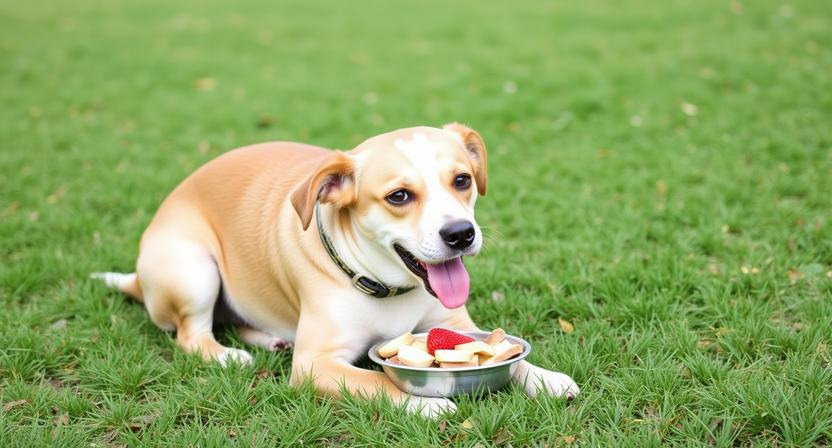
Think Labs, Beagles, Boxers, and similar breeds. These coats look low-maintenance, and they mostly are. Brush once or twice a week with a rubber curry brush or soft bristle brush to remove loose hair and distribute oils.
Bath every 4–6 weeks or when dirty. Use a gentle dog shampoo and rinse thoroughly. Wipe the coat with a damp cloth between baths if needed. Check ears and trim nails regularly—the short coat makes these jobs easy.
These dogs shed, just less dramatically than double-coated breeds. A quick weekly once-over keeps hair under control and the skin healthy.
Double Coats Need Extra Attention
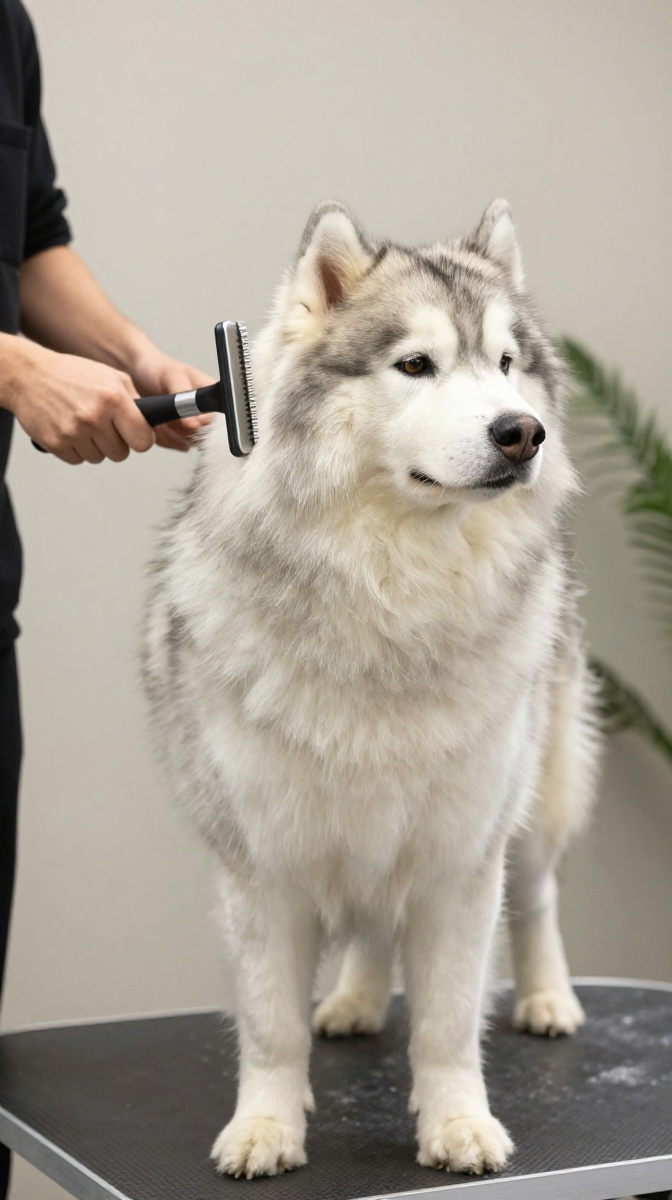
Huskies, German Shepherds, Golden Retrievers, and many Spitz-type dogs wear a dense undercoat plus a protective topcoat. This combination requires more frequent brushing, especially during seasonal sheds.
Use an undercoat rake or deshedding tool 2–3 times a week, and daily during heavy shedding seasons. A slicker brush finishes the topcoat. Never shave a double coat unless a veterinarian recommends it for medical reasons—the coat regulates temperature and protects the skin.
Bath every 6–8 weeks. Thoroughly dry the undercoat to prevent moisture from getting trapped. A high-velocity dryer helps if you have one.
Regular brushing prevents the undercoat from packing into painful mats close to the skin.
Long and Silky Coats
Yorkies, Shih Tzus, Maltese, and Afghan Hounds grow hair that tangles easily. Daily brushing is the real secret. A pin brush and a metal comb work through the coat in sections, starting from the ends and working toward the skin.
Many owners keep these dogs in a shorter “puppy cut” for easier care. If you maintain the long coat, expect to invest time every single day. Mats form fast behind the ears, in the armpits, and in the pants area.
Bath every 2–4 weeks. Use a moisturizing shampoo and conditioner, then detangle while the coat is wet with a leave-in spray if needed. Dry completely to avoid skin issues.
Line Brushing Technique
Part the coat in small sections and brush from the skin outward. This method reaches the under layers that surface brushing misses. It takes longer but prevents the hidden mats that cause pain later.
Curly and Wavy Coats
Poodles, Bichons, Doodles, and similar breeds have continuously growing hair that forms mats if neglected. Brush or comb every 1–2 days with a slicker brush and metal comb. Pay special attention to the areas that rub—armpits, groin, and behind the ears.
Professional grooming every 4–8 weeks keeps the coat at a manageable length and shape. At-home maintenance between appointments prevents the dreaded shave-down.
Bath every 3–4 weeks. Condition well and dry thoroughly while brushing to keep the curls defined and mat-free. These coats do not shed much, but they require consistent hands-on care.
Wire and Rough Coats
Many terriers wear a harsh outer coat designed to protect them in the field. Hand-stripping maintains the proper texture, but most pet owners opt for clipping. Brush weekly with a slicker or pin brush to remove dead hair.
Bath sparingly—over-bathing softens the wire coat. Every 6–8 weeks is usually enough. A terrier-specific or texturizing shampoo helps maintain the crisp feel.
Regular plucking or professional stripping sessions keep the coat looking its best if you want the traditional appearance.
General Habits That Help Every Coat
No matter the coat type, a few practices stay constant:
- Trim nails every 3–4 weeks
- Check and clean ears weekly
- Brush teeth daily or as often as possible
- Inspect skin for hot spots, parasites, or irritation during every grooming session
Use the right tools for the coat. A brush that works on a Lab will frustrate you on a Poodle. Invest in quality combs and brushes—they last longer and work better.
Grooming time also serves as a health check. You notice lumps, skin changes, or parasites early when you handle your dog regularly.
FAQ’s
How often should I really bathe my dog?
It depends on the coat and lifestyle. Short coats tolerate longer intervals. Long and curly coats usually need more frequent baths. When in doubt, bathe when the dog smells or looks dirty rather than on a rigid calendar.
Can I use human shampoo on my dog?
No. Human products have the wrong pH and can strip the coat or irritate the skin. Stick to dog-specific shampoos.
What if my dog hates being brushed?
Start with very short sessions and high-value treats. Work on one small area at a time. A tired dog often tolerates grooming better, so try after a walk or play session.
Is it okay to shave a double-coated dog in summer?
Usually not. The double coat insulates against heat as well as cold. Shaving can damage the coat and increase the risk of sunburn and uneven regrowth. Proper brushing and a summer trim of the feathers or sanitary areas work better.
How do I stop mats from forming?
Consistent brushing is the only reliable prevention. Once mats form close to the skin, they often need to be cut out carefully. Daily or every-other-day brushing on long and curly coats prevents most problems.
Related Articles:
- 5 Best CBD Oils for Anxious Dogs
- The Ultimate Guide to Dog First Aid
- Rottweiler Care and Training (Responsible Ownership)
Match the Routine to the Coat
The best grooming routine is the one that fits your dog’s specific coat and your actual schedule. Short coats need less frequent work but still benefit from regular brushing. Double coats demand deshedding tools and patience during blowout seasons. Long, curly, and wire coats require more hands-on time but reward you with a beautiful result when you stay consistent. Pick the right tools, keep sessions positive, and turn grooming into a quick habit rather than a dreaded chore. Your dog’s skin and coat will thank you.