Rottweilers deliver power, loyalty, and quiet confidence when raised correctly. They also demand experienced handling, consistent training, and clear leadership. Skip those pieces and the same traits that make them impressive become serious problems. Here’s what responsible ownership actually looks like with this breed.
Temperament: Steady, Loyal, and Naturally Watchful
A well-bred Rottweiler stays calm and self-assured in normal situations. They bond deeply with their family and often remain reserved with strangers. That natural caution is useful when you shape it properly.
They were developed to move cattle and guard property, so protective instincts run deep. Without solid socialization and guidance, those instincts can turn into over-guarding or suspicion of everyday visitors.
These dogs notice everything and respond best to calm, consistent leadership. Soft or wishy-washy handling usually creates pushback rather than cooperation.
Training Must Start Early and Stay Consistent
Rottweilers grow strong fast. Basic obedience, impulse control, and reliable leash manners need to be in place before they hit full size. Waiting until problems appear makes the job much harder.
Use clear, fair, reward-based methods. Keep sessions short and purposeful. Once the foundation is solid, many Rottweilers enjoy more advanced work—obedience, tracking, or structured sports—under knowledgeable guidance.
Socialization is not optional. Expose them gradually to different people, places, sounds, and situations while keeping every experience positive. A Rottweiler that rarely meets the outside world often becomes reactive later.
- Begin training the day they come home
- Prioritize impulse control and calm behavior
- Socialize thoroughly and keep it ongoing
- Maintain the same rules with every family member
- Get professional help at the first sign of trouble
Experience Level Required
This breed is a poor match for most first-time owners. Their strength, intelligence, and protective nature need someone who can provide steady direction and follow through every day.

Exercise and Mental Stimulation
Rottweilers need daily physical activity and something to do with their minds. Long walks, hiking, swimming, and purposeful play help. A bored Rottweiler often decides to guard the house too intensely or finds destructive hobbies.
Mental work is equally important. Short training sessions, puzzle toys, nose work, and learning new skills keep them balanced. Many enjoy having a job, even if it is simply carrying a backpack on walks or practicing advanced obedience.
Keep them lean. Extra weight puts unnecessary stress on joints and can worsen orthopedic issues common in the breed.
- Daily walks plus extra activity
- Regular training and mental challenges
- Protect growing joints in puppies
- Watch body condition closely
Health Issues to Monitor
Hip and elbow dysplasia occur frequently. Only work with breeders who perform proper health testing and open their results. Heart conditions, including subaortic stenosis, also appear in the breed—cardiac screening matters.
Cancer rates, especially osteosarcoma and certain others, run higher than average. Regular veterinary checks and quick attention to any limping, lumps, or energy changes give the best chance of early detection.
Eye problems and some immune-related conditions also show up. A veterinarian familiar with large working breeds becomes a valuable long-term partner.
Grooming and Everyday Care
The short dense coat needs weekly brushing to control shedding and keep the skin healthy. Seasonal coat blows produce noticeable amounts of hair.
Baths every six to eight weeks are usually enough. Clean ears regularly, trim nails on schedule, and stay on top of dental care. Provide durable toys—Rottweilers can destroy flimsy ones quickly.
A predictable daily routine for meals, exercise, and rest helps most of them stay settled.
Responsible Ownership Essentials
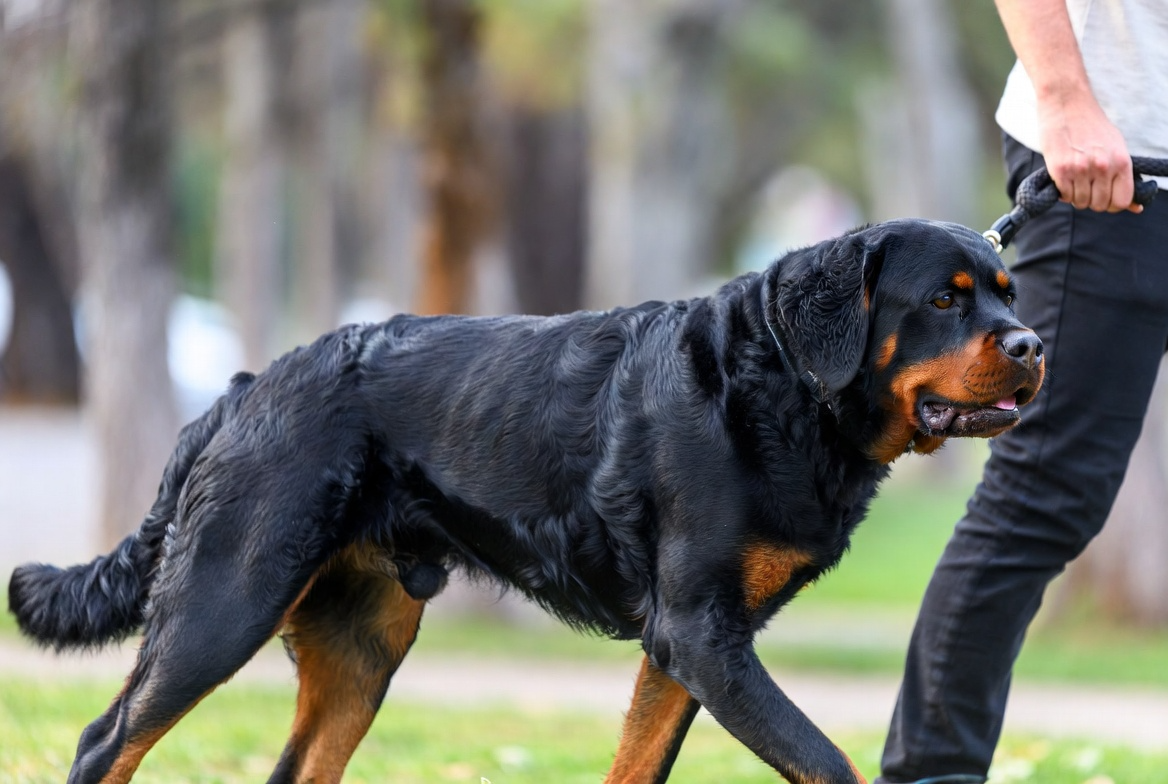
Secure fencing is non-negotiable. A Rottweiler that gets out creates risk for everyone involved. Even well-trained dogs need supervision around new people and unfamiliar animals.
Insurance and local regulations matter. Some companies restrict coverage for certain breeds, and some areas have specific rules. Know the requirements where you live.
Never leave a Rottweiler unsupervised with young children or guests. Their size and strength demand respect even when the individual dog has an excellent temperament.
IMO, successful owners treat the Rottweiler as a capable working companion that shares the home, not as a status symbol or low-maintenance pet.
- Invest in quality training support early
- Socialize widely and keep doing it
- Maintain secure containment at all times
- Stay consistent with leadership and rules
- Commit for the full 8–11 year lifespan
FAQ’s
Can Rottweilers be good family dogs?
Yes, with the right owners. They often form deep bonds with their family and can be gentle and reliable when properly raised, trained, and supervised. Experience and consistency are required.
Do they need formal protection training?
Most family Rottweilers do best with excellent obedience and socialization rather than protection sports. Formal protection work belongs only with experienced handlers and qualified trainers.
How much daily exercise do they need?
Plan for 60–90 minutes of physical activity plus mental work. Individual energy levels vary, but very few Rottweilers thrive on minimal exercise.
Are Rottweilers naturally aggressive?
A well-bred, well-socialized, well-trained Rottweiler is confident and controlled. Aggression problems almost always trace back to poor breeding, lack of socialization, or inadequate handling.
What is the most common mistake owners make?
Waiting too long to start serious training and socialization. Early investment prevents most of the issues that give the breed a bad reputation.
Related Articles:
How to Make Homemade Dog Treats for Under $5
Best Dog Food Delivery Services Compared
7 Human Foods That Are Actually Good for Dogs
Own the Responsibility or Choose Another Breed
Rottweilers give experienced, consistent owners deep loyalty and impressive capability. They expose inexperience and inconsistency just as quickly. If you can deliver firm fair leadership, thorough socialization, daily exercise, and ongoing training, a good Rottweiler becomes a powerful and devoted partner. If that level of commitment feels like too much, this breed will not suit you. Choose honestly, start training early, and stay consistent—the dog’s well-being and public safety both depend on it.