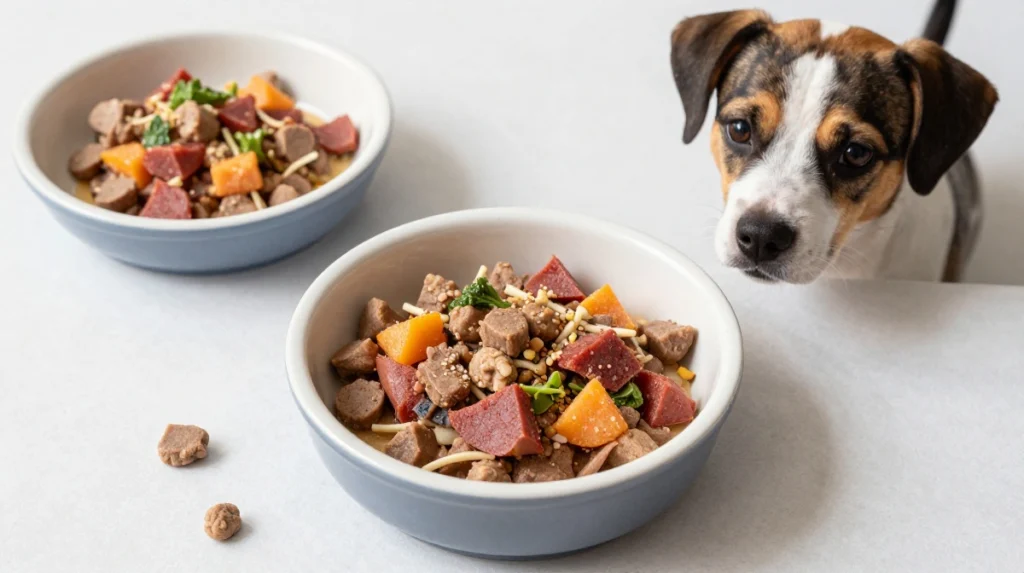
Your dog stares at that sandwich like it’s the last piece of pizza on earth. Good news? A few human foods from your fridge actually make solid, healthy treats for most pups. Skip the chocolate and grapes, of course, but these seven options deliver real benefits when you serve them right. Let’s dig in.
Carrots: The Crunchy Dental Hero
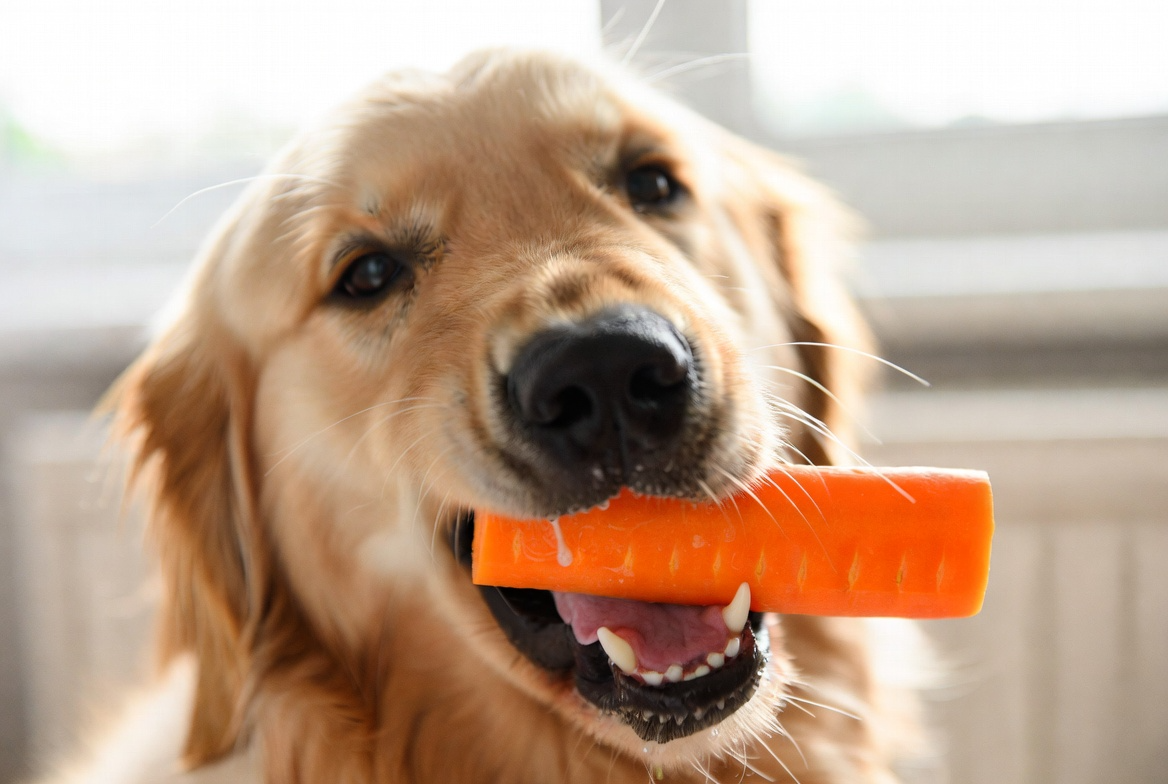
Carrots rank as one of the easiest wins in the human-food-for-dogs game. They’re low-calorie, packed with fiber, and loaded with beta-carotene that converts to vitamin A. That vitamin supports healthy eyes and a shiny coat.
The real magic? That satisfying crunch. Chewing raw carrot sticks scrapes plaque off teeth better than a lot of commercial dental chews. Many dogs go wild for the texture alone.
Serve them raw or lightly steamed. Always cut into bite-sized pieces sized for your dog’s mouth. Big chunks can pose a choking risk, especially for enthusiastic gulpers. A couple of sticks a day works as a perfect low-cal snack during training or just because they gave you those sad eyes.
IMO, carrots feel like the ultimate guilt-free share. You get a veggie boost, they get a toy that happens to be edible.
Blueberries: Tiny Antioxidant Powerhouses
Blueberries punch way above their weight. These little berries deliver a serious dose of antioxidants that help fight cellular damage. They also bring fiber, vitamin C, and vitamin K to the table.
Dogs love the sweet-tart pop. Toss a few on top of their regular kibble or freeze them for a cool summer treat. The size makes them perfect training rewards because you can hand over a dozen without overloading calories.
Wash them well and serve plain. No sugar, no syrups. A small handful a few times a week keeps things interesting without turning mealtime into dessert.
Ever watched a dog try to catch a bouncing blueberry? Pure comedy. Worth it every time.
Apples: Sweet Crunch with a Catch
Apples give dogs a solid hit of vitamins A and C plus soluble fiber that supports digestion. The natural sweetness makes them an instant favorite for most pups.
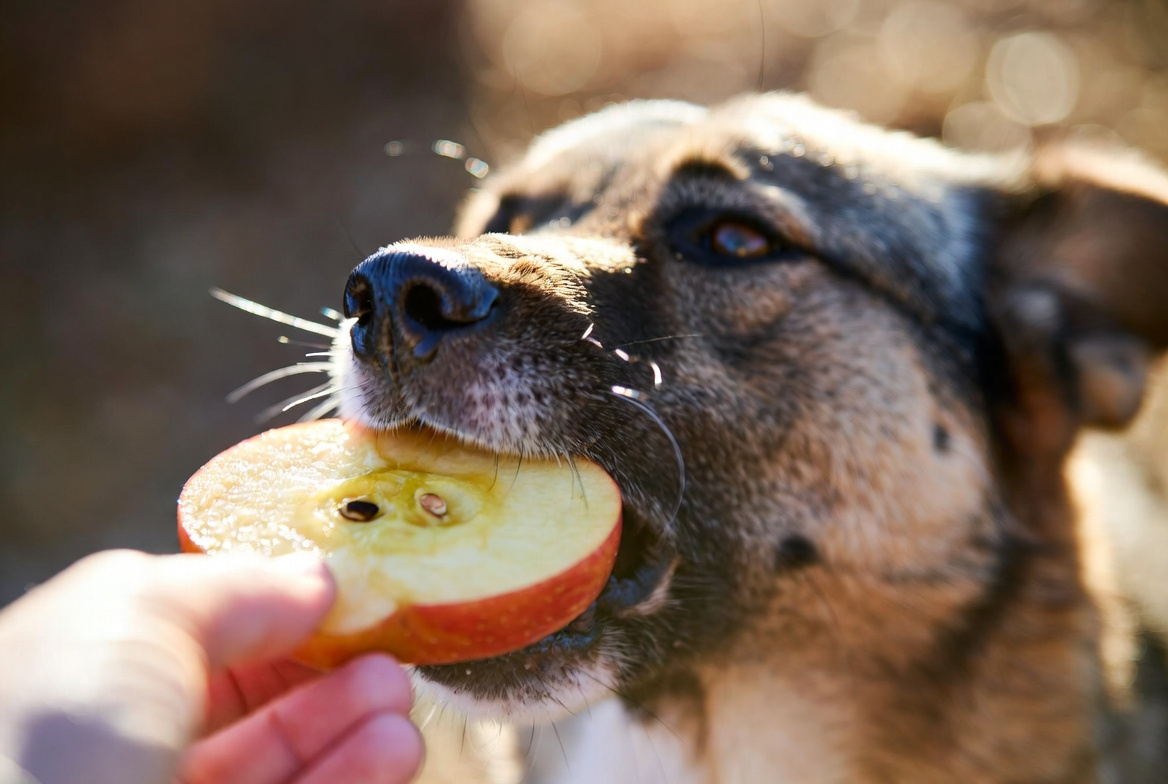
Here’s the non-negotiable rule: always remove the core and every single seed. Apple seeds contain cyanide compounds that build up and become toxic in larger amounts. The core itself can cause intestinal blockage.
Slice the flesh into thin wedges or small cubes. Raw works best for the crunch factor. Some dogs prefer them slightly cooked and mashed, especially seniors with dental issues.
A few slices make a great afternoon snack. Just don’t turn your dog into an apple orchard. Moderation keeps the sugar load reasonable.
Quick serving tip
Pair a couple of apple pieces with a spoon of plain yogurt for a simple, cool treat on hot days. Your dog will think you invented something fancy.
Pumpkin: The Digestion MVP
Plain pumpkin (not pie filling) acts like a gentle reset button for dog stomachs. The soluble fiber helps firm up loose stools and ease mild constipation. It also supplies vitamin A, potassium, and antioxidants.
Buy the canned pure pumpkin with zero added spices or sugar. Stir one or two tablespoons into regular food when your dog’s digestion feels off. Many owners keep a can in the pantry for exactly those moments.
Fresh cooked pumpkin works too. Just steam or bake it plain, mash it, and portion carefully. Too much fiber too fast can backfire, so start small.
Pumpkin’s mild flavor means even picky eaters usually accept it. Bonus: it adds moisture and makes kibble more appealing without extra calories.
Sweet Potatoes: The Orange Nutrient Bomb
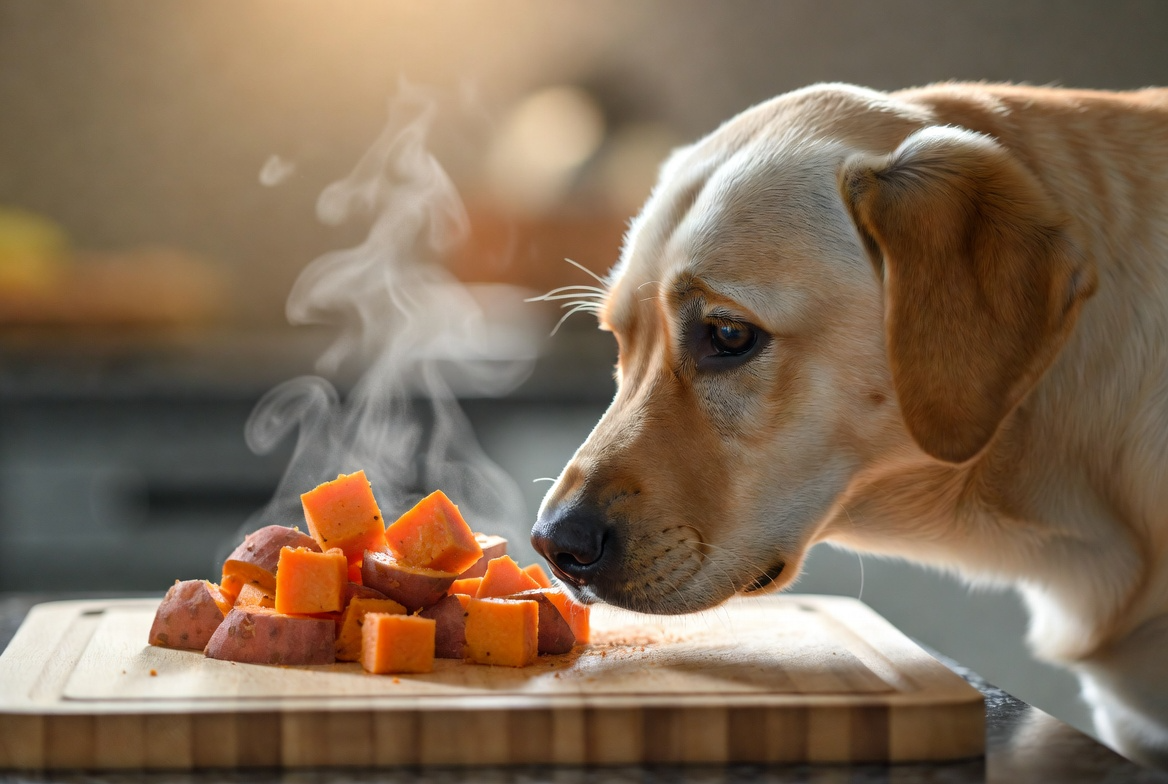
Cooked sweet potatoes deliver fiber, vitamin A, vitamin B6, and manganese. They support eye health, immune function, and steady energy. The natural sweetness makes them feel like a treat even though they’re basically a vegetable.
Always cook them fully. Raw sweet potatoes are tough to digest and can cause stomach upset. Bake, boil, or steam without any oil, salt, or seasoning. Peel them first if you want to be extra careful about pesticides.
Mash a small amount into food or cut cooled pieces into chewy strips. Dogs with sensitive stomachs often handle sweet potato better than many commercial treats.
Watch the portions. Sweet potatoes run higher in natural sugars than carrots, so they suit active dogs better than couch potatoes.
Peanut Butter: The High-Value Favorite
Most dogs lose their minds over peanut butter. It provides healthy fats, protein, and that sticky texture they love to lick for ages. Use it to hide pills or stuff puzzle toys for mental enrichment.
The critical rule: check the label every single time. Xylitol (sometimes listed as birch sugar) is extremely toxic to dogs and appears in some “sugar-free” brands. Stick to plain, unsalted, xylitol-free peanut butter.
A teaspoon or two is plenty. This stuff is calorie-dense. Overdoing it leads to weight gain or even pancreatitis in sensitive dogs.
Smear a thin layer inside a Kong and freeze it. Instant long-lasting entertainment. Your dog will thank you with those sticky whiskers for days.
Plain Yogurt: Probiotic Support in a Spoon
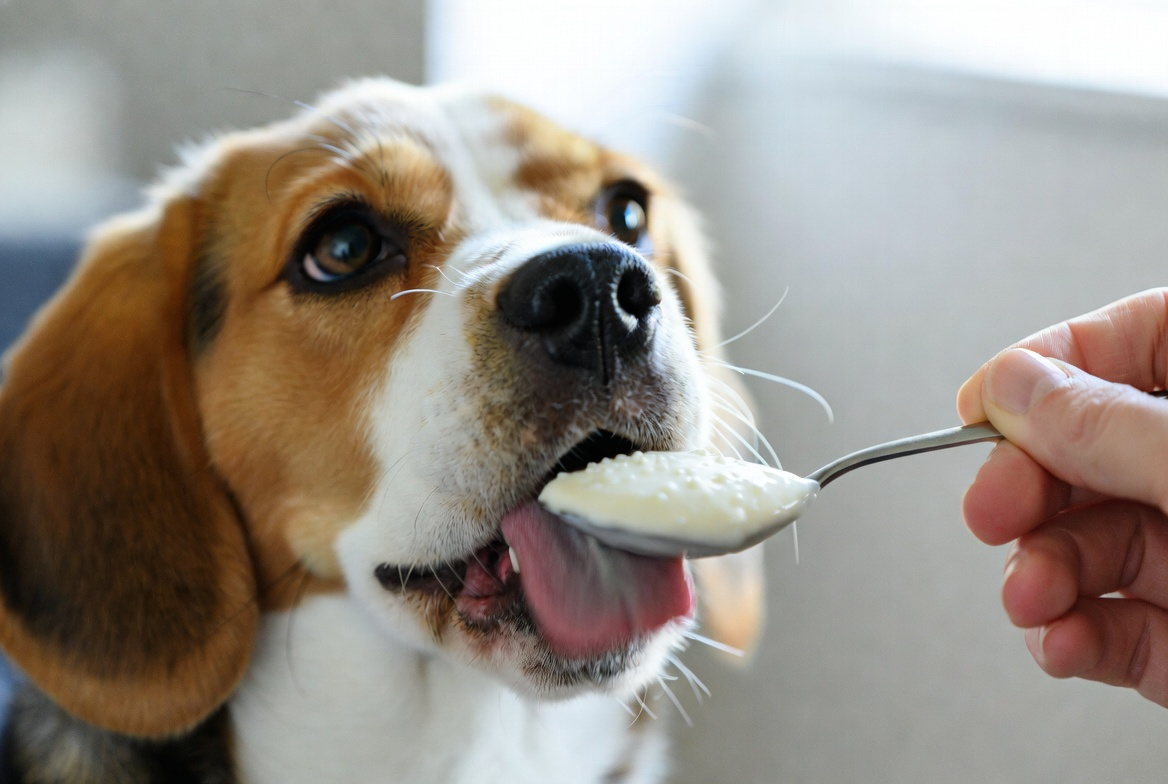
Plain, unsweetened yogurt (especially Greek-style) offers live probiotics that can support gut health. It also brings protein and calcium. Many dogs enjoy the cool, creamy texture.
Choose varieties with no added sugars, artificial sweeteners, or flavorings. Start with a teaspoon or two mixed into food to check tolerance. Some dogs handle dairy fine; others get loose stools.
Freeze small dollops for a refreshing treat or swirl a bit with pumpkin for a simple digestive combo. Just remember that treats should stay under about 10 percent of daily calories overall.
Yogurt feels like a grown-up snack you can actually share without the side-eye from your vet.
FAQ’s
How much of these foods can I actually give my dog?
Treats of any kind should make up no more than 10 percent of your dog’s daily calories. For most medium dogs that means a few carrot sticks, a small handful of blueberries, or a teaspoon of peanut butter. Start smaller when introducing something new and watch for any stomach changes.
Can puppies eat these same foods?
Yes, in even smaller amounts. Puppies have more sensitive systems, so introduce one food at a time and keep portions tiny. Always check with your vet first if your pup has any health issues or is still on a strict growth diet.
What if my dog has food allergies or a sensitive stomach?
Proceed carefully. Even “safe” foods can trigger reactions in individual dogs. Offer a tiny amount and monitor for itching, vomiting, or diarrhea over the next 24 hours. When in doubt, skip it and stick to their regular food.
Are there any preparation rules I should never break?
Never add salt, sugar, spices, oils, or seasonings. Remove all seeds, cores, pits, and skins that could cause problems. Cook items like sweet potatoes and eggs thoroughly. And double-check every peanut butter jar for xylitol.
Can I mix several of these together?
Absolutely. A spoon of pumpkin mixed with a bit of plain yogurt and a few blueberries makes a solid occasional treat. Just keep the total volume small so you don’t overload the system.
Should I talk to my vet before starting?
Yes. Every dog is different. Quick confirmation from your veterinarian gives you peace of mind, especially if your dog takes medication or has existing conditions.
Related Articles:
- How to Make Homemade Dog Treats for Under $5
- Best Dog Food Delivery Services Compared
- Best Supplements to Add to Homemade Dog Food
The Bottom Line
Sharing the right human foods turns ordinary kitchen moments into small health boosts for your dog. Carrots clean teeth, blueberries fight free radicals, pumpkin settles tummies, and the rest add variety without the junk. Stick to plain preparations, watch the portions, and keep the toxic list firmly off the menu. Your dog already thinks you’re the best human alive. These simple snacks just prove them right.