
Homemade dog food gives you total control over ingredients, but it almost always needs strategic supplements to stay complete. Skip the right ones and you risk long-term deficiencies. Add the wrong ones or too much and you create new problems. Here’s what actually belongs in most balanced homemade recipes.
Why Homemade Food Needs Extra Support
Commercial dog foods meet AAFCO nutrient profiles through careful formulation and testing. Homemade versions rarely hit every target on their own. Calcium, certain B vitamins, iodine, zinc, and omega-3 fatty acids are the usual shortfalls.
Even recipes that look perfect on paper can drift out of balance over time. A veterinary nutritionist or a properly formulated supplement blend keeps the gaps closed without guesswork.
Calcium: The Non-Negotiable Addition
If your recipe contains no edible bone or bone meal, calcium is the first thing you must add. Muscle meat alone creates a dangerous calcium-to-phosphorus imbalance that can weaken bones and cause serious orthopedic issues, especially in growing dogs.
Common safe sources include calcium carbonate or specially formulated canine calcium supplements. Dose according to the recipe’s exact phosphorus content. Never guess the amount.
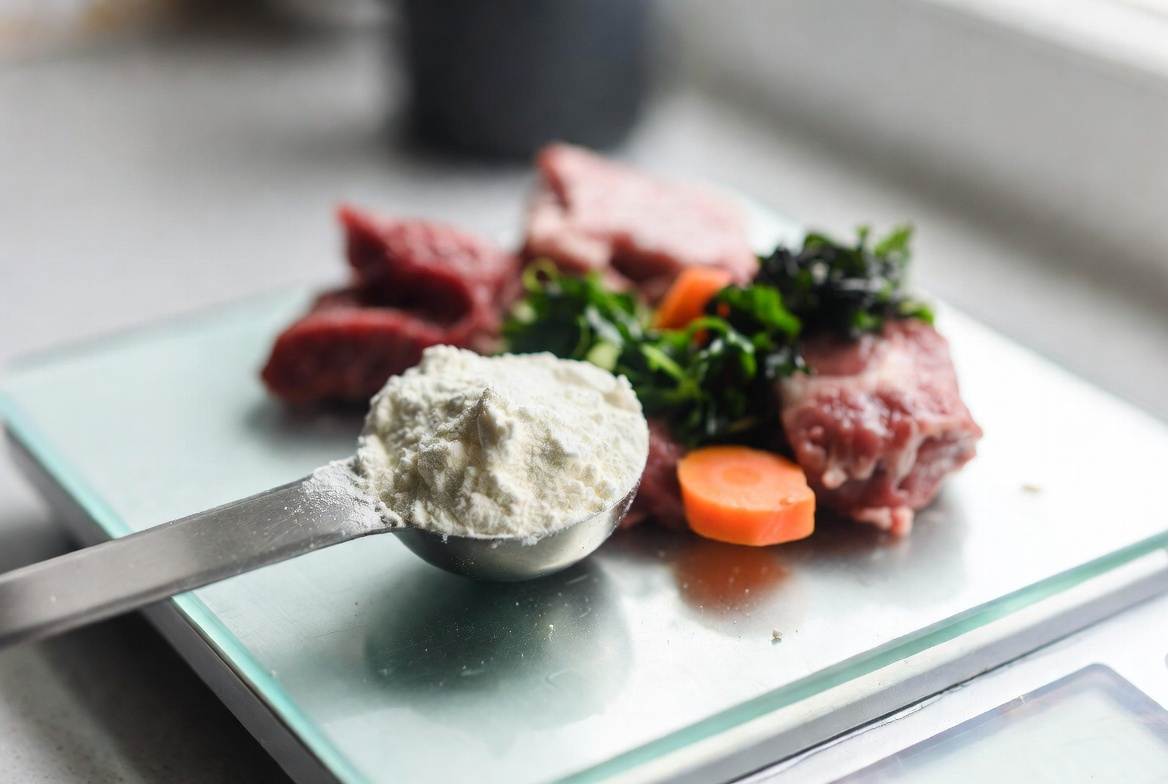
Omega-3 Fatty Acids for Skin, Coat, and Inflammation
Fish oil (from salmon, sardines, or anchovies) supplies EPA and DHA that most homemade diets lack. These fatty acids support skin barrier function, reduce inflammation, and help keep coats shiny.
Use a product made for dogs or a pure fish oil with known EPA/DHA levels. Start low and work up to the recommended dose based on your dog’s weight. Store it in the fridge and watch the expiration date—rancid oil does more harm than good.
Plant-based oils like flax provide ALA, which dogs convert poorly. Marine sources remain far more effective.
How Much Fish Oil?
A common starting range is 20–50 mg combined EPA+DHA per pound of body weight daily, but exact needs vary. Your vet or nutritionist should confirm the right amount for the full recipe.
A Complete Canine Multivitamin and Mineral Blend
Generic human multivitamins are not safe or balanced for dogs. Look for products specifically designed to balance homemade diets, such as those formulated to meet NRC or AAFCO guidelines when added to common recipe bases.
These blends typically cover the B vitamins, vitamin E, iodine, zinc, copper, selenium, and other micronutrients that drop out when you cook or omit certain ingredients. One measured scoop per batch is usually enough—more is not better.
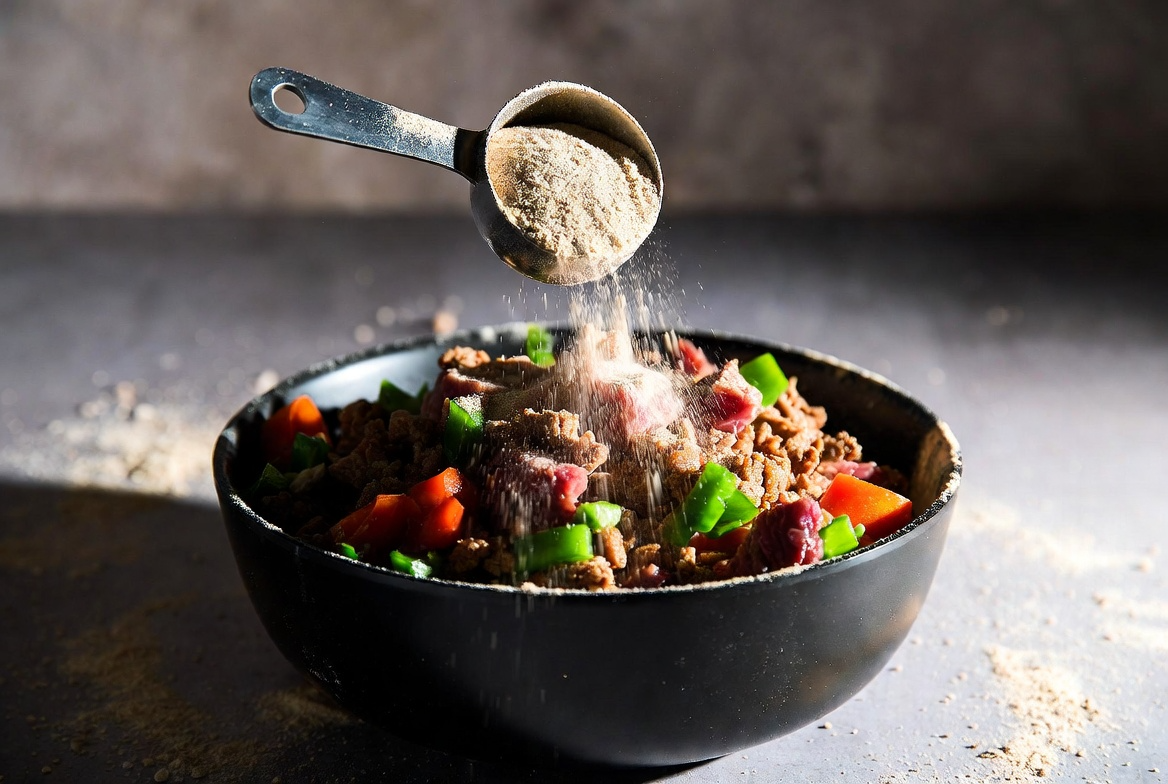
Optional but Often Useful Additions
Probiotics can help stabilize digestion when you change proteins or fat levels frequently. Choose a canine-specific product with multiple strains and a guaranteed live count.
Glucosamine and chondroitin support joint health in large breeds, seniors, or active dogs. They are not essential for every homemade diet but become useful once arthritis or heavy activity enters the picture.
Vitamin E sometimes needs a boost when you add fish oil, because the extra polyunsaturated fats increase the requirement. Many complete multivitamin blends already include enough.
- Probiotics for gut resilience
- Joint support for at-risk dogs
- Extra vitamin E when using high fish oil amounts
What to Avoid Adding on Your Own
Extra vitamin D, iron, or calcium beyond the calculated amount can quickly become toxic. Garlic and onion powders belong nowhere near dog food. Random “immune boosters” or human herbal blends often lack safety data for long-term daily use.
If a supplement does not come with clear dosing based on a balanced recipe analysis, leave it on the shelf. More supplements do not equal better nutrition.
How to Add Supplements Correctly
Mix powders thoroughly into the food so one bite is not overloaded. Add fish oil just before serving to limit oxidation. Prepare only a few days of food at a time when using fresh supplements, or freeze individual portions with the dry supplements already mixed.
Recheck the full recipe with a veterinary nutritionist whenever you change main ingredients. A formula that worked with chicken may need different calcium or mineral amounts when you switch to beef or fish.
FAQ’s
Can I just use a human multivitamin?
No. Human formulas contain different ratios and sometimes ingredients that are unsafe or unbalanced for dogs. Always choose products made specifically for canine homemade diets.
How do I know if my recipe needs calcium?
If the recipe has no bone, bone meal, or another concentrated calcium source, it needs added calcium. A veterinary nutritionist can calculate the exact amount based on the phosphorus content of the meats you use.
Is fish oil necessary for every homemade diet?
Most benefit from it because muscle meat and common oils supply little EPA and DHA. Dogs with skin issues, inflammation, or dry coats usually show the clearest improvement.
What happens if I skip supplements?
Short-term gaps may not show immediate symptoms. Long-term deficiencies can lead to bone problems, poor coat quality, immune issues, or organ stress. The risks accumulate quietly.
Should puppies get the same supplements as adult dogs?
Puppies have higher requirements for certain nutrients and are more sensitive to imbalances. Always use a recipe and supplement plan designed specifically for growth, ideally under veterinary nutritionist guidance.
Related Articles:
- How to Teach Your Dog “Stay” in 3 Easy Steps
- 5 Brain Games to Tire Out a Hyperactive Dog
- Aggressive Dog Behavior: When to Call a Professional
Balance Beats Good Intentions
Homemade food can be excellent when it is properly supplemented and periodically reviewed. Focus on calcium balance, a canine-specific multivitamin-mineral blend, and marine omega-3s as the foundation. Add extras only when your dog’s age, activity, or health status calls for them. Work with a professional to set the doses, then stick to the plan. Your dog gets the benefits of fresh ingredients without the hidden nutritional gaps that undo all the effort.