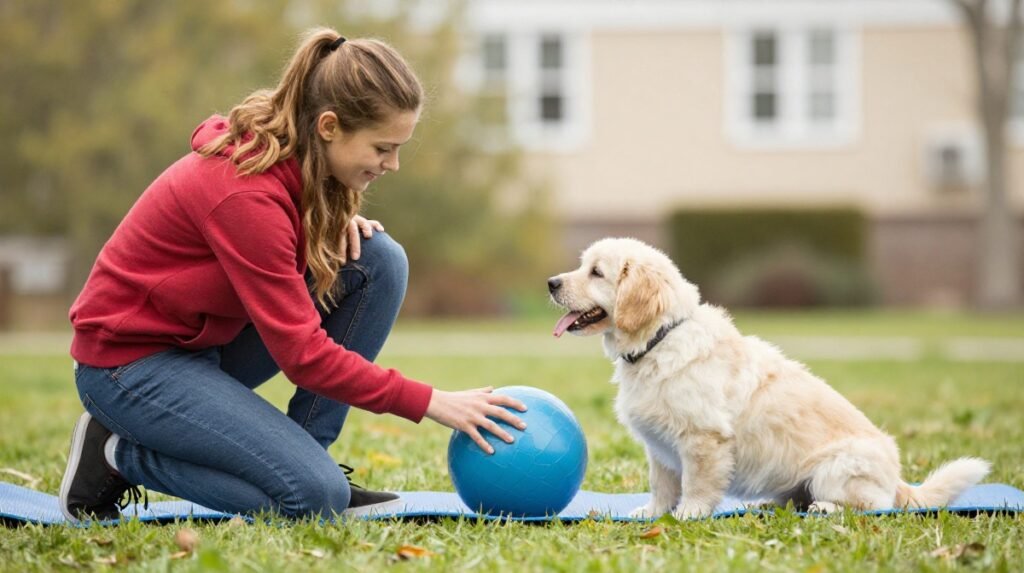
Your hyperactive dog still has rocket fuel after a long walk and a round of fetch. Physical exercise alone rarely drains a high-energy brain. Mental work does the real job—sniffing, problem-solving, and focusing tire dogs out faster than another mile around the block. Here are five simple brain games that actually work.
Why Brain Games Beat Another Walk
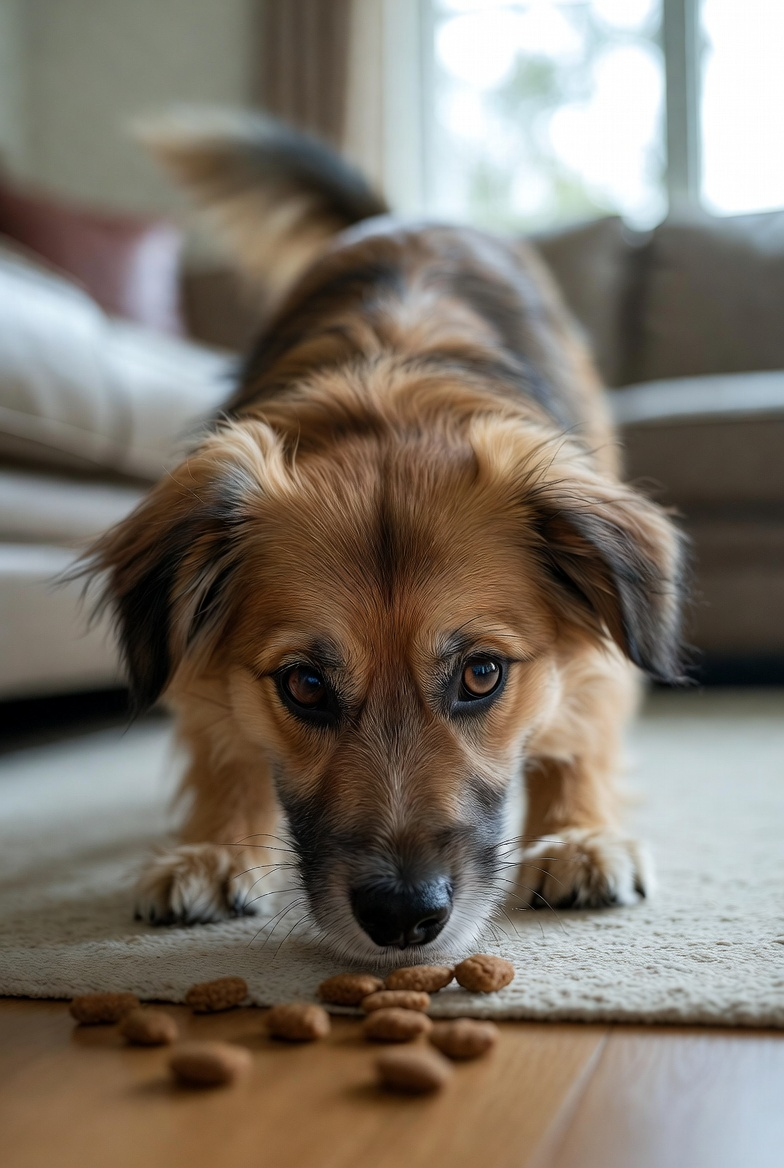
A ten-minute scent game can exhaust a dog more than a thirty-minute stroll. Sniffing activates huge parts of the canine brain and naturally lowers heart rate. Problem-solving burns mental energy the same way studying does for us.
Hyper dogs often act out because they are bored or under-stimulated upstairs. Give that brain a job and the zoomies quiet down. These games also build focus, impulse control, and confidence—bonus skills that make daily life easier.
You do not need fancy gear. Most of these use stuff already in your kitchen or living room.
1. The “Find It” Scent Game
This one tops the list for a reason. Dogs are born to use their noses, and searching for hidden food is pure mental cardio.
Start easy. Ask your dog to sit or stay. Let them watch you place a few high-value treats in plain sight around the room. Release with a clear cue like “Find it!” and celebrate when they locate each one.
Level it up fast. Hide treats under cushions, behind chair legs, or in different rooms while your dog waits out of sight. The searching itself is the workout—resist the urge to help too quickly.
Pro tip: Use smelly treats at first so success comes easily. Once your dog understands the game, switch to regular kibble for everyday meals and turn dinner into a scavenger hunt.
Ten to fifteen minutes of solid searching usually leaves most dogs ready for a nap.
2. The Muffin Tin Puzzle
Grab a muffin tin and a few tennis balls (or crumpled paper balls). Drop treats or kibble into several cups, then cover every cup with a ball—even the empty ones.
Set the tin on the floor and let your dog figure it out. They have to nose or paw the balls aside to reach the food. The combination of scent work and physical problem-solving keeps brains busy.
Make it harder by filling fewer cups or using a deeper tin. Some dogs learn to flip the whole thing; others carefully lift each ball. Both approaches count as wins.
This game works especially well for food-motivated dogs and needs almost zero setup time.
3. The Cup Shuffle (Shell Game)
Take three identical cups or small containers. Place a treat under one while your dog watches. Shuffle them slowly at first, then give the “Find it” cue.
Your dog must choose the correct cup by scent or memory and knock it over or nudge it. Success earns the treat plus praise.
Once they nail the easy version, shuffle faster, add a fourth cup, or hide the treat after the shuffle so they rely more on nose than eyes. This game sharpens attention and short-term memory.
Keep sessions short—five to eight successful finds is plenty. End while your dog still wants more so the game stays exciting.
Why This One Builds Focus
Hyper dogs often struggle to lock onto one task. The cup game forces them to watch, wait, and make a decision. That concentration is tiring in the best way.
4. Hide-and-Seek (With You or Toys)
Classic hide-and-seek works brilliantly. Have someone hold your dog or put them in a sit-stay. Go hide in another room or behind furniture, then call them.
When they find you, throw a mini party with treats and praise. Most dogs catch on within a few rounds and start searching systematically.
Variation: hide a favorite toy instead of yourself. Say the toy’s name if you have taught it, or simply “Find your toy!” This version adds object discrimination and keeps the game fresh.
Both versions combine physical movement with mental searching. They also reinforce recall in a fun context—your dog practices coming when called because the reward is awesome.
5. Short Trick Training Bursts
Teaching a new trick or chaining known ones for five to ten minutes drains mental energy fast. Spin, bow, back up, put paws on a target, or weave through your legs all require focus and body awareness.
Break the skill into tiny steps and reward each small success. The thinking required to figure out what earns the treat is pure brain work.
Add impulse control by asking for a sit or down before releasing to the next rep. High-energy dogs especially benefit from learning that calm behavior makes the fun continue.
Rotate tricks so your dog never gets bored. One week focus on “spin,” the next on “touch” or “middle.” Consistency plus variety keeps the mental muscles working.
How to Get the Most Out of These Games
Timing matters. Play when your dog has a bit of energy but is not completely wound up. Right after a short walk or before dinner often works well.
Always end on a success. If your dog seems frustrated, make the next hide easier so they finish feeling smart.
Rotate the games. Doing the exact same puzzle every day loses its power. Mix scent work one day, the muffin tin the next, and a new trick the day after.
Watch for signs your dog is done—slowing down, losing interest, or getting mouthy from over-arousal. Mental work can tip into frustration if you push too long.
- Start easy and build difficulty gradually
- Use high-value rewards at first
- Keep sessions short and positive
- Celebrate effort, not just perfection
FAQ’s
How long should a brain game session last?
Five to fifteen minutes is usually enough. Quality beats quantity. A focused ten-minute scent hunt tires most dogs more than a half-hour of mindless fetch.
My dog gets frustrated and quits. What now?
Make the game easier immediately. Place treats in more obvious spots or reduce the number of cups. Success builds confidence. Once they win a few times, you can raise the challenge again.
Can I use regular kibble instead of treats?
Absolutely. Many owners turn mealtime into a game by scattering kibble or using it in puzzles. Just make sure the total amount matches your dog’s daily food needs.
Are these games good for puppies and senior dogs?
Yes. Adjust difficulty and duration. Puppies need shorter sessions and easier wins. Seniors benefit from gentle scent work that keeps their minds sharp without hard physical demand.
What if my dog is more toy-motivated than food-motivated?
Swap food for a favorite toy in hide-and-seek or use the toy as the reward after solving a puzzle. Some dogs will work harder for a quick game of tug than for a treat.
How often should I play brain games?
Daily is ideal, even if only for a few minutes. Consistency prevents the hyper energy from building up. On busy days, one solid scent game still makes a difference.
Related Articles:
- Potty Training a Puppy in 7 Days: A Step-by-Step Guide
- How to Stop a Dog from Barking Excessively (5 Proven Methods)
- 7 Puppy Training Mistakes New Owners Make (And How to Fix Them)
Final Thoughts
A hyperactive dog is not broken—they are under-challenged. These five brain games give that busy mind a real job and leave most dogs happily worn out. Start with “Find It,” add the muffin tin or cup game, and throw in short training sessions. Within a week you will probably notice calmer evenings and fewer destructive moments. Your dog’s brain is ready to work. Give it something worthwhile to do.