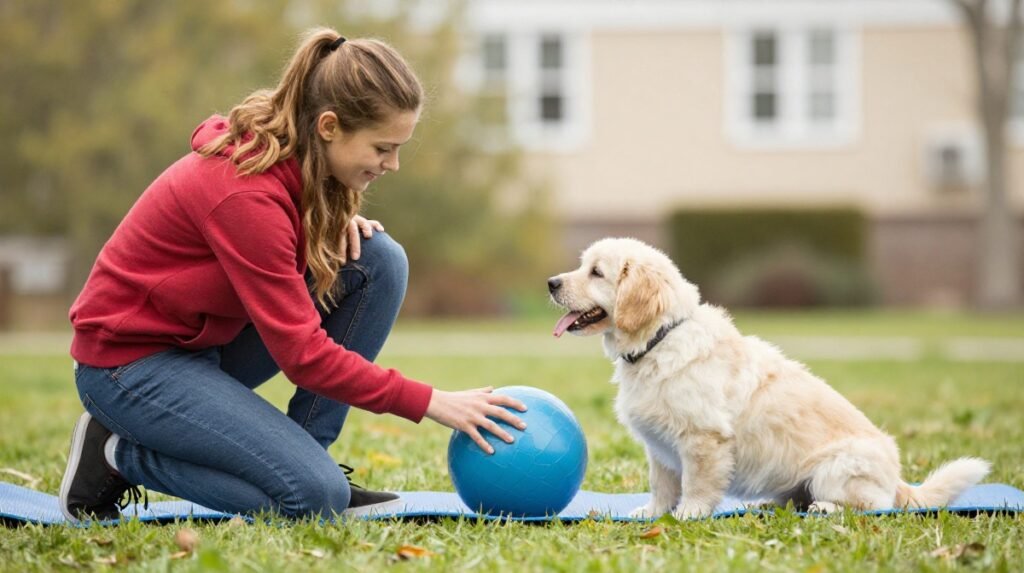
Seven days sounds ambitious for potty training a puppy, but here’s the truth: with the right schedule and zero guesswork, most pups get the hang of it way faster than you’d think. This isn’t magic—it’s just consistency, timing, and knowing exactly what to watch for. Grab your treats and your patience, because we’re breaking this down day by day.
Why 7 Days Actually Works (Yes, Really)
Puppies aren’t dumb. They’re just new here, and nobody’s given them the rulebook yet. Once you set up a predictable routine, their little brains catch on fast because dogs genuinely love patterns. The 7-day framework works because it front-loads the hard part—constant supervision and scheduling—into a short, intense window. You’re not “training” so much as you’re preventing mistakes long enough for good habits to form. Think of it less like teaching and more like management. FYI, this timeline assumes you’re home most of the day during this stretch. If you’re working full-time, stretch this to 10-14 days and don’t stress about it.
Day 1-2: Setting Up Your Puppy’s Bathroom Schedule
The first two days are all about establishing the rhythm. Puppies typically need to go potty after waking up, after eating, after playing, and roughly every 1-2 hours depending on their age.
The Golden Rule of Timing
Take your puppy outside to the exact same spot every single time. The scent cues from previous trips actually help trigger the “oh right, I go here” response. Here’s your basic Day 1-2 schedule:
- Immediately after waking up (yes, even at 6am)
- Within 15 minutes of eating or drinking
- After every nap or play session
- Every 1-2 hours as a baseline check-in
- Right before bed
Bring high-value treats and praise like your puppy just won an Olympic medal the second they go outside. Timing your reward within 3 seconds of the behavior is what actually cements the connection.
Day 3-4: Reading Your Puppy’s “I Gotta Go” Signals

By now your puppy is probably showing some universal warning signs. Learning to spot these is honestly half the battle here. Watch for:
- Sudden sniffing around in circles
- Whining or barking at you out of nowhere
- Heading toward the door
- Squatting (obviously, but you’d be surprised how many people miss it)
- Stopping mid-play and wandering off
Interrupt the moment you catch these signs and rush outside together. Don’t yell or scold—just scoop them up calmly and go. IMO, a calm “let’s go outside” tone works way better than panic mode. If your puppy starts an accident indoors, a sharp clap or “outside!” can interrupt them mid-stream (pun intended) so you can finish the job in the yard.
Day 5: Handling Accidents Without Losing Your Mind
Let’s be real—accidents will happen, even with a solid schedule. Your puppy isn’t being stubborn or spiteful; their bladder control is just genuinely still developing. Never rub your puppy’s nose in it or punish them after the fact. They won’t connect the punishment to something that happened five minutes ago, and it just teaches them to fear you or hide when they need to go. Instead, clean it up with an enzymatic cleaner (regular soap won’t cut it—dogs can still smell residual odor that regular cleaners miss). This matters because if your puppy smells their previous accident, they’ll think that spot is fair game again.
What If They’re Having a Lot of Accidents?
More than 3-4 accidents on Day 5 usually means one of these:
- You’re not taking them out often enough
- You’re giving them too much unsupervised freedom in the house
- Their schedule got thrown off (new food, stress, schedule changes)
Scale back their roaming space and tighten the schedule again. This isn’t a setback—it’s just data telling you to adjust.
Day 6-7: Building Independence and Consistency
The final stretch is where you start stepping back a little. Instead of taking your puppy outside proactively every time, wait for them to show a signal first (within reason—don’t wait until it’s too late). This is the test phase. Can they hold it a bit longer? Do they seek you out or head to the door on their own? These are the wins you’re looking for. Keep celebrating every successful outdoor potty like it’s the best thing that’s ever happened. Consistency in your reactions matters just as much as consistency in timing.
Crate Training as Your Secret Weapon
If you’re not using a crate yet, IMO you’re making this way harder than it needs to be. Dogs instinctively avoid soiling their sleeping area, which makes crates incredibly effective for building bladder control.
Getting the Crate Size Right
The crate should be just big enough for your puppy to stand, turn around, and lie down comfortably—nothing more. Too much extra space and they’ll just designate a corner as the bathroom, which defeats the whole purpose. Use the crate for naps, bedtime, and any time you can’t directly supervise. Never use it as punishment—it should feel like a safe den, not a timeout box.
Common Mistakes That Slow Everything Down
A few things trip people up more than anything else:
- Giving too much freedom too soon (keep them leashed to you or gated in one room)
- Inconsistent schedules between family members
- Using pee pads then switching to outside-only (this confuses the message)
- Punishing accidents after the fact
- Not going outside with them (you need to witness and reward the actual moment)
Fix these and your timeline genuinely speeds up.
FAQ’s
How many times a day should a puppy go potty?
Young puppies (under 4 months) typically need to go out every 1-2 hours, plus after eating, sleeping, and playing. That can add up to 8-10 trips outside per day, which sounds exhausting because, well, it is.
What age should I start potty training?
You can start as early as 8 weeks old. Puppies won’t have full bladder control until around 4-6 months, so expect the process to take longer with very young pups.
Is it normal for potty training to take longer than 7 days?
Absolutely. The 7-day framework sets up the foundation, but full reliability often takes 4-6 months total. Some breeds and individual puppies just take longer, and that’s completely normal.
Should I use puppy pads or go straight outside?
Going straight outside from day one usually leads to faster, cleaner results because you avoid the confusing message of “it’s okay to go inside sometimes.” Pads make sense mainly for apartment dwellers without easy outdoor access.
What if my puppy potties right after coming back inside?
This usually means you brought them in too soon. Wait a few extra minutes outside after they finish to make sure they’re actually done, and reward generously right when they go.
Related Articles:
- 5 Best CBD Oils for Anxious Dogs
- The Ultimate Guide to Dog First Aid
- How to Tell If Your Dog is Overweight (And What to Do)
Wrapping It Up
Potty training a puppy in 7 days isn’t about perfection—it’s about building the habits and awareness that make the next few months so much easier. Stay consistent, celebrate the wins, and don’t sweat the accidents too much. Before you know it, your puppy will be heading to that door all on their own, and honestly, that’s a pretty great feeling.