Let’s clear the air right now: putting your dog in a crate is not a punishment. It’s not a cage, and it’s definitely not “cruel.” Actually, the opposite is true. When you do it right, a crate becomes your dog’s favorite spot on earth—their bedroom, their safe zone, and their personal cave where the world can’t bother them. I know it looks like a metal box, but to a dog, it taps into a deep instinct. Wild canines seek out small, enclosed dens to feel secure. They don’t want a wide-open living room. They want a cozy nook. So, if you’re ready to stop wrestling your pup into a crate and start seeing them trot in willingly, you are in the right place. Let’s flip the script on crate training and make it the best thing since sliced cheese.
Why You Should Even Bother With a Crate
Before we get into the “how,” let’s talk about the “why.” A lot of people skip crate training because they feel guilty. They think, “My dog should be free!” But imagine giving a toddler the run of the house at night. That’s chaos. Freedom without boundaries is just stress for both of you. A crate saves your furniture, sure. But more importantly, it saves your dog’s sanity. When the doorbell rings or fireworks pop off, a crate-trained dog has a built-in panic room. They don’t run around frantic; they head to their safe space. That metal box gives them a sense of control in a chaotic human world. Plus, it makes travel, vet visits, and boarding infinitely less stressful. A dog who loves their crate is a dog who can go anywhere with you.
Choosing the Right “Apartment”
You wouldn’t buy a house without checking the layout, right? Your dog’s crate is their condo, and it needs to be the right size. Size is actually the number one reason crate training fails.
Size Matters (But Not How You Think)
If you buy a gigantic crate for your tiny puppy “so they can grow into it,” you’re setting yourself up for failure. Your puppy will use one side as a bed and the other as a toilet. They will absolutely pee in a crate that is too big. You want the crate just large enough for them to stand up, turn around, and lie down flat. That’s it. If you’re raising a Great Dane puppy, buy a giant crate but block off the back half with a divider. Move the divider as they grow. It saves you money and saves your floors from accidents. IMO, this is a non-negotiable step. Skip it, and you’ll be scrubbing the carpet for the next six months.
Material World: Wire vs. Plastic
You have two main options: wire crates and plastic airline-style crates. Wire crates are great for the living room because your dog can see what’s going on. They have better airflow and usually come with a divider. Plastic crates feel more like a cave and are cozier for dogs that like the dark. They are also safer for car travel. Honestly? I prefer a wire crate for daytime and a plastic one for the car, but if you only have one, get the wire one with a cover. FYI, you can throw a blanket over the top to make it feel like a den.
The Golden Rule: Never Force Your Dog Inside
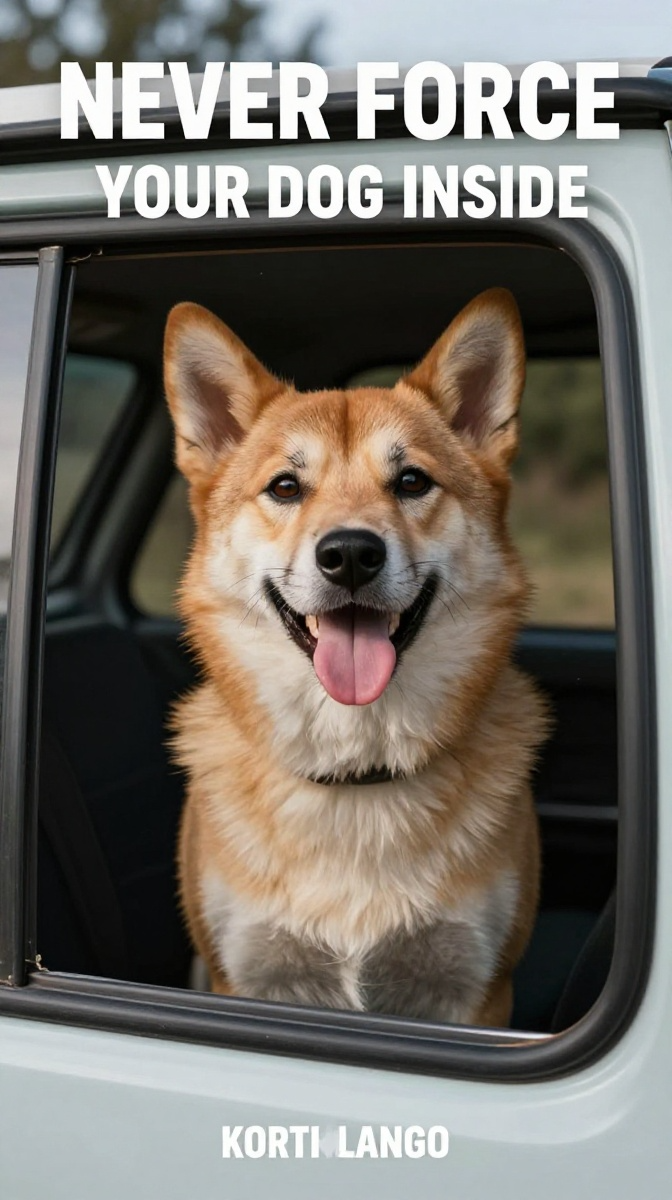
Alright, let’s talk about the biggest mistake people make. They pick up the puppy, physically shove them into the crate, and slam the door. The dog freaks out, and you just created a prison in their mind. You have lost the battle before it even started. The crate must always be a choice. If they walk in on their own, it’s a win. If you have to push them, you lose. We need to use psychology, not force. The crate should be the place where good things happen. It’s the vending machine of treats. They walk in, they get a cookie. Simple math.
Step-by-Step: The “Kong” Introduction
This is my favorite method because it’s almost foolproof. We’re going to use food—specifically, a stuffed Kong—to make the crate the most interesting place on the planet.
Step 1: The Open Door Policy
For the first few days, leave the crate door open in a high-traffic area. Toss a few pieces of high-value kibble inside. Let your dog wander in and out without you interfering. Do not close the door. Do not even look at them. Just let them discover that the crate has magic food inside.
Step 2: The Snack Shack
Now, stuff a Kong with something amazing. Peanut butter (xylitol-free!), yogurt, or canned food. Freeze it overnight to make it last longer. Put that Kong in the back of the crate. Your dog will go inside to eat it. The first time, let them eat it with the door open. We want them to associate “going inside” with “getting a treat”.
Step 3: The Sneaky Close
The next time you give them the Kong, close the door for just 30 seconds while they eat. Open it before they finish. You want them to think, “Okay, sometimes this door closes, but it always opens again.” Gradually increase the time. Start with 1 minute, then 5, then 15. But only while they are distracted by their delicious snack.
Making It a Magical Space
The crate shouldn’t just be a place for food; it should be the coziest spot in your home. Think about what makes you want to curl up in bed. Now apply that to your dog.
Bedding and Comfort
Put a soft bed in there, but not too fluffy for a teething puppy. They might chew and swallow the stuffing, which leads to a very expensive vet trip. Use a flat blanket or a crate pad that clips onto the floor. For puppies, I like to include an old t-shirt that smells like me. Your scent comforts them and reminds them they are part of your pack.
Cover It Up
Dogs love enclosed spaces. Throwing a dark sheet or a special crate cover over three sides of the crate makes it feel like a cave. It blocks out visual distractions. If your dog is a “barker,” covering the crate can help them chill out because they can’t see the mailman walking by. Leave the front uncovered so they can see out.
The “Crate Games” Approach
If you want to be a superstar trainer, you need to make the crate a game. This is where we shift from “My dog tolerates the crate” to “My dog LOVES the crate.”
Treat Toss
Stand a few feet away from the open crate. Toss a treat inside. When your dog runs in to get it, say “Yes!” or click your clicker (if you use one) and toss another treat inside. Wait for them to come back out—they will eventually—and then toss another in. This teaches them that going in and coming out is part of the fun.
- Step 1: Toss treat, they go in.
- Step 2: They come out, you toss another.
- Step 3: Repeat until they are sprinting in without hesitation.
The “Wait” and “Release”
Once they are sprinting in, start asking them to “Wait” before you release them to get the treat. This builds impulse control. You can also start closing the door for a second, then opening it and saying “Free!” This teaches them that the door closing is temporary and not a big deal.
Troubleshooting the Nighttime Whines
Okay, let’s address the elephant in the room: the crying. It’s 2 AM, your puppy is screaming like a banshee, and you are questioning every life choice you’ve ever made. Welcome to the club. Here’s how to handle it.
The “I Need to Potty” Cry vs. The “I Want Attention” Cry
This is the skill you need to master. If your puppy just ate or drank recently, they probably need to go outside. Take them out to potty. Keep it boring—no playtime, no chatting. Just business. Put them back in the crate. If they continue crying after that, it’s an attention cry. Do not go to them. I know it’s heartbreaking, but if you go in there and pet them, you teach them that screaming gets you to come running. They learn to scream louder and longer. Let them settle. Usually, it takes 10-15 minutes for them to give up and pass out. It’s hard, but it’s worth it.
Put the Crate in Your Room
If they are crying because they are lonely, put the crate right next to your bed. Stick your fingers through the bars. Let them know you are there. When they feel your presence, they usually settle down. Eventually, you can move the crate further away, or just keep it there—many people love having their dog in the room.
How to Use the Crate When You Leave
So, you have to go to work. Can you leave your dog in the crate? Yes, but let’s be reasonable about it. A puppy under 6 months cannot hold it for an 8-hour workday. You need a dog walker or a midday break.
Start Small
Don’t leave for 4 hours on Day 1. Start with 15 minutes while you go to the mailbox. Then 30 minutes while you grab coffee. Gradually build up. When you leave, give them a frozen Kong to work on. This makes your departure a positive event. “Oh, mom’s leaving! That means I get the good treat!”
Don’t Make a Big Deal
This is crucial. When you leave, just leave. Don’t say a long, sad goodbye. When you come home, don’t rush in and fuss over them until they are calm. If you act like the crate is a traumatic place you are rescuing them from, they will think it is. Treat it like no big deal, and they will follow your lead.
FAQ’s
Is it cruel to crate a dog during the day?
Absolutely not, as long as you aren’t leaving them in there for 10 hours straight without a break. Dogs sleep for up to 16 hours a day. If you are giving them exercise, mental stimulation, and potty breaks, the crate is just their bedroom. IMO, a dog in a crate is safer than a dog roaming the house eating socks. It’s not cruel; it’s responsible.
How long can I leave my adult dog in a crate?
A healthy adult dog can hold it for 8 hours, but that doesn’t mean they should do it every single day. If you work full-time, aim for 4-5 hours max, and hire a walker for the midday break. Think of it like this: you can sleep for 8 hours, but you probably wouldn’t want to be locked in your bedroom for 8 hours while awake.
My dog loves the crate except when I close the door. What gives?
This is super common. They aren’t afraid of the crate; they are afraid of being trapped. Go back to the “Kong” steps. Close the door for 1 second, open it. Do it a hundred times if you have to. Show them that the door closes and opens automatically. Eventually, they won’t care about the door at all because they know the treat is coming.
Should I put water in the crate?
For a puppy at night, no. They will drink it and then pee in the crate. During the day for a longer stay, you can use a water bottle that attaches to the crate bars to prevent spills. But usually, if you are only crating them for a few hours, they are fine without water. They won’t dehydrate. FYI, you can offer water right when they come out.
What if my dog destroys the bed in the crate?
Then they don’t get a bed for a while. Some dogs are “shredders.” They eat anything soft. If your dog is a chewer, skip the fluffy bed and use a towel or nothing at all. The hard plastic floor is fine. It’s better they sleep on the plastic than eat a sock and need surgery.
The Crate is a Tool, Not a Jail
At the end of the day, your attitude determines the outcome. If you view the crate as a jail, your dog will sense that. If you view it as a cozy cave, they will love it. It’s your energy they feed off of. Take a breath. This process takes time. Some dogs get it in three days. Some take three weeks. That’s fine. Every dog is different, and there is no prize for finishing first. The prize is a happy, confident dog who willingly trots into their safe space when they need a break. That trust and that comfort are the ultimate goals. So ditch the guilt. Grab the treats. And remember: you’re not locking them up. You’re giving them a room of their own. Now go make that crate irresistible.
Related Articles:
- The Best Dog Grooming Routine for Every Coat Type
- How to Give Your Dog a Pill Without Stress
- Dog Skin Allergies: Causes, Symptoms, and Remedies