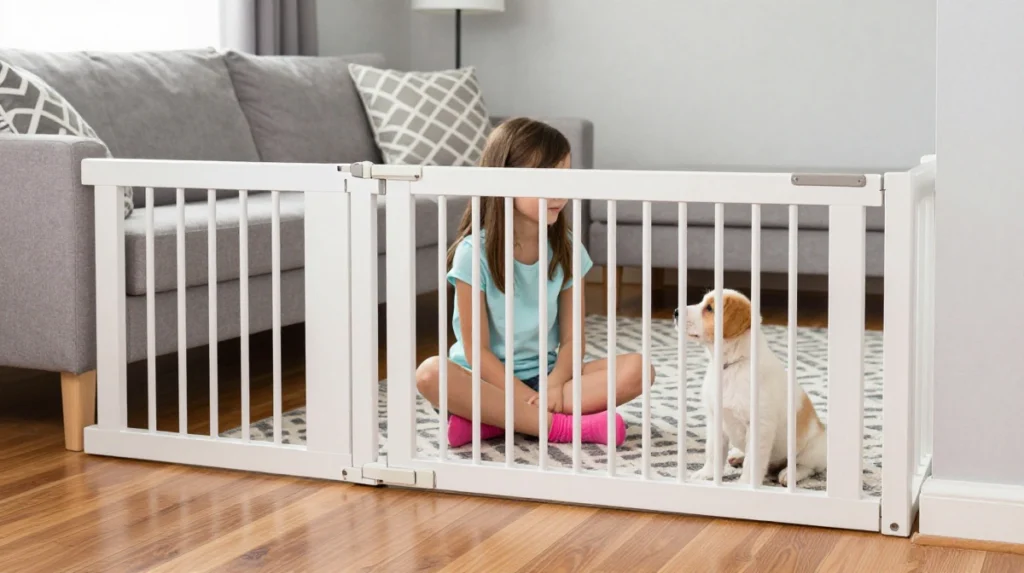
Bringing home a new puppy is one of the most exciting moments for families across the USA. But without proper guidance, many new owners unknowingly make critical puppy training mistakes that can lead to long-term behavior issues. The good news? Avoiding these common puppy training errors early on sets your furry friend up for a lifetime of good behavior.
In this comprehensive guide from Doginto.com, we’ll walk through the top 7 mistakes, why they happen, and exactly how to fix them using proven, positive methods. By the end, you’ll have practical tools to build a strong bond and raise an obedient, happy dog.
Mistake #1: Inconsistent Puppy Training – The Foundation Crumbles Without Rules
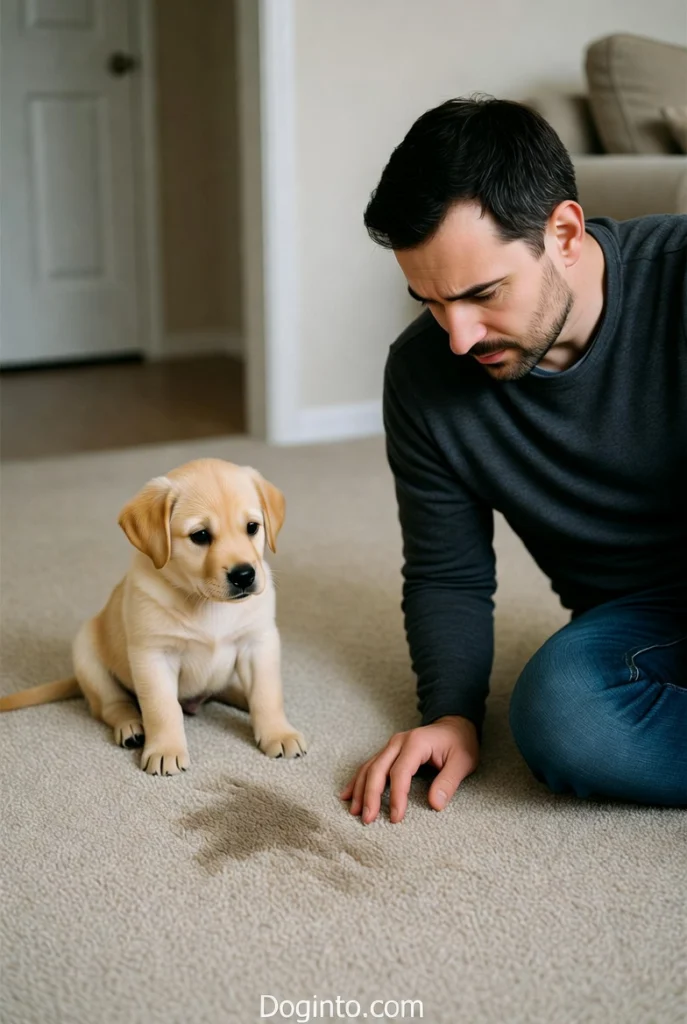
One of the most frequent new puppy owner mistakes is inconsistency. You might enforce “no jumping” one day but laugh it off the next when friends visit. Puppies thrive on clear, predictable boundaries. Inconsistent rules confuse them and slow down learning dramatically.
Think of it like teaching a child: mixed messages create chaos. For example, allowing your puppy on the couch sometimes but not others teaches them that rules are optional. This leads to puppy obedience issues later when they test limits as adolescents.
How to avoid it:
- Create a family training plan from day one. Everyone in the household must agree on commands and rules.
- Use the same verbal cues like “off” for jumping or “sit” for greetings.
- Consistency extends to schedules too. Feed, walk, and train at similar times daily.
- Short, frequent sessions (5-10 minutes, 3-4 times a day) work better than long, sporadic ones.
Many owners in the USA struggle with this during busy workweeks. Set phone reminders or use apps to track progress. Over time, your puppy will understand expectations clearly, reducing frustration for everyone.
Pro Tip: Track successes in a simple journal. Note what works and adjust together as a family. This builds authoritative training habits that experts recommend.
Mistake #2: Neglecting Early Puppy Socialization – Missing the Critical Window

Early puppy socialization is non-negotiable, yet many beginners overlook it. The sensitive period between 3-16 weeks is when puppies form lifelong impressions of the world. Skipping this leads to fearfulness, aggression, or reactivity toward people, dogs, sounds, or environments.
New owners often keep puppies isolated thinking it’s safer, but this backfires. A well-socialized puppy grows into a confident adult dog who handles vet visits, park outings, and family gatherings with ease.
Why it happens: Busy schedules or fear of disease exposure (especially before full vaccinations) cause delays. However, controlled exposure is key.
How to do it right:
- Introduce your puppy to a variety of friendly, vaccinated dogs in safe settings.
- Expose them gradually to different surfaces, noises (vacuum, traffic), and people of all ages and appearances.
- Puppy classes or playdates are excellent in most US cities.
- Use positive reinforcement training – pair new experiences with treats and praise.
Never force interactions. If your puppy seems overwhelmed, take a step back. Owners who invest here report fewer beginner dog training problems down the road.
Mistake #3: House Training Failures – The Most
Common Frustration
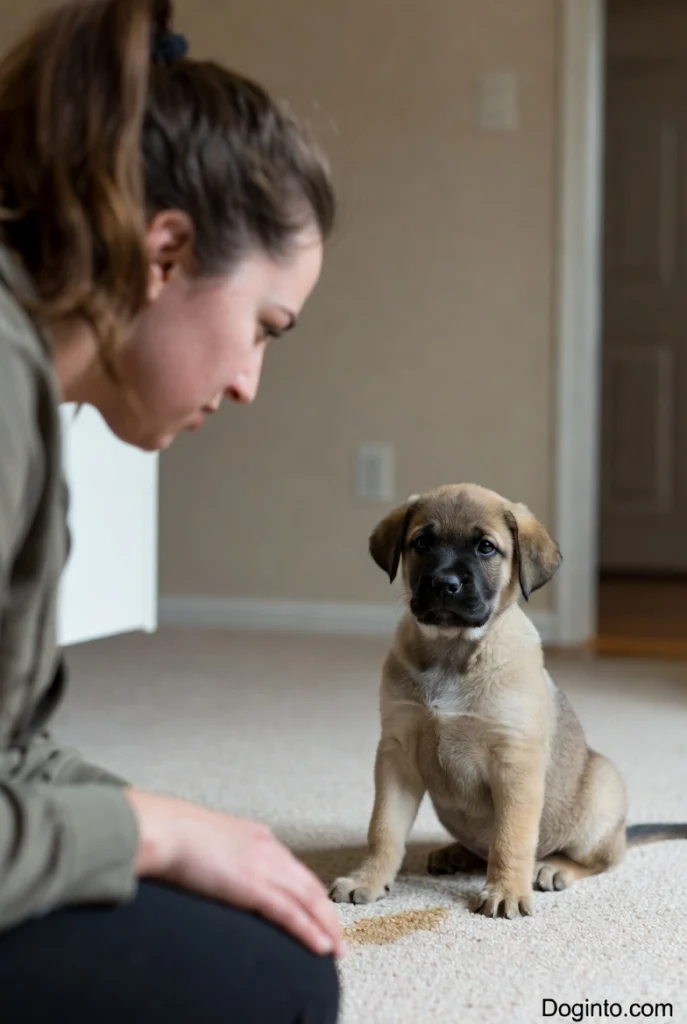
House training failures top the list of complaints from new puppy parents. Accidents happen, but repeated issues often stem from misunderstanding puppy physiology or inconsistent routines. Puppies have tiny bladders and need to go every 30-60 minutes when young, plus after meals, naps, and play.
Rubbing their nose in it or punishing after the fact doesn’t work and damages trust. It creates anxiety around elimination, worsening the problem.
Effective house training strategy:
- Establish a strict schedule. Take your puppy out first thing in the morning, after meals, after naps, and before bed.
- Use a cue word like “potty” and reward immediately with praise and treats when they go outside.
- Crate training helps because dogs naturally avoid soiling their den. Never use the crate for punishment.
- Clean accidents thoroughly with enzymatic cleaners to remove scents.
Patience is crucial – most puppies are reliably house trained by 4-6 months with consistency. Celebrate small wins to stay motivated.
Mistake #4: Crate Training Mistakes – Turning a Safe Space into a Prison
Many view crates negatively, but done correctly, crate training provides security and aids house training. Common errors include leaving puppies in too long, using it for punishment, or introducing it abruptly without positive associations.
A properly crate-trained dog sees it as their personal retreat, reducing separation anxiety – a big issue for working American families.
Best practices:
- Choose the right size: enough room to stand and turn but not so big they can eliminate in one corner.
- Make it cozy with bedding and toys. Feed meals inside and toss treats to build positive links.
- Start with short periods and gradually increase. Never exceed 4-5 hours for young pups.
- Avoid whining reinforcement by waiting for quiet moments before releasing.
Mistake #5: Relying on Punishment Instead of Positive Reinforcement Training

Harsh corrections like yelling, leash yanking, or alpha rolls create fear, not learning. Modern experts universally recommend positive reinforcement training because it builds trust and eagerness to learn.
Punishment suppresses behavior temporarily but doesn’t teach alternatives. Your puppy might stop jumping out of fear but could develop anxiety or aggression.
Switch to rewards:
- Use high-value treats, toys, or play for desired behaviors.
- Mark successes instantly with a clicker or word like “yes!” Then reward.
- For example, reward “sit” before greeting people to curb jumping.
In the USA, force-free training classes are widely available and produce happier, more reliable dogs.
Mistake #6: Ignoring Puppy Obedience Issues Early On – Small Problems Become Big Ones

Biting, chewing, leash pulling, and excessive barking are beginner dog training problems that escalate without intervention. Puppies explore with their mouths – it’s normal but must be redirected.
Waiting until 6 months to address issues makes correction much harder as habits solidify.
Intervention techniques:
- For mouthing: Offer appropriate chew toys and praise when used.
- Leash manners: Use treats to keep focus during walks.
- Barking: Teach “quiet” with rewards for stopping.
- Daily mental stimulation through puzzle toys prevents many issues.
Mistake #7: Overlooking Exercise, Mental Stimulation, and Breed Needs
Many new owners underestimate exercise requirements. A tired puppy is a well-behaved puppy. Under-exercised dogs develop destructive behaviors from pent-up energy.
Different breeds have different needs – a Border Collie requires more activity than a Bulldog. Research your puppy’s breed thoroughly.
Balanced routine:
- Combine physical walks with mental games.
- Teach tricks, use food-dispensing toys, or try scent work.
- Incorporate socialization outings, but balance with rest (puppies need 18-20 hours of sleep daily).
Advanced Tips for Long-Term Success
- Training Sessions Structure: Keep sessions short and end on a high note. Gradually increase difficulty and distractions.
- Handling Setbacks: Regressions are normal, especially during teething or adolescence. Stay consistent.
- Professional Help: Consider certified trainers if issues persist.
- Nutrition and Health: Proper diet affects energy and focus. Consult your vet.
- Family Involvement: Make training a bonding activity for everyone.
By addressing these common puppy training errors, you’ll enjoy a harmonious relationship with your dog for years.
Conclusion: Your Path to a Well-Trained Puppy Starts Today
Avoiding these 7 puppy training mistakes transforms challenges into rewarding progress. Remember: patience, consistency, and positive reinforcement are your best tools. Every new owner can succeed with the right approach.
Start implementing one change today – your future self (and dog) will thank you. Visit Doginto.com for more expert guides on raising happy, healthy dogs.
FAQ’s
At what age should I start training my puppy?
Start training as early as 8 weeks old. Puppies are capable of learning basic commands like “sit” and “stay” from day one. Short, positive sessions work best.
What’s the most common mistake new puppy owners make?
Inconsistent training is the #1 mistake. When family members enforce different rules, puppies become confused and learning slows down significantly.
How long does it take to house train a puppy?
Most puppies become reliably house trained between 4-6 months of age. However, consistency is key – stick to a schedule and reward every success.
Should I use a crate for training?
Yes, when used correctly. Crate training provides a safe space and aids house training. Never use the crate as punishment and avoid leaving puppies inside too long.
What is positive reinforcement training?
Positive reinforcement rewards desired behaviors with treats, praise, or play. It builds trust and motivates dogs to repeat good behaviors, unlike punishment which creates fear.