Border Collies rank as the smartest dog breed for a reason. That intense focus and endless drive make them incredible partners for the right person and absolute chaos for the wrong one. They need jobs, structure, and serious daily outlets or they invent their own—usually at the expense of your shoes, garden, or sanity. Here’s how to give a Border Collie the life they were built for.
The Border Collie Mind: Always Working
These dogs think constantly. They notice every movement, anticipate your next action, and stay ready to work even when you’re not. That intelligence is a gift when you direct it and a problem when you don’t.
Border Collies form strong bonds and often become deeply attached to one or two people. They can be reserved with strangers and sensitive to correction. Harsh training methods shut them down or create anxiety fast.
Expect a dog that watches you like a hawk and needs mental challenges every single day. A bored Border Collie is a destructive Border Collie.
Exercise: Quantity and Quality Both Matter
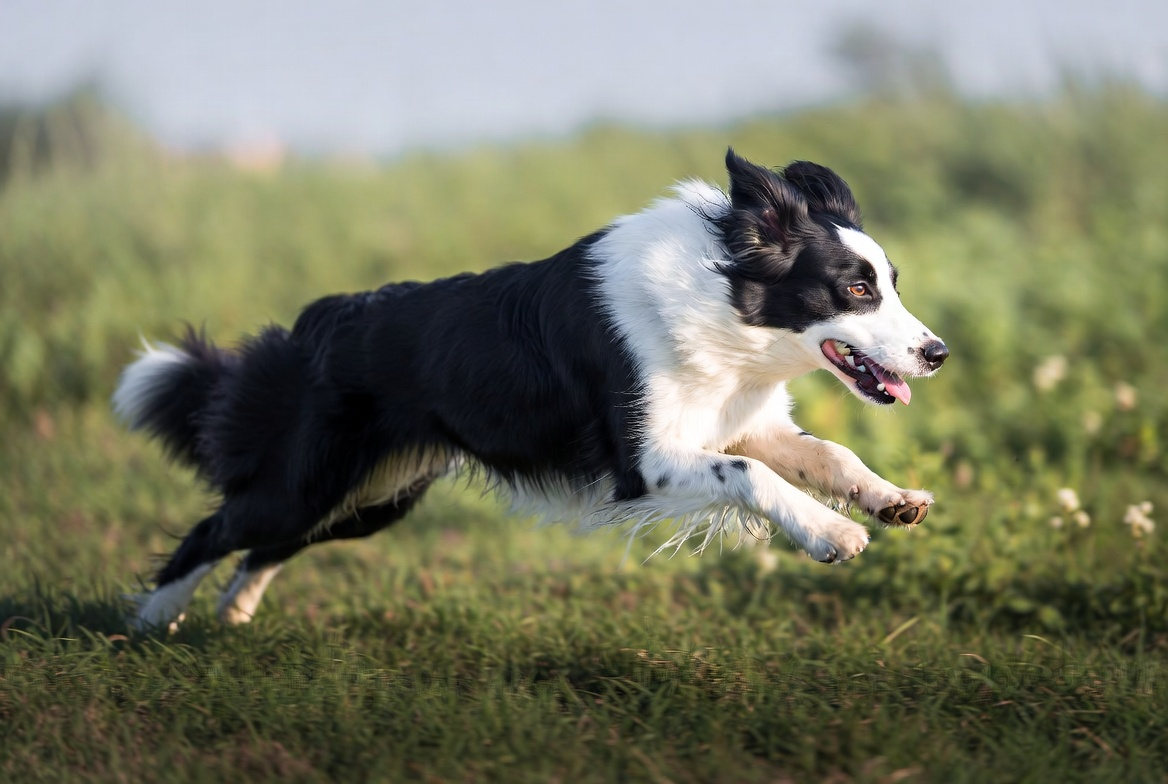
Most Border Collies need 90 minutes to two hours of real activity daily. Long walks alone rarely satisfy them. Add running, hiking, fetch with a purpose, or herding-style games to burn the physical energy.
Mental work tires them faster than pure physical exercise. Puzzle toys, scent work, advanced obedience, agility, or learning new tricks give that sharp brain something productive to do. Without both, you get restlessness, excessive barking, or obsessive behaviors.
Puppies need carefully managed exercise to protect growing joints. Short sessions and free play work better than long structured runs until they mature.
- Daily physical outlets: running, hiking, swimming, fetch
- Daily mental outlets: training games, nose work, puzzles
- Watch for over-exercise in young dogs
- Provide a “job” even on rest days
Signs They’re Not Getting Enough
Staring at walls, chasing lights or shadows, herding children or other pets, and destructive chewing often signal unmet needs. Increase both physical and mental work before the habits become fixed.
Training: Use Their Brains, Don’t Fight Them
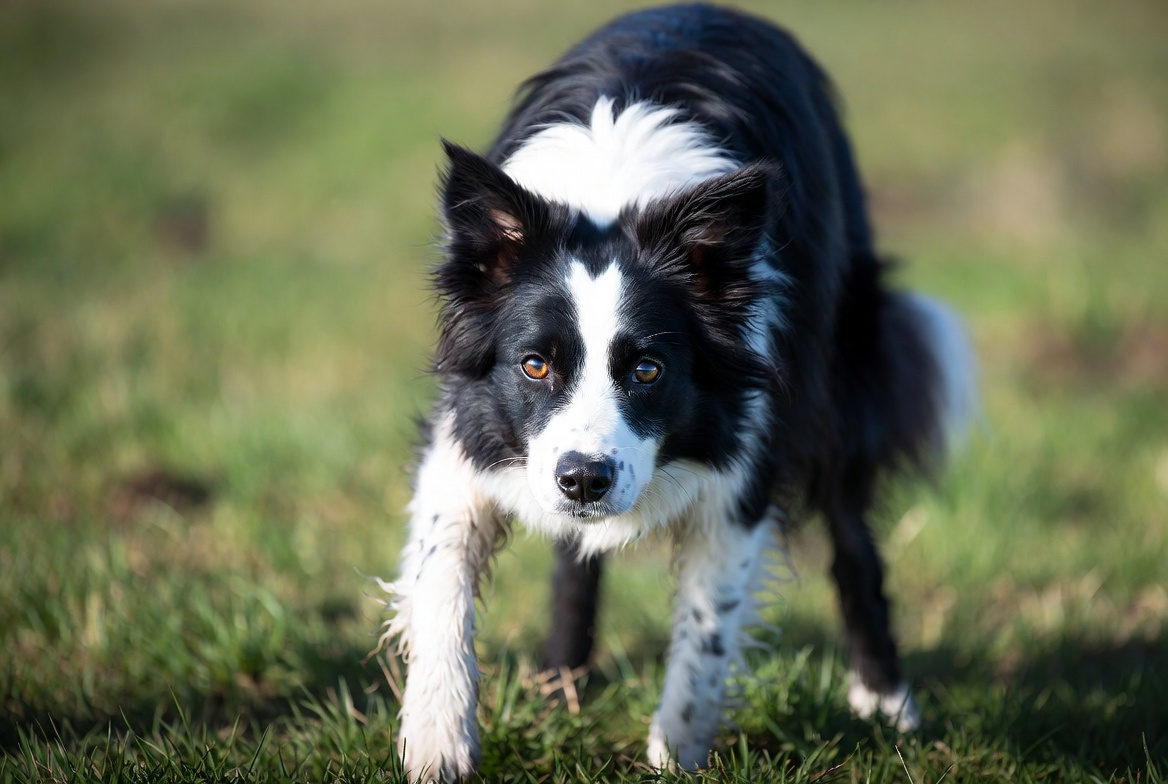
Border Collies learn at lightning speed. They pick up cues after only a few repetitions and often generalize them quickly. That same speed means they also learn unwanted behaviors just as fast if you’re inconsistent.
Positive reinforcement works best. Keep sessions short, upbeat, and varied. Once they master basics, move to more complex skills or dog sports. Agility, flyball, obedience, and herding trials give them the outlet they crave.
Impulse control training is essential. Teach solid stays, leaves, and recalls early. A Border Collie that cannot settle or ignore distractions becomes difficult to live with in normal environments.
- Start training the day they come home
- Keep sessions short and highly rewarding
- Practice in different locations with rising distractions
- Give them advanced skills once basics are solid
- Never underestimate their need for ongoing mental work
Grooming and Coat Care
The double coat sheds seasonally and needs regular brushing to prevent mats and reduce loose hair in the house. A slicker brush and undercoat rake a few times a week keep most coats manageable.
Baths every 6–8 weeks usually suffice unless they roll in something spectacular. Check ears regularly and keep nails trimmed. Their active lifestyle often wears nails down, but many still need help.
Some Border Collies have smoother coats while others carry more length and feathering. Adjust brushing frequency to the individual dog.
Health Issues Worth Monitoring
Hip dysplasia and elbow issues appear in the breed, so choose breeders who health-test. Collie Eye Anomaly and other inherited eye conditions also occur—annual eye exams help catch problems early.
Epilepsy shows up in some lines. Epileptic dogs often live full lives with proper management, but you need to know the family history. Sensitivity to certain medications (the MDR1 gene) affects some Border Collies and related breeds.
Keep them lean. Extra weight stresses joints and can worsen any orthopedic tendencies. Regular vet checks and prompt attention to limping or changes in behavior pay off.
Living Successfully With a Border Collie
These dogs do best with active owners who enjoy training and outdoor time. They can adapt to various living situations if their exercise and mental needs get met, but they rarely thrive as pure couch companions.
They often excel with older children who can participate in training and play. Very young kids may overwhelm them or get herded. Supervision and teaching both the dog and the children appropriate interaction remain important.
IMO, the biggest mistake people make is underestimating the daily time commitment. A Border Collie is closer to a high-performance athlete and working partner than a low-maintenance pet.
- Provide structured daily exercise and training
- Offer puzzle toys and scent games regularly
- Maintain consistent rules and routines
- Socialize early and ongoing
- Plan for an active lifestyle lasting 12–15 years
FAQ’s
How much exercise does an adult Border Collie really need?
Most need 90–120 minutes of combined physical and mental activity every day. Some high-drive individuals need even more. A couple of short walks will not cut it for the average Border Collie.
Are Border Collies good for first-time owners?
Only if the owner is highly committed to training and exercise. Their intelligence and energy level overwhelm many beginners. Experienced or very dedicated first-time owners can succeed with the right support.
Do they get along with other pets?
Many do when raised together and properly managed. Their herding instinct can lead to chasing or nipping at other animals. Early socialization and training help a lot.
How bad is the shedding?
Moderate to heavy, especially during seasonal coat blows. Regular brushing reduces the amount of hair that ends up on furniture and clothes.
Can Border Collies live in apartments?
Yes, if you meet their exercise and mental needs outside the home. Without enough outlets, apartment living becomes stressful for both dog and owner.
Related Articles:
- How to Make Homemade Dog Treats for Under $5
- Best Dog Food Delivery Services Compared
- 7 Human Foods That Are Actually Good for Dogs
Give Them the Work They Were Born For
Border Collies thrive when their bodies and minds stay busy with purposeful activity. Meet the exercise and training requirements consistently and you gain an extraordinarily intelligent, loyal, and capable partner. Ignore those needs and the same traits create frustration for everyone. These dogs are not for casual owners. If you want a true working companion and can commit to the daily effort, a well-bred, well-trained Border Collie becomes one of the most rewarding dogs you will ever live with. Choose carefully, start training early, and keep them working—they will repay you with unmatched focus and devotion.