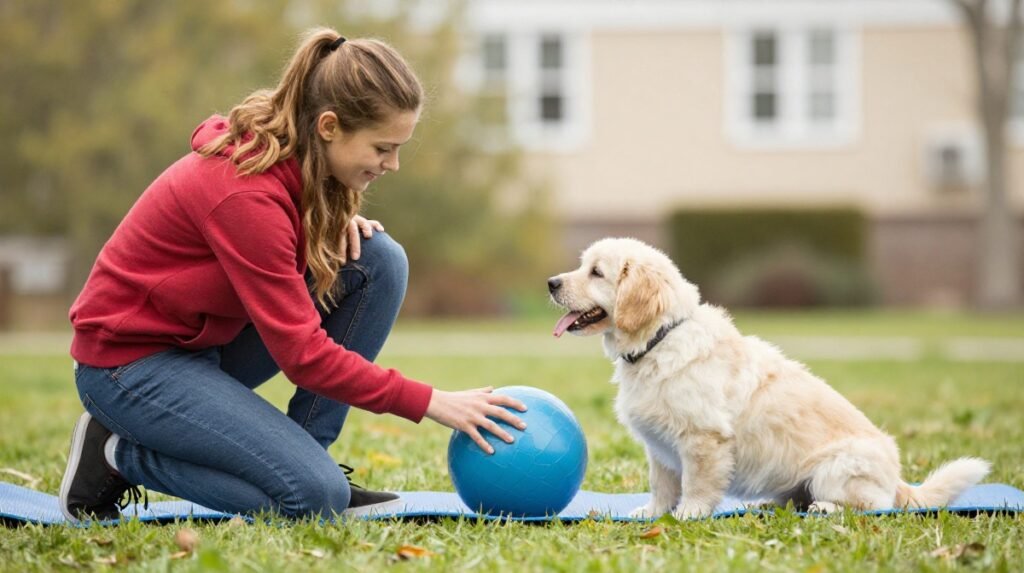
Your dog just growled over a toy, lunged hard at another dog on a walk, or snapped when someone reached toward their food bowl. That knot in your stomach is real. Aggressive behavior in dogs rarely stays the same—it often escalates if you wait and hope it fades. Knowing when to stop DIY attempts and call a professional protects everyone, including your dog.
What Counts as Aggressive Behavior (and What Doesn’t)
Not every bark or stiff posture means your dog is dangerous. Reactivity—barking, lunging, or spinning at triggers—often comes from fear, frustration, or over-arousal. Aggression aims to create distance or stop a threat and can include growling, snapping, or biting.
The line blurs fast. A dog that lunges and barks may still bite if the trigger gets closer. Resource guarding that starts with a freeze or soft growl can escalate to a hard snap. Context and intensity matter more than labels.
Watch the full picture. A dog that freezes, gives a hard stare, growls, then snaps is communicating clearly. Ignoring those early signals teaches the dog that louder warnings are necessary.
Any history of biting that breaks skin or causes injury raises the stakes immediately. Even a single incident changes the risk level for everyone involved.
The Clear Red Flags That Mean Call a Pro Today
Some situations leave no room for “wait and see.”
- Your dog has bitten a person or another animal, even once
- Lunging or snapping happens with little warning or at increasing intensity
- You feel unsafe walking your dog or having guests in the house
- Family members, especially children, start avoiding the dog
- Behavior is getting worse despite careful management
- Your dog redirects onto you or the leash during outbursts
Sudden changes also count as red flags. A previously friendly dog that starts growling at familiar people or becomes unpredictable around food deserves a closer look right away.
Quality of life drops for everyone when you rearrange your entire routine around avoiding triggers. That alone is reason enough to get skilled help.
Why Waiting Usually Makes Things Harder
Every time the behavior happens and “works” (the trigger goes away), the dog practices it. The neural pathway strengthens. Early intervention keeps options open. Waiting until a serious bite occurs narrows them.
FYI, professionals see the same pattern constantly: owners who wish they had called six months earlier.
Rule Out Medical Issues First
Pain changes behavior. Dental disease, arthritis, ear infections, neurological problems, or even subtle discomfort can turn a tolerant dog into one that snaps. A sudden shift in personality almost always warrants a full veterinary exam before any training plan begins.
Your regular vet can run baseline tests and refer you if needed. Never skip this step. Training a dog that hurts will fail and can make the aggression worse.
Some medical conditions respond well to treatment, and the “aggression” softens once the pain fades. Others need both medical and behavioral support at the same time.
Who to Call: Trainer, Behavior Consultant, or Veterinary Behaviorist?
The dog training world is unregulated. Anyone can call themselves a trainer. For aggression, credentials matter.
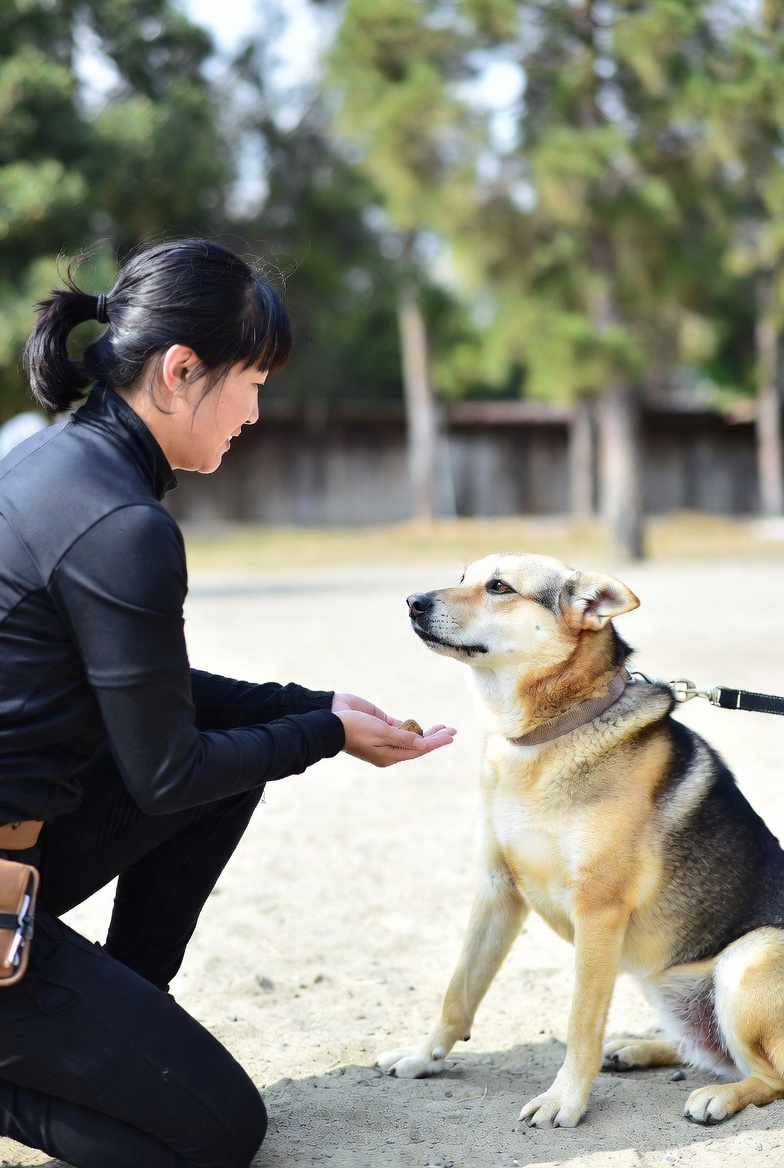
A solid force-free certified trainer or Certified Dog Behavior Consultant (look for CDBC, CBCC-KA, or similar) can handle many cases of reactivity and milder aggression. They design management plans and teach you desensitization and counterconditioning.
When bites have occurred, intensity is high, or medical factors may play a role, a veterinary behaviorist (DACVB or equivalent) is the better choice. These are veterinarians with specialized residency training. They can diagnose, prescribe medication if needed, and create comprehensive plans.
Avoid anyone who talks about dominance, pack leadership, or using pain and intimidation. Those methods increase fear and can escalate aggression.
Ask direct questions: How many aggression cases have you handled? What methods do you use? What happens if the behavior does not improve? A good professional answers clearly and prioritizes safety.
What Good Professional Help Actually Looks Like
Expect a thorough history. A skilled professional asks detailed questions about triggers, intensity, body language, and your daily management. They observe the dog carefully—often starting at a distance where the dog can stay under threshold.
You receive a written plan that includes:
- Strict management to prevent more rehearsals of the behavior
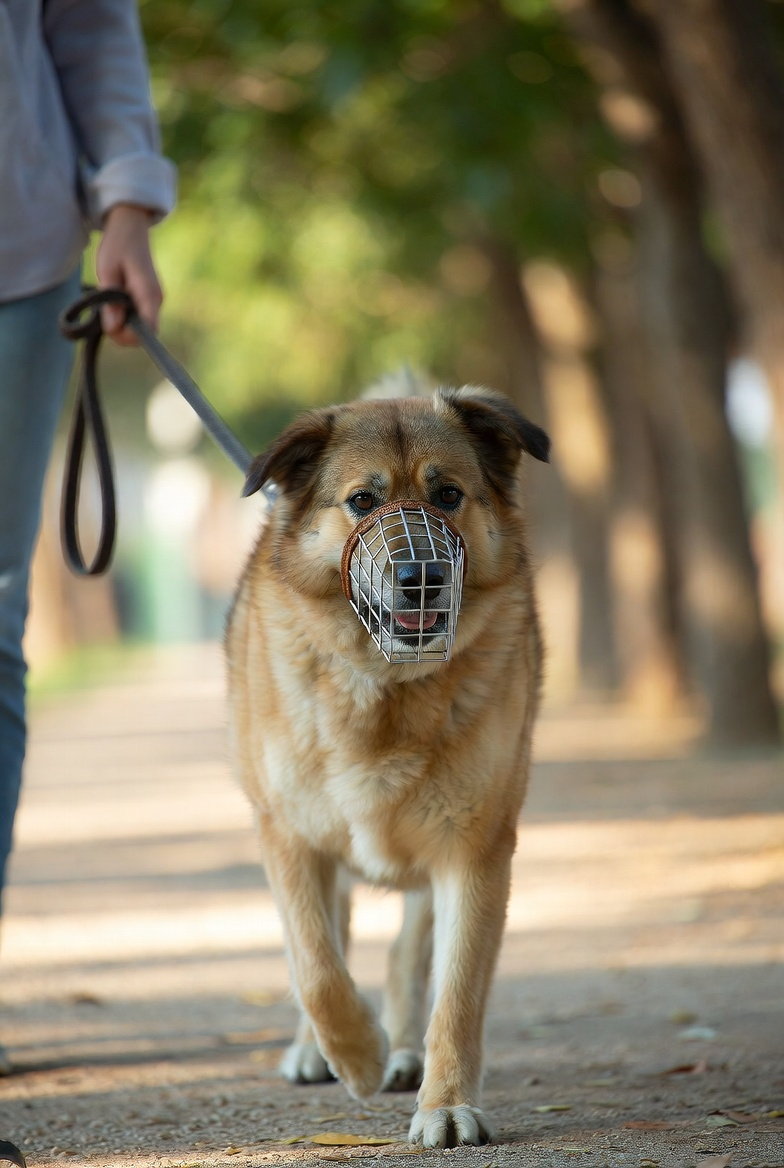
- Safety tools such as secure equipment and, when appropriate, muzzle training
- Behavior modification exercises done at the dog’s emotional pace
- Clear criteria for progress and when to adjust
Progress is measured in smaller reactions, faster recovery, and improved quality of life—not overnight miracles. Realistic professionals never promise a “cure.” They aim for manageable, safer behavior.
Medication sometimes forms part of the plan, especially for high anxiety or intense fear. That decision belongs to a veterinarian, not a trainer.
Safety and Management While You Wait for Help
Until you have a solid plan, management is your best tool. Prevent the dog from practicing the aggressive behavior.
Use baby gates, closed doors, or crates to create safe zones at home. Walk at quieter times or in less busy locations. Keep high-value items picked up if resource guarding is an issue. Teach a solid “leave it” and “come away” using rewards, but never test the dog’s limits.
Muzzle training done positively (with lots of treats and choice) gives you an extra layer of safety for walks or vet visits. A well-fitted basket muzzle still lets the dog pant, drink, and take treats.
Stay calm yourself. Dogs read human tension. Your job right now is to keep everyone safe and avoid situations that push the dog over threshold.
FAQ:
Is growling always a reason to call a professional?
Not automatically. Growling is valuable communication. A dog that growls over a bone and stops when you give space is giving useful information. Escalate to professional help if the growling intensifies, happens over more triggers, or is paired with stiff body language and hard stares that do not resolve with space.
My dog only reacts to other dogs. Is that still serious?
Yes, if the intensity is high or you cannot safely manage walks. Dog-directed aggression can still result in injury to other animals or to you if the dog redirects. A professional helps you assess risk and build a workable plan.
Can aggression be completely fixed?
Some dogs improve dramatically and live normal lives with good management and training. Others need lifelong management. Honest professionals focus on reducing risk and improving daily life rather than promising a perfect dog.
Should I try online courses or YouTube first?
General education is fine. Specific aggression protocols from unqualified sources can increase risk. Once biting, intense lunging, or safety concerns appear, personalized professional assessment is safer than following generic videos.
What if I cannot afford a veterinary behaviorist right away?
Start with a well-credentialed force-free behavior consultant who has aggression experience. Many can begin management and basic modification while you work toward a veterinary behaviorist referral if needed. Some clinics offer payment plans or lower-cost options through veterinary schools.
How do I know if the professional is actually qualified?
Look for transparent credentials, force-free methods, and willingness to collaborate with your veterinarian. Ask for references from past aggression cases. Avoid anyone who guarantees results or relies on aversive tools as the primary approach.
Related Articles:
- How to Choose the Right Dog Breed for Your Lifestyle
- 10 Cutest Mixed Breeds You Should Know
- Best Dog Breeds for Allergy Sufferers
Final Thoughts
Aggressive behavior is a welfare and safety issue, not a moral failing on your part or the dog’s. Calling a qualified professional early gives you the best chance of keeping everyone safe and improving your dog’s emotional state. Manage carefully in the meantime, rule out pain, and choose help that prioritizes force-free, science-based methods. Your dog is counting on you to make the call when the warning signs appear. You’ve already taken the first step by looking for clear answers.