Your adult dog freezes, stiffens, or lunges the second another dog appears. Sound familiar? Socializing a grown dog feels slower and messier than puppy work, but it still works when you stop forcing interactions and start managing distance. Adult dogs can learn calm confidence around people, dogs, and new places. You just need a different playbook than the one that works for eight-week-olds.
Why Adult Dog Socialization Looks Completely Different
Puppies soak up new experiences like sponges. Adult dogs already carry memories, preferences, and sometimes baggage. That history means you cannot just throw them into a dog park and hope for the best.
The goal shifts too. Many adult dogs never need to become social butterflies who play with every dog they meet. Comfort and calm around everyday life often matters more than friendship. A dog that can walk past other dogs without reacting or accept a stranger at a polite distance already wins.
Rescues and older dogs especially need extra decompression time. The famous rule of threes still holds: three days to settle, three weeks to show personality, three months before you really know them. Rushing past that window sets everyone up for frustration.
Read Your Dog’s Signals Before You Do Anything Else
Body language tells you everything. Learn the early stress signals so you never push past your dog’s comfort zone.
Watch for these red flags:
- Stiff body or frozen posture
- Whale eye (whites of the eyes showing)
- Ears pinned back or tightly forward
- Lip licking, yawning, or nose licking when not tired or hungry
- Tail tucked or held high and rigid
- Turning away or trying to create distance
When you see those signals, you have already gone too far. Increase distance immediately. A dog that still takes treats and keeps a loose body sits right at the useful threshold. That is your starting line.
Never punish fear or reactivity. Yelling or correcting only adds more stress and damages trust. Your job is to change the emotion, not suppress the symptom.
Start Below Threshold – The Real Golden Rule
Threshold means the distance or intensity where your dog notices the trigger but can still think and take food. Work just under that line every single time.
If your dog reacts at 40 feet, start at 60 or 80. Feed high-value treats the moment they notice the other dog or person and stay calm. The trigger becomes the predictor of chicken or cheese. That is classic counterconditioning.
Keep sessions short—ten to fifteen minutes max. End while your dog still feels successful. Longer sessions let stress pile up even if each moment looked okay.
IMO, the biggest mistake people make is treating socialization like a checklist instead of an emotional process. Your dog’s feelings decide the pace, not your calendar.
Parallel Walks Work Wonders
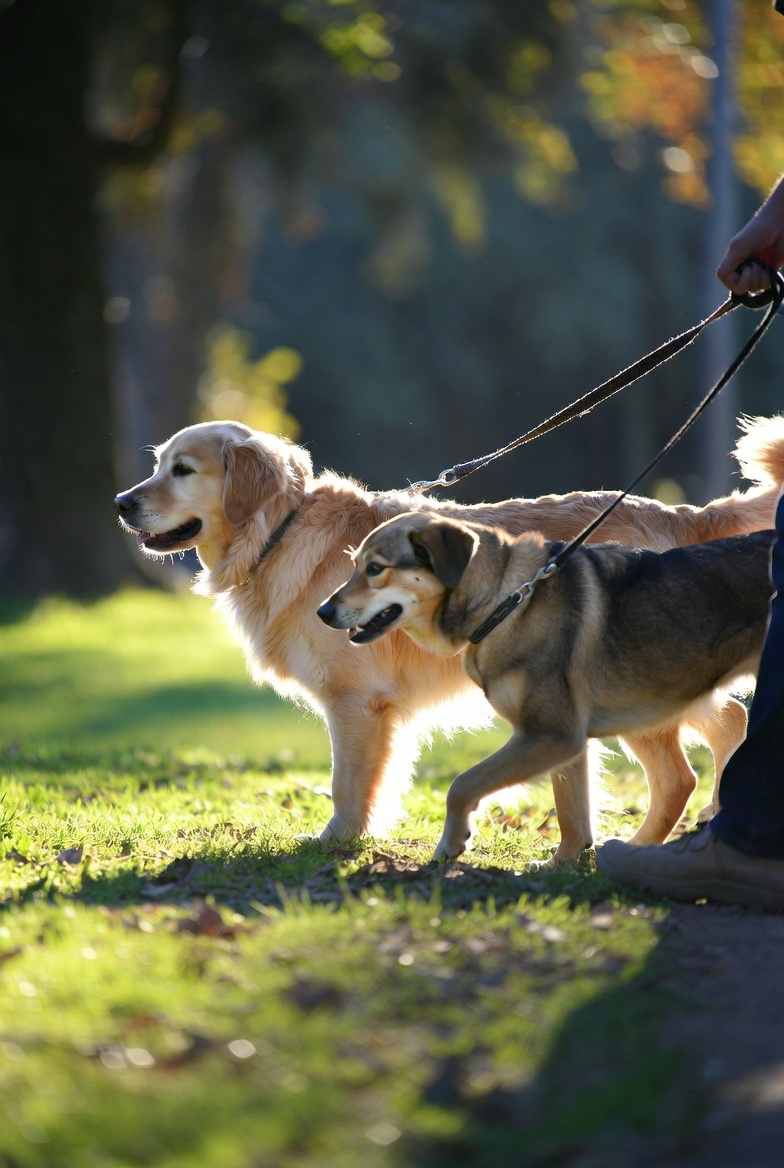
Find a quiet path or park with good sight lines. Walk parallel to another calm dog and handler at a comfortable distance. Every time your dog looks at the other dog and then glances back at you, mark it with a cheerful “yes” and reward heavily.
This builds the habit of checking in with you instead of fixating. Over multiple sessions you can slowly close the gap as long as both dogs stay relaxed.
Practical Ways to Introduce People and New Places
People often feel more threatening than other dogs. Start the same way—distance first.
Ask a calm friend to stand far away and toss treats toward your dog without approaching. Let your dog decide whether to move closer. Never force greetings or allow people to reach over the dog’s head. Sideways approaches and letting the dog sniff first feel safer.
New environments follow the same pattern. Park the car, sit quietly, and let your dog observe from a distance while you feed treats. Gradually move closer only when the body language stays soft. Pet stores, quiet outdoor cafes, or friends’ yards work well once the basics stick.
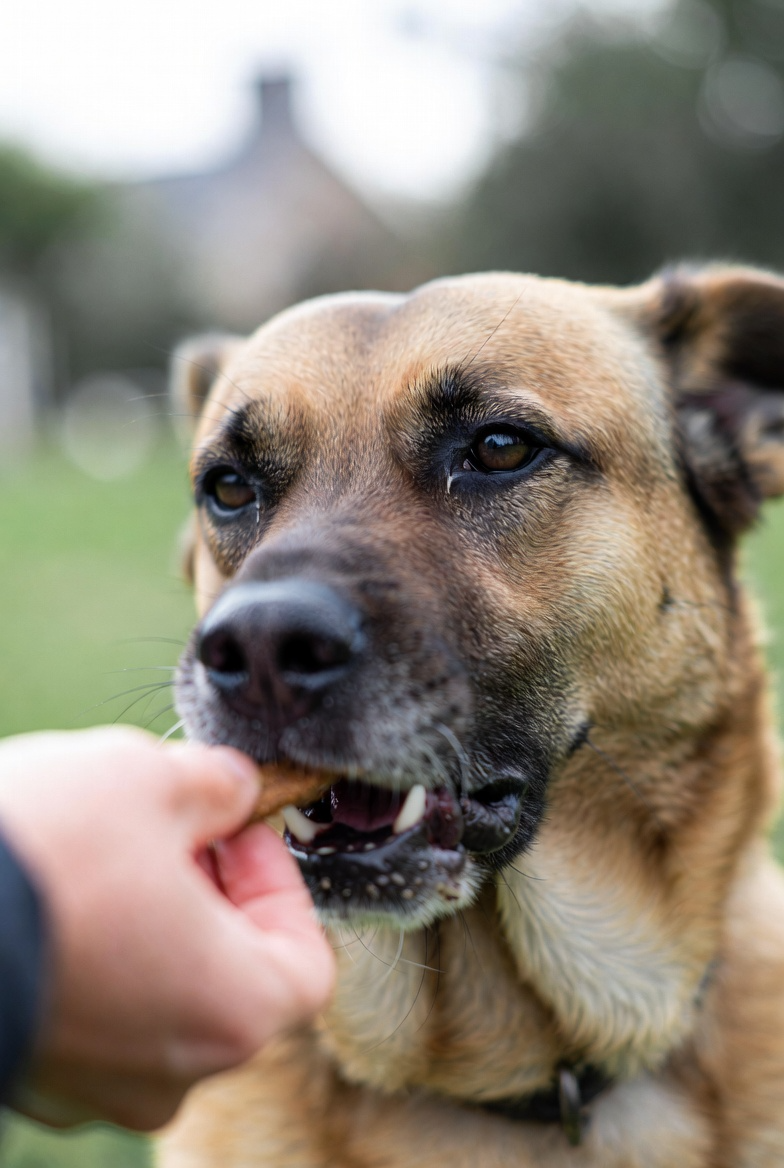
Carry the good stuff. Regular kibble rarely cuts it for adult dogs learning new emotional responses. Soft, smelly, high-value treats make the difference between “meh” and “this is actually okay.”
- Identify one trigger at a time
- Find the distance where your dog stays under threshold
- Pair the sight of the trigger with excellent rewards
- Slowly decrease distance over many successful sessions
- Always end on a win and go home
What Success Actually Looks Like
Success rarely means your dog becomes the life of the dog park. Many adult dogs prefer polite coexistence over play. A dog that can walk past others on a loose leash, take treats near strangers, or settle in a new environment already shows real progress.
Celebrate the small stuff. A single glance back at you instead of a lunge counts. A soft tail instead of a stiff one counts. Those micro-wins add up faster than dramatic breakthroughs.
Some dogs simply prefer human company or a small circle of known dogs. That is perfectly fine. Forcing social butterflies status on a dog who does not want it creates unnecessary stress.
When Professional Help Makes Sense
If your dog shows intense fear, aggression, or zero progress after consistent careful work, bring in a certified professional. Look for force-free trainers or veterinary behaviorists who understand desensitization and counterconditioning.
A good trainer watches the subtleties you might miss and designs a plan tailored to your specific dog. They also keep everyone safer while the emotional work happens.
Some medical issues can amplify reactivity or fear. Pain, vision changes, or hormonal shifts sometimes play a role, so a vet check before heavy behavior work is smart.
Common Pitfalls That Slow Everything Down
Pushing for greetings too soon remains the number-one mistake. Dogs do not need to meet every dog or person. Comfort at a distance often matters more.
Using the same low-value treats day after day weakens the association. Rotate high-value options so the rewards stay exciting.
Ignoring your own tension also backfires. Dogs read human stress instantly. Take a breath, keep the leash loose, and act like the situation is no big deal—even when it feels big.
Finally, comparing your adult dog to someone else’s social puppy only creates pressure. Every dog’s timeline looks different.
FAQ’s
How long does it take to socialize an adult dog?
Expect weeks to months of consistent short sessions rather than overnight change. Some dogs show clear progress in a few weeks. Others need several months of careful work. The pace belongs to the dog.
Should I take my adult dog to a dog park?
Most trainers say no, especially early on. Dog parks offer zero control over intensity or the other dogs’ manners. Parallel walks and carefully chosen one-on-one meetings give far better results with less risk.
My dog only reacts on leash. What helps?
Leash frustration is common. Practice parallel walking at greater distances and reward heavily for calm glances. Loose-leash skills and engagement games also reduce the tension that builds when the dog feels trapped on a short leash.
Can older senior dogs still learn to be more social?
Yes. The process stays the same—distance, positive associations, and respecting limits. Seniors often prefer quieter interactions and may tire faster, so keep sessions even shorter and gentler.
What if my dog has a history of trauma or unknown background?
Go slower than you think necessary. Prioritize safety and choice. Let the dog opt out of any interaction. Building trust through predictable, positive experiences often matters more than exposure volume in these cases.
Do I need to socialize my dog with every type of person and dog?
No. Focus on the situations your dog actually encounters in daily life. A dog that stays calm around the people and dogs in your neighborhood already succeeds. Overloading with every possible variation usually creates more stress than benefit.
Related Articles:
- Best Dog Breeds for Seniors (Calm and Loving)
- 5 Best Guard Dog Breeds for Security
- Best Dog Breeds for Active People (Hikers & Runners)
Final Thoughts
Socializing an adult dog rewards patience more than intensity. Manage distance, pair triggers with excellent rewards, watch body language like a hawk, and celebrate every small calm moment. Your dog does not need to become the most popular pup at the park. They just need to feel safe enough to move through the world with you. Take it one quiet success at a time and the confidence builds. You’ve got this.