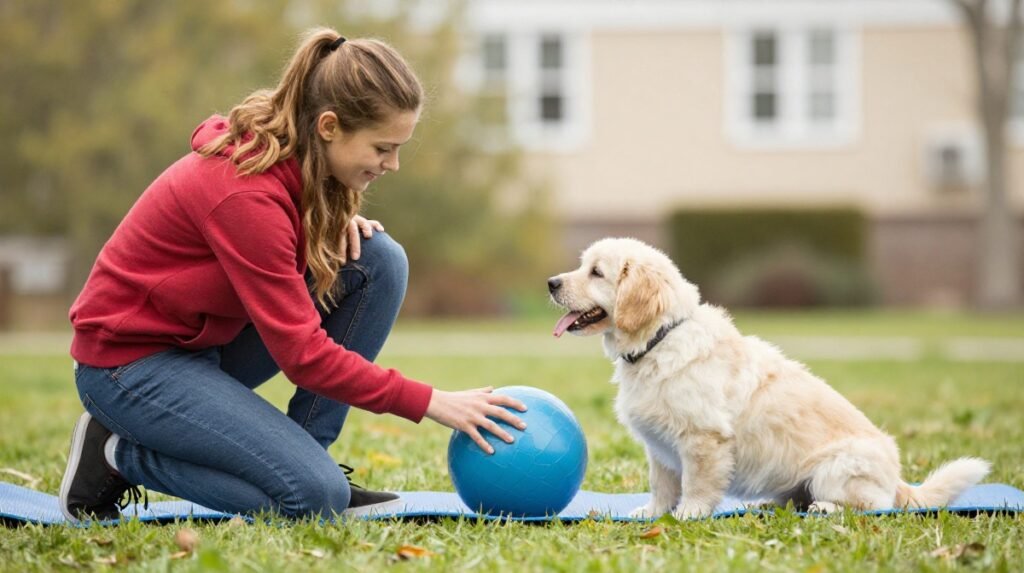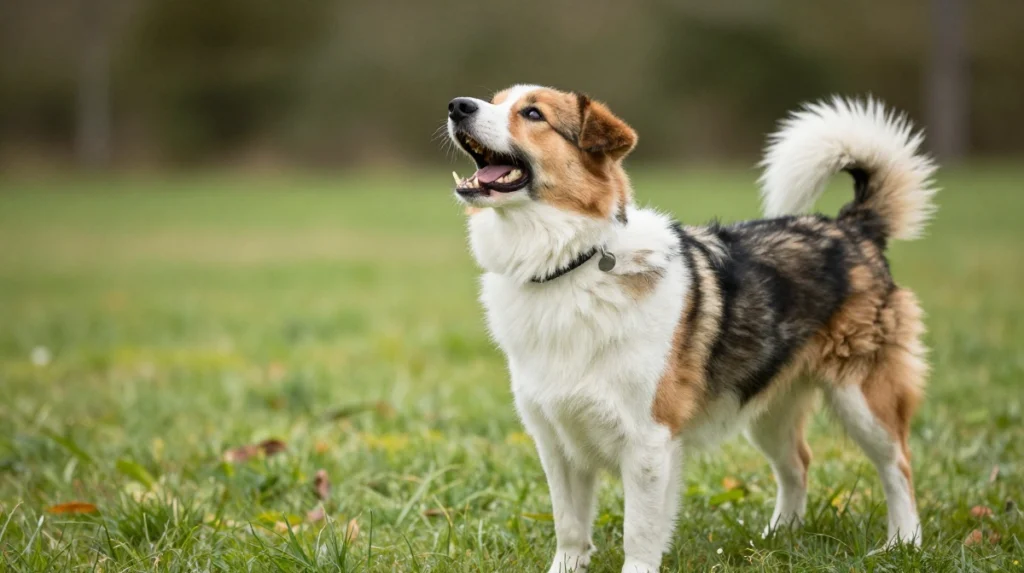
Your dog locks eyes with you for three glorious seconds, then spins off to investigate a dust bunny. Sound familiar? Short attention spans are normal for puppies, adolescents, and plenty of adult dogs. The fix is not longer lectures. It is smarter, shorter, more rewarding sessions that work with the brain your dog actually has.
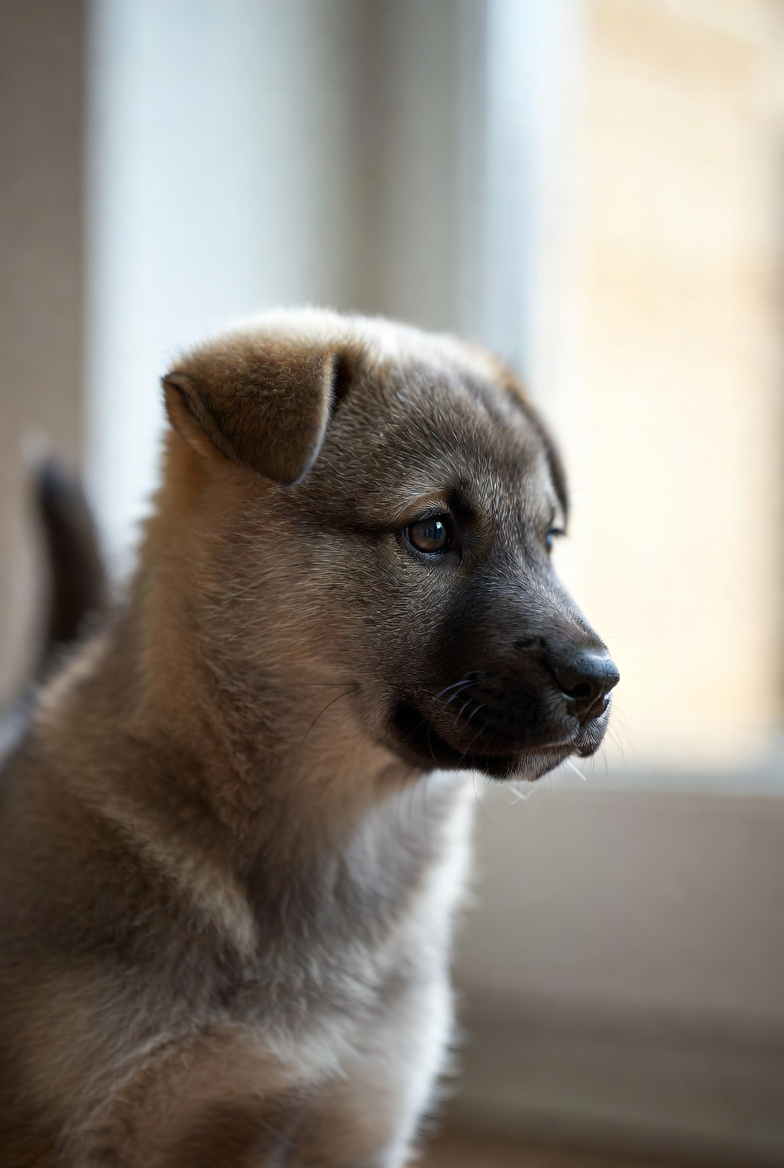
Why Some Dogs Check Out So Fast
Puppies simply do not have the neurological hardware for long focus. A rough guide is about one minute of solid attention per month of age. A three-month-old may give you three good minutes on a good day.
High-drive breeds, adolescent dogs, and dogs who live in stimulating homes also struggle. Their brains light up for movement, smells, and novelty faster than for your voice. Boredom, over-arousal, or under-stimulation can shrink attention even further.
The good news? Attention is a skill you can build. You just have to stop asking for marathon sessions and start collecting tiny wins.
The Golden Rule: Keep Sessions Ridiculously Short
Five minutes is often too long at the beginning. Aim for 30 seconds to two minutes of real work, then stop while your dog still wants more.
Several ultra-short sessions spread through the day beat one long frustrating one. Morning name game, midday sit practice, evening recall reps—each lasting under two minutes—add up without draining the tank.
End every single session on a success. If your dog nails a sit, mark it, reward, and quit. Leaving while the dog is still engaged makes them look forward to the next round.
Quality always beats quantity with a short-attention dog.
Make Yourself the Most Interesting Thing in the Room
Your dog will not focus on you if the environment pays better. Raise your value.
Use high-value rewards that your dog does not get any other time—tiny pieces of chicken, cheese, or freeze-dried liver. Deliver them fast and often at first. A high rate of reinforcement keeps the brain locked on you.
Add movement. Many dogs focus better when training feels like a game. Take three steps backward while asking for a sit. Toss a treat for them to chase after a successful rep. Motion keeps arousal in a useful range instead of letting it spill into distraction.
Practice “watch me” or name recognition as warm-ups. Reward the second those eyes hit yours. Make looking at you a jackpot behavior.
Build Focus Instead of Demanding It
Start in the quietest place you can find. No TV, no open windows, no other pets moving around. Success in zero distraction is the foundation.
Reward every glance, every offered sit, every moment of engagement. Early on you are not training the final behavior—you are training the dog to stay in the game with you.
Once your dog can give you five or six solid seconds of attention, add a tiny distraction: a family member walking through the room, a low-volume noise, a toy on the floor a few feet away. Reward the choice to look back at you.
If the dog breaks focus, do not chase or correct. Simply reset to an easier level. Frustration kills attention faster than almost anything else.
The Power of High-Rate Reinforcement
Think of reinforcement like a conversation. When the dog offers something useful, you answer immediately with something valuable. Fast, clear answers keep the dog talking. Long silences make them change the subject to the squirrel outside.
Environment Management Is Not Cheating
You cannot train focus in the middle of chaos until the dog already has some focus to give. Close the curtains. Put the other dog in another room. Train before the kids come home from school.
Use a leash or a long line even indoors if your dog tends to wander off mid-session. The leash is a training tool, not a punishment. It simply keeps the dog in the learning zone.
When you move to harder environments, drop your criteria. Ask for easier behaviors and pay better. A dog who can sit for ten seconds in the kitchen may only manage a one-second glance in the park at first. That is still progress.
Games That Stretch Attention Without Killing Motivation
Turn training into play so the short attention span works for you instead of against you.
Try the “find it” game. Hide a treat under a cup or behind your back and release the dog to search. The hunting engages the brain and ends with a clear reward.
Play reverse luring. Hold a treat, move it to get the behavior you want, then mark and feed. Keep the motion quick and the sessions tiny.
Use the Premack principle. Ask for a moment of focus, then release the dog to do something they love—sniff a bush, chase a toy, greet a person. Focus becomes the ticket to the good stuff.
Impulse-control games like “wait” for the food bowl or “leave it” with a toy also build the mental muscle that supports longer attention.
- Keep each game under two minutes
- End while the dog is still eager
- Mix easy wins with slight challenges
- Celebrate effort as much as perfection
Progress Without the Frustration Spiral
Watch for the moment your dog starts offering lower-quality responses or looking away more. That is your cue to stop or simplify. Pushing past that point teaches the dog that training is hard and boring.
Track tiny wins. Today the dog held eye contact for four seconds. Yesterday it was two. That is real improvement even if it does not look dramatic.
If your dog is especially young or high-energy, pair training with physical exercise and mental enrichment. A dog who has already had a good sniff walk or puzzle session often has more focus left for formal work.
Stay patient with the process. Attention span grows with maturity and with practice. The dog who could not hold a sit for three seconds at four months often becomes a solid working partner by a year if you keep the sessions fair.
FAQ’s
How short should sessions really be?
For many puppies and easily distracted dogs, 30 to 90 seconds of focused work is plenty at the start. You can build from there. Multiple micro-sessions throughout the day produce better results than one long attempt.
My dog only focuses when I have food. Is that a problem?
Not at the beginning. Food is a clear, fast reinforcer. Once the behaviors are strong, you can gradually add praise, toys, and life rewards. High-value food simply makes the early learning clearer.
What if my dog gets over-aroused and cannot settle?
Lower the excitement. Train after a short walk or calm enrichment session. Use calmer body language yourself. Sometimes a brief settle on a mat before formal cues helps the dog shift into working mode.
Should I use a clicker with a short-attention dog?
A clicker can help because the sound is precise and consistent. Just keep the overall session short and the rate of reinforcement high so the dog does not lose interest between clicks.
How do I know when to add distractions?
Add them only after your dog can succeed several times in a row at the current level. If success rate drops below about 80 percent, the distraction is too hard. Make it easier and rebuild.
Is a short attention span always just a training issue?
Sometimes medical factors, pain, or extreme under-stimulation play a role. If focus seems unusually poor even in ideal conditions, a vet check is wise. Most of the time, though, it is simply a young or busy brain that needs the right approach.
Related Articles:
- The Best Clicker Training Kit for Beginners
- How to Train a Dog with a Short Attention Span
- Positive Reinforcement vs. Punishment: What Works Best?
Final Thoughts
A short attention span is not a character flaw. It is information about how your dog’s brain works right now. Meet that brain where it is—with tiny sessions, high-value rewards, smart management, and games that feel worth playing. Collect the small wins, end while the dog still wants more, and the focus will grow. You do not need longer training. You need better-timed, more rewarding training. Your dog is ready when the sessions finally match their attention span. Start short and stay consistent. The rest follows.