Dog food bags love to shout “premium,” “natural,” and “farm-raised,” but the real story hides in the fine print. Learning to read labels takes about ten minutes and saves you from expensive marketing fluff for years. Once you know where to look, you stop guessing and start choosing with actual confidence.
Start With the Product Name Rules
The name on the front follows strict AAFCO rules, and those rules reveal a lot. A bag that says “Chicken Dog Food” must contain at least 95% chicken (not counting water). Drop to “Chicken Dinner” or “Chicken Entrée” and the requirement falls to just 25%. “With Chicken” only needs 3%. “Chicken Flavor” can contain almost none.
Those tiny wording differences matter. Companies use them on purpose. Scan the name first and you’ll already know how much real meat you’re actually getting.
Decode the Ingredient List Like a Pro
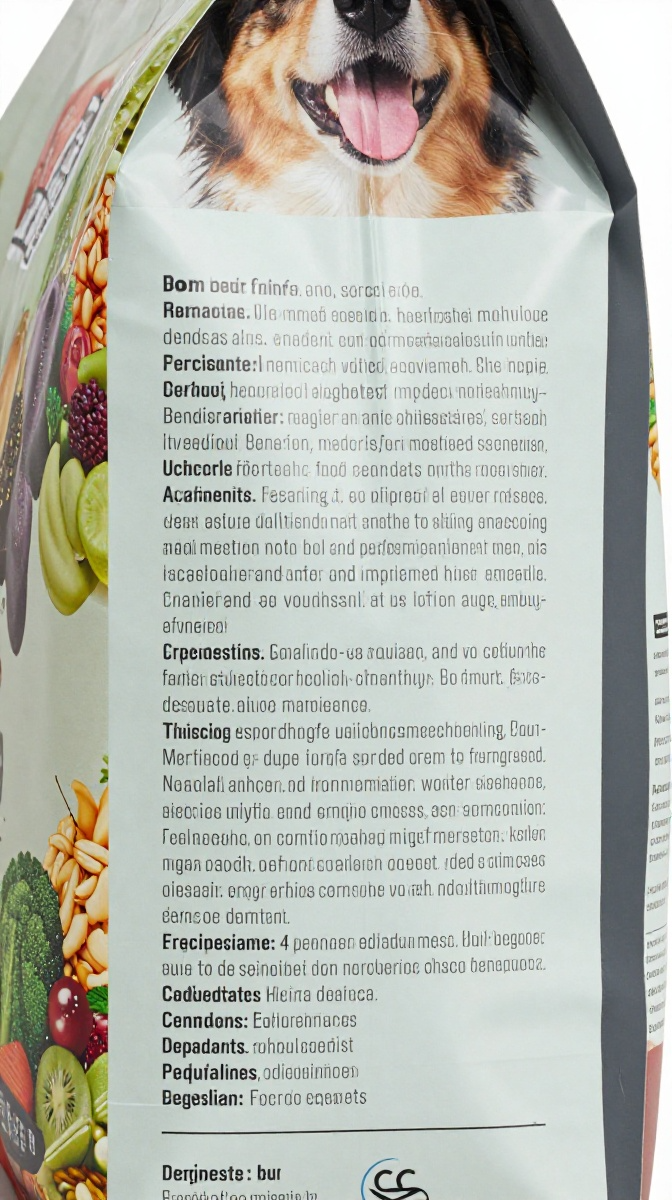
Ingredients appear in descending order by weight. The first few items make up the bulk of the food. Look for named animal proteins—chicken, beef, salmon, turkey—right at the top. Vague terms like “meat meal” or “animal by-product” give you far less information.
Watch for ingredient splitting. A company might list “peas, pea protein, pea fiber” separately so none of them outrank the meat. Add those peas together and they can easily outweigh the chicken. Smart readers notice that trick every time.
- Named meat or fish first is a strong sign
- Whole grains or quality carbs further down are fine
- Artificial colors, BHA, BHT, or propylene glycol are red flags
Master the Guaranteed Analysis Panel
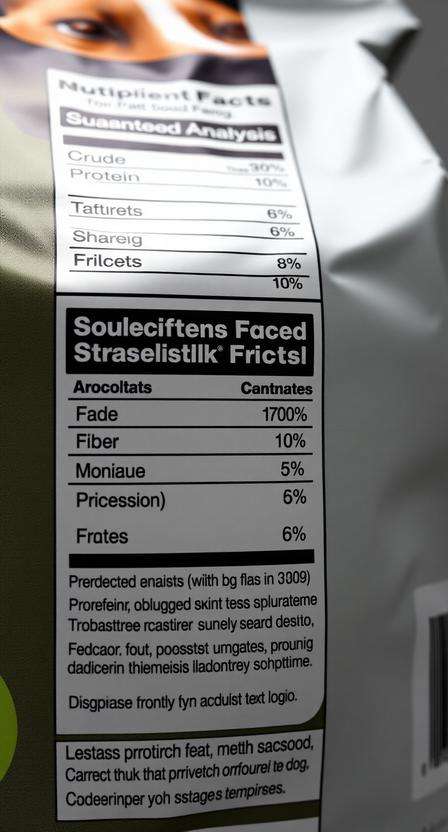
This box shows minimum protein and fat plus maximum fiber and moisture. Those numbers are useful but incomplete because they include water weight. To compare two foods fairly, convert them to a dry-matter basis.
Here’s the quick math: subtract the moisture percentage from 100, then divide the protein (or fat) percentage by that number and multiply by 100. Suddenly a “high-protein” wet food and a dry kibble become easy to compare side by side.
Protein below 18% dry matter for adults is low. Most quality foods land between 25% and 38% on a dry-matter basis. Fat usually sits between 10% and 20% depending on the dog’s needs.
What the Numbers Don’t Tell You
Guaranteed analysis never reveals protein quality or digestibility. A food can hit high protein numbers from feathers or poor-quality by-products. Pair the percentages with the actual ingredient list for the full picture.
Find the AAFCO Nutritional Adequacy Statement
This short paragraph is the most important sentence on the entire bag. It tells you whether the food is complete and balanced for a specific life stage. Look for phrases like “formulated to meet the nutritional levels established by AAFCO” or “animal feeding tests using AAFCO procedures.”
Feeding-trial statements carry more weight because real dogs actually ate the food. “Formulated” statements only mean the recipe meets numbers on paper. Both are legal, but feeding trials give extra confidence.
Avoid any food that lacks this statement entirely. Treats and some toppers don’t need it, but complete diets do.
Calorie Content and Feeding Directions Matter More Than You Think
Calorie information now appears more clearly on many 2026 labels thanks to label modernization. You’ll see kcal per cup or per can. That number lets you portion correctly instead of guessing from the vague “cups per day” chart.
Feeding directions are starting points only. Your dog’s age, activity level, and metabolism decide the real amount. Use the calorie number and adjust based on body condition every few weeks.
Spot Marketing Language Versus Real Information
Words like “natural,” “holistic,” “premium,” and “human-grade” sound great but carry almost no regulated meaning. “Natural” only means the company avoided most synthetic additives. It says nothing about ingredient quality or nutrition balance.
“Grain-free” simply means no grains. It does not automatically equal better nutrition. Some grain-free formulas rely heavily on legumes, which isn’t ideal for every dog. Focus on the ingredient list and AAFCO statement instead of the buzzwords.
IMO, the quietest bags with clear named proteins and solid AAFCO statements often outperform the flashiest packaging.
FAQ’s
Does the first ingredient always matter most?
It matters a lot because ingredients are listed by weight. A named meat first is usually a good sign, but check the next few ingredients too. Multiple split plant proteins can still outweigh that first meat source.
Should I avoid by-products completely?
Not always. High-quality organ meats and clean by-products can be nutritious. The problem is vague terms like “meat by-products” that hide low-quality sources. Named by-products (chicken liver, for example) are far more transparent.
Is a higher protein percentage always better?
No. Puppies and active dogs often need more, while some seniors or dogs with certain health conditions do better with moderate levels. Quality and digestibility beat the raw number.
What does “complete and balanced” actually guarantee?
It means the food meets AAFCO nutrient profiles for the stated life stage. It does not guarantee the highest-quality ingredients or the best digestibility—just that the minimum nutrient levels are there.
How often do labels change?
Companies reformulate more often than most people realize. Check the ingredient list and guaranteed analysis every time you buy a new bag, even if the front looks identical.
Related Articles:
- How to Make Homemade Dog Treats for Under $5
- Best Dog Food Delivery Services Compared
- 7 Human Foods That Are Actually Good for Dogs
Turn the Bag Into Useful Information
Once you know the product-name rules, ingredient order, guaranteed analysis math, and AAFCO statement, the marketing noise fades fast. You start seeing real differences between foods instead of pretty packaging. Grab any bag on your next store trip and practice. Ten minutes of label reading beats years of guessing—and your dog gets the clearer benefit every single meal.