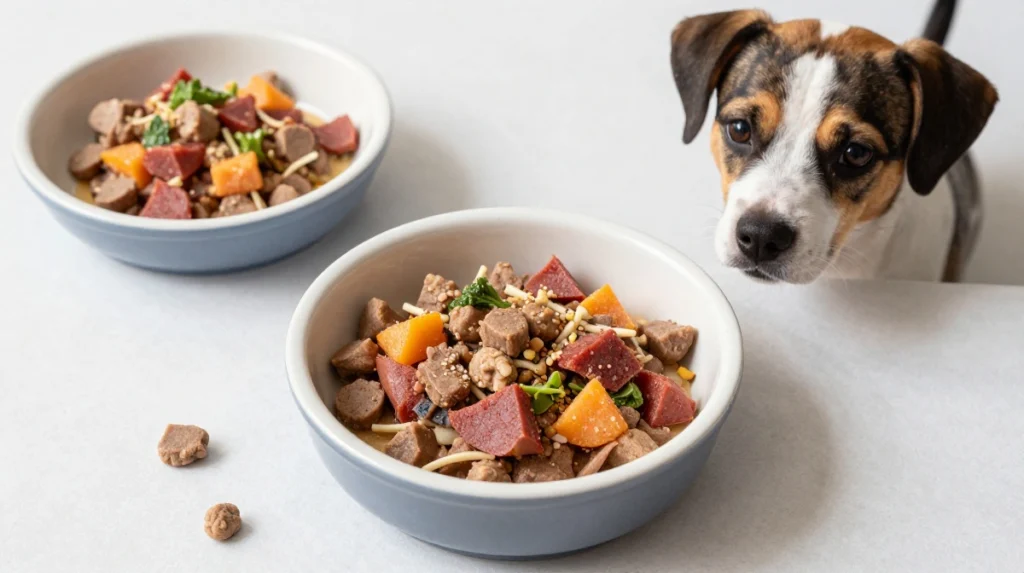
Raw feeding promises shinier coats and smaller poops, but the bacteria and balance issues hit harder than most people admit. Some dogs do fine on it. Plenty of others end up with infections or nutrient gaps that take months to fix. The real decision comes down to your dog’s health, your household, and whether the risks actually outweigh the hype.
What Raw Feeding Really Involves
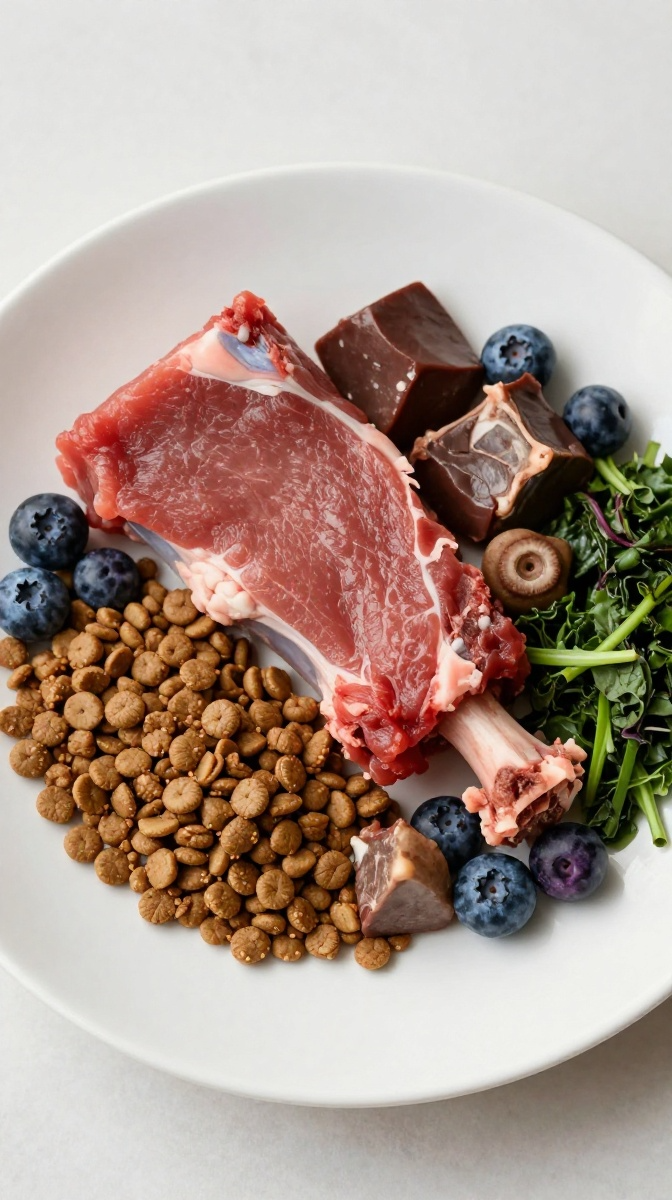
A raw diet means uncooked muscle meat, organs, bones, and sometimes a few veggies or fruits. You can buy it frozen, freeze-dried, or dehydrated, or you can grind everything yourself at home. The popular versions go by names like BARF or prey-model.
Fans love the idea that dogs evolved to eat whole animals, so cooking must destroy something important. That story sounds clean. The science gets a lot messier once you dig in.
The Benefits People Talk About Versus Hard Evidence
Owners frequently report better coats, higher energy, cleaner teeth, and firmer, smaller stools. Those stories show up everywhere online. Yet major veterinary groups, including the AVMA, still advise against raw diets because strong controlled studies supporting those claims stay scarce.
Many of the same improvements appear when dogs switch to any high-quality, high-meat cooked food. Coat shine and stool quality often track more with overall protein quality and digestibility than with the cooking method itself.
The Risks That Keep Showing Up in Studies
Bacteria remain the biggest problem. Testing regularly finds Salmonella, Listeria, Campylobacter, and certain strains of E. coli in raw pet foods. Healthy adult dogs often carry these pathogens without looking sick, but they still shed them in saliva and stool.
That creates a real risk for people in the house—especially kids, older adults, pregnant women, or anyone with a weakened immune system. Simply handling the food or cleaning the bowl can spread contamination.
Nutritional gaps rank as the second major issue. Homemade recipes frequently miss proper calcium-to-phosphorus ratios or key vitamins. Even some commercial raw products fail to meet full AAFCO standards for complete and balanced nutrition.
- Bones can crack teeth or cause dangerous blockages
- Too much liver over time leads to vitamin A toxicity
- Missing micronutrients may not appear for months
Who Carries the Highest Risk?
Puppies, senior dogs, immune-compromised pets, and any household with vulnerable humans face elevated danger. FYI, even a healthy-looking dog can quietly spread bacteria to the rest of the family.
When Raw Might Still Make Sense
A few narrow situations exist. Dogs with severe, confirmed allergies to multiple common proteins sometimes respond better to carefully chosen novel-protein commercial raw formulas. Extreme picky eaters who refuse every cooked option may also need it as a last resort.
In those cases, work with a veterinary nutritionist, choose products that publish pathogen testing and carry an AAFCO statement, and treat kitchen hygiene like a clinical protocol. Short-term supervised use during elimination trials can also make sense under professional guidance.
For the average healthy dog, though, the risks usually outweigh the unproven extra benefits.
Practical Rules If You Decide to Try It
Buy only from companies that test for pathogens and meet AAFCO standards. Skip random internet recipes. Transition slowly over 7–10 days while watching stool, energy, and appetite closely.
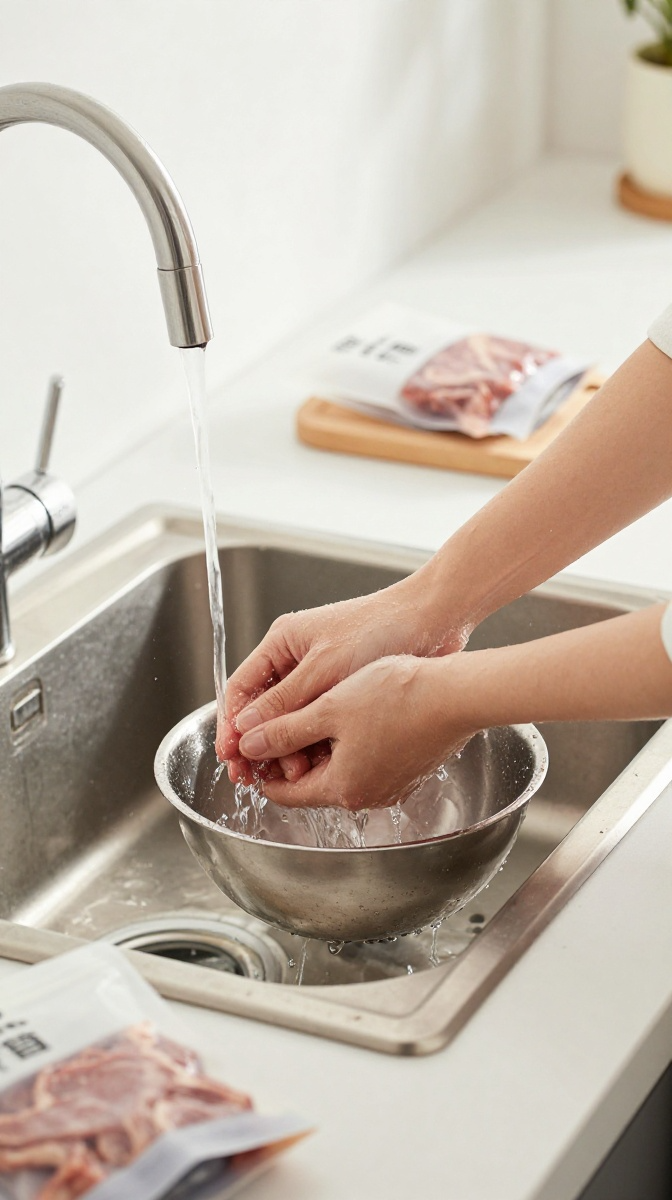
- Thaw food in the refrigerator, never on the counter
- Use separate cutting boards and utensils
- Wash hands, bowls, and surfaces immediately after every meal
- Store leftovers no longer than 24–48 hours
- Schedule regular bloodwork and fecal checks with your vet
IMO, most people who succeed long-term treat raw feeding like a serious food-safety project rather than a casual lifestyle choice.
Safer Paths That Deliver Similar Results
Gently cooked fresh foods and high-meat kibble now offer many of the same perks without the bacterial load. Brands that focus on named animal proteins, minimal processing, and proven balance give you digestibility and coat benefits while skipping the pathogen risk.
Freeze-dried and air-dried options sit in a middle zone. They start as raw but go through processes that reduce bacterial counts. Still verify AAFCO compliance and testing data before you commit.
Want smaller stools and a glossy coat? Prioritize high-quality protein, proper fat levels, and consistency. Those factors drive results more reliably than whether the food ever saw a stove.
FAQ’s
Do dogs digest raw meat better than cooked meat?
Dogs digest both well. Cooking can actually improve the digestibility of certain proteins and starches. The bigger factors are overall balance and the absence of harmful bacteria.
Can raw bones clean teeth safely?
Chewing raw meaty bones may reduce some plaque, but the risk of fractured teeth and intestinal injury often outweighs the benefit. Regular brushing and veterinary dental care remain safer and more effective.
Is freeze-dried raw safer than frozen raw?
Freeze-drying lowers moisture and can reduce bacterial counts, but it does not eliminate all pathogens. Handle it with the same strict hygiene rules as any other raw product.
What if my dog has eaten raw for years with no problems?
Some dogs tolerate it well. That does not remove the ongoing risk of bacterial shedding or a nutritional gap appearing later. Continued veterinary monitoring still matters.
Should puppies eat a raw diet?
Most veterinary nutritionists advise against it. Growing dogs need precise levels of calcium, phosphorus, and calories that are difficult to guarantee in raw formulations. Stick with proven puppy foods unless a specialist designs a custom plan.
Related Articles:
- How to Make Homemade Dog Treats for Under $5
- Best Dog Food Delivery Services Compared
- 7 Human Foods That Are Actually Good for Dogs
Decide With Clear Eyes and Solid Information
Raw can work for a small number of dogs under tight conditions, but it carries documented bacterial and nutritional risks that quality cooked diets largely avoid. Weigh the online success stories against the research from groups like the AVMA and FDA, then talk with your own veterinarian. The healthiest choice is the one that keeps both your dog and your household safest over the long haul—not the one that simply looks the most natural on a plate.