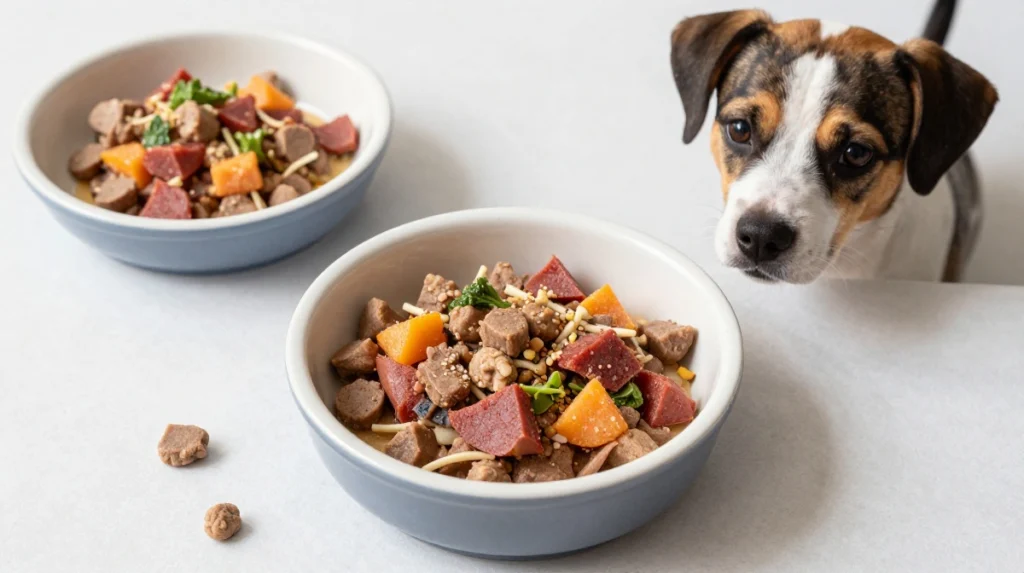
Raw feeding sounds natural and appealing until you look at the actual risks. Some dogs thrive on it while others end up with bacterial infections or nutritional gaps. The real question isn’t whether raw looks healthier on Instagram—it’s whether the science and safety line up for your specific dog and household.
What a Raw Diet Actually Means
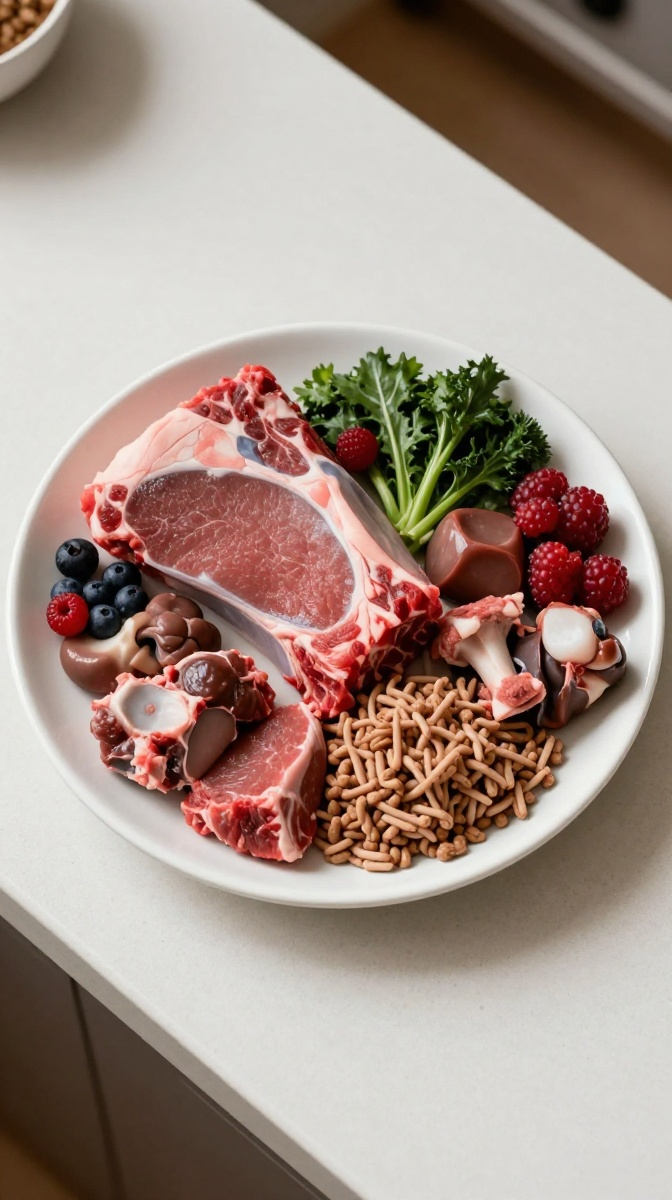
Raw diets usually center on uncooked muscle meat, organs, bones, and sometimes fruits or vegetables. Commercial versions come frozen, freeze-dried, or dehydrated. Homemade versions let you control every ingredient but demand careful balancing.
Proponents call it BARF (Biologically Appropriate Raw Food) or prey-model feeding. The idea is that dogs evolved eating whole animals, so cooking somehow destroys nutrients. That claim sounds tidy. Reality is messier.
The Claims Versus What Research Actually Shows
Owners often report shinier coats, smaller stools, cleaner teeth, and higher energy. Those observations pop up constantly in forums and reviews. Yet large veterinary organizations, including the AVMA, still discourage raw feeding because the evidence for broad health benefits remains weak.
Most of the positive reports stay anecdotal. Controlled studies comparing raw to high-quality commercial diets rarely show clear superiority once you control for overall nutrition. Coat improvements and stool changes can happen with any well-formulated high-protein food, cooked or not.
The Real Risks You Can’t Ignore
Bacteria top the list. Salmonella, Listeria, Campylobacter, and certain E. coli strains show up regularly in raw pet food testing. Healthy adult dogs often handle these pathogens without obvious illness, but they can still shed the bacteria in their stool and saliva.
That creates a risk for people—especially kids, elderly family members, pregnant women, or anyone with a weakened immune system. Handling the food, cleaning bowls, or even petting your dog after a meal can spread contamination.
Nutritional imbalance ranks as the second major concern. Many homemade raw recipes lack proper calcium-to-phosphorus ratios or essential vitamins. Commercial raw diets vary widely in quality. Some meet AAFCO standards; many do not.
- Bones can fracture teeth or cause intestinal blockages
- Excess liver leads to vitamin A toxicity over time
- Missing micronutrients may not show up for months
Who Faces the Highest Risk?
Puppies, seniors, dogs with compromised immune systems, and multi-pet households share higher vulnerability. If anyone in your home falls into a high-risk human category, the bacterial risk becomes a household issue, not just a pet one.
When Raw Might Still Make Sense
Some dogs with severe food allergies or extreme pickiness respond better to novel-protein raw formulas. Others simply refuse kibble no matter what. In those narrow cases, a carefully chosen commercial raw diet that carries an AAFCO statement can work.
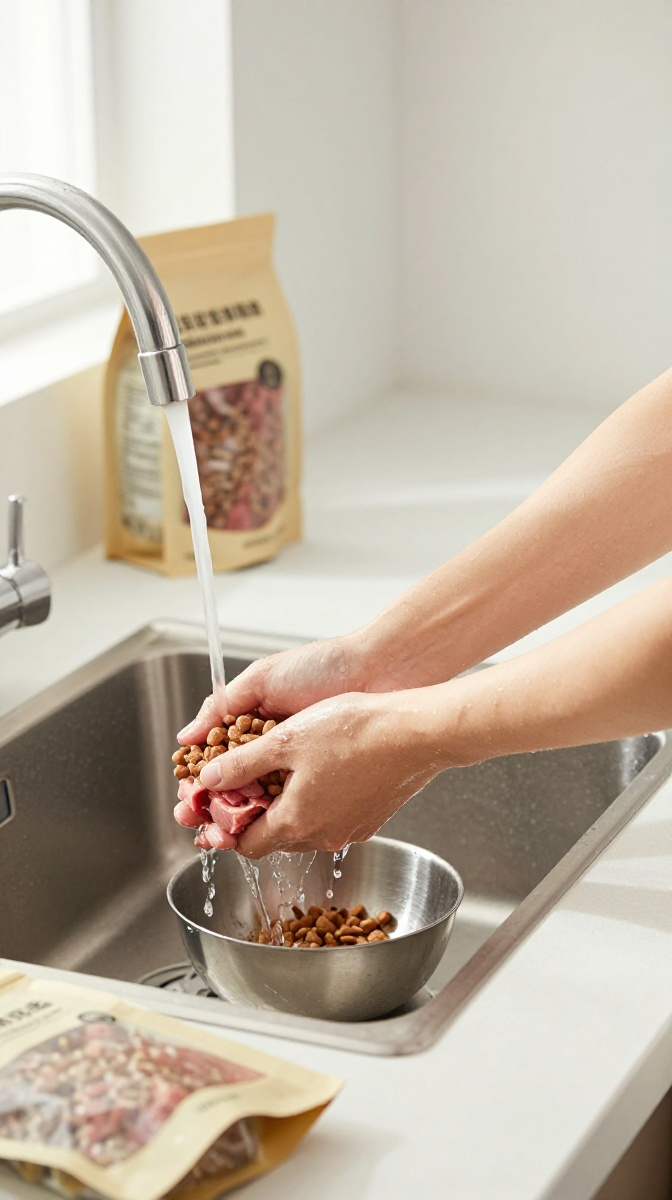
Even then, strict hygiene becomes non-negotiable. Dedicated cutting boards, thorough handwashing, separate storage, and regular disinfection of bowls and surfaces matter more than most people realize.
IMO, the majority of healthy dogs do just fine—or better—on high-quality cooked commercial food that has undergone feeding trials. Raw is rarely the only path to good health.
How to Approach Raw If You Still Want to Try It
Start with a reputable commercial brand that publishes full nutritional analyses and meets AAFCO standards. Avoid random recipes from social media. Work with a veterinary nutritionist if you plan to make food at home.
Transition slowly over 7–10 days. Monitor stool, energy, weight, and any signs of digestive upset. Schedule regular bloodwork and fecal checks so imbalances or infections don’t sneak up on you.
- Buy from companies that test for pathogens
- Thaw in the refrigerator, never on the counter
- Use separate utensils and clean everything immediately
- Store leftovers no longer than 24–48 hours
- Wash your dog’s face and your hands after meals
Safer Alternatives That Deliver Similar Benefits
Gently cooked fresh foods and high-meat kibble now offer many of the same perks without the bacterial load. Brands that use human-grade ingredients and minimal processing give you control and digestibility while eliminating the pathogen risk.
Freeze-dried or air-dried options sit in a middle ground. They start raw but undergo processes that reduce bacterial counts. Still check for AAFCO compliance and third-party testing.
Want smaller stools and a shiny coat? Focus on high-quality animal protein, appropriate fat levels, and consistent feeding rather than the cooking method itself. Those factors drive results more reliably than the raw label.
FAQ’s
Do dogs digest raw meat better than cooked?
Dogs can digest both effectively. Cooking can actually increase the digestibility of some proteins and starches. The bigger issue is whether the overall diet stays balanced and free of harmful bacteria.
Can raw diets clean a dog’s teeth?
Chewing raw meaty bones may reduce some plaque, but the risk of tooth fractures and intestinal injury often outweighs the benefit. Dental chews and regular brushing remain safer and more predictable.
Is freeze-dried raw safer than frozen raw?
Freeze-drying reduces moisture and can lower bacterial counts, but it does not eliminate all pathogens. Treat it with the same hygiene precautions as other raw products.
What if my dog has been on raw for years with no problems?
Some dogs tolerate it well. That does not erase the ongoing risk of shedding bacteria or developing a nutritional gap later. Regular veterinary monitoring still matters.
Should I switch my puppy to raw?
Most veterinary nutritionists advise against it. Growing dogs need precise calcium, phosphorus, and calorie levels that are harder to guarantee in raw formulations. Stick with proven puppy foods unless a specialist designs a custom plan.
Related Articles:
- How to Choose the Right Dog Breed for Your Lifestyle
- 10 Cutest Mixed Breeds You Should Know
- Rottweiler Care and Training (Responsible Ownership)
Make the Decision With Eyes Wide Open
Raw feeding can work for certain dogs under strict conditions, but it carries documented risks that cooked commercial diets largely avoid. Weigh the anecdotal benefits against the bacterial and nutritional downsides, especially if your household includes vulnerable people or pets. Talk with your veterinarian, look at the actual research, and choose the approach that keeps both your dog and your family safest in the long run. Health isn’t a trend—it’s the result of consistent, evidence-based choices.