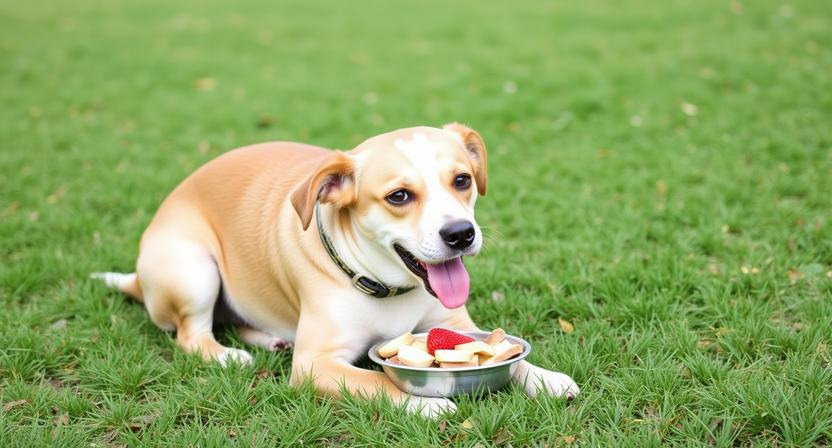
Your dog is bouncing off the walls at 7 a.m. or snoring through the afternoon—either way, you’re wondering how much exercise they actually need. The answer is almost never “just a quick walk around the block.” Get the amount and type right and you prevent boredom, weight gain, and a lot of destructive behavior. Get it wrong and both of you stay frustrated.
Breed Energy Levels Change Everything
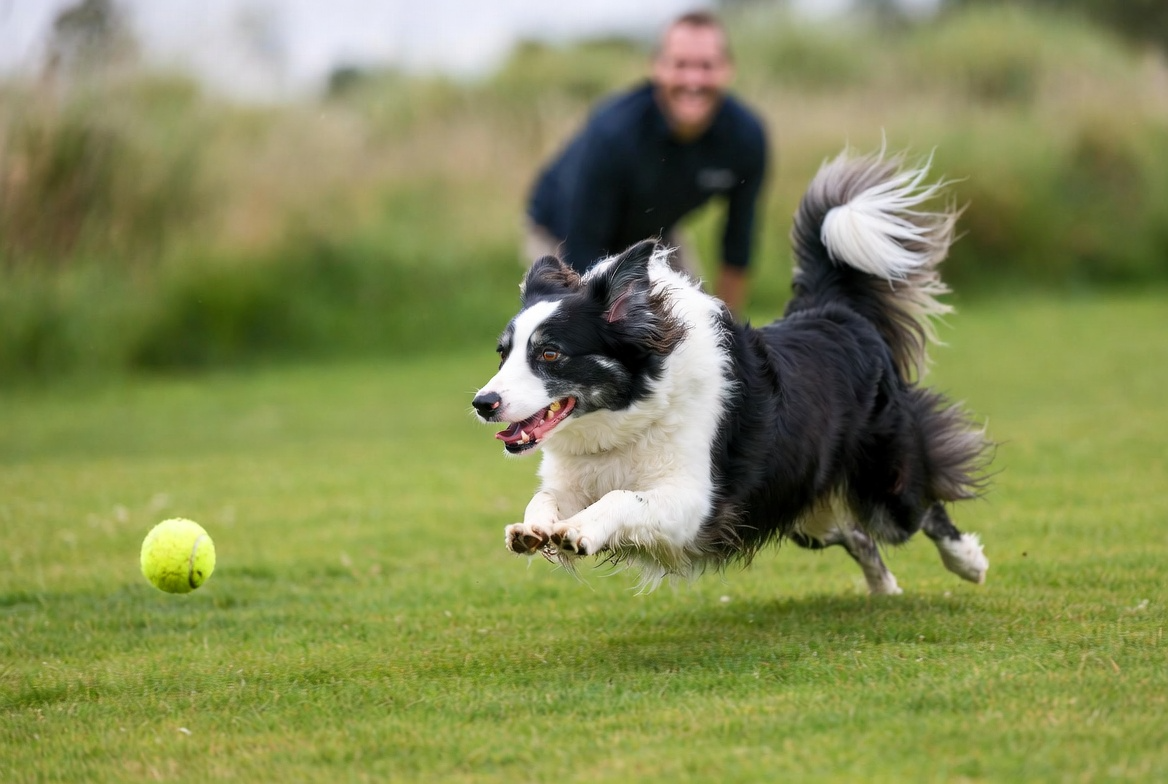
A Border Collie and a Bulldog do not live on the same planet when it comes to daily needs. High-drive herding and sporting dogs often require 90 minutes to two hours of solid activity. That means real movement plus mental work—fetch, agility, training games, or long off-leash runs in safe areas.
Moderate-energy breeds like many Labs, Boxers, or Standard Poodles usually thrive on 45 to 90 minutes. Lower-energy companions and brachycephalic breeds (Pugs, Frenchies, English Bulldogs) often do fine with 20 to 45 minutes of gentle activity. Push those flat-faced dogs too hard in the heat and you risk serious trouble.
Individual dogs still vary inside every breed. Watch your own dog’s body language more than any chart.
Age Completely Rewrites the Rules
Puppies need careful limits. Their growth plates stay soft for months. The common guideline is five minutes of structured exercise per month of age, twice a day. A three-month-old gets about 15 minutes twice daily. Free play in a safe yard where they can rest whenever they want is different and usually fine.
Adults hit their peak requirements between roughly one and seven years. This is when most dogs handle the full breed-appropriate workload.
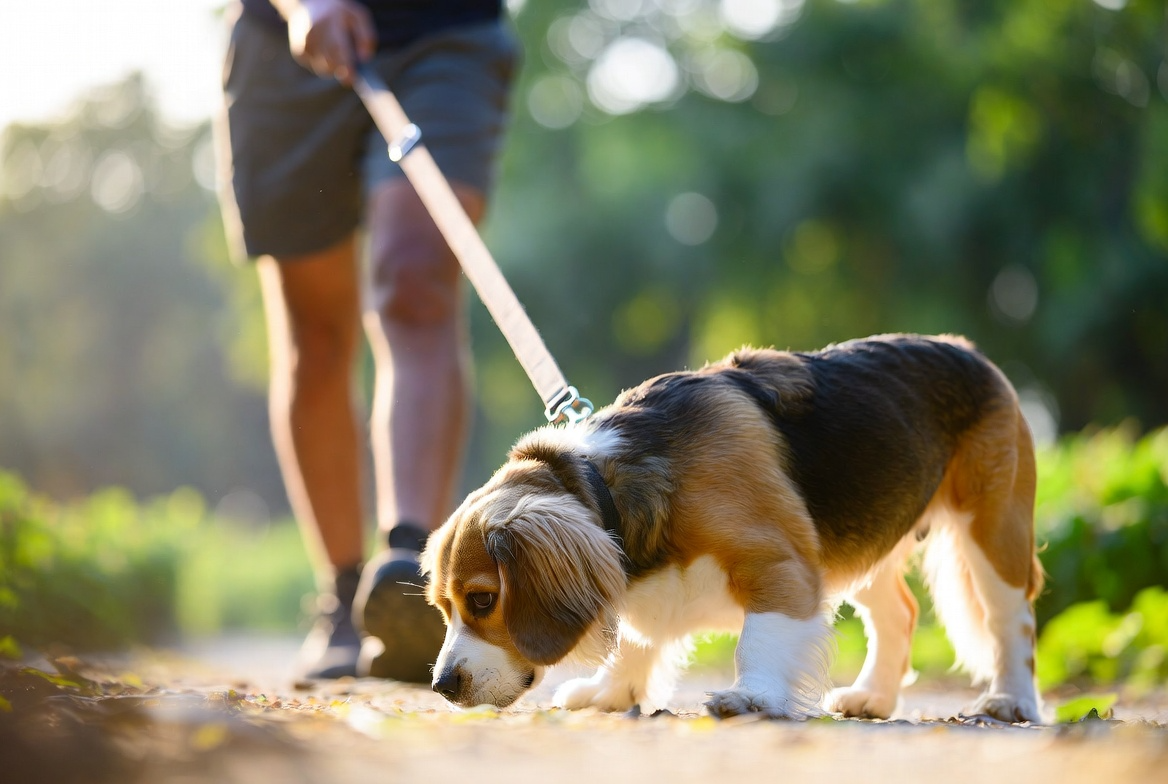
Seniors still need daily movement, just shorter and softer. Aim for consistency over intensity—two or three gentle walks plus some sniffing time keep joints happier than one long forced march.
Quality Beats Raw Minutes Every Time
A slow neighborhood stroll burns some calories but does little for a high-drive dog’s brain. Mix it up:
- Brisk walks or hikes on varied terrain
- Fetch or flirt-pole sessions
- Swimming when available (excellent low-impact option)
- Training games, scent work, or puzzle toys
- Short agility or obedience drills
Mental work tires many dogs as effectively as physical work. Ten minutes of focused training can equal a much longer walk for certain breeds.
Split the total time across the day. Two or three sessions beat one marathon outing for most dogs and keep energy more even.
Signs You’re Doing Too Little or Too Much
Too little usually shows up as restlessness, destructive chewing, excessive barking, or zoomies at the worst possible moments. Too much looks like limping, reluctance to continue, excessive panting that doesn’t settle, or soreness the next day. Adjust accordingly.
Special Cases You Should Not Ignore
Overweight dogs need gradual increases under veterinary guidance. Joint issues call for lower-impact options like swimming or short leash walks on soft surfaces. Brachycephalic breeds require cool temperatures and close monitoring for breathing effort.
Hot weather changes the game for every dog. Early morning or evening sessions, access to water, and knowing the signs of overheating keep everyone safer.
Puppies and seniors both benefit from more frequent, shorter outings rather than long continuous exercise.
Making a Realistic Daily Plan
Start with your dog’s breed group and age as a baseline. Then watch how they respond for a week or two. Increase or decrease based on energy levels, recovery, and behavior at home.
A sample day for a healthy adult Labrador might look like a 30-minute morning walk with some training, a 20-minute fetch session in the afternoon, and a shorter evening sniff walk. A senior Pug might do two gentle 15-minute strolls and some indoor play.
Track it simply if it helps—notes on your phone work fine. Consistency matters more than perfection.
FAQ’s
How much exercise does a puppy really need?
Follow the five-minutes-per-month-of-age guideline for structured walks, twice daily. Let them rest freely during play. Avoid forced running or repetitive jumping until growth plates close (often 12–18 months for larger breeds).
Can I just let my dog run in the backyard?
A secure yard is great for free play, but most dogs still need structured walks and mental stimulation. Many will not self-exercise enough if left alone in a yard, especially once the novelty fades.
What if my high-energy dog still has energy after two hours?
Add more mental work. Scent games, advanced training, or puzzle feeders often settle them better than endless physical exercise. Some dogs also need a job or consistent outlet for their instincts.
Is it okay to skip a day?
One lighter day is usually fine. Chronic under-exercise creates bigger problems. If weather or schedule interferes, substitute indoor training, tug, or puzzle toys to keep the brain engaged.
How do I know if my dog is getting the right amount?
A well-exercised dog settles calmly at home, sleeps well, maintains a healthy weight, and shows good manners. Persistent restlessness, weight gain, or destructive habits usually mean they need more (or different) activity.
Related Articles:
- How to Read Dog Food Labels Like a Pro
- Human Foods That Are Toxic to Dogs (Printable List)
- Is a Raw Food Diet Right for Your Dog?
Find the Sweet Spot for Your Dog
There is no universal number that fits every dog. Breed, age, health, and personality all shape the right daily dose. Start with the guidelines, then fine-tune by watching how your individual dog responds. Enough of the right kind of exercise turns a restless or sluggish dog into a calmer, healthier companion who is a joy to live with. Adjust as they age and their needs shift—your effort pays off every single day.