
Your dog used to zoom around the yard like a rocket. Now they hesitate on stairs, stiffen after naps, or give you that “help me” look when getting up. Joint pain is common, especially in older dogs or larger breeds, but the right supplements can make a real difference in how they move and feel. Let’s cut through the marketing noise and talk about what actually helps.
Why Joint Supplements Matter (and What They Can’t Do)
Supplements support cartilage, reduce inflammation, and keep joints better lubricated. They work best as part of a bigger plan that includes weight control, appropriate exercise, and sometimes pain meds from your vet. They are not magic bullets that erase advanced arthritis overnight.
Most dogs need consistent daily use for four to six weeks before you notice smoother movement or less stiffness. Start early if your dog is a high-risk breed or already showing mild signs. Waiting until they can barely walk makes the job harder.
Always run any new supplement past your veterinarian first. Some ingredients interact with medications or are not ideal for dogs with certain conditions.
The Core Ingredients That Actually Show Up in Research
Not every shiny bottle delivers the same results. Focus on these proven players:
- Glucosamine and chondroitin – Building blocks for cartilage. Evidence is mixed but many dogs still benefit, especially when combined with other ingredients.
- MSM (methylsulfonylmethane) – Helps with inflammation and comfort.
- Omega-3 fatty acids (from fish oil or green-lipped mussel) – Strongest evidence for reducing joint pain and improving mobility.
- ASU (avocado/soybean unsaponifiables) – Found in higher-end formulas; supports cartilage protection.
- Green-lipped mussel – Natural source of omega-3s and other joint-friendly compounds.
UC-II (undenatured type II collagen) is newer and shows promise in some studies for modulating the immune response around joints. Worth watching.
Top Vet-Recommended Options Right Now
Dasuquin with MSM sits at the top for many veterinarians when dogs already have clear arthritis. It includes glucosamine, chondroitin, MSM, and ASU. The ASU sets it apart from basic formulas and seems to help more advanced cases.
Cosequin Maximum Strength is the classic, widely available choice. Same manufacturer as Dasuquin but without the ASU. Great for milder issues or as a preventative. Many dogs do well on it and the price is friendlier for long-term use.
VetriScience GlycoFlex Stage 3 brings in green-lipped mussel along with glucosamine and MSM. A solid option if you prefer the mussel-based approach.
High-quality fish oil or a dedicated omega-3 supplement often pairs beautifully with any of the above. Some soft chews already include it.

Soft Chews vs Tablets vs Powders
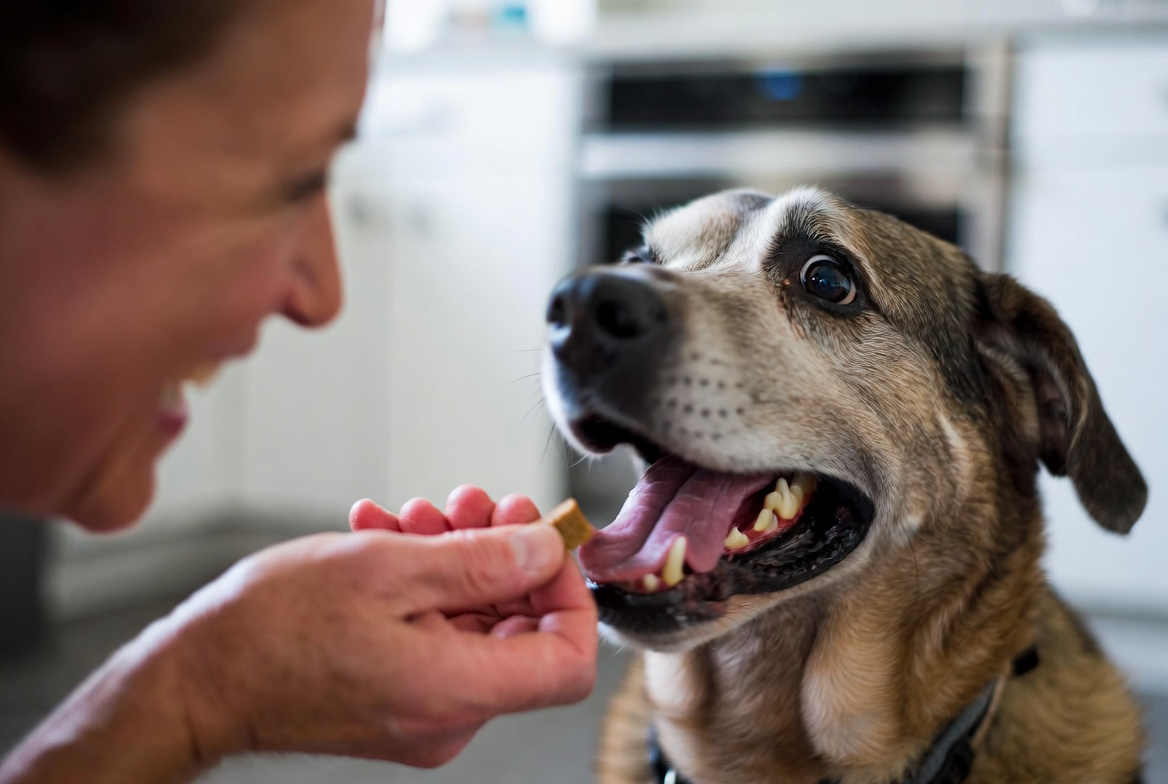
Most dogs prefer soft chews. They taste like treats and make daily dosing easy. Tablets work fine if your dog accepts them or you hide them in food. Powders sprinkle easily over meals but can be messier. Pick the form your dog will actually take every single day.
How to Choose and Use Them Effectively
Match the dose to your dog’s weight. Under-dosing is a common reason people think “it didn’t work.” Follow the loading dose if the brand recommends one (usually higher for the first 4–6 weeks), then drop to maintenance.
Quality matters. Look for products from companies that do third-party testing or carry the NASC seal when possible. Cheap no-name bottles sometimes contain far less of the active ingredients than the label claims.
Combine with lifestyle changes. Keep your dog lean—extra weight hammers joints. Short, frequent walks on soft surfaces beat long hard runs. Consider a ramp for the car or couch if stairs have become a battle.
What About Turmeric, CBD, and Other Trendy Options?
Turmeric (curcumin) has anti-inflammatory potential, but dogs absorb it poorly unless it includes a bioavailability booster. Results vary widely.
CBD products are popular, yet the research in dogs is still limited and quality control is inconsistent. Talk to your vet before adding any. Some dogs seem more comfortable, others show little change, and interactions with other meds are possible.
Stick with the better-studied ingredients first. You can always layer in extras later under veterinary guidance.
Realistic Expectations and Timeline
Most owners notice subtle improvements in 3–6 weeks: easier rising, more willingness to play, less limping after rest. Full benefits often take longer. Track progress with simple notes or videos of your dog moving. That helps you and your vet decide if the current plan is working or needs tweaking.
Supplements support joint health. They do not replace pain medication when a dog is truly uncomfortable. Many dogs do best on a combination of supplements plus prescription pain relief or anti-inflammatories prescribed by the vet.

FAQ’s
How long before I see results from joint supplements?
Most dogs show noticeable improvement in four to six weeks of consistent use. Some need the full loading period plus another month. If nothing changes after eight weeks at the proper dose, talk to your vet about switching formulas or adding other therapies.
Can I give human joint supplements to my dog?
No. Human products often contain xylitol, different dosing, or forms that are not safe or effective for dogs. Stick to veterinary-formulated options.
Are joint supplements safe long-term?
Yes for the major ingredients when used at recommended doses. Gastrointestinal upset is the most common mild side effect. Regular check-ups help catch any issues early.
Should every senior dog be on a joint supplement?
Not necessarily, but many benefit, especially larger breeds or dogs with early signs of stiffness. Prevention is easier than trying to reverse advanced changes. Discuss with your vet based on breed, weight, and activity level.
Do I still need pain medication if I use supplements?
Often yes. Supplements support joint structure and comfort over time. They rarely provide enough relief alone for moderate to severe arthritis. Your vet can help balance both.
Related Articles:
- 10 Warning Signs of Cancer in Dogs
- How to Choose the Right Dog Insurance
- How to Choose the Right Dog Insurance
Keep Them Moving Comfortably
Joint pain does not have to mean the end of happy walks and playtime. A solid glucosamine-chondroitin formula (or the upgraded Dasuquin version), paired with good omega-3s, weight management, and vet guidance, gives most dogs a noticeable boost. Start with quality products, stay consistent, and watch how your dog responds. That combination of science and daily care is what actually helps them stay mobile longer.