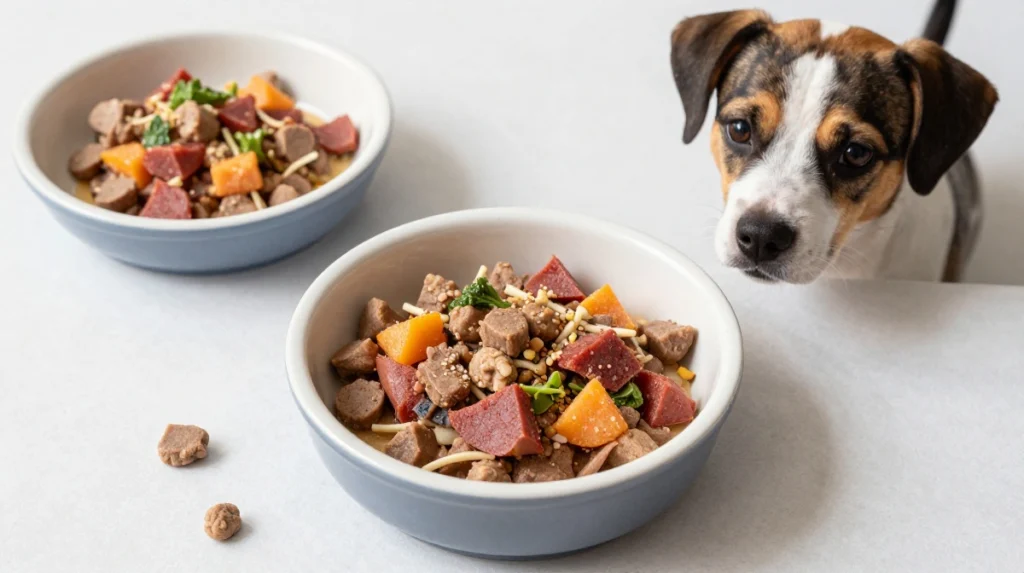
Itchy paws, constant ear infections, and mystery stomach issues often trace back to food. The right diet can calm those symptoms, but only if you match it to the actual trigger. Most “allergy” foods on store shelves miss the mark—here’s what actually works according to current veterinary guidance.
Food Allergies vs. Sensitivities: Know the Difference
True food allergies involve the immune system reacting to a protein. Beef, chicken, dairy, and eggs top the list. Sensitivities or intolerances can cause digestive upset without the full immune response. Both look similar from the outside, which is why guessing rarely works.
Seasonal itching usually points to environmental allergies. Year-round problems that include skin and gut signs raise the odds of a food trigger. Only a proper elimination trial can confirm it.
Why Most Over-the-Counter “Allergy” Foods Fall Short
Limited-ingredient diets sound perfect until you learn many of them contain trace amounts of common proteins. Studies keep finding undeclared chicken or beef DNA in products labeled as novel-protein or limited-ingredient. That contamination can ruin a diagnostic trial.
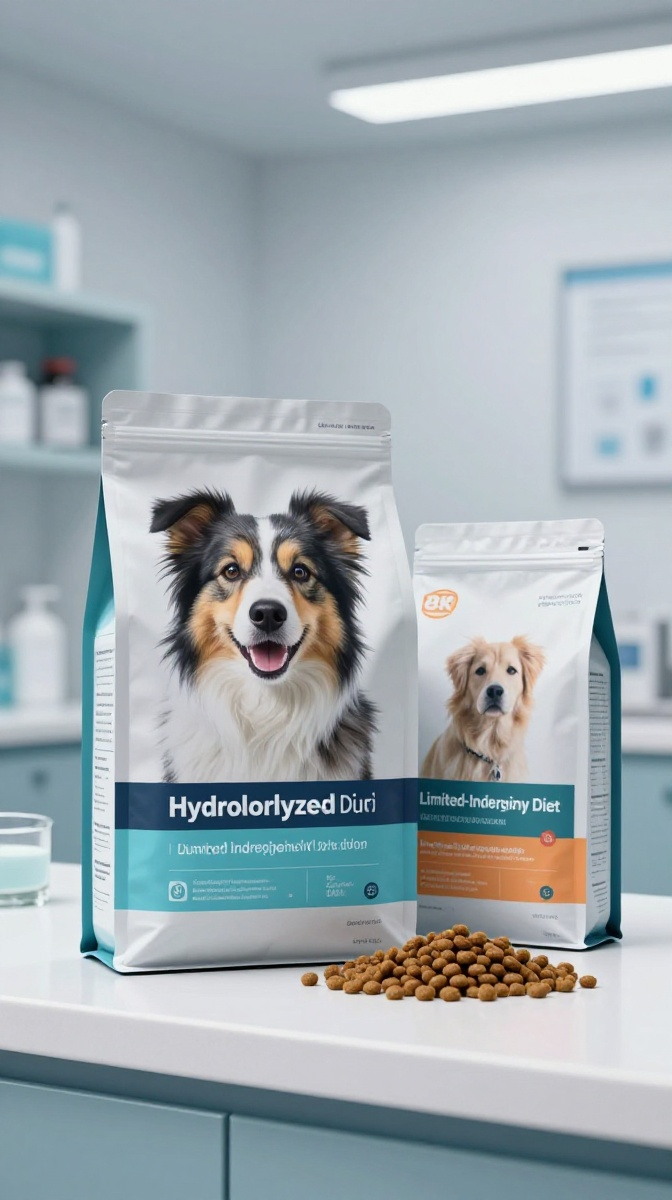
Prescription hydrolyzed diets break proteins into pieces so small the immune system rarely recognizes them. These formulas remain the gold standard for both diagnosis and management when allergies are confirmed.
The Elimination Diet Trial: The Only Reliable Test
Blood and saliva tests for food allergies are unreliable. The only method that works is a strict elimination diet for 8–12 weeks. During that time your dog eats nothing but the trial food—no treats, no table scraps, no flavored medications.
Vets usually start with a hydrolyzed protein diet or a novel protein the dog has never eaten. Once symptoms improve, they reintroduce old ingredients one at a time to identify the exact triggers. Skipping this step wastes months and money.
Common Mistakes That Wreck the Trial
- Giving even one regular treat
- Using OTC limited-ingredient food instead of prescription
- Stopping too early when itching starts to improve
- Forgetting about flavored heartworm preventives or dental chews
Best Long-Term Options Once You Know the Triggers
After the trial, many dogs do well on a carefully chosen limited-ingredient diet that avoids the confirmed allergens. Single-protein formulas with novel sources like duck, venison, or kangaroo work for a lot of dogs. Others stay on hydrolyzed diets permanently because they remain safest.
Look for AAFCO-compliant foods with clear protein sources and minimal extras. Fresh or gently cooked options can also work if a veterinary nutritionist balances the recipe. The goal is consistent avoidance of the problem ingredients, not endless variety.

Top Veterinary Approaches in 2026
Hydrolyzed protein diets from Royal Canin, Hill’s, and Purina remain the most recommended for both diagnosis and ongoing management. These require a prescription and tend to cost more, but they deliver the highest success rates for true food allergies.
For maintenance after diagnosis, many vets approve high-quality limited-ingredient lines such as Natural Balance or Wellness Simple, provided the specific proteins match what the trial revealed. Fresh food services that offer single-protein recipes also appear more often in recommendations when owners want maximum control.
IMO, the most successful cases happen when owners treat the elimination trial like a medical protocol instead of a casual food experiment.
Practical Tips for Living With a Food-Allergic Dog
Read every label every time you buy. Formulas change. Keep a short list of safe treats and chews that match the diet. Wash food bowls daily and be ruthless about dropped food or kids sharing snacks.
Schedule regular rechecks. Some dogs develop new sensitivities over time. A diet that worked perfectly for two years can suddenly stop working if a new allergen enters the picture.
- Commit fully to the elimination trial
- Use only vet-approved foods during diagnosis
- Transition slowly once you know the safe options
- Monitor skin, ears, and stool quality ongoing
- Reassess with your vet if symptoms return
FAQ’s
How long does an elimination diet trial take?
Most dermatologists recommend 8–12 weeks for skin issues. Digestive symptoms sometimes improve in 3–4 weeks, but skin cases need the full stretch for accurate results.
Can I use a regular limited-ingredient food for the trial?
Vets generally advise against it. Too many over-the-counter options contain trace amounts of common proteins that can invalidate the test. Prescription hydrolyzed or veterinary novel-protein diets are far more reliable.
Will my dog need this special diet forever?
Once you identify the specific triggers, many dogs can eat a carefully chosen limited-ingredient maintenance diet that simply avoids those proteins. Some stay on hydrolyzed food long-term for maximum safety.
Are grain-free foods better for allergies?
Not usually. Most food allergies involve proteins, not grains. Grain-free formulas can help the rare dog with a true grain issue, but they are not a default solution for allergies.
What if the itching doesn’t improve on the trial diet?
That result is still useful. It suggests the problem is more likely environmental or another medical issue. Your vet can then shift focus to the next diagnostic steps.
Related Articles:
- How to Stop Leash Pulling in 5 Minutes a Day
- 10 Commands Every Dog Should Know (with Hand Signals)
- Crate Training 101: Make Your Dog Love Their Crate
Get the Diagnosis Right First
The best dog food for allergies is the one that avoids your individual dog’s triggers after a proper veterinary trial. Skipping the diagnostic step and buying random “allergy” bags rarely solves the problem. Work with your vet, stay strict during the trial weeks, and then choose a long-term food that matches the results. Clear skin, quiet ears, and comfortable digestion are worth the extra effort and patience.