Your dog is talking nonstop and most of us only catch the loud parts. A stiff body, a quick lip lick, or a sudden freeze says far more than a bark ever will. Learn to read the full picture and you stop guessing what your dog needs. You start actually understanding them.
Read the Whole Dog, Not One Body Part
A wagging tail does not automatically mean happy. A tucked tail does not always mean terrified. Context and the rest of the body decide the meaning.
Look at ears, eyes, mouth, tail, and overall posture together. A loose body with soft eyes and a wide wag usually signals comfort. The same tail held high and stiff with a hard stare tells a completely different story.
Dogs rarely use just one signal. They stack them. When you catch the early, quiet ones, you can change the situation before it escalates.
The golden rule: never judge a single body part in isolation. Always scan the whole dog.
What a Truly Relaxed Dog Looks Like
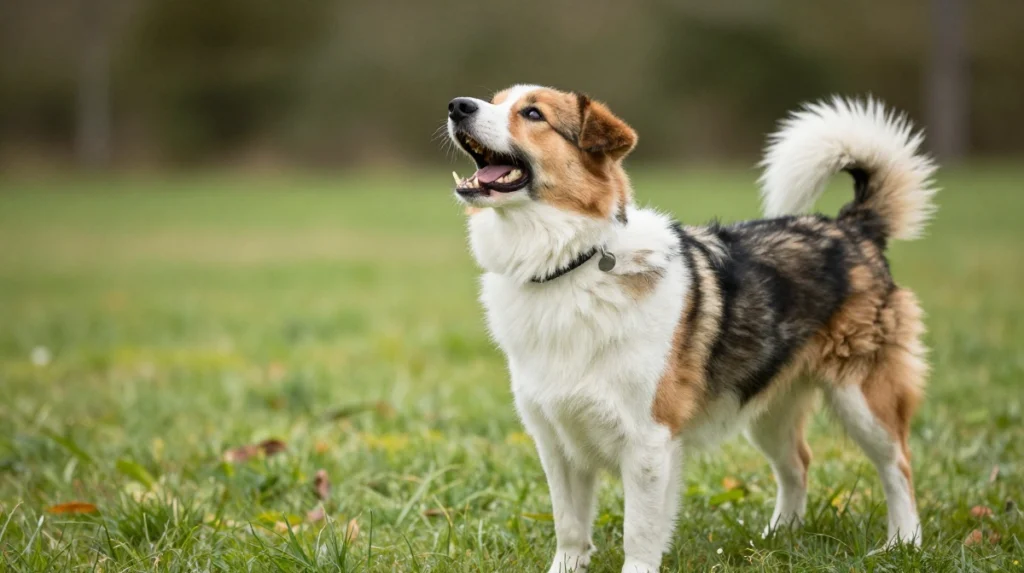
A comfortable dog carries its weight evenly. Muscles look soft. The mouth stays loose—either closed without tension or open in a relaxed pant. Eyes appear soft and almond-shaped, often with slow blinks.
Ears sit in their natural position. The tail hangs in a neutral or gently sweeping wag, usually level with the spine or slightly higher during friendly interaction. The whole body moves fluidly instead of in rigid steps.
When your dog offers this posture around you, they feel safe. That is the baseline you want to recognize so you notice when it changes.
Stress and Calming Signals: The Early Warnings
These are the signals most owners miss and the ones that matter most. Dogs use them to calm themselves or to ask others to tone things down.
Common ones include:
- Lip licking or nose licking when no food is around
- Yawning when the dog is not tired
- Turning the head or body away
- Sudden sniffing of the ground
- Shaking off as if wet (even when dry)
- Lifting one paw
- Moving in a curve instead of straight on
- Whale eye (whites of the eyes showing while the head turns away)
These are not random. Your dog is saying “I’m uncomfortable” or “please ease up.” Ignoring them often leads to louder signals later.
FYI, many “stubborn” or “disobedient” moments are actually dogs offering calming signals that we override.
Why Calming Signals Matter
Dogs developed these signals to avoid conflict. When you respect them—by giving space, ending a greeting, or lowering the intensity—you teach your dog that subtle communication works. That builds trust fast.
Fear and Anxiety: When the Body Gets Smaller
A fearful dog tries to look smaller or create distance. The body lowers, weight shifts backward, and the tail tucks tightly. Ears pin back against the head. Eyes may widen or show whale eye.
Panting that has nothing to do with heat, trembling, excessive shedding, or sweaty paws (leaving prints) often appear. Some dogs freeze completely. Others pace or try to hide.
A dog that repeatedly looks away, yawns, or licks its lips while facing a person or another dog is usually asking for space. Forcing interaction at this point damages trust.
Watch for the combination: lowered body + tucked tail + pinned ears + avoidance. That cluster almost always means fear.
The Warning Ladder Before a Bite
Aggression rarely comes out of nowhere. Most dogs climb a clear ladder of signals first.
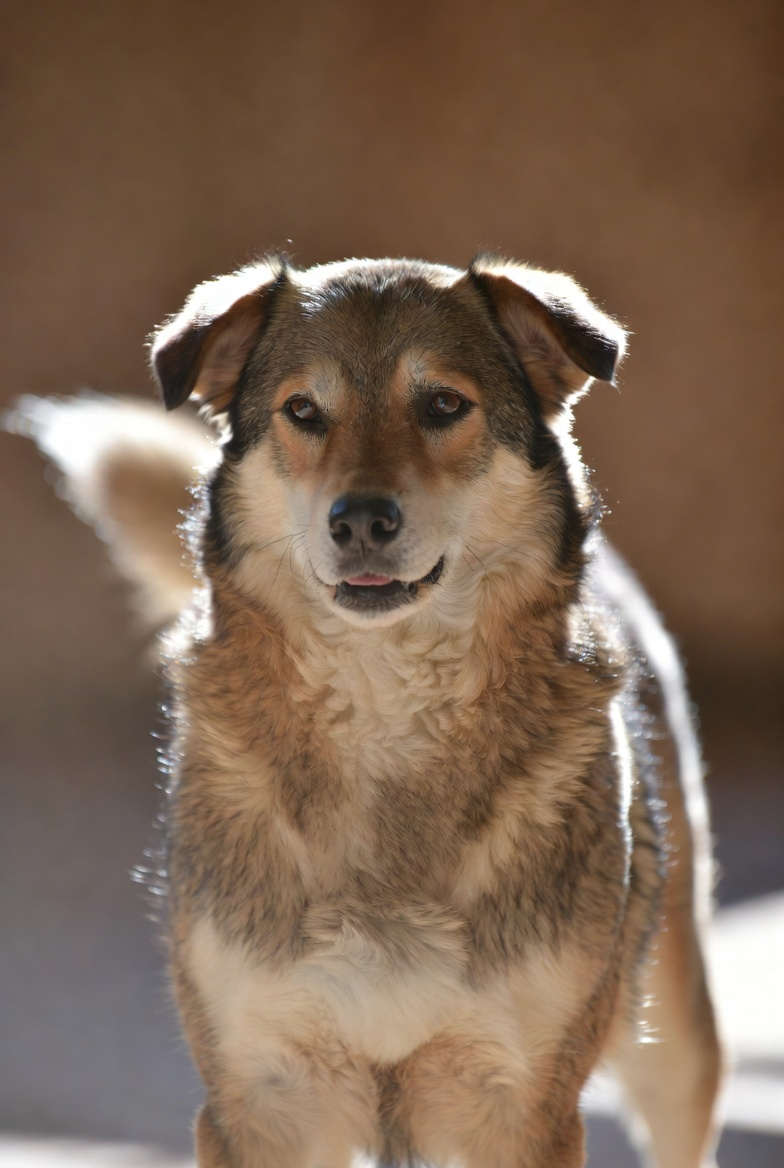
It often starts with freezing or a hard stare. Then comes a closed mouth, tension around the lips, or a low growl. Raised hackles, a stiff high tail, and forward weight shift can follow. Snapping or an air bite is a final warning for many dogs.
The growl is valuable information, not defiance. Punishing it removes the warning system and can create a dog that bites with less notice.
If you see hard eyes, a closed tense mouth, and a stiff body, create distance immediately. Do not reach for the dog or try to reassure with petting. Space is the kindest response.
Play vs Real Tension: How to Tell the Difference
Play has its own clear signals. The classic play bow—front end down, rear end up—is an invitation. Loose, bouncy movement, open relaxed mouths, and role-reversing (one dog chasing then being chased) usually mean the interaction is friendly.
Watch for meta-signals that keep play safe: brief pauses, self-handicapping, and soft eyes. When play stays loose and both dogs keep returning for more, it is going well.
Real tension looks different. Movements become stiff. One dog may freeze, pin its ears, or show a hard stare. If the play bow disappears and the body language tightens, interrupt calmly and give both dogs a break.
Context helps. Two dogs who know each other well can look rougher in play than strangers. Still, stiffness is never a good sign.
render_generated_image with prompt is Hyper-detailed 8K photorealistic portrait in 9:16 vertical ratio: two dogs in a clear play bow interaction, one dog with front legs down and rear up in classic play invitation, both with loose bodies and open relaxed mouths, soft outdoor light, ultra-detailed joyful playful body language, green background blurred, authentic friendly dog play, shallow depth of field, cinematic realistic style, no text orientation is portrait
Putting the Pieces Together in Daily Life
Start practicing at home. Watch your dog during normal moments—when the doorbell rings, when you pick up the leash, when a guest arrives. Notice the small shifts.
On walks, scan for early stress signals around other dogs or people. If you see lip licking, head turns, or a sudden freeze, increase distance before the reaction grows.
During training or handling, pause if you notice yawning, whale eye, or a closed mouth. Those signals often mean the dog is over threshold. Lower the difficulty and rebuild success.
The more you respond to the quiet signals, the less your dog needs to use the loud ones. That is the real payoff.
- Scan the whole body every time
- Respect early stress and calming signals
- Give space when you see tension
- Reward soft, loose body language
- Practice reading your dog in low-stakes moments
FAQ: Common Body Language Questions
Why does my dog yawn when I hug them?
Out-of-context yawning is often a stress or calming signal. Many dogs find tight hugs uncomfortable. The yawn is their polite way of saying they need space. Try sitting beside them instead of wrapping them up.
Does a wagging tail always mean my dog is friendly?
No. A high, stiff, fast wag paired with a tense body and hard eyes can signal high arousal or warning. A low, slow wag can indicate uncertainty. Look at the whole dog and the situation.
What is whale eye and why does it matter?
Whale eye happens when a dog turns its head away but keeps looking at something, showing the whites of the eyes. It is a clear sign of discomfort or stress. Give the dog more space when you see it.
My dog freezes when another dog approaches. Is that bad?
Freezing is a significant signal. It often means the dog is assessing a threat or feels trapped. Do not force the greeting. Create distance and let your dog decompress.
How can I tell if my dog is playing or getting serious?
Play stays loose, bouncy, and includes play bows or role reversals. Serious tension shows stiffness, hard stares, closed mouths, and lack of breaks. When in doubt, calmly interrupt and separate for a moment.
Should I correct my dog for growling?
No. The growl is communication. Removing it can create a dog that escalates faster next time. Instead, figure out what caused the growl and manage the situation so your dog does not feel the need to use it.
render_generated_image with prompt is Hyper-detailed 8K photorealistic portrait in 9:16 vertical ratio: a dog showing a clear hard stare and slightly stiffened body posture as an early warning signal, ears forward, closed mouth with tension, soft dramatic lighting, ultra-detailed intense facial expression and fur, authentic pre-aggression body language, shallow depth of field, cinematic realistic style, no text orientation is portrait
Related Articles:
- How to Teach Your Dog “Stay” in 3 Easy Steps
- 5 Brain Games to Tire Out a Hyperactive Dog
- Aggressive Dog Behavior: When to Call a Professional
Final Thoughts
Dog body language is a constant conversation. Once you learn to read the early signals—soft eyes versus hard stares, loose wags versus stiff ones, calming lip licks versus tense freezes—you stop reacting and start responding. Your dog feels heard. That changes the relationship. Keep watching the whole dog, respect what they tell you, and you will both move through the world with a lot less stress. The signals are there. Now you know how to listen.