You just walked through the door with a new rescue dog and your heart is doing cartwheels. Hold that energy. The first 24 hours are not about bonding montages or Instagram photos. They are about giving a stressed animal a quiet place to land and start feeling safe. Get this day right and everything else gets easier.
The Mindset Shift: Decompression Beats Celebration
Your dog has just lost every familiar smell, sound, and routine. Even the calmest rescue is running on stress hormones. The goal for day one is simple: lower the volume of life.
Think of the first 24 hours as a soft landing, not a party. No visitors. No trips to the pet store. No forced cuddles. Let the dog observe you and decide when to approach.
This quiet approach is the start of the famous 3-3-3 rule. The first three days are pure decompression. You are laying the foundation for the next three weeks and three months.
Your job today is to be boring and predictable. That feels counterintuitive when you are excited, but it works.
Set Up a Safe Landing Zone Before They Arrive
Pick one quiet room or a gated-off area as home base. A bedroom, office, or corner of the living room works. Put a comfy bed or crate (door open if they are not crate-trained), water bowl, and a couple of safe chew toys there.
Remove anything valuable or dangerous. Shoes, remote controls, chargers, and trash cans become interesting when a dog is anxious. Baby gates help keep the world small and manageable.
This limited space prevents overwhelm and gives you a chance to supervise without hovering. Your dog can retreat when they need a break. Respect that choice.
Keep the lights soft and the TV volume low. Some dogs settle better with calm classical music or a white-noise machine running.
The Arrival Routine: Car to Quiet Space
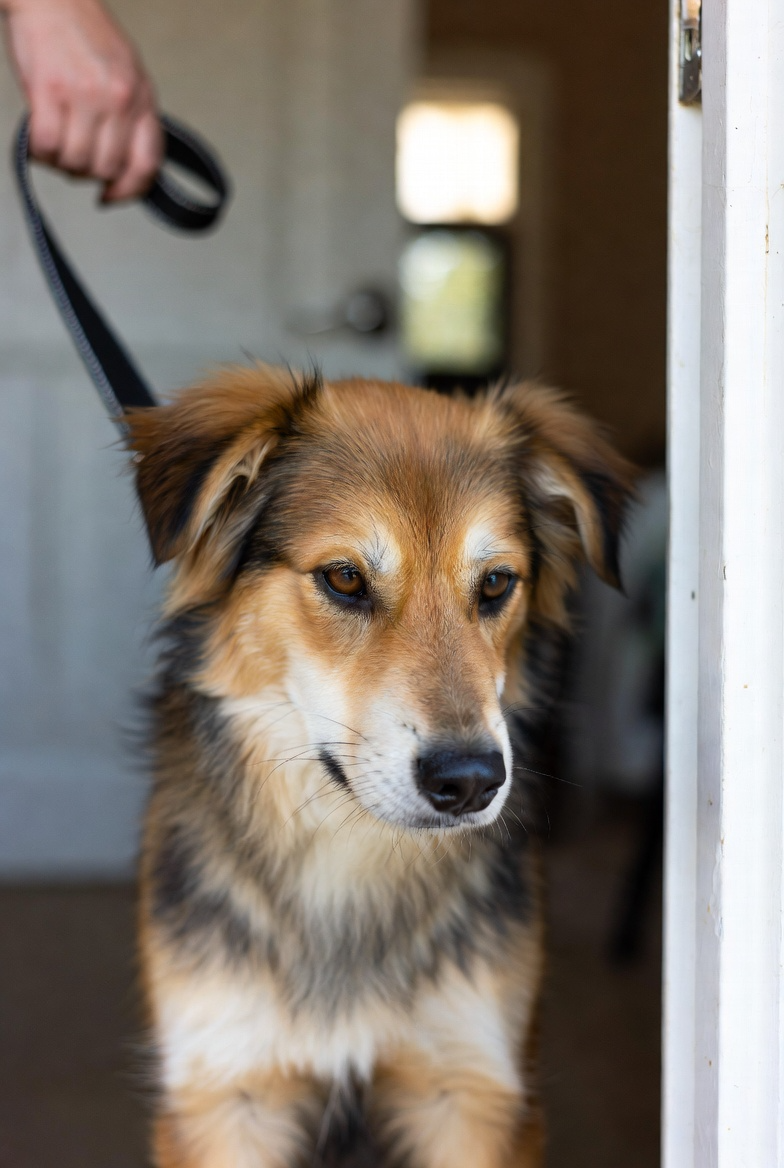
Go straight home. No errands. Leash the dog before they exit the car and keep that leash on even indoors for the first day. Many rescues bolt when doors open simply because everything feels unfamiliar.
Take them to the designated potty spot right away. Stand quietly and give them time. Reward any outdoor potty success with a calm “yes” and a treat. Do not make a huge fuss.
Then walk them on leash into their safe zone. Let them sniff. Sit nearby and do something quiet like reading or scrolling your phone. Avoid direct staring or reaching for them. Let curiosity pull them toward you.
If they hide under a table or behind the bed, that is fine. Hiding is a valid coping strategy on day one.
render_generated_image with prompt is Hyper-detailed 8K photorealistic portrait in 9:16 vertical ratio: a quiet safe corner set up for a new rescue dog with a soft bed, water bowl, and a couple of toys, dog partially visible investigating the space with cautious body language, soft warm indoor lighting, ultra-detailed textures on bedding and calm environment, peaceful decompression atmosphere, shallow depth of field, cinematic realistic style, no text orientation is portrait
Potty, Food, and the Basics
Expect accidents. Your dog does not know the house rules yet and stress can loosen the bladder. Take them out every one to two hours, after naps, and after any excitement. Clean accidents with an enzymatic cleaner and zero drama.
Offer the same food the shelter or foster used, at least for the first few days. A sudden diet change plus stress equals an upset stomach. Place the bowl down and step away. Many dogs will not eat much on day one. That is normal.
Keep water available at all times. Some dogs drink a lot once they feel a bit safer; others barely touch it at first.
If your dog is used to a crate, set it up with the door open as a den. Never force them in. If they are not crate-trained, skip it for now and stick to the gated safe area.
A Simple Day-One Schedule
- Potty break every 1–2 hours
- Quiet observation time in the safe zone
- Short, calm leashed potty walks only
- Food offered at regular times without pressure
- Early, low-key bedtime routine
Predictability is the real gift you give on day one.
What You Might See (and Why It’s Okay)
Some dogs shut down and sleep a lot. Others pace, pant, or stay glued to a corner. A few act overly friendly or mouthy from pure adrenaline. All of these are common stress responses.
Your dog might refuse food, have diarrhea, or seem restless at night. These usually settle once cortisol levels drop. Watch for extreme lethargy, vomiting, or signs of pain and call a vet if anything worries you.
Do not interpret distance as rejection. Many rescues need time before they feel safe enough to seek affection. Sit on the floor and let them come to you when they are ready.
What to Avoid Completely on Day One
Skip the welcome party. Friends and family can wait. Extra people add noise, movement, and social pressure your dog is not ready for.
Do not take them to the dog park, pet store, or busy walking trails. Stick to your yard or a quiet sidewalk right outside your door.
Avoid long training sessions or testing commands. Today is for observing, not teaching. A simple name recognition game is plenty if they engage.
Never punish accidents, chewing, or nervous behavior. Those actions come from stress, not spite. Punishment only adds more fear.
Finally, resist the urge to leave them alone for long stretches. Short absences are fine if needed, but day one is better spent building the sense that this new place is safe when you are present.
render_generated_image with prompt is Hyper-detailed 8K photorealistic portrait in 9:16 vertical ratio: a new rescue dog resting quietly on a soft bed in a calm room, body language soft and starting to settle, soft evening light, ultra-detailed fur and peaceful expression, water bowl nearby, sense of early decompression, shallow depth of field, cinematic realistic style, no text orientation is portrait
The First Night
Show your dog their sleeping spot early. Many rescues are exhausted but still run on adrenaline, so they may not settle easily. Stay calm and consistent.
Some dogs do better with the crate or bed near your bedroom so they can hear you. Others prefer the quiet of their safe room. Follow their lead.
If they whine, avoid long emotional responses. A brief, calm check-in is better than reinforcing the anxiety. Most dogs eventually crash hard once the day’s stimulation fades.
Have realistic expectations. The first night is rarely perfect. Accidents, restlessness, or needing extra potty trips are normal.
FAQ: Real Questions From New Rescue Parents
Should I let my new dog sleep in the bed on night one?
It depends on your long-term plan. If you want them on the bed eventually, it is fine. If you prefer they sleep in their own space, start that way from the beginning. Consistency matters more than the location.
My dog will not eat. Should I worry?
Not on day one. Stress suppresses appetite. Offer food, leave it down for 15–20 minutes, then pick it up. Try again at the next mealtime. Most dogs start eating within 24–48 hours. Contact your vet if refusal continues longer or other symptoms appear.
Can I introduce my resident dog or cat today?
Wait. Keep them completely separate for at least the first day or two. Sight and scent swapping through a closed door or baby gate is plenty. Forced face-to-face meetings while everyone is stressed often create lasting problems.
How much exercise does my new rescue need on day one?
Very little. Short, calm potty walks are enough. Over-exercising a stressed dog can raise cortisol further. Mental decompression matters more than physical tiredness right now.
What if my dog seems completely shut down?
Give them space and time. Sit quietly in the same room without demanding interaction. Many shut-down dogs blossom once they realize no one is forcing contact. If the shutdown is extreme or lasts beyond a couple of days, check with a vet or trainer experienced with rescues.
Do I need to start training right away?
No. Focus on potty routines and basic observation. Name recognition and rewarding calm behavior are useful, but formal training can wait until your dog shows they feel safer—usually after the first few days.
render_generated_image with prompt is Hyper-detailed 8K photorealistic portrait in 9:16 vertical ratio: a calm evening scene with a new rescue dog lying on a bed near a softly lit hallway, owner sitting quietly nearby reading, dog’s body language relaxed and starting to trust the space, warm low light, ultra-detailed peaceful atmosphere, sense of quiet first-night settling, shallow depth of field, cinematic realistic style, no text orientation is portrait
Related Articles:
- How to Socialize an Adult Dog (It’s Never Too Late)
- The Best Dog Training Treats for Picky Eaters
- Separation Anxiety in Dogs: Causes and Solutions
Final Thoughts
The first 24 hours with a rescue dog are about safety, predictability, and giving them room to breathe. Keep the environment small and quiet, meet basic needs without pressure, and let the dog set the pace for interaction. Tomorrow you can expand a little. Today, just help them land. That calm start pays off for months. You’ve already done the hard part by bringing them home. Now give them the quiet they need to begin trusting it.