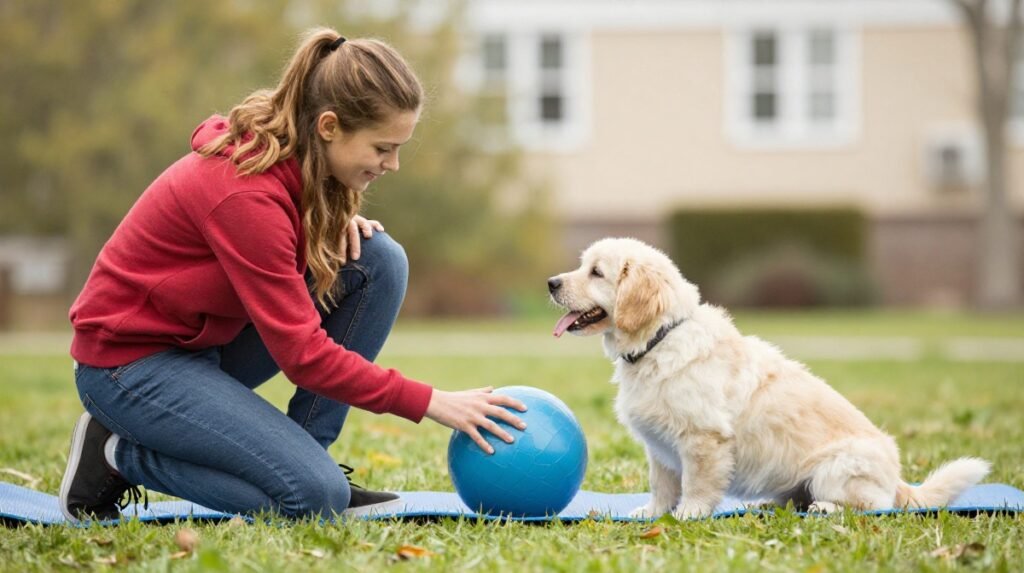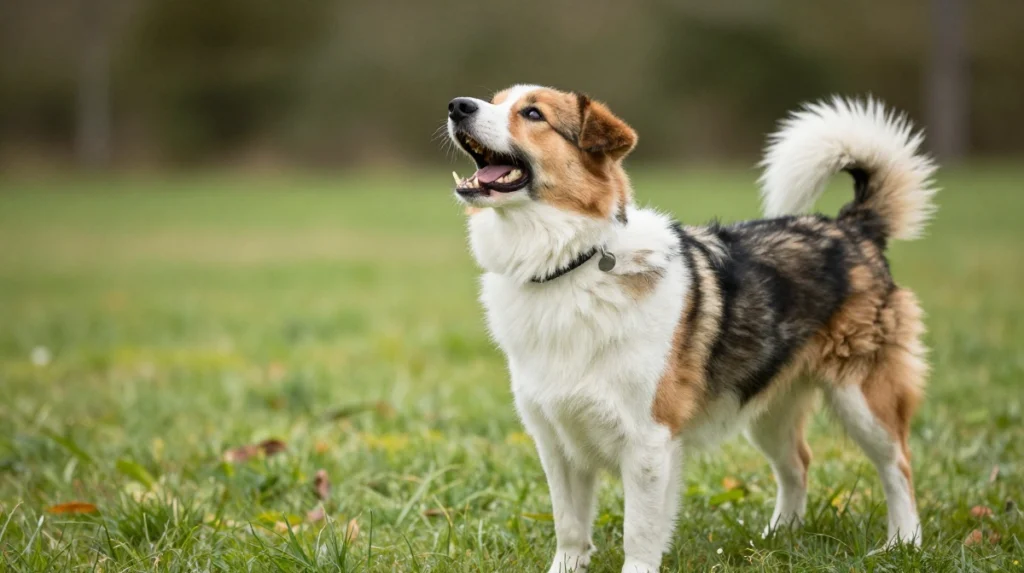
Your dog rockets toward the door the second the bell rings and plants two paws on every guest’s chest. Cute when they are a puppy. Less cute when they knock over Grandma or leave muddy prints on a work blouse. The good news? You can stop the jumping without yelling, kneeing, or feeling like a drill sergeant.
Why Dogs Jump (and Why Most “Fixes” Fail)
Dogs jump because it works. Standing on hind legs puts them closer to human faces, and humans almost always react—talking, pushing, laughing, or even yelling. All of that is attention, and attention is the reward.
Scolding or pushing the dog down often backfires. Your hands moving and your voice rising can feel like a fun wrestling match to an excited dog. The behavior gets stronger instead of weaker.
The real solution is simple in theory and requires consistency in practice: make jumping completely useless and teach a better way to get what they want.
Jumping stops when it stops paying off and sitting starts paying better.
Management Comes First: Prevent Rehearsal
While you train the new habit, stop letting the old one practice. Every successful jump makes the habit stronger.
Use a leash when guests arrive. Keep your dog a few feet back from the door so they cannot reach people. A baby gate or closed door works too. Some owners teach a solid “place” or “go to mat” so the dog has a job that keeps them away from the entryway.
Management is not cheating. It is how you protect the training. Without it, your dog keeps cashing in on jumping every time the doorbell rings.
Have high-value treats ready near the door. You will need them.
Teach the Alternative: Sit for Greetings
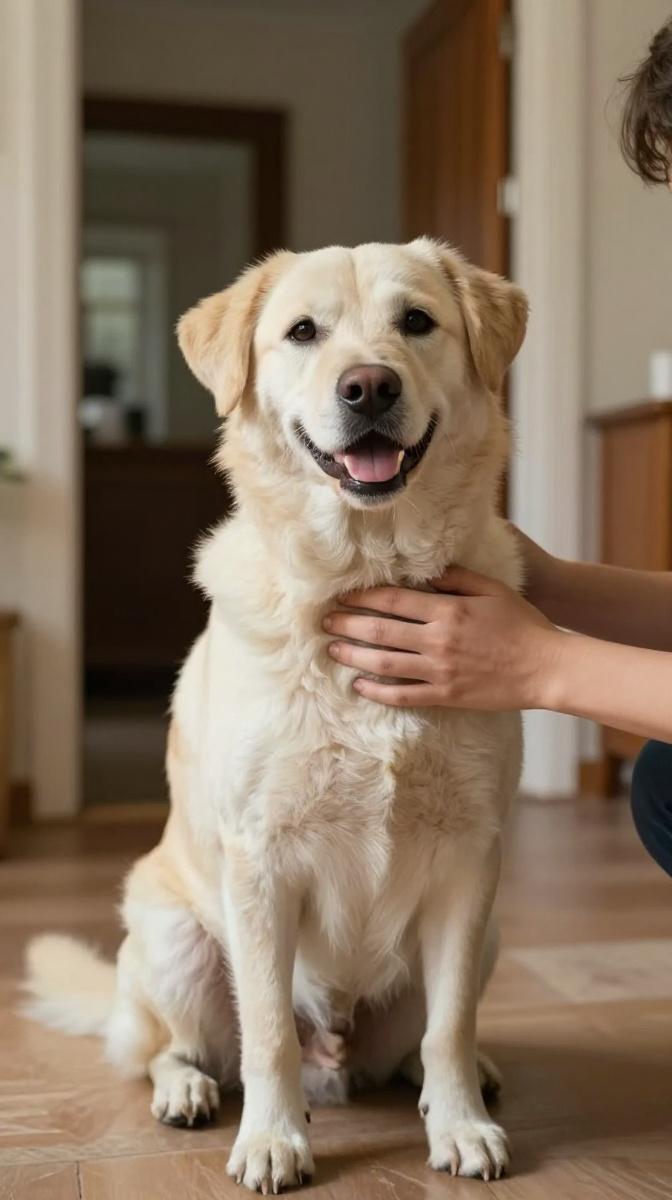
You cannot just say “don’t jump.” You have to show your dog what to do instead. Sitting is perfect because a dog cannot sit and jump at the same time.
Start in low-distraction settings. Ask family members to leave and come back in repeatedly. The moment your dog’s butt hits the floor, mark it (“yes!”) and reward with a treat plus calm attention. If paws come up, the person turns away and becomes a boring tree.
Practice this until your dog starts offering sits automatically when someone enters. Only then add real guests.
Build duration too. Require two seconds of sitting, then five, before the person greets the dog. Calm gets the reward. Excitement gets nothing.
The Magic of Completely Ignoring the Jump
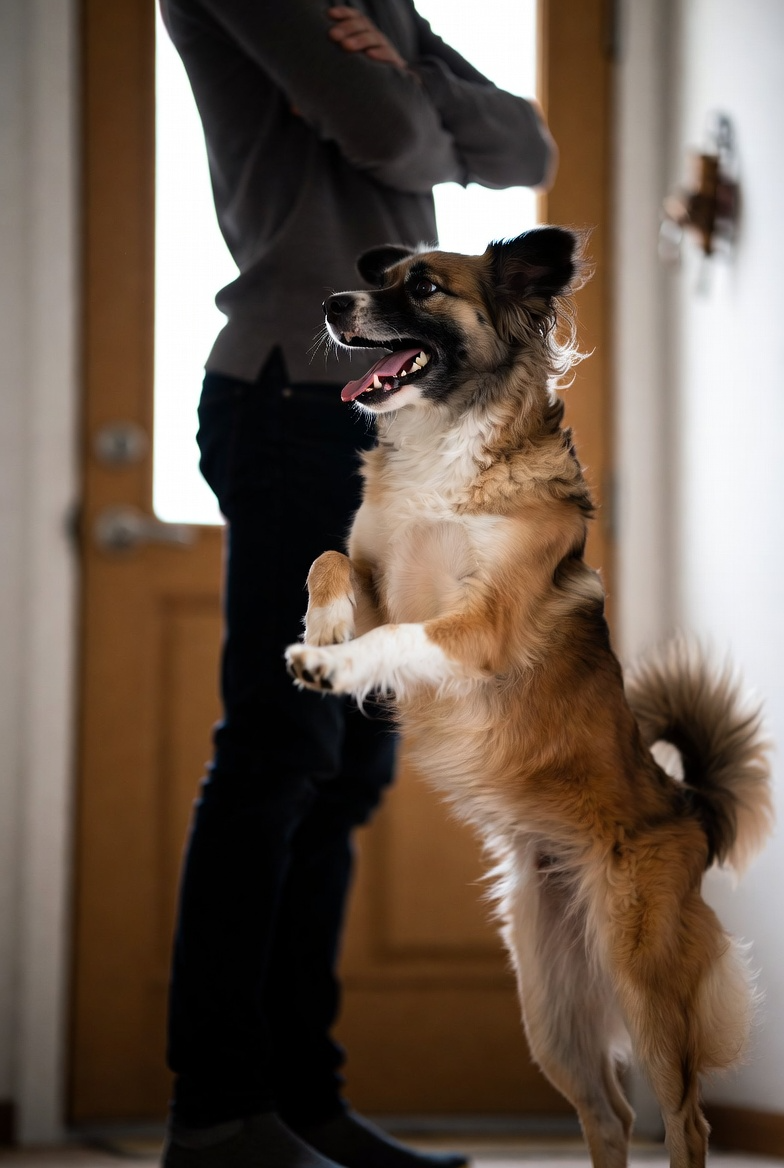
When your dog jumps, every single person must do the same thing: remove all attention instantly.
Turn your back. Cross your arms. Look at the ceiling or the wall. Do not speak, do not push, do not make eye contact. Stand still like a tree.
The second all four paws return to the floor, turn back and calmly reward. If the dog jumps again, repeat the turn-away. Timing matters. The reward must land the instant the paws hit the ground so your dog connects the dots.
This feels slow at first. Many dogs escalate—jumping harder or barking—before they figure it out. Stick with it. The extinction burst is normal and usually short if everyone stays consistent.
Why “No” and “Off” Often Fail
Saying “off” while looking at or touching the dog still delivers attention. For many dogs that is enough of a payoff. Silence and body language work cleaner.
A Practice Plan That Builds Real-World Success
Break the training into stages so your dog never gets overwhelmed.
- Family members practice mock arrivals several times a day
- Add the doorbell sound while practicing
- Invite one calm friend who follows instructions perfectly
- Gradually add more exciting people and higher energy entrances
- Fade the leash and treats once the sit is automatic
Keep early sessions short. Three to five successful sits beat twenty messy ones. End while your dog is still succeeding.
If your dog is highly food-motivated, use treats heavily at first. For dogs who care more about attention, calm petting and praise become the main reward once the habit starts sticking.
Getting Your Guests to Cooperate
One well-meaning visitor who squeals and pets the jumping dog can undo a week of work. Prep people before they walk in.
Send a quick text: “We’re training calm greetings. Please completely ignore the dog until all four paws are on the floor, then you can say hello.” Most people are happy to help when you give clear instructions.
Have a backup plan. If a guest cannot follow the plan, keep the dog on leash or behind a gate until everyone settles. You control the environment so the training stays clean.
Consistency from every human is the secret ingredient. One person who still allows jumping keeps the old habit alive.
Common Mistakes That Keep the Jumping Alive
Pushing the dog down feels productive but often turns into a game. Kneeing is the same problem plus it can hurt or scare the dog.
Rewarding the sit too late confuses the dog. The treat or attention must happen the instant the paws hit the floor.
Practicing only with real guests is too hard. Build the skill with family first so the dog already understands the game.
Giving up during the extinction burst is the most common failure point. When the dog jumps more intensely for a day or two, many owners think the method is not working. It is working—the dog is testing the new rules.
Finally, forgetting management means the dog keeps practicing the unwanted behavior between training sessions. Use the leash or gate until the new habit is solid.
FAQ’s
How long does it take to stop the jumping?
Most dogs show clear improvement in one to three weeks of consistent daily practice. Fully reliable calm greetings with exciting guests can take a few more weeks. Puppies and high-energy breeds often need more repetitions.
What if my dog jumps on me but not on guests?
Treat yourself the same way. Turn away every time paws leave the floor. Many dogs learn the rule with strangers faster than with their favorite people because the emotional stakes feel higher with family.
Can I use a knee or push to stop the jump?
It is better not to. Physical corrections can increase arousal, create fear, or turn into a rough play invitation. Removing attention is cleaner and more effective for most dogs.
My dog is too excited to sit when guests arrive. Now what?
Lower the difficulty. Keep the dog farther from the door on a leash, scatter treats on the floor to keep the nose down, or ask for a sit before the guest fully enters. Success at an easier level builds the skill you can later raise.
Should I punish the jumping?
No. Punishment adds confusion and can damage trust. Focus on making the jumping useless and the sit highly rewarding. That combination changes the behavior without side effects.
What if some guests refuse to ignore the dog?
Keep the dog managed (leash or gate) when those people visit. You cannot control every human, but you can control whether your dog gets the chance to practice the old habit.
Related Articles:
- How to Stop a Dog from Jumping on Guests
- Dog Body Language: What Your Dog is Really Saying
- The First 24 Hours With a New Rescue Dog
Final Thoughts
Stopping the jumping is less about stopping a behavior and more about teaching a better one. Manage the environment so the old habit cannot succeed, teach a clear sit for greetings, and make sure every human removes attention the instant paws leave the floor. Stay consistent through the messy middle and your dog will learn that calm is the fastest way to get the attention they want. Guests will thank you, your dog will feel clearer about the rules, and those muddy paw prints will finally become a memory. You’ve got this.