Let me paint you a picture that might feel painfully familiar.
You bring home your beautiful German Shepherd puppy. You’ve done your research. You’ve watched the YouTube videos. You’re ready to raise the next canine genius.
Fast forward a few months, and your “genius” is… well, not exactly acing obedience school.
Sound familiar?
I’ve been there. My German Shepherd, Kaiser, was supposed to be this incredibly smart, trainable dog. And he IS smart—almost too smart for his own good. But somewhere along the way, our training hit a wall. He’d look at me like I was speaking Klingon. He’d “forget” commands he’d known for weeks. And I’d be standing there, treat in hand, wondering what I was doing wrong.
The truth? I was making some classic training mistakes that were seriously slowing down our progress.
German Shepherds are brilliant dogs, but they’re also sensitive, stubborn, and incredibly intuitive. They pick up on our energy, our inconsistencies, and our frustrations. And when we make training mistakes, they’re the ones who suffer.
Here’s the thing—I’m not a professional trainer. I’m just a dog mom who’s made every mistake in the book (and probably a few that aren’t even in the book). But through trial, error, and a lot of patience, I’ve figured out what works and what absolutely doesn’t.
So grab a coffee (or a glass of wine—I won’t judge), and let’s talk about the six training mistakes that could be holding your German Shepherd back. And more importantly, how to fix them!
1. Using Low-Value Treats for High-Distraction Training
You’re in your living room, and your German Shepherd is nailing “sit” perfectly. You feel like a training rockstar. Then you go to the dog park, and suddenly your dog can’t hear you. You’re waving treats, calling their name, and they’re ignoring you like you’re invisible. Sound familiar?
The Problem
German Shepherds are smart enough to know when something is worth their attention. If you’re offering the same boring kibble or dry biscuit at the dog park that you use at home, your dog will choose the squirrel, the other dogs, or the interesting smells over your “meh” treat. Every single time.
How to Fix It
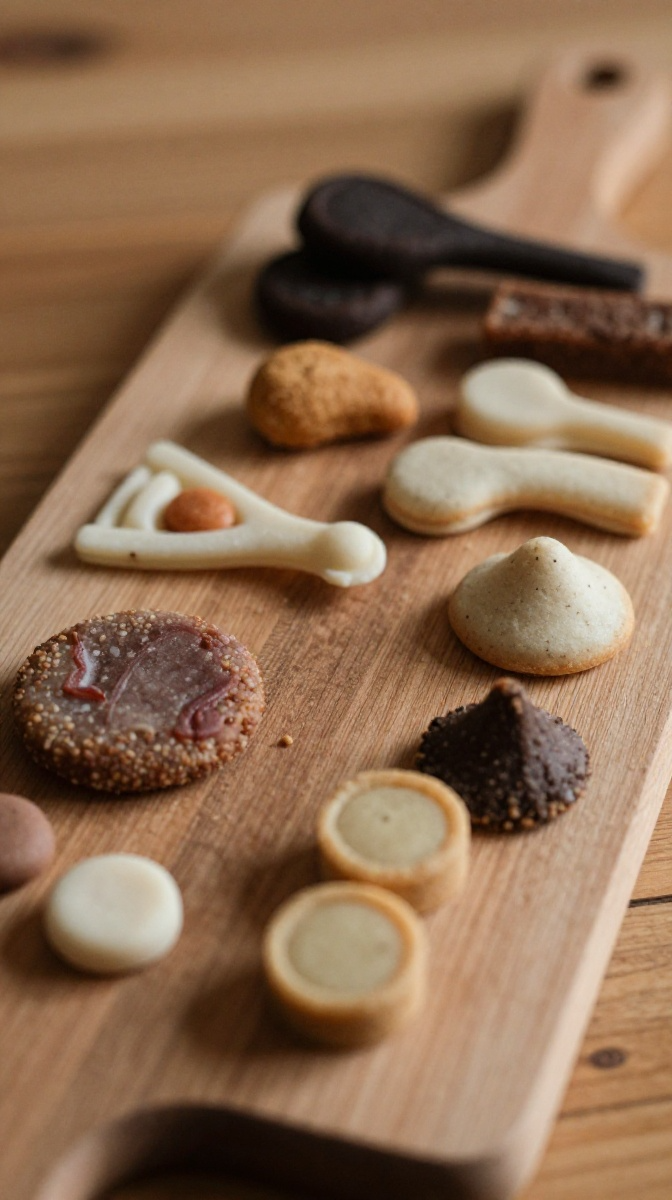
Create a Treat Hierarchy:
- Low Value: Kibble or dry biscuits (use these at home)
- Medium Value: Freeze-dried liver, small cheese pieces
- High Value: Boiled chicken, hot dog pieces, steak bites
Step-by-Step Implementation
- Save your high-value treats for challenging environments. The dog park, walks with lots of distractions, or new locations.
- Use low-value treats for practice at home where distractions are minimal.
- Match the treat to the difficulty. The harder the task, the better the treat. Simple commands get simple treats. Complex commands or challenging environments get the good stuff.
- Mix it up. Rotate treat types to keep things interesting. Dogs get bored with the same thing every day!
- Adjust based on your dog’s preferences. Some dogs go crazy for cheese, others prefer meat. Figure out what makes YOUR dog excited.
Why You’ll Love This Approach
I started doing this with Kaiser, and the difference was like night and day. Suddenly, he was actually interested in listening to me at the dog park. He’d see me pull out the “special” treats and come running. He still gets distracted sometimes (he’s a dog, after all), but the improvement has been massive!
Pro tip: Carry a treat pouch with different compartments. Keep low-value treats in one pocket and high-value treats in another. You’ll always be prepared!
2. Inconsistent Cues and Commands
You say “sit” one day, “sit down” the next, and “SIT!” (with hand gestures) the day after. Your German Shepherd sits… sometimes. Or maybe they lie down. Or they just stare at you like you’ve lost your mind. What gives?
The Problem
German Shepherds thrive on consistency. They’re pattern-oriented dogs who learn best when commands are clear and unchanging. When you use different words, different tones, or different hand signals for the same command, you’re confusing your dog. And confused dogs don’t learn well.
How to Fix It
Choose One Command Per Behavior:
- Sit: Always “sit”
- Down: Always “down” (never “lie down”)
- Stay: Always “stay”
- Come: Always “come” (never “here” or “come here”)
Step-by-Step Implementation
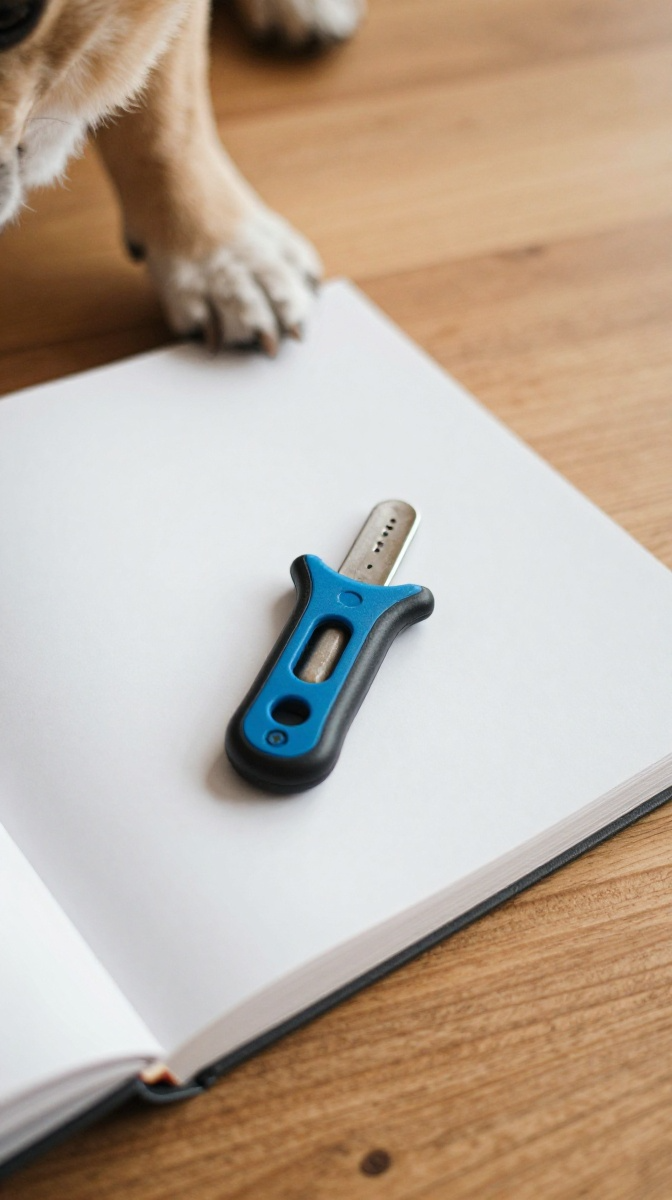
- Write down your commands. List every command you use and the exact word/hand signal for each one.
- Share this list with everyone in your household. Consistency is a team effort!
- Practice the same way every time. Same word, same hand signal, same tone.
- Be patient. Changing old habits takes time. Your dog will eventually catch on.
- Avoid using words that sound similar. “Sit” and “stay” can sound alike to dogs. Choose distinct words.
- Use a marker word like “yes” or a clicker to mark the exact moment your dog does the right thing.
Why You’ll Love This Approach
The first time I realized how inconsistent I was being with Kaiser, I felt terrible. I’d been confusing him this whole time without even realizing it! Once I got consistent, he started responding so much faster. He wasn’t being stubborn—he was just confused. Poor guy!
Pro tip: Put your command list on the fridge. That way, everyone in the house uses the same cues. No more “I thought you said down!” arguments!
3. Training Sessions That Are Too Long
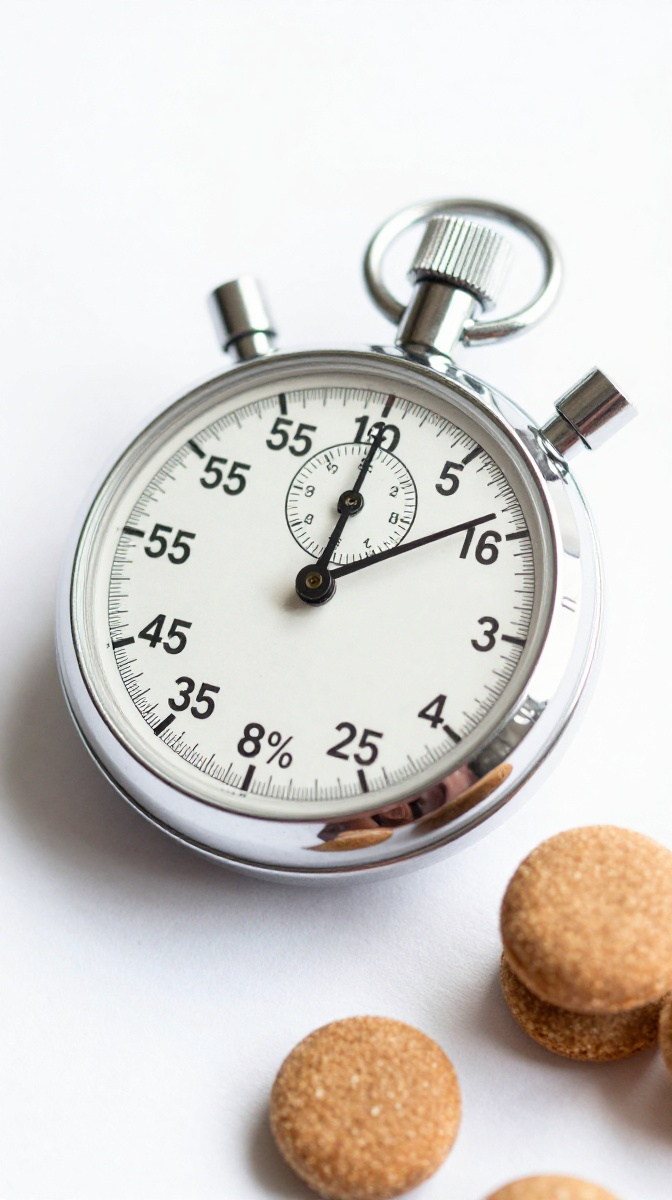
You want your German Shepherd to learn fast, so you train for 45 minutes straight. By minute 20, your dog is yawning, looking away, or just lying down. By minute 30, they’re completely checked out. You’re frustrated, they’re frustrated, and nobody’s learning anything.
The Problem
German Shepherds have incredible focus—but they’re not robots. Their attention spans are limited, and training sessions that drag on too long become counterproductive. Dogs learn best in short, intense bursts. After about 10-15 minutes, they start to lose focus, and learning actually goes backward.
How to Fix It
Keep Sessions Short and Sweet:
- Puppies: 2-5 minutes
- Adult dogs: 5-10 minutes
- Advanced training: 10-15 minutes max
Step-by-Step Implementation
- Set a timer. Literally set an alarm on your phone. When it goes off, you stop, no matter what.
- End on a positive note. Always end training with a command your dog knows well and a big reward. This leaves them wanting more.
- Train multiple times per day. Two 5-minute sessions are infinitely better than one 10-minute session.
- Watch your dog’s body language. When they start yawning, looking away, or losing focus, take a break.
- Make it fun. If it’s not fun for both of you, you’re doing it wrong.
- Interweave play and training. Mix in some tug-of-war or fetch between commands to keep energy high.
Why You’ll Love This Approach
I used to train Kaiser for 30 minutes at a time, thinking more was better. He’d do well for the first 10 minutes, then start making mistakes, and I’d get frustrated. Now I keep sessions to 5-10 minutes, and he actually gets excited when I pull out the treats! He knows training is fun and short, not a chore.
Pro tip: Use a timer that makes a pleasant sound, not a jarring alarm. You don’t want to startle your dog!
4. Not Proofing Commands in Different Environments
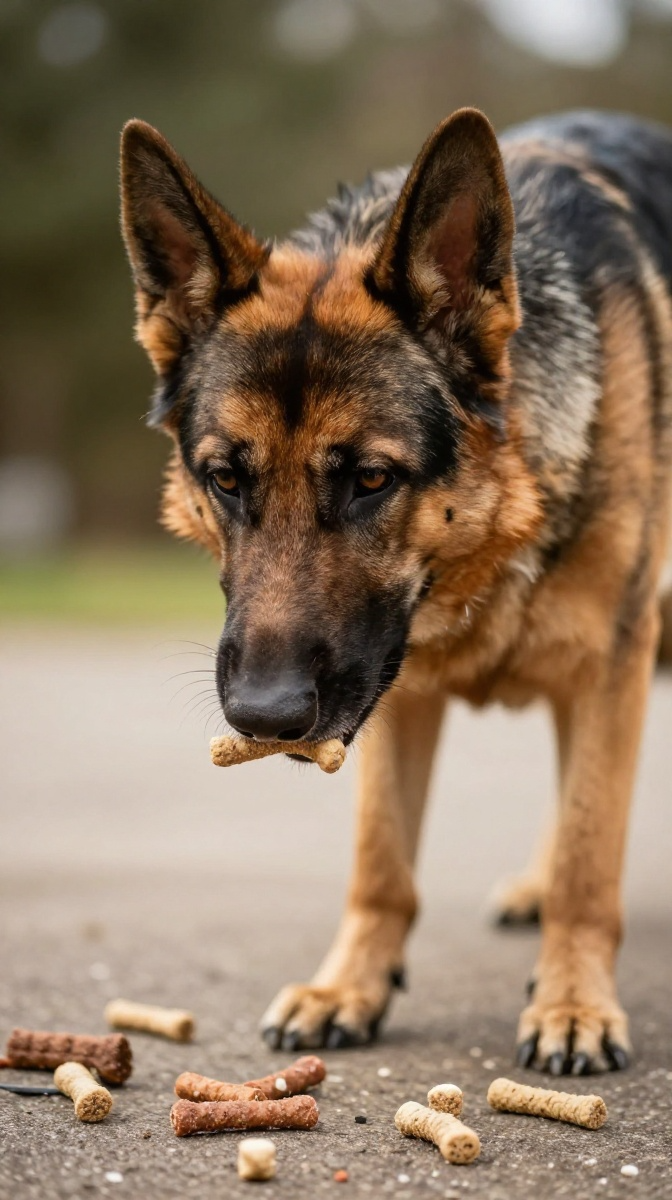
Your German Shepherd can sit perfectly in your living room. But take them to a friend’s house, and suddenly “sit” means nothing. Take them to the park, and they act like they’ve never heard the word before. What’s going on?
The Problem
Dogs don’t generalize well. To them, “sit in the living room” is a completely different behavior from “sit at the park.” They need to learn commands in different environments with different levels of distraction. If you only practice at home, your dog won’t be able to perform when it really counts.
How to Fix It
Practice Everywhere:
- Inside your house (various rooms)
- Your backyard
- On walks
- At the park
- At friend’s houses
- At pet stores
Step-by-Step Implementation
- Master commands at home first. Don’t move to challenging environments until your dog has the basics down.
- Progress gradually. Start with easy environments (your yard), then move to medium-difficulty (quiet park), then high-difficulty (busy dog park).
- Use high-value treats in new environments. The harder the environment, the better the reward.
- Go back to basics. If your dog struggles in a new place, shorten the command, lower your criteria, and reward heavily.
- Practice the same command in 5 different locations in one day. This helps your dog generalize faster.
- Don’t get frustrated. Remember, this is new for your dog. Be patient!
Why You’ll Love This Approach
I’ll never forget the first time Kaiser performed a perfect “stay” at the dog park while other dogs were running around. I almost cried. All that practice in different environments finally paid off! Now he can focus almost anywhere, and I don’t have to worry about him bolting or ignoring me.
Pro tip: Keep a small treat pouch in your car. That way, you’re always ready to practice whenever you’re out and about!
5. Training While Frustrated or Exhausted
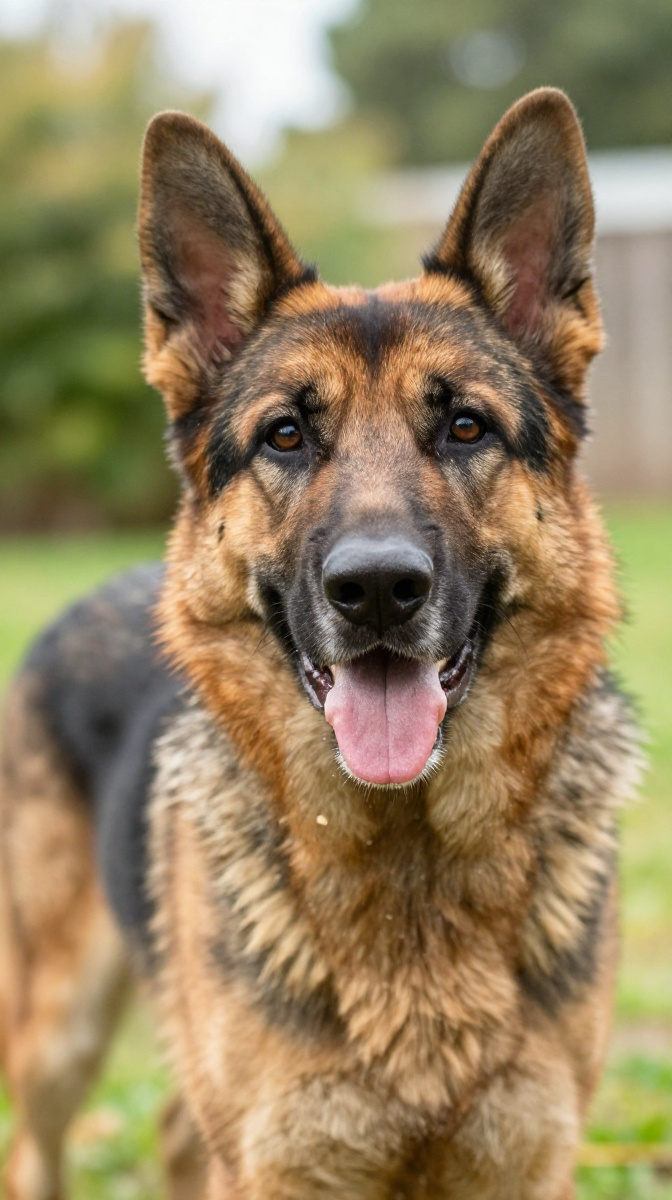
You’ve had a rough day. You’re tired. You’re stressed. You still want to train your dog because you “should” do it every day. You call your German Shepherd to you, and they’re being slow. You call again, your voice getting sharp. They finally come, but their tail is low. Something feels wrong.
The Problem
German Shepherds are incredibly intuitive and sensitive to our emotions. They can tell when we’re stressed, frustrated, or angry. Training when you’re in a negative headspace damages your bond, makes training unpleasant for your dog, and actually slows down learning.
How to Fix It
Only Train When You’re in the Right Headspace:
- Choose times when you’re calm and patient
- Don’t train when you’re stressed, tired, or angry
- Take a break if you feel frustration rising
Step-by-Step Implementation
- Check in with yourself before starting a training session. How are you feeling? If you’re stressed, skip it.
- Practice “don’t train” days. It’s okay to take a break! Training is a marathon, not a sprint.
- Focus on connection, not perfection. Spend time bonding with your dog without any training expectations.
- Use training as a stress-reliever. If you’re having a good day, training can actually make you feel better!
- Know your limits. If you’re tired, keep sessions even shorter than usual.
- Don’t compare yourself. Your training journey is unique to you and your dog.
Why You’ll Love This Approach
There were so many nights I’d be exhausted from work and still try to “make progress” with Kaiser. We’d both end up frustrated, and I’d go to bed feeling like a failure. Now, if I’m not in the right headspace, we just cuddle on the couch instead. And you know what? Our bond is stronger than ever. The training will still be there tomorrow.
Pro tip: Make a “training only when happy” rule for yourself. It sounds silly, but it really works!
6. Skipping the Release Word and Ending Training Abruptly
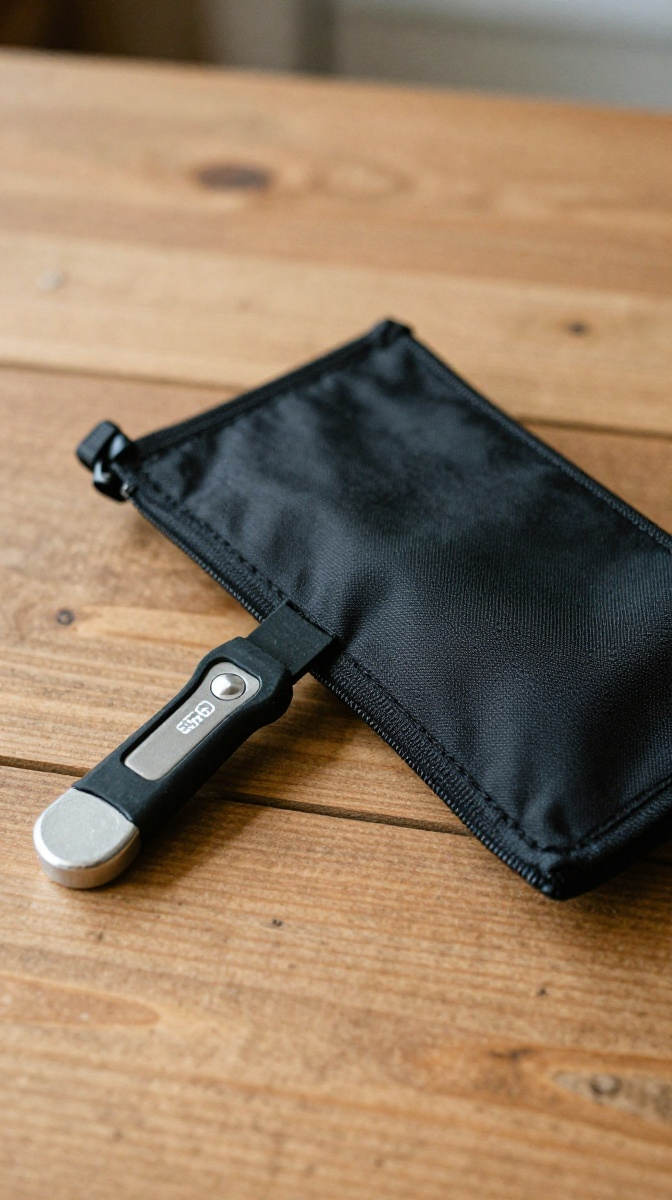
You ask your German Shepherd to “stay,” and they do. You’re proud. You give them a treat and… walk away. Or you call them to you and start the next command immediately. Your dog looks at you like “Wait, was I supposed to stay? Do I follow you? What’s happening?”
The Problem
German Shepherds are pattern-oriented dogs who need clarity. Without a clear release word or consistent training endings, they get confused about when a behavior is actually over. This leads to frustration and can even make them less reliable in obedience.
How to Fix It
Always Use a Release Word:
- Choose a word like “okay,” “free,” or “release”
- Use it consistently to end every behavior
- Give physical freedom immediately after the release word
Step-by-Step Implementation
- Pick a release word that’s distinct and easy to say. “Okay” works great for most people.
- Practice the release word. Start with your dog in a “sit.” Say “okay” and immediately toss a treat on the floor so they can break position.
- Use it for everything. Every stay, every sit, every down—always use the release word.
- End training with a clear sign. Use your release word, then play with your dog or give them a big reward. This tells them that training is over and it’s time to relax.
- Be consistent. Everyone in the household should use the same release word.
- Don’t forget! It’s easy to skip the release word when you’re tired. Make it a habit.
Why You’ll Love This Approach
I used to just walk away from Kaiser after training without any clear signal. He’d follow me around confused, not sure if training was over or if he was supposed to be doing something. Now I always say “okay” and do a little happy dance (yes, literally) to mark the end of training. He knows training is done and he can relax. It’s made both of us less anxious!
Pro tip: Use a distinct tone for your release word. Make it lighter and more playful than your command words.
The Ultimate Guide to German Shepherd Training Success
You’ve identified the mistakes, but here’s the secret sauce—my best tips and tricks for making German Shepherd training work perfectly every single time.
Patience Is Everything
German Shepherds are brilliant, but they’re also sensitive. Rushing or getting frustrated will set you back. Take a deep breath and remember: your dog wants to please you.
Consistency Across All Handlers
Everyone in your household needs to be on the same page. Same commands, same hand signals, same release word. Inconsistency confuses your dog and slows progress.
Quality Over Quantity
A 5-minute training session with high focus and engagement is infinitely more valuable than a 30-minute session where your dog is checked out.
Make Training Fun
If training feels like a chore, your dog will feel it too. Keep sessions upbeat, celebrate small wins, and don’t take things too seriously!
Socialization Counts
German Shepherds need plenty of positive experiences with people, dogs, and environments. This helps them stay calm and focused during training.
Rest Is Important
Dogs learn and consolidate memories during sleep. Make sure your dog gets plenty of rest between training sessions.
Nutrition Matters
A healthy diet supports brain function and learning. Talk to your vet about the best nutrition for your active German Shepherd.
Enjoy the Journey
Training isn’t just about the result—it’s about the bond you build along the way. Enjoy every moment with your amazing German Shepherd!
Related Articles:
- Doggie Birthday Cake Recipes for Your Pup’s Special Day
- Summer Dog Snack Recipes for Hot Days
- Dog Snack Recipes (For Any Occasion)
Conclusion: Fix These Mistakes and Watch Your German Shepherd Soar!
So there we have it—six training mistakes that could be slowing down your German Shepherd’s progress!
We’ve covered using low-value treats (upgrade your snack game!). Inconsistent cues (get on the same page!). Training sessions that are too long (short and sweet wins!). Not proofing commands (practice everywhere!). Training while frustrated (keep it positive!). And skipping the release word (give clear endings!).
Every single mistake is fixable. Every single one will make a difference in your training progress. And every single one will strengthen the bond between you and your incredible German Shepherd.
Here’s the thing—training a German Shepherd is a journey, not a destination. There will be good days and bad days. There will be moments of brilliance and moments of “what were you thinking?!” But that’s what makes it so rewarding. Watching your dog finally “get it” and perform something you’ve been working on for weeks? Priceless.
Kaiser and I have been through it all together. The mistakes, the frustrations, the breakthroughs, and the successes. And through it all, he’s taught me more about patience, consistency, and love than I ever expected. He’s not just a dog—he’s my partner, my teacher, and my best friend.
One last reminder: I’m not a professional trainer, just a dog mom who’s made every mistake in the book. Always work with a reputable trainer if you’re struggling, and always use positive reinforcement methods.
Now go fix those training mistakes and watch your German Shepherd shine! Your dog is waiting, and I promise their progress is going to make your heart burst with pride.
Happy training, consistency-building, and tail-wagging, everyone! 🐾
This article contains affiliate links that support my dog’s treat addiction. All opinions, training tips, and hilarious mishaps are entirely my own. Kaiser personally oversaw every training suggestion (he’s the real expert here!).