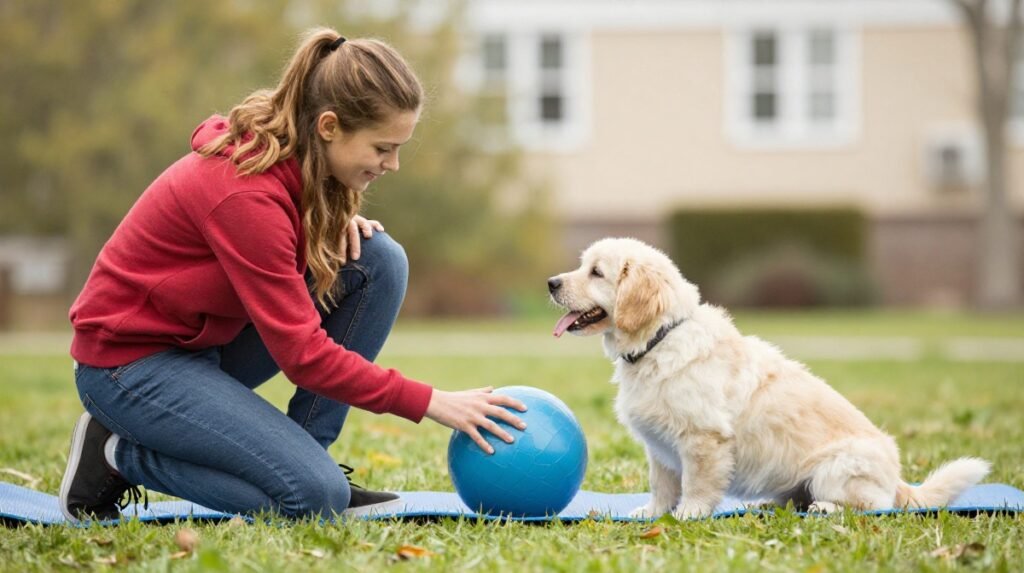
Let me ask you something.
Have you ever looked into the eyes of a Golden Retriever puppy and felt your heart just… melt?
I have. And honestly? It’s the best and worst thing that ever happened to me.
Okay, maybe not the worst. But let me tell you—bringing home my Golden Retriever puppy, Charlie, was like adopting a tiny, fluffy tornado with razor-sharp teeth and zero impulse control.
I thought I was prepared. I’d read all the books. I’d watched all the YouTube videos. I’d even dog-sat for friends. But nothing—and I mean NOTHING—could have prepared me for the reality of raising a Golden Retriever puppy.
These dogs are absolute angels. But they’re also mischievous, energetic, and smart enough to outsmart you at every turn. They’ll steal your socks, chew your favorite shoes, and then look at you with those big brown eyes like “Who, me?” And somehow, you’ll forgive them every single time.
I’ve been raising Charlie for two years now, and I’ve learned more than I ever expected. I’ve made mistakes. I’ve had victories. I’ve cried (from frustration and joy). And I’ve loved every single minute of it.
So grab a coffee (or a glass of wine—you’re going to need it), and let me share the six Golden Retriever puppy care tips that I wish someone had told me from day one. These tips will save your sanity, your furniture, and probably your relationship with your neighbors!
1. Start Nutrition Right from Day One
You know what I wish someone had told me? That Golden Retriever puppies grow at an insane rate. Like, blink-and-they’ve-doubled-in-size insane. And their nutrition needs to keep up with that growth. Feed them the wrong food, and you’re setting them up for joint problems, digestive issues, and a whole host of other problems.
The Golden Retriever Nutrition Cheat Sheet
Choose the Right Food:
- Large breed puppy food is essential (not regular puppy food!)
- Look for controlled calcium levels (too much causes joint issues)
- High-quality protein should be the first ingredient
- Avoid fillers like corn, wheat, and soy
Establish a Feeding Schedule:
- 8-12 weeks: 3-4 meals per day
- 3-6 months: 3 meals per day
- 6-12 months: 2 meals per day
- 12+ months: 2 meals per day (adult food)
Step-by-Step Implementation
- Talk to your vet about the best food for your specific puppy. They know your pup’s individual needs.
- Read the label carefully. Look for “large breed puppy” on the bag. Don’t just grab whatever’s on sale!
- Transition slowly. If you’re switching foods, mix the new food with the old food over 7-10 days.
- Measure portions. Use a measuring cup—don’t eyeball it! Golden Retrievers are prone to obesity.
- Stick to a schedule. Regular mealtimes help with potty training and digestion.
- Limit treats. Treats should make up no more than 10% of your puppy’s daily calories.
- Fresh water always. Make sure your puppy always has access to clean, fresh water.
Why You’ll Love This Approach
I started Charlie on regular puppy food because I didn’t know any better. Within a few weeks, he was having digestive issues and gaining weight too quickly. Once I switched to large breed puppy food, everything changed. His digestion improved, his growth normalized, and he had way more energy (which was both a blessing and a curse!).
Pro tip: Buy a good quality food storage container. Those big bags can attract bugs and go stale if you don’t store them properly!
2. Master the Art of Training (Before They Master You!)
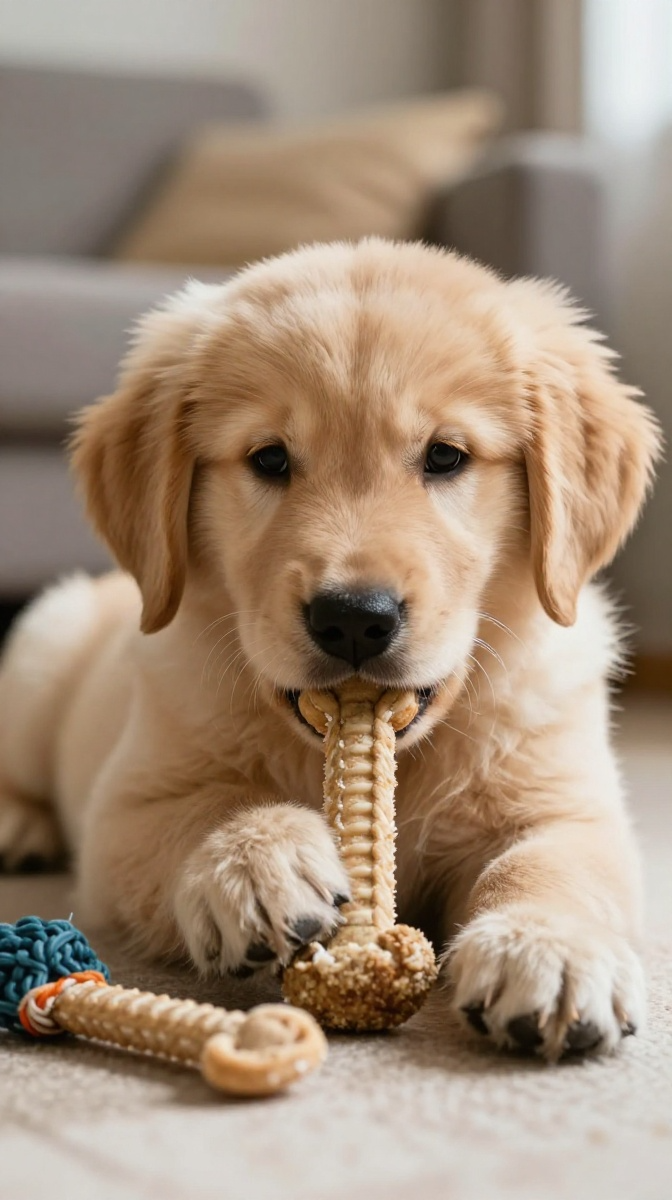
Golden Retrievers are smart. Like, scary smart. They learn fast—both good habits AND bad ones. If you don’t start training early, you’ll end up with a 70-pound dog who thinks they’re the boss of you. And trust me, that’s not a fun situation!
The Golden Retriever Training Blueprint
Start Training Immediately:
- Day 1: Begin teaching their name
- Week 1: Introduce “sit,” “down,” and “come”
- Month 1: Add “stay,” “leave it,” and “drop it”
- Month 2: Start loose-leash walking
Use Positive Reinforcement:
- Reward good behavior with treats, praise, and play
- Ignore unwanted behavior (don’t give it attention)
- Never punish—it damages your bond and creates fear
Step-by-Step Implementation
- Keep sessions short. 5-10 minutes max. Puppies have tiny attention spans!
- Use high-value treats. Save the really good stuff (like chicken or cheese) for training.
- End on a positive note. Always finish with a command your puppy knows well and a big reward.
- Practice everywhere. Inside, outside, at friends’ houses. Your puppy needs to generalize commands.
- Be consistent. Everyone in the household should use the same commands.
- Socialize early. Introduce your puppy to new people, dogs, and environments in a positive way.
- Consider puppy classes. Professional guidance is worth every penny!
Why You’ll Love This Approach
I waited too long to start serious training with Charlie, thinking he was “too young.” By the time I got serious, he’d already learned some bad habits. We spent weeks undoing behaviors that could have been prevented with early training. Learn from my mistakes—start training the moment you bring your puppy home!
Pro tip: Use a treat pouch during training. It keeps your hands free and treats accessible. Game changer!
3. Grooming Is Not Optional (Yes, You Have to Do It!)
You know what they don’t tell you about Golden Retrievers? They shed. A LOT. Like, you’ll find fur in places you didn’t even know existed. And if you don’t start grooming early, your puppy will grow into an adult dog who hates brushing, bathing, and nail trims. Not fun for anyone!
The Golden Retriever Grooming Routine
Daily Habits:
- Brush their coat (10-15 minutes)
- Wipe their paws after walks
- Check their ears for redness or odor
Weekly Habits:
- Brush teeth (use dog-specific toothpaste!)
- Trim nails (or file them)
- Clean ears with a vet-approved solution
Monthly Habits:
- Bathe (or as needed)
- Professional groom (or learn to do it yourself)
Step-by-Step Implementation
- Start early. Introduce grooming tools slowly and positively from day one.
- Use treats. Reward your puppy for tolerating brushing, nail trims, and handling.
- Keep sessions short. 5 minutes at a time for puppies. Build up gradually.
- Choose the right tools. A slicker brush, undercoat rake, and comb are essential for Golden Retrievers.
- Make it fun. Brush while your puppy chews on a favorite toy.
- Be gentle. Golden Retrievers can be sensitive. Go slow and be patient.
- Consider professional grooming. At least for nail trims if you’re nervous!
Why You’ll Love This Approach
I made the mistake of not brushing Charlie regularly as a puppy because he didn’t “seem” to shed much. Fast forward a few months, and suddenly I was living in a fur explosion. I spent hours getting matted fur out of his coat. Now I brush him daily, and it’s our bonding time. He loves it, and my vacuum cleaner loves it too!
Pro tip: Buy a good vacuum cleaner with a pet hair attachment. You’ll thank me later!
4. Veterinary Care: Don’t Skip the Checkups!
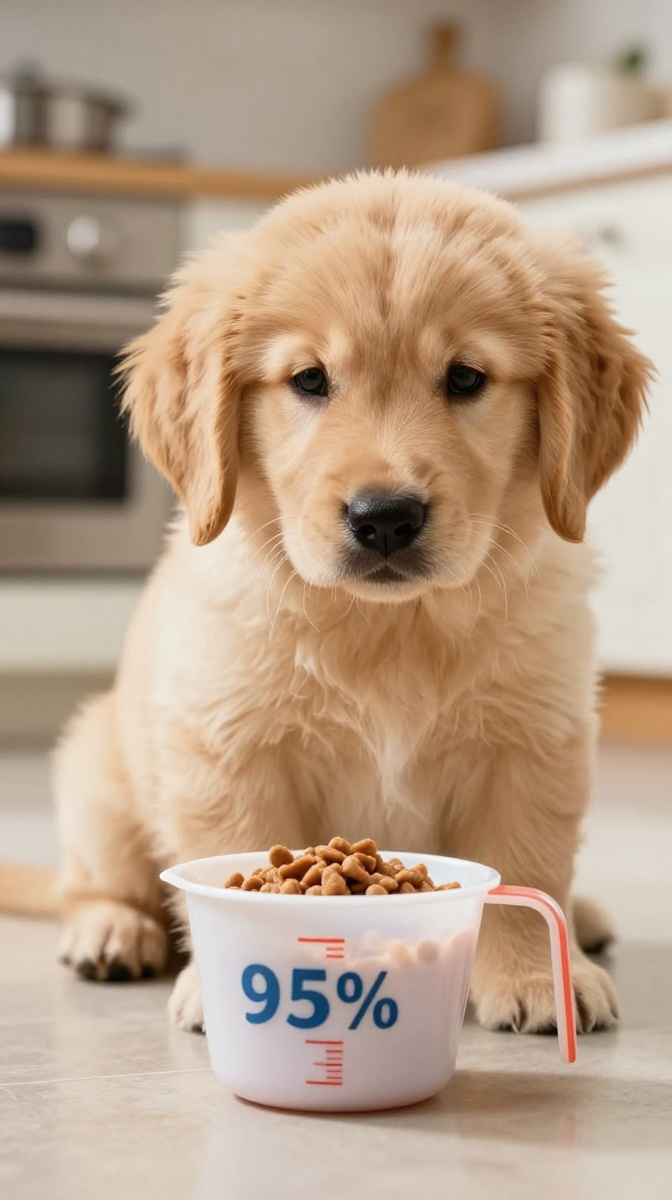
Golden Retrievers are generally healthy dogs, but they’re prone to certain conditions. Hip dysplasia, elbow dysplasia, eye problems, and heart issues can all affect this breed. Early detection is key. And that means regular vet visits from day one.
The Golden Retriever Veterinary Checklist
First Year:
- 8 weeks: First vet visit, vaccines, deworming
- 12 weeks: Second vaccines
- 16 weeks: Third vaccines, rabies vaccine
- 6 months: Spay/neuter discussion, microchipping
- 9 months: Annual checkup, booster vaccines
Ongoing:
- Annual checkups (twice yearly for seniors)
- Dental cleanings (as recommended)
- Heartworm prevention (year-round)
- Flea/tick prevention (year-round)
Step-by-Step Implementation
- Find a vet before you bring your puppy home. Schedule that first appointment ASAP.
- Keep records. Vaccination records, medical history, and treatment notes.
- Ask questions. Don’t be shy! Your vet is your partner in puppy care.
- Establish a relationship. Visit the vet for positive experiences too—just for treats!
- Understand what’s normal. Know your puppy’s eating, drinking, and elimination habits.
- Watch for warning signs. Lethargy, vomiting, diarrhea, or changes in behavior need attention.
- Consider pet insurance. It can save you thousands in emergency costs.
Why You’ll Love This Approach
Charlie had a scare when he was about 5 months old. He stopped eating and was really lethargic. I was terrified. We rushed to the emergency vet, and it turned out he had a mild infection that was easily treatable. But having an established relationship with our vet made everything less stressful. I knew who to call, and they knew Charlie’s history. It made all the difference.
Pro tip: Keep your vet’s number programmed into your phone. And the emergency vet’s number too. You never know when you’ll need it!
5. Exercise and Mental Stimulation: A Tired Puppy Is a Good Puppy!
Why This Tip Is the Secret to a Happy Home
You know what a bored Golden Retriever looks like? A destruction machine. These dogs are working breeds, and they NEED mental and physical stimulation. Without it, they’ll find their own entertainment—and trust me, you won’t like what they come up with.
The Golden Retriever Activity Plan
Puppy Exercise Guidelines:
- 5 minutes per month of age (twice daily)
- 8 weeks: 10 minutes, twice daily
- 4 months: 20 minutes, twice daily
- 6 months: 30 minutes, twice daily
Recommended Activities:
- Walks (on leash, not forced)
- Fetch (with soft toys, not hard balls)
- Swimming (Goldens LOVE water!)
- Puzzle toys (mental stimulation)
- Training sessions (burns mental energy)
Step-by-Step Implementation
- Follow the 5-minute rule. Don’t over-exercise your puppy’s growing joints.
- Mix it up. Combine physical exercise with mental challenges.
- Use puzzle toys. Fill them with treats or kibble for mental stimulation.
- Play games. Hide and seek, scent work, or basic obedience games.
- Let them sniff. Sniffing is mentally exhausting for dogs!
- Provide appropriate outlets. Chewing, digging, and retrieving are natural behaviors.
- Know your puppy’s limits. Golden Retrievers don’t always know when to stop.
Why You’ll Love This Approach
I didn’t give Charlie enough mental stimulation as a puppy, and he started chewing everything in sight. Shoes, furniture legs, even the remote control! Once I started using puzzle toys and playing scent games, the destruction stopped. He was finally using his brain instead of his teeth!
Pro tip: Rotate toys to keep things interesting. Put some toys away and bring them out later. It’s like getting new toys without spending any money!
6. Patience and Consistency: Your Secret Weapons!
Why This Tip Is the Most Important One
I saved the best for last. Raising a Golden Retriever puppy is HARD. There will be accidents in the house. There will be chewed shoes and destroyed furniture. There will be moments when you want to cry (or scream). And through it all, you need patience and consistency.
The Golden Retriever Patience Plan
Remember:
- Your puppy is a baby. They don’t know the rules yet.
- They’re not trying to be naughty. They’re just being a dog.
- It gets easier. I promise! The puppy phase doesn’t last forever.
Consistency Tips:
- Set clear rules and stick to them
- Everyone in the household should enforce the same rules
- Routine is your friend (regular feeding, walks, training times)
- Don’t compare yourself to others on social media
Step-by-Step Implementation
- Breathe. Take a moment before reacting to mistakes.
- Redirect, don’t punish. Show your puppy what TO do, not what NOT to do.
- Celebrate small wins. Every success matters, no matter how small.
- Be patient with potty training. Accidents will happen. Clean up and move on.
- Remember the big picture. This challenging phase is temporary.
- Lean on your community. Other Golden Retriever owners understand!
- Take time for yourself. It’s okay to put your puppy in a safe space and take a break.
Why You’ll Love This Approach
I’m not going to lie—there were days when I regretted getting a puppy. Charlie was so much work. I was exhausted, frustrated, and questioning every life choice I’d ever made. But I stuck with it. I stayed patient and consistent. And now? I can’t imagine my life without him. He’s my best friend, my partner in crime, and the best decision I ever made.
Pro tip: Take lots of photos and videos. The puppy phase goes by so fast, and you’ll want to remember those crazy moments!
The Ultimate Guide to Golden Retriever Puppy Success
You’ve got the tips, but here’s the secret sauce—my best advice for making Golden Retriever puppy care work beautifully!
Build a Support System
Connect with other Golden Retriever owners. Join breed groups on social media. Go to puppy meetups. Having a community of people who understand what you’re going through makes ALL the difference.
Be Flexible
Every puppy is different. What works for one Golden might not work for another. Be willing to adjust your approach based on your puppy’s needs.
Celebrate the Journey
Don’t get so focused on the “perfect” puppy that you forget to enjoy the crazy puppy moments. One day, you’ll look back and laugh at the chaos. I promise!
Invest in Prevention
Crate training, puppy-proofing, and early socialization are investments that pay off big time. Do the work now, and you’ll have a much easier time later.
Take Care of Yourself
You can’t pour from an empty cup. Make sure you’re getting rest, eating well, and taking breaks. A tired, stressed owner isn’t good for anyone.
Trust Your Gut
You know your puppy better than anyone. If something feels wrong or off, listen to that instinct. You’re your puppy’s best advocate.
Enjoy Every Moment
Even the frustrating ones. Even the exhausting ones. Because one day, your Golden Retriever won’t be a puppy anymore, and you’ll miss these days more than you can imagine.
Related Articles:
- 6-training-mistakes-that-slow-down-german-shepherd-progress
- Doggie Birthday Cake Recipes for Your Pup’s Special Day
- Summer Dog Snack Recipes for Hot Days
Conclusion: You’ve Got This, Golden Retriever Owner!
So there we have it—six Golden Retriever puppy care tips that every owner should know!
We’ve covered nutrition (feed them right!). Training (start early!). Grooming (don’t skip it!). Veterinary care (regular checkups!). Exercise and enrichment (a tired puppy is a good puppy!). And patience and consistency (your secret weapons!).
Every single tip is essential. Every single one will make your life easier. And every single one will help you raise a happy, healthy, well-adjusted Golden Retriever.
Here’s the thing—raising a Golden Retriever puppy is one of the most rewarding things you’ll ever do. Yes, it’s challenging. Yes, it’s exhausting. Yes, your puppy will test your patience in ways you never imagined. But the bond you’ll build? The love you’ll share? The joy your Golden will bring to your life? It’s absolutely worth every single minute.
Charlie has taught me more about patience, love, and living in the moment than anything else in my life. He’s been my rock through tough times, my joy in good times, and my constant companion through it all. And I know your Golden Retriever will do the same for you.
One last reminder: I’m not a professional trainer or vet, just a Golden Retriever mom who’s made every mistake in the book. Always work with your vet and a reputable trainer for personalized advice.
Now go raise that amazing Golden Retriever puppy! Your dog is waiting, and I promise that all the hard work is going to be so, so worth it.
Happy puppy raising, dog-loving, and tail-wagging, everyone! 🐾
This article contains affiliate links that support my dog’s treat addiction. All opinions, tips, and hilarious mishaps are entirely my own. Charlie personally oversaw every suggestion (he’s the real expert on being a Golden Retriever!).