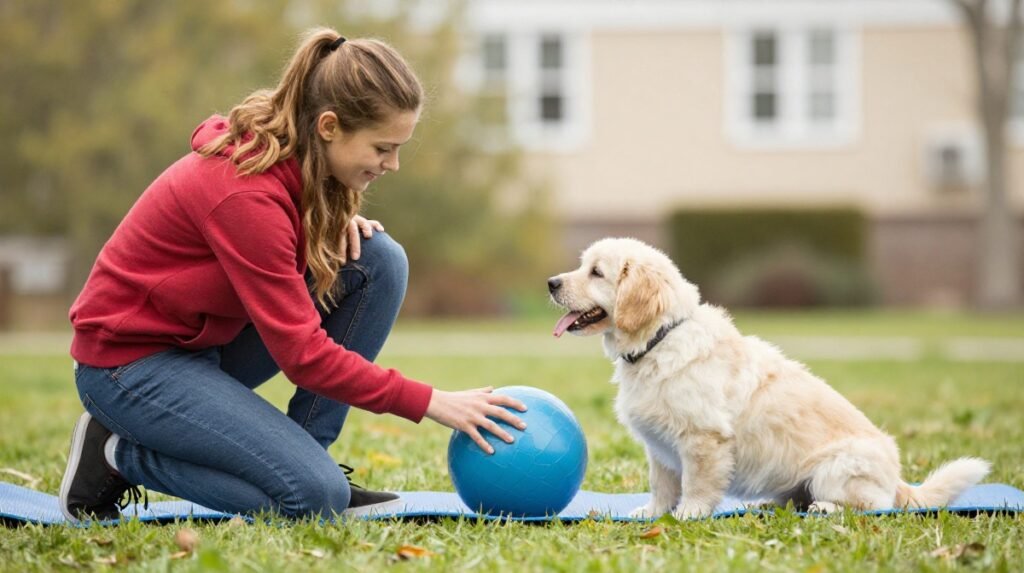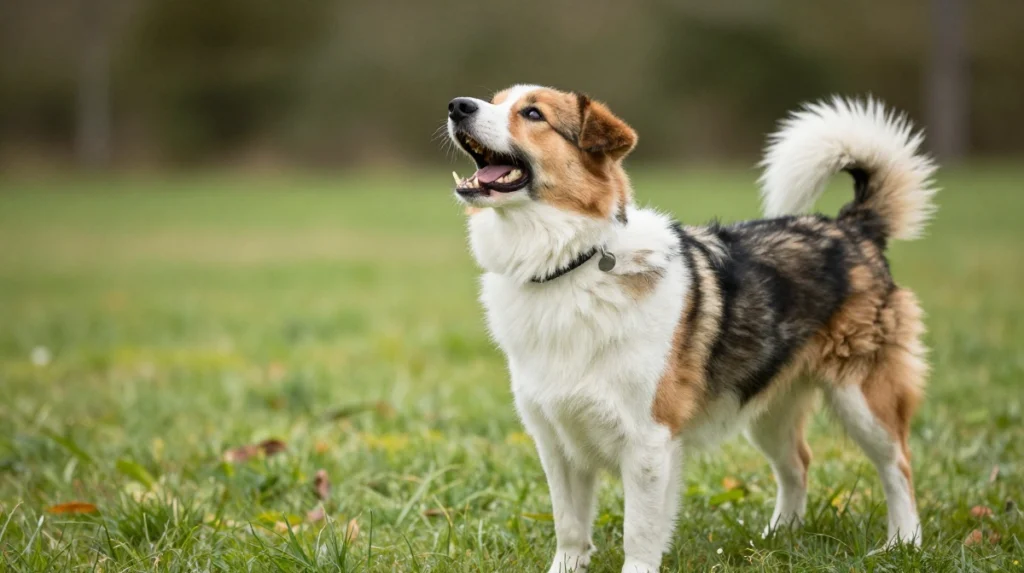
Let’s be honest with each other for a second. You didn’t get a Dachshund because you wanted an easy dog. You got one because those little sausage bodies, floppy ears, and ridiculous personalities are absolutely irresistible. But here’s the thing nobody warns you about when you’re falling in love with those puppy dog eyes: Dachshunds are stubborn little geniuses who will absolutely test your patience when it comes to house-training.
I learned this the hard way with my own Dachshund, Oscar. That little monster looked me dead in the eyes while peeing on my brand new rug. Like, maintained eye contact. I’m pretty sure he was smirking. 😅
But here’s the good news: house-training a Dachshund isn’t impossible. It’s actually a lot like cooking a complicated dish—you need the right ingredients, a solid recipe, and a whole lot of patience. These six steps are your foolproof guide to turning your stubborn sausage into a house-training champion.
Ready to stop scrubbing carpets and start enjoying your life again? Let’s get cooking!
1. The Starter Appetizer: Crate Training Done Right
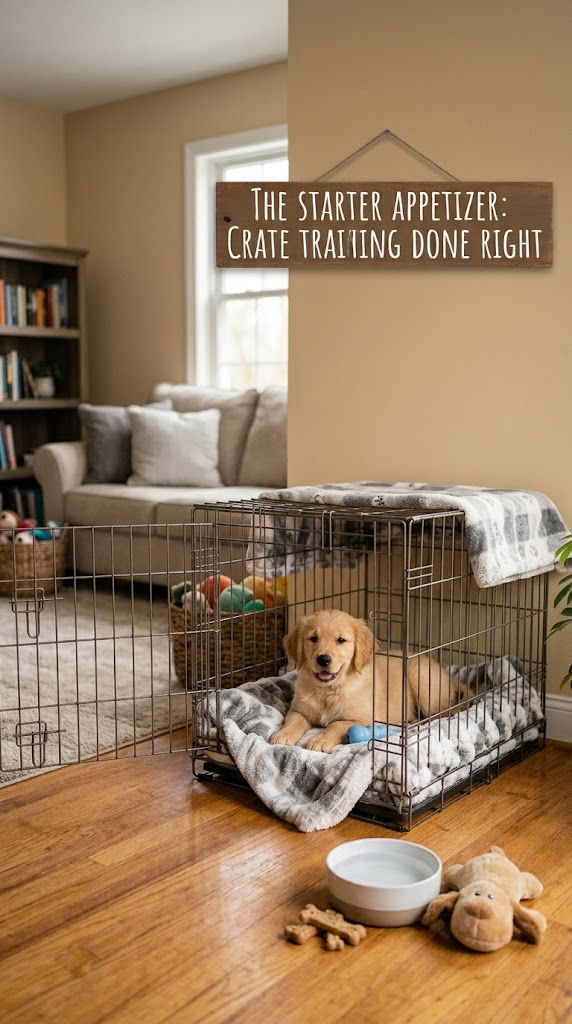
Why It’s Awesome: A crate isn’t a punishment—it’s your dog’s personal den. Think of it like their own little studio apartment where they can relax and feel safe.
Ingredients:
- A properly sized crate (big enough to stand, turn around, and lie down—nothing bigger)
- Cozy bedding (washable, because accidents happen)
- High-value treats (the stinkier, the better)
- A crate cover or blanket
- Patience (seriously, you’ll need this)
Step-by-Step Instructions:
- Make the crate irresistible. Put treats inside, feed meals in there, and toss toys in throughout the day. You want your Dachshund to think, “Ohhh, this is the VIP lounge!”
- Start with short sessions. Close the door for 30 seconds while you’re right there. Then 1 minute. Then 5 minutes. Build up slowly.
- Never use the crate as punishment. I mean it. This is their safe space, not doggy jail. If they associate it with being in trouble, you’ve ruined the whole thing.
- Stick to a schedule. In the crate for 2-3 hours max during the day (puppies can handle about one hour per month of age). Out for potty breaks and playtime.
- Overnight strategy: Keep the crate in your bedroom so they can hear you breathing. It’s comforting for them. Plus, you’ll hear them whine when they need to go out.
Why You’ll Love It:
Crate training gives your Dachshund a sense of security AND helps them develop bladder control. Dogs naturally avoid soiling their sleeping area, so the crate becomes your secret weapon. I once thought crates were “mean” until Oscar taught me otherwise—he literally puts himself to bed in his crate now. It’s his favorite spot. Who knew?
2. The Timing Taco: Create a Foolproof Potty Schedule
Why It’s Awesome: Dachshunds thrive on routine. It’s like their internal clock runs on Swiss precision—unless you mess it up, then all bets are off.
Ingredients:
- A watch or phone alarm
- A designated potty spot outside
- A leash (even in a fenced yard)
- High-value treats (keep these by the door)
- A consistent feeding schedule
Step-by-Step Instructions:
- Establish a routine. Take your Dachshund out FIRST thing in the morning, after every meal, after playtime, before bed, and every 2-3 hours in between. Yes, it feels like you’re constantly going outside. Yes, it’s worth it.
- Use the same spot every time. Bring them to the exact same area of the yard. The scent will trigger their “time to potty” instinct. It’s like a bathroom sign for dogs.
- Set a timer for potty breaks. Take them out for 5 minutes. If they don’t go, bring them back inside and put them in the crate for 10-15 minutes. Then try again. This isn’t a suggestion—it’s the method that works.
- Celebrate like they won the lottery. When they pee or poop outside, throw a party. Treats, praise, happy dance—make it rain. They should think, “When I poop outside, my human loses their mind with joy!”
- Adjust the schedule as they grow. As your Dachshund gets older, you can slowly extend the time between breaks. But don’t rush it. A 4-month-old puppy needs to go out every 4 hours, period.
Why You’ll Love It:
A solid schedule removes all the guesswork. You know exactly when to take them out, and they know exactly what to expect. It’s like meal prep for potty training—a little planning goes a long way. I set alarms on my phone for Oscar’s potty breaks and honestly, it saved my sanity. Now he just stands by the door when he needs to go. Progress!
3. The Reward Sauce: Master the Art of Positive Reinforcement
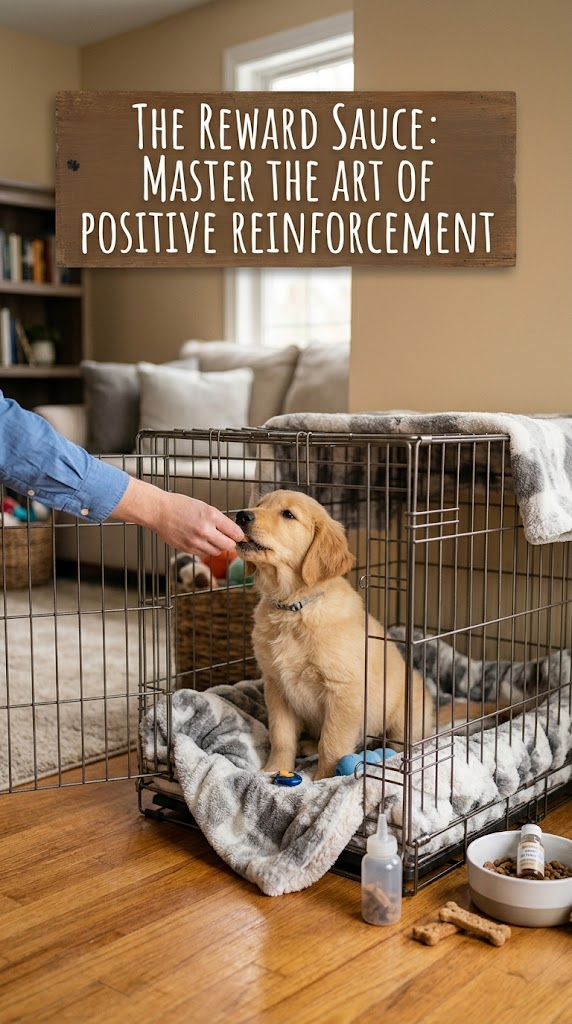
Why It’s Awesome: Dachshunds are food-motivated little creatures. Use that to your advantage and watch the magic happen.
Ingredients:
- High-value treats (we’re talking real chicken, cheese, or hot dogs—not those dry biscuits)
- A clicker or marker word (“Yes!” works great)
- Super fast reaction time
- An enthusiastic attitude (fake it till you make it)
- Treat pouch (so you’re never caught unprepared)
Step-by-Step Instructions:
- Choose your reward. Find what makes your Dachshund go bonkers. For Oscar, it’s tiny pieces of string cheese. For your dog, it might be freeze-dried liver or plain cooked chicken.
- Mark the behavior immediately. The second they finish peeing outside, say “Yes!” or click. You’ve got about 1-2 seconds to mark the behavior before they forget what they did.
- Deliver the treat right after the mark. Give them the reward within 3 seconds of marking. They need to connect the dots: “I peed outside → I heard ‘Yes!’ → I got cheese!”
- Don’t skip the celebration. Praise them enthusiastically while they’re peeing. “Good boy! Good potty!” They should feel like they just won the Super Bowl for doing their business.
- Use the same command every time. Pick a word like “Go potty!” and say it every single time they’re in the act. Eventually, they’ll associate the word with the action.
Why You’ll Love It:
Positive reinforcement makes house-training feel like a game rather than a chore. Your Dachshund will start offering the behavior because they WANT to. It’s like they’re ordering off the menu and “potty outside” is the appetizer that comes with a cheese reward. I used to think treats were bribes, but honestly? They’re just communication. And cheese communicates LOUDLY. 😉
4. The Cleanup Casserole: Proper Accident Management
Why It’s Awesome: Because accidents WILL happen. It’s not a matter of if, but when. This recipe helps you handle them without losing your mind.
Ingredients:
- An enzymatic cleaner (Nature’s Miracle is my go-to)
- Paper towels (lots of them)
- Rubber gloves (because, you know)
- A black light (for finding hidden spots)
- A calm demeanor (yelling doesn’t help, trust me)
Step-by-Step Instructions:
- Clean it up immediately. Blot the area with paper towels. Don’t rub—you’ll just spread the mess. Blot, blot, blot until you’ve absorbed as much as possible.
- Saturate with enzymatic cleaner. This isn’t regular cleaner—it breaks down the proteins in urine that dogs can still smell. Follow the directions on the bottle and saturate the area.
- Let it dry completely. Give it time to work. Don’t rush this step. The enzymes need to eat away at the odor molecules.
- Use a black light to find missed spots. Dachshunds have incredibly powerful noses. If they can still smell where they went before, they’ll go there again. Hunt those hidden spots down.
- Block access to problem areas. If your Dachshund keeps peeing in the same corner, block it off with furniture or a baby gate. Remove the temptation.
Why You’ll Love It:
Proper cleanup removes the scent markers that encourage repeat accidents. Your house won’t smell like a kennel, and your Dachshund won’t be tempted to revisit their favorite “bathroom” spots. I made the mistake of using regular cleaner once, and Oscar literally sniffed out the exact spot and went again. Never again. Enzymatic cleaner is the real MVP, IMO.
5. The “No-Fail” Frittata: Consistency Between Everyone in the House
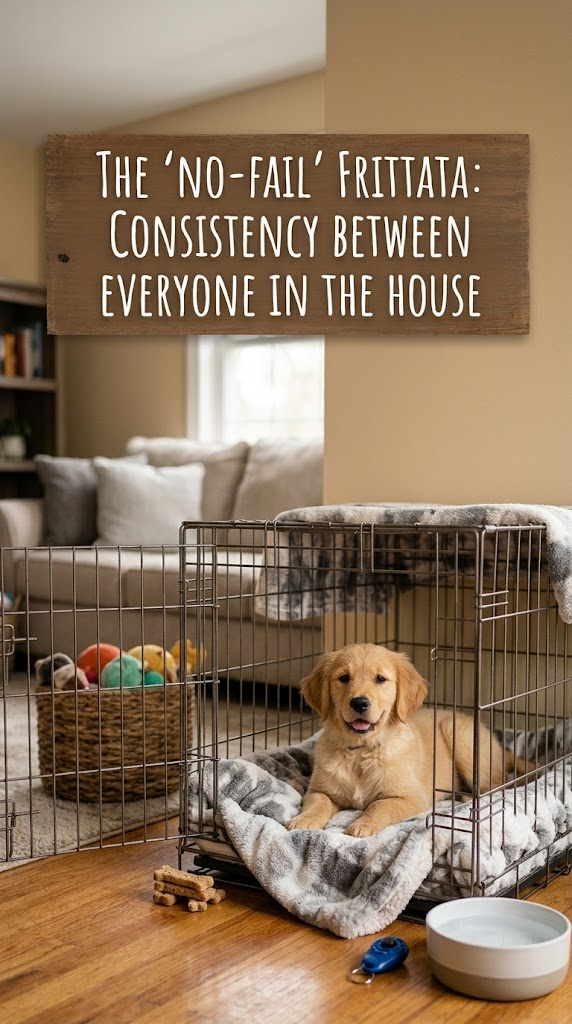
Why It’s Awesome: A house-training plan only works if everyone follows the same rules. This recipe keeps the whole household on the same page.
Ingredients:
- A family meeting (yes, a literal meeting)
- Written potty schedule (post it on the fridge)
- Agreed-upon commands
- The same treats for everyone
- A shared attitude of patience
Step-by-Step Instructions:
- Get everyone on board. Sit down with everyone in the household and agree on how you’re handling house-training. Same schedule. Same commands. Same rewards.
- Post the schedule somewhere visible. Put it on the fridge or a whiteboard. Everyone should know when potty breaks happen and who’s responsible for taking the dog out.
- Agree on the same word. If you say “Go potty!” and your partner says “Do your business!” and your kid says “Tinkle time!”—your Dachshund is going to be confused. Pick one phrase. Stick with it.
- Handle accidents the same way. If one person yells and the other stays calm, you’re sending mixed messages. Decide together on how to handle mistakes (hint: no punishment, just clean up and move on).
- Check in regularly. Touch base weekly on progress. What’s working? What’s not? Adjust the plan as needed. It’s like a potty-training support group, but with less coffee.
Why You’ll Love It:
Consistency is the secret sauce of house-training. When everyone follows the same playbook, your Dachshund learns faster and feels less confused. It’s like having a sous chef who knows every step of the recipe—the dish turns out perfect every time. I had to sit my husband down and explain that “we don’t yell at Oscar for accidents” and honestly? It took some work, but we’re a solid team now.
6. The Patience Parfait: Handling Regression Like a Pro
Why It’s Awesome: Just when you think you’ve got it all figured out, your Dachshund will have an “accident week” and make you question everything. This recipe helps you survive the setbacks.
Ingredients:
- Deep breaths (lots of them)
- A return to basics
- Extra outdoor trips
- High-value treats (pull out the big guns)
- A sense of humor (your sanity depends on it)
Step-by-Step Instructions:
- Identify the trigger. Is your Dachshund getting older? Did you change their food? Is there a new pet in the house? A new baby? A different schedule? Something’s off. Figure out what changed.
- Return to puppy training 101. Crate them more often. Take them outside every 90 minutes. Reward like crazy when they go outside. Pretend you’re starting from scratch.
- Rule out medical issues. If they’re having accidents out of nowhere, see your vet. UTIs, bladder infections, and other health issues can cause regression. Better safe than sorry.
- Don’t punish. I know it’s frustrating. I’ve been there. But punishing your Dachshund for an accident is like getting mad at a toddler for peeing their pants—it’s not helpful and it damages trust.
- Be patient with the process. Regression is normal. It happens. You will get through this. Deep breaths. More treats. More outside time. You’ve got this.
Why You’ll Love It:
Handling regression calmly prevents it from becoming a long-term problem. Your Dachshund will bounce back faster when you stay consistent and positive. I once had a week where Oscar had accidents every day. I was ready to lose my mind. Turns out, he was stressed because we’d been traveling. Once we got back to our routine, he was fine. Dogs are sensitive creatures. Give them grace.
BONUS: The Potty Training Smoothie (Emergency Reset)
Why It’s Awesome: Sometimes you need a quick reset when things go totally sideways. This is your emergency smoothie.
Ingredients:
- A confirmed clean bill of health from your vet
- A weekend with no plans
- Lots of treats
- A crate
- Your fully committed attention
Step-by-Step Instructions:
- Clear your schedule. You’re going to spend a weekend doing nothing but watching your Dachshund like a hawk. No errands. No social plans. Just potty training.
- Set a timer for every 30 minutes. Take them outside on the dot. If they go, party. If they don’t, crate them for 10 minutes and try again.
- Feed meals in the crate. This reinforces the idea that the crate is their “home” and they should keep it clean.
- Restrict access to the house. Baby gates are your friend. Keep them in the same room as you. No sneaking off to have a secret potty party in the guest bedroom.
- Celebrate every victory. And I mean EVERY victory. They look at the door? Treat. They sit by the door? Treat. They pee outside? Treat party. Make it rain cheese.
Why You’ll Love It:
A potty training reset can get your Dachshund back on track FAST. It’s like hitting the reset button on a glitchy computer—sometimes you just need to start fresh. I had to do this with Oscar after a stressful trip, and it worked like magic. By Sunday night, he was back to being a potty rockstar.
Related Articles:
- 6 Socialization Tips for Raising a Well-Behaved French Bulldog
- 6 Siberian Husky Behavior Problems
- 6 Border Collie Exercise Tips That’ll Tire Out Your Energizer Pup
A Word About Dachshund Stubbornness (Because We Need to Talk About It)
Okay, let’s have a real conversation here. Dachshunds are notoriously stubborn. They were bred to hunt badgers—animals that literally go into holes and fight. You think a badger is going to listen to commands? Nope. Your Dachshund has that same independent streak.
This means:
- They might look you in the eye while having an accident (mine did, I’m still bitter)
- They might conveniently “forget” their training when it’s raining
- They might test your patience on purpose (I’m convinced of this)
But here’s the thing—their stubbornness also makes them incredibly intelligent. They’re not being difficult; they’re being strategic. If you can outsmart a Dachshund, you can potty train one.
FAQ’s
House-training a Dachshund is not for the faint of heart. It takes patience, consistency, and a willingness to stand in the rain while your dog stares at you like you’re insane. But I promise you this—when they finally “get it,” the sense of accomplishment is unmatched.
That moment when your Dachshund walks to the door and gives you that look? The one that says, “Hey, I need to go out”? It’s magical. You’ll feel like you’ve just baked the perfect soufflé. All that work, all that frustration—worth it.
Remember:
- Accidents are normal. They’re not failures; they’re learning opportunities.
- Your Dachshund wants to please you. They just need to understand what you want.
- Consistency is everything. If you’re inconsistent, they’ll be confused.
- Don’t forget to laugh. Dachshunds are hilarious little creatures. Even when they’re driving you crazy, they’re still adorable.
You’ve got this. I believe in you. And more importantly, your Dachshund believes in you. Now go grab those treats, set those timers, and get to work. A well-trained Dachshund is worth all the effort.
And hey, if you’re having a rough day with your little sausage dog, just remember—they’re going to be your best friend for the next 12-15 years. A few months of house-training struggles is a small price to pay for that kind of loyalty. 🐾
P.S. If your Dachshund suddenly becomes an “accident machine,” check for health issues. UTIs are common in small breeds and can throw off their training fast. I learned this the hard way—Oscar had a UTI and I thought he was just being defiant. Vet visit, antibiotics, and he was back on track.
P.P.S. A note on pee pads: some people use them, and that’s fine. But know that they can confuse your dog. One minute you’re saying “peeing on this pad is okay,” and the next you’re saying “peeing inside isn’t okay.” I personally skip them and go straight to outdoor training. But you do you!
P.P.P.S. Invest in a good carpet cleaner. Just trust me on this one.