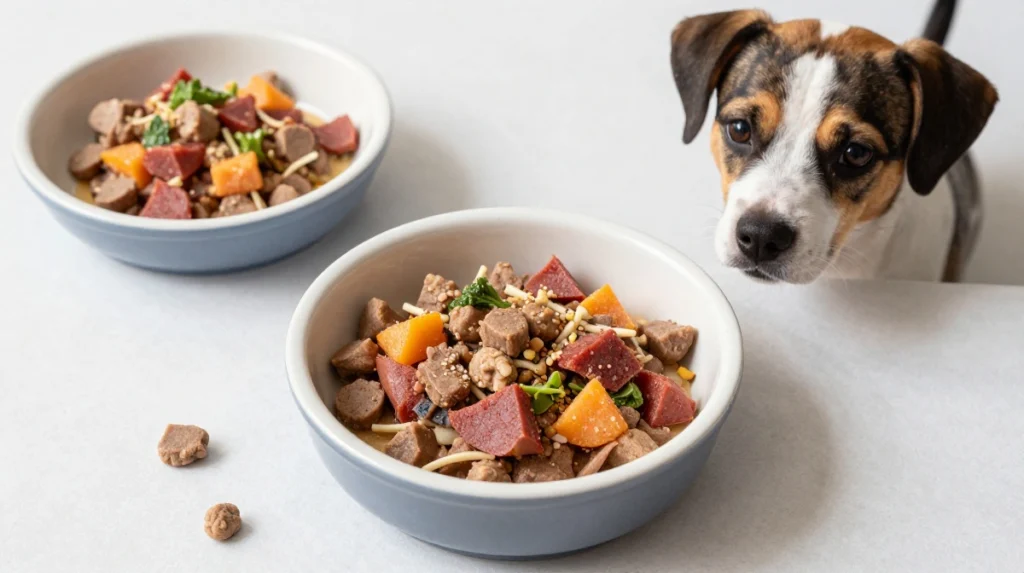
A kidney diagnosis changes everything about mealtime. Suddenly you’re counting phosphorus, watching protein quality, and adding water to every bowl. Commercial renal diets help a lot of dogs, but some pet parents want to cook at home for better moisture, freshness, or picky appetites.
These six recipes follow the basic principles veterinary nutritionists use for kidney support: lower phosphorus, high-quality moderate protein, high moisture, and no added salt. Egg whites, white rice, lean white meats, and certain veggies form the backbone.
Critical warning: These are illustrative examples only. Homemade renal diets can harm more than help if the numbers are wrong. Phosphorus, calcium, protein, and sodium must match your dog’s bloodwork and IRIS stage. Work with your veterinarian or a board-certified veterinary nutritionist (DACVN) before feeding any of these long-term. Add only the specific renal supplements they prescribe. Regular blood monitoring is non-negotiable.
I kept the recipes simple and practical. Dogs with reduced appetite often prefer the softer, wetter textures. Let’s get to the bowls that can actually support them.
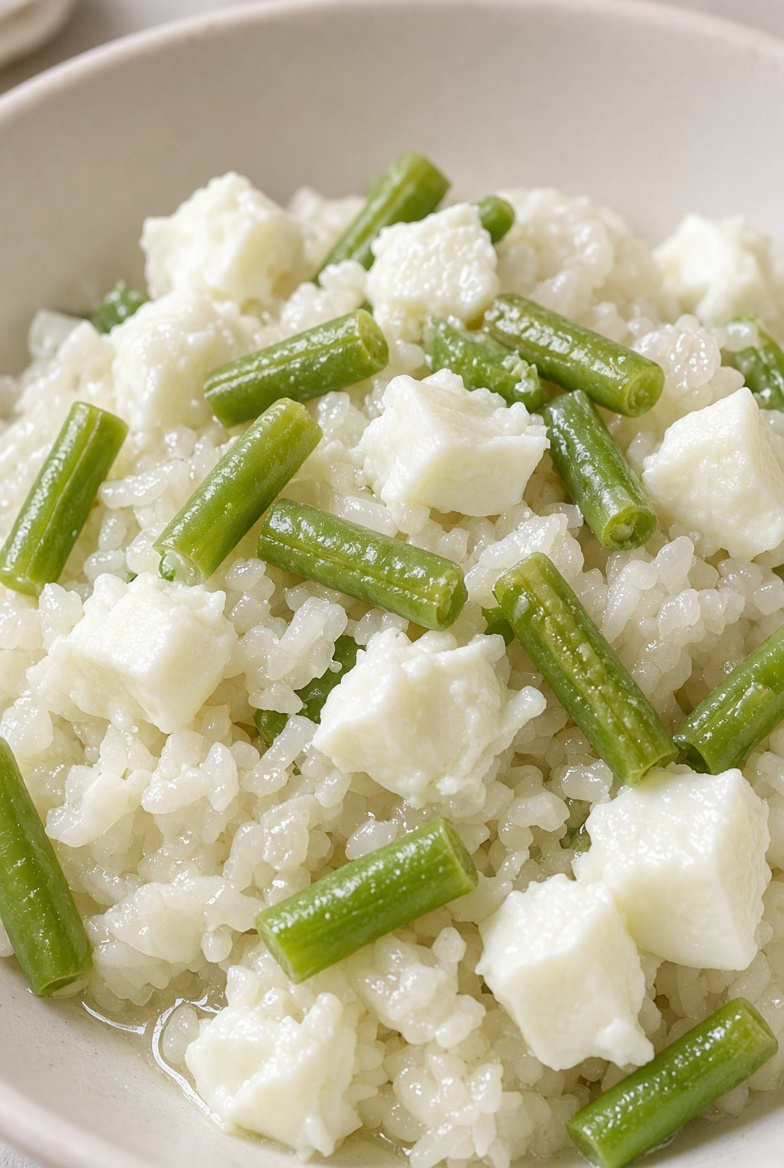
1. Classic Egg White & White Rice Bowl
This is the lowest-phosphorus starting point many vets reach for first. Egg whites deliver excellent protein with almost no phosphorus load.
Ingredients
- 6–8 large egg whites (discard yolks for advanced stages)
- 1–1½ cups cooked white rice
- ½ cup steamed green beans, finely chopped
- Extra water or low-sodium broth to create a moist consistency
- Fish oil (dose per vet)
- Vet-prescribed renal supplement only
Step-by-Step Instructions
- Cook the egg whites thoroughly (scramble or boil) with zero salt or oil.
- Prepare the white rice in plain water until soft.
- Steam the green beans until very tender.
- Combine egg whites, rice, and beans. Add extra liquid so the mixture stays moist.
- Cool completely, then stir in fish oil and the exact renal supplement your vet recommends.
- Serve at room temperature. Store leftovers in the fridge for 2–3 days max.
Why You’ll Love It
This one is gentle on nauseous dogs and incredibly low in phosphorus. The extra moisture helps with hydration, which kidneys desperately need. I like how quickly it comes together when appetite is low. Keep it plain—no extras.
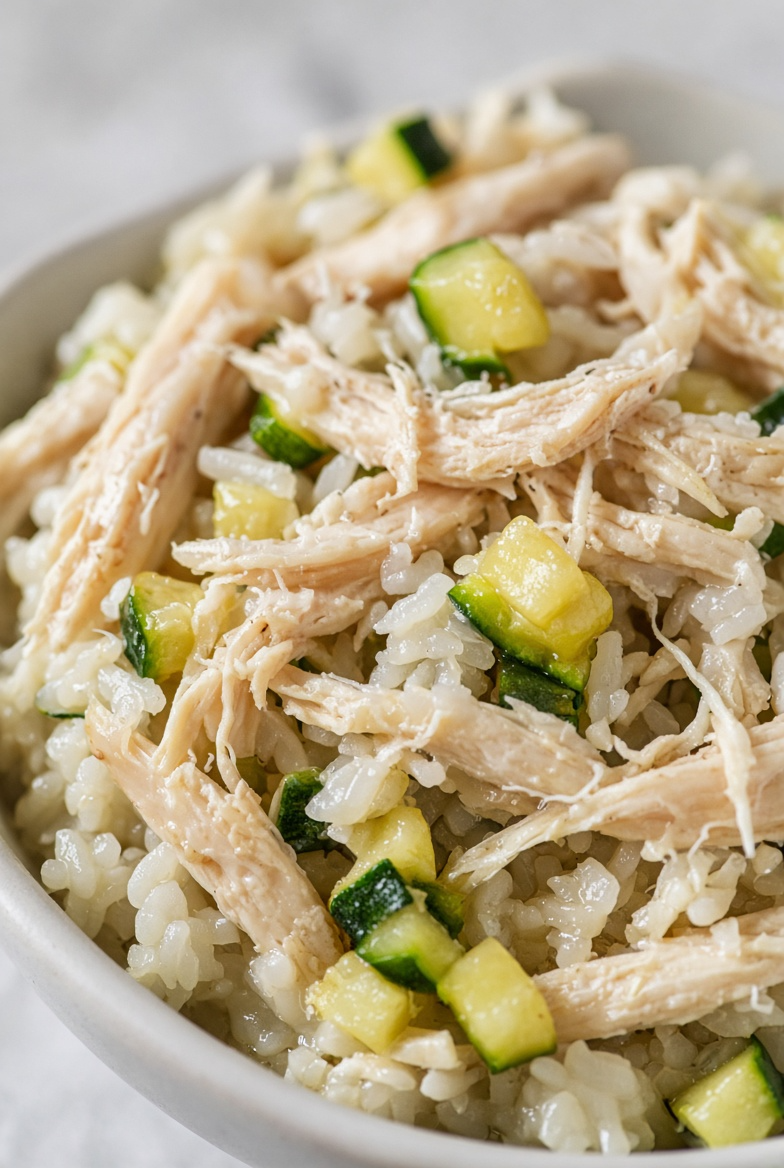
2. Lean Chicken Breast & White Rice with Zucchini
Skinless chicken breast offers controlled high-quality protein. White rice and zucchini keep phosphorus in check while adding volume.
Ingredients
- ¾–1 lb boneless, skinless chicken breast, cooked
- 1½ cups cooked white rice
- ¾ cup steamed zucchini, finely diced
- Extra water to moisten
- Fish oil per vet guidance
- Renal-specific supplement only
Step-by-Step Instructions
- Poach or bake the chicken breast in plain water until fully cooked. Shred finely.
- Cook the white rice until soft.
- Steam the zucchini until very soft.
- Mix chicken, rice, and zucchini. Add liquid for a porridge-like texture.
- Cool fully before adding fish oil and prescribed supplement.
- Portion carefully according to your vet’s calorie and nutrient targets.
Why You’ll Love It
Chicken is familiar and usually well accepted even when dogs feel off. The high moisture and soft texture make it easy to eat. This version works well for early-to-moderate stages when a bit more protein is still appropriate—always confirm amounts with bloodwork.
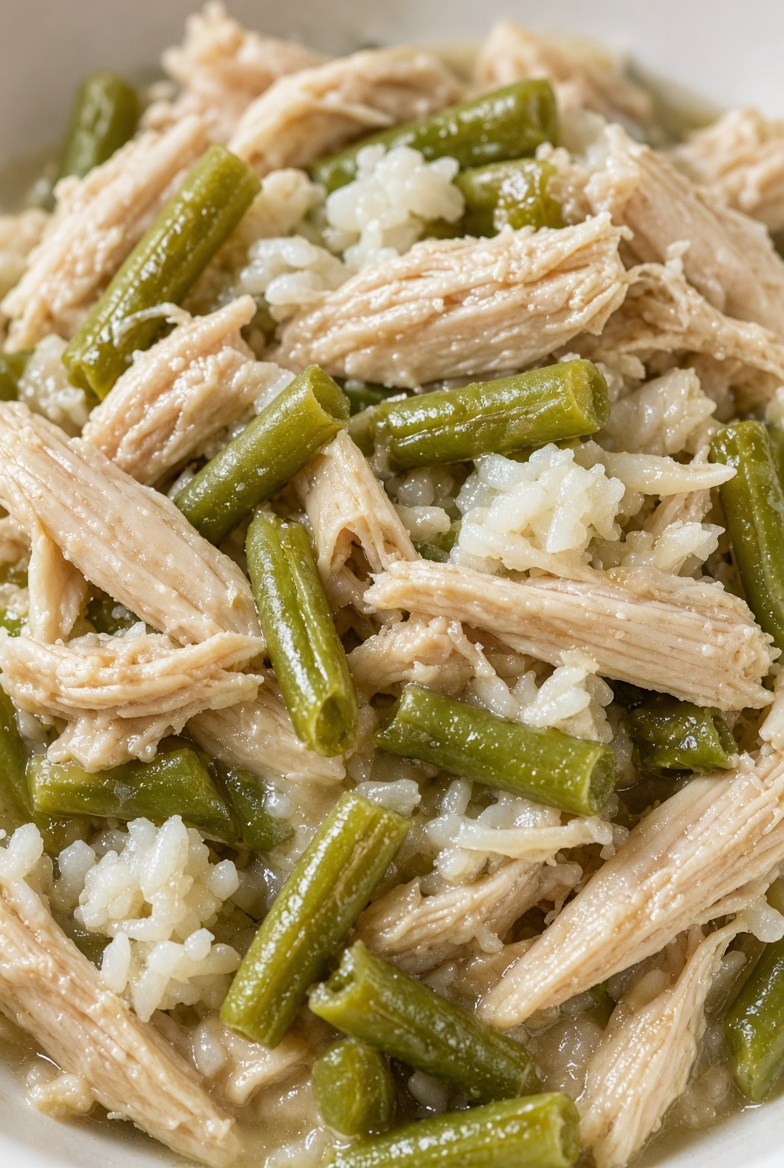
3. White Fish & Rice High-Moisture Porridge
White fish (cod, tilapia, or similar) provides lean protein and some omega-3s. The porridge style maximizes hydration.
Ingredients
- ¾–1 lb boneless, skinless white fish, cooked and flaked
- 1½ cups cooked white rice
- ½–¾ cup steamed zucchini or cauliflower
- Generous extra water or approved low-sodium liquid
- Fish oil
- Vet-prescribed renal supplement
Step-by-Step Instructions
- Poach the fish in plain water until just cooked. Flake carefully and remove every bone.
- Cook the white rice until very soft.
- Steam the vegetables until soft enough to mash slightly.
- Combine everything and add enough liquid to create a loose, moist porridge.
- Cool, then mix in fish oil and the exact supplement.
- Serve fresh. Discard uneaten portions after 30–60 minutes if room temperature.
Why You’ll Love It
The soft, wet consistency helps dogs who drink less on their own. Fish often tempts picky renal patients. Just source boneless fillets and double-check for bones every single time.
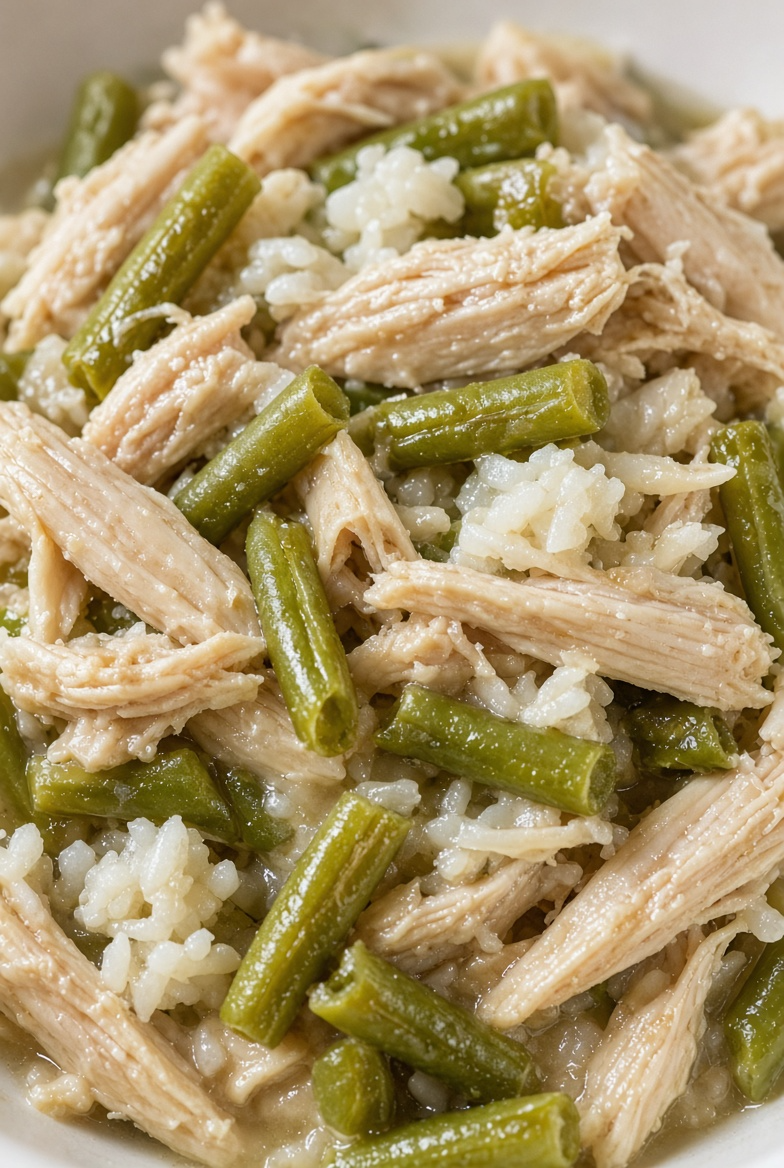
4. Turkey Breast & Green Bean Light Mix
Lean turkey breast keeps protein quality high while staying relatively moderate in phosphorus. Green beans add fiber and bulk without the mineral load.
Ingredients
- ¾ lb boneless, skinless turkey breast, cooked
- 1–1½ cups cooked white rice
- 1 cup steamed green beans, chopped
- Extra moisture as needed
- Fish oil
- Renal supplement only
Step-by-Step Instructions
- Cook the turkey breast thoroughly in plain water. Shred or chop finely.
- Prepare soft white rice.
- Steam the green beans until tender.
- Mix all ingredients and add liquid for moisture.
- Cool completely before adding oil and supplement.
- Follow your vet’s exact portion sizes.
Why You’ll Love It
Turkey is mild and usually accepted when chicken has become boring. The green beans give a bit of texture without raising phosphorus much. This one freezes reasonably well for batch cooking under guidance.
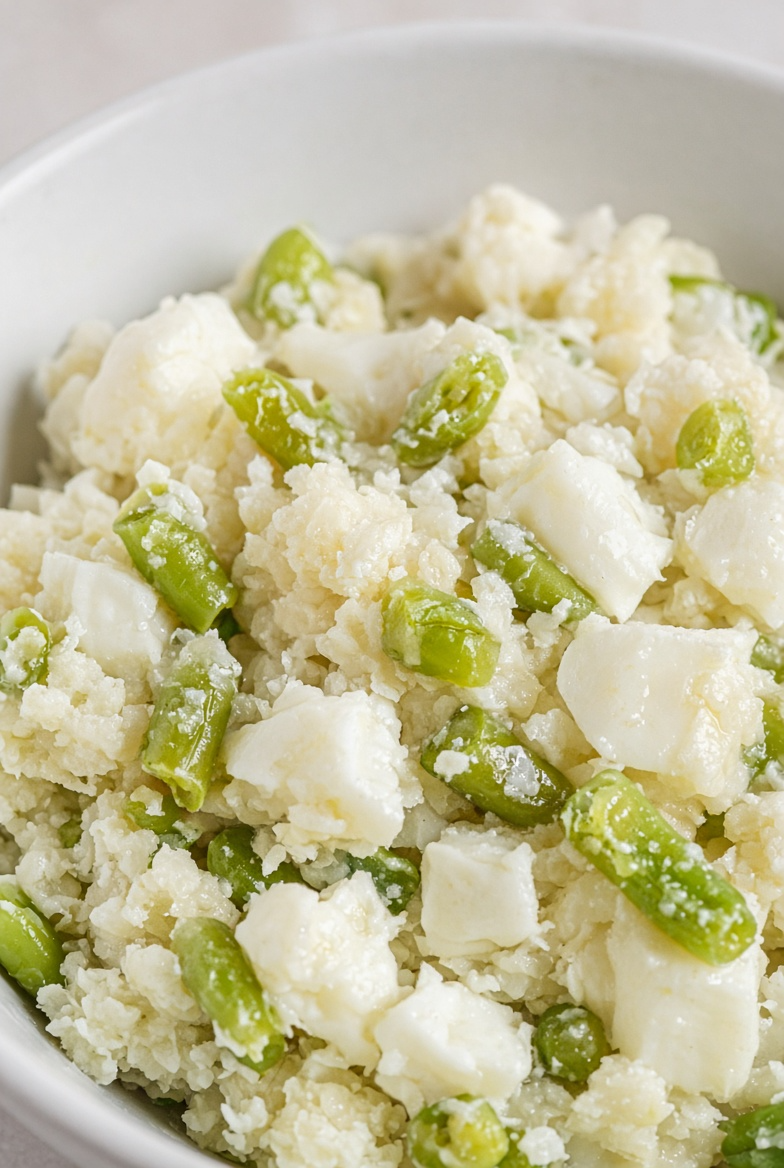
5. Egg White & Cauliflower Low-Phosphorus Mash
For dogs needing the absolute lowest phosphorus load, this combination stays very gentle. Caul flower is low in the minerals that stress kidneys.
Ingredients
- 8–10 large egg whites
- 1½ cups steamed and mashed cauliflower
- ½ cup cooked white rice (optional for energy)
- Extra water
- Fish oil
- Prescribed renal supplement
Step-by-Step Instructions
- Cook the egg whites completely.
- Steam cauliflower until very soft and mash it.
- Cook rice if using.
- Combine everything and add liquid to keep it moist and easy to eat.
- Cool, then add fish oil and supplement.
- Serve small, frequent meals if appetite is poor.
Why You’ll Love It
This is one of the gentlest options for more advanced stages. The mash texture goes down easily. Pair it with your vet’s specific calcium and vitamin plan—egg whites alone are not complete.
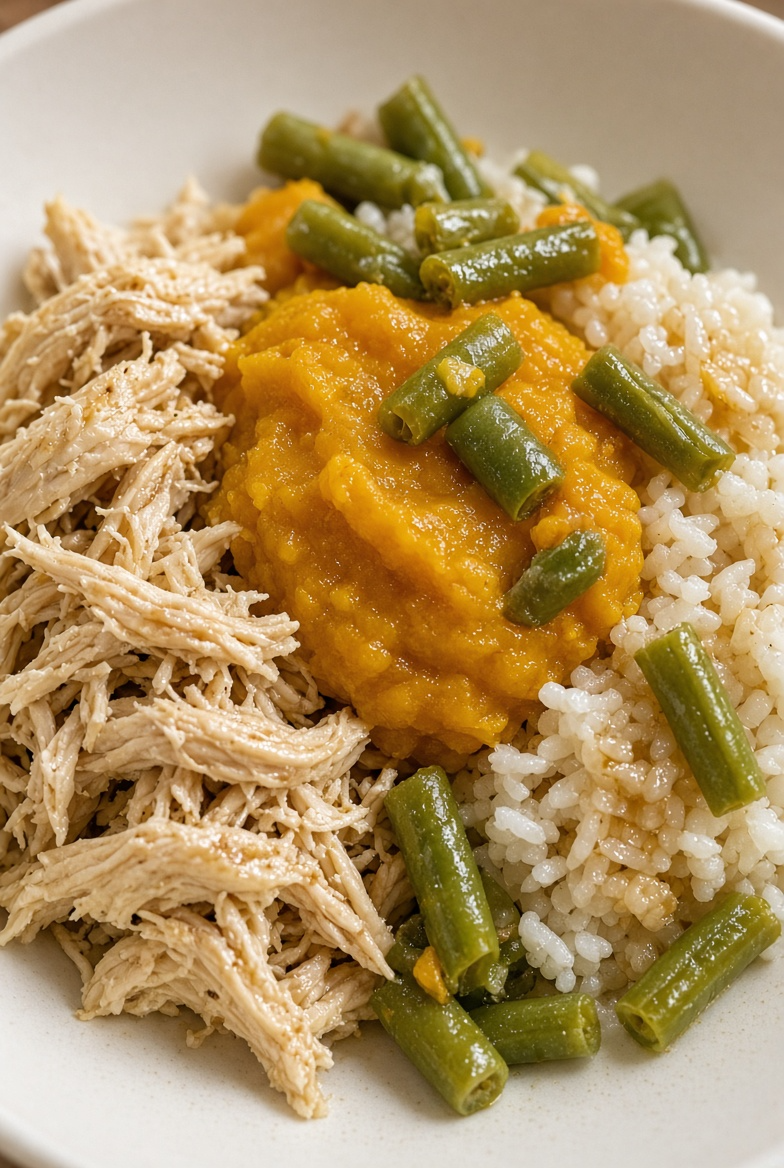
6. Controlled Chicken & Pumpkin Moist Bowl
Pumpkin adds soluble fiber and moisture while staying low in phosphorus. Use only the amounts your vet approves.
Ingredients
- ¾ lb boneless, skinless chicken breast, cooked
- ¾–1 cup pure pumpkin puree (no additives)
- 1 cup cooked white rice
- ½ cup steamed green beans
- Extra liquid
- Fish oil + renal supplement only
Step-by-Step Instructions
- Cook and shred the chicken.
- Warm the pumpkin if needed.
- Prepare soft rice and steamed beans.
- Mix all ingredients and add moisture.
- Cool fully before adding the oil and prescribed supplement.
- Portion exactly as directed by your veterinary team.
Related Articles:
- Homemade Dog Food Recipes for Dogs with Allergies
- Vet-Approved Dog Food Recipes for Every Health Need
- Dry Dog Food Recipes: How to Make Your Own Kibble
Why You’ll Love It
Pumpkin helps with stool quality, which can fluctuate with kidney disease and medications. The combination stays mild and hydrating. Many dogs find the slight sweetness appealing when nausea is an issue.
These recipes give you practical, low-phosphorus starting points that prioritize moisture and gentle ingredients. The real work happens with your veterinarian: bloodwork, precise nutrient targets, the right renal supplement, and ongoing adjustments as the disease progresses.
Homemade renal food can improve quality of life when it’s done correctly. It can also cause harm when the balance is off. Stay in close contact with your vet, measure carefully, and watch how your dog responds. Small, consistent, properly formulated meals often make the biggest difference. You’ve got this—one carefully prepared bowl at a time.