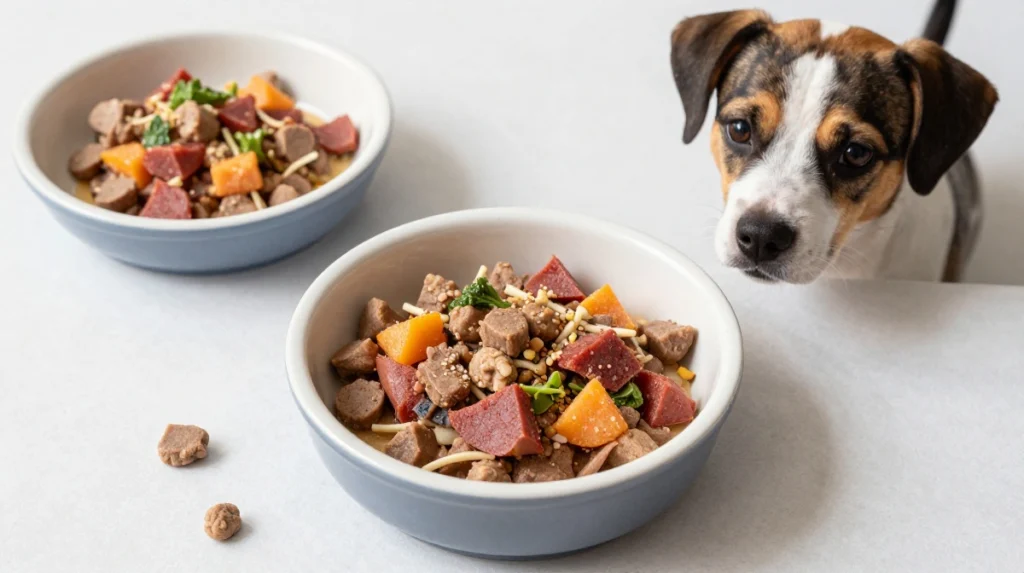
Let me paint you a picture that might feel painfully familiar.
You fill your dog’s bowl with food. You set it down. You blink.
And somehow, magically, the bowl is empty.
Your dog is looking at you with those big, pathetic eyes like “Got more?” Meanwhile, you’re standing there wondering if you actually fed them or if they just inhaled their entire meal in 4.2 seconds.
Sound familiar?
I’ve been there more times than I’d like to admit with my Labrador retriever, Milo. This dude doesn’t eat his food—he attacks it. Mealtime in our house used to resemble a vacuum cleaner with legs. Fifteen seconds from bowl to empty, and then he’d spend the next hour looking uncomfortable because he ate way too fast.
And let’s be honest—that’s not just annoying. It’s genuinely dangerous.
Dogs who eat too fast are at risk for:
- Bloat (gastric dilatation-volvulus)—a life-threatening emergency
- Choking
- Vomiting and regurgitation
- Indigestion and gas (and nobody wants that!)
- Not feeling satisfied after meals
That’s when I discovered slow feeder bowls.
Game. Changer.
These brilliant bowls have ridges, mazes, and obstacles that force your dog to slow down and actually work for their food. It’s like a puzzle and a meal all in one. And the best part? Your dog gets mental stimulation while they eat—which means they’re more tired and satisfied after mealtime.
But here’s the thing—slow feeder bowls work even better with the right recipes. Adding ingredients that stick to the bowl, create layers, and require some effort to get out takes this from “helpful” to “absolutely genius.”
I’ve been experimenting with slow feeder recipes for about three years now, and let me tell you—I’ve had some epic wins and a few spectacular fails. (We don’t talk about the time I tried to use plain oatmeal that turned into cement. Milo looked at me like I’d personally offended his ancestors.)
But when you nail a recipe? Pure magic. Your dog takes 15-20 minutes to finish their meal instead of 15 seconds. They’re more satisfied. Less gassy. And you get to enjoy your own dinner without being stared at by a hungry, unblinking dog.
So grab your slow feeder bowls, put on some music, and let’s get cooking! Your dog’s digestion (and your sanity) are about to be very, very grateful. 😉
1. Kibble Layer Cake
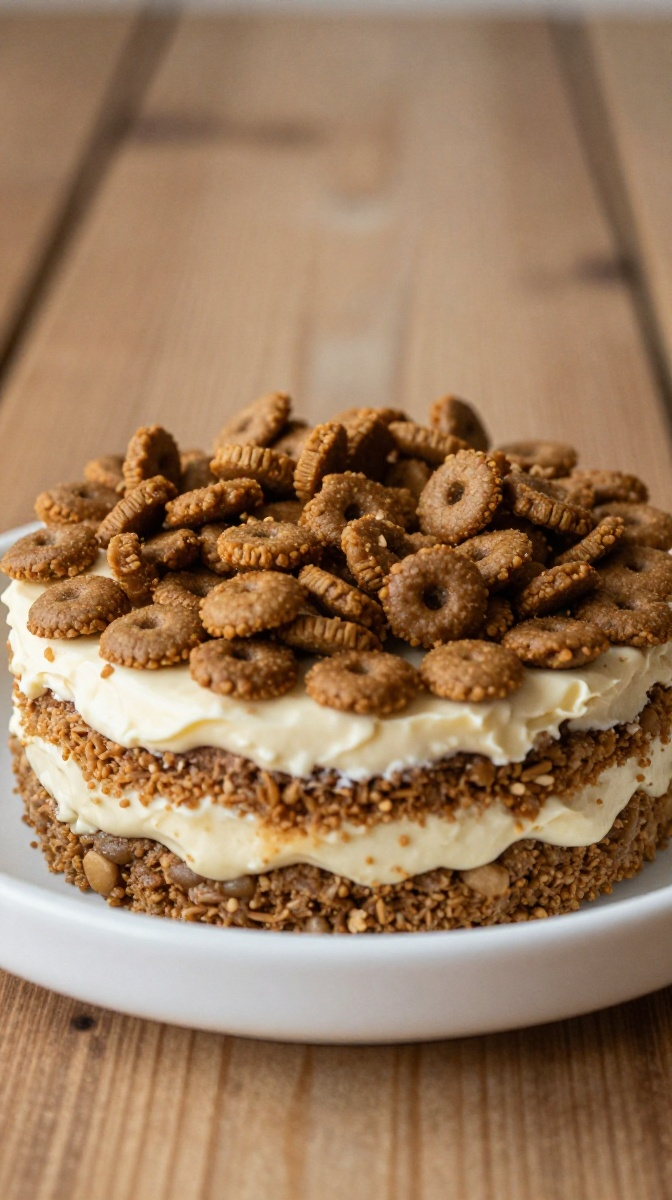
This recipe turns regular kibble into an interactive puzzle that your dog will absolutely love. It’s like a lasagna for dogs—layers of goodness that force your pup to work through each level. Simple, affordable, and takes about two minutes to prepare!
Ingredients
- 1 cup your dog’s regular kibble
- 1/4 cup wet dog food or plain canned pumpkin
- 1/4 cup plain Greek yogurt
- 2 tablespoons water or low-sodium broth
Step-by-Step Instructions
- Mix the wet food with water or broth to create a spreadable consistency.
- Add a layer of kibble to the bottom of your slow feeder bowl.
- Spread a thin layer of the wet food mixture over the kibble.
- Add another layer of kibble on top.
- Repeat until you’ve used all your ingredients.
- Top with a drizzle of yogurt for added flavor and sticking power.
- Serve immediately or freeze for 10 minutes to set.
Why You’ll Love It
This recipe is a slow feeder game-changer. The layers force your dog to work through each level, and the sticky wet food keeps the kibble in place so they can’t just wolf it all down at once. Plus, the added moisture helps with hydration!
Milo went from finishing his meal in 12 seconds to taking a solid 15 minutes with this recipe. I nearly cried tears of joy the first time I watched him actually CHEW his food. Now this is our go-to for everyday meals.
Pro tip: Use different kibble shapes for extra engagement—mix round pieces with triangular ones for varied textures!
2. Frozen Yogurt Kibble Maze
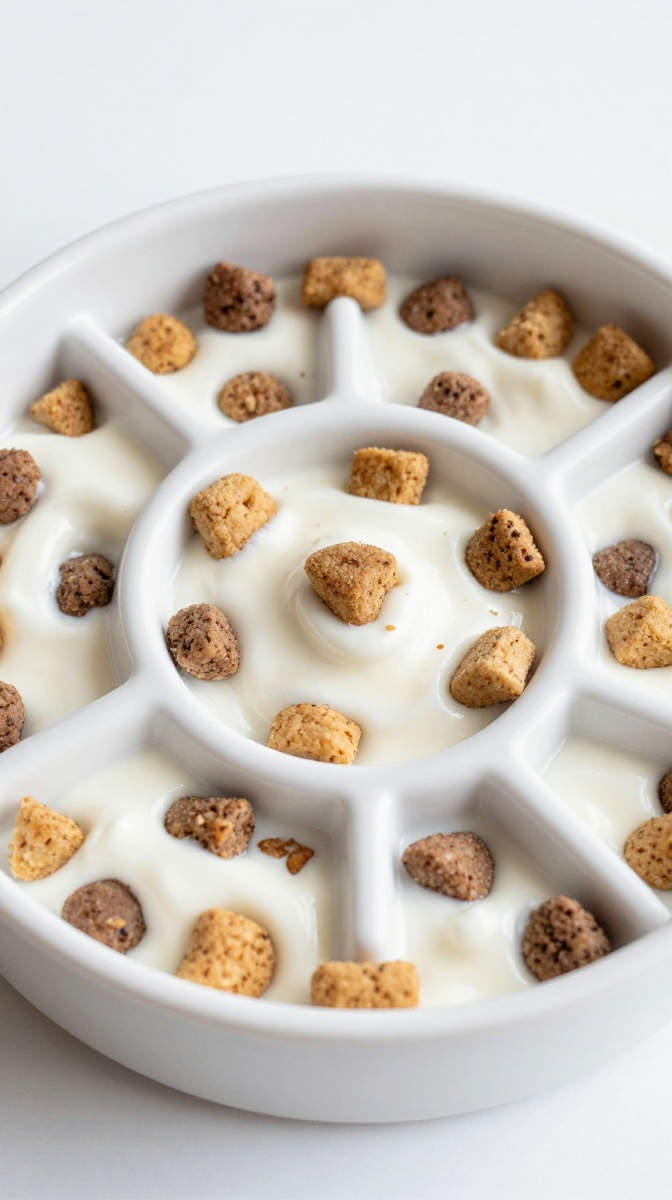
This recipe combines the cooling power of frozen yogurt with the mental challenge of a slow feeder. It’s like a puzzle and an ice cream treat all in one! Perfect for hot summer days when your dog needs a little extra cooling down.
Ingredients
- 1 cup plain Greek yogurt
- 1/2 cup your dog’s regular kibble
- 1/4 cup water or low-sodium broth
- 1 tablespoon peanut butter (xylitol-free!)
Step-by-Step Instructions
- Mix the yogurt with water or broth until smooth and pourable.
- Add the kibble and peanut butter, stirring to combine.
- Pour the mixture into your slow feeder bowl, making sure it fills all the nooks and crannies.
- Tap the bowl gently on the counter to remove air bubbles.
- Freeze for 2-3 hours until completely solid.
- Serve to your dog and watch them work through the frozen puzzle!
Why You’ll Love It
This recipe is the ultimate summer slow feeder solution. The frozen yogurt takes ages for your dog to work through, keeping them cool and entertained. The kibble hidden inside provides a fun treasure hunt experience that engages their natural foraging instincts.
I made this on a particularly brutal 95-degree day, and Milo spent a solid 30 minutes working through it. He was cool, happy, and exhausted by the end. Best of all? He didn’t look at me with those “I’m still hungry” eyes afterward!
IMO, this is perfect for dogs who need a little extra cooling down after a long walk or play session. Just make sure you serve it outside—the melted yogurt can get messy!
3. Pumpkin and Oatmeal Comfort Bowl
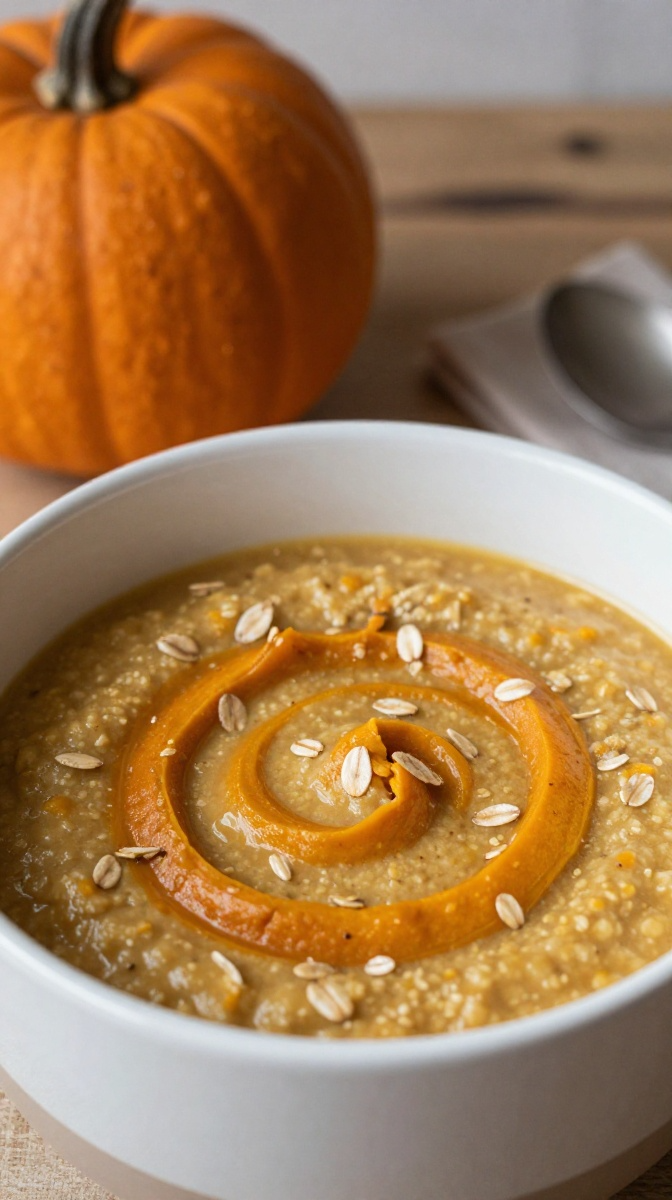
This recipe brings all the cozy vibes of a warm breakfast into a slow feeder meal. Pumpkin and oatmeal together create a filling, comforting meal that’s gentle on digestion and takes ages to eat. Perfect for days when your dog needs a little extra TLC.
Ingredients
- 1/2 cup cooked oatmeal (plain, unsweetened)
- 1/4 cup canned pumpkin puree (NOT pie filling!)
- 1/4 cup your dog’s regular kibble
- 1/4 cup water or low-sodium broth
Step-by-Step Instructions
- Cook the oatmeal according to package directions—but don’t add any sugar or sweeteners!
- Mix the pumpkin into the warm oatmeal until well combined.
- Add the broth or water to thin the mixture slightly so it spreads easily.
- Pour half the mixture into your slow feeder bowl.
- Sprinkle a layer of kibble on top.
- Add the remaining oatmeal mixture over the kibble.
- Serve warm (not hot!) or refrigerate for 10 minutes to set.
Why You’ll Love It
This recipe is incredibly gentle on your dog’s stomach. The oatmeal provides soluble fiber, the pumpkin supports digestive health, and the combination takes ages to work through in a slow feeder bowl. It’s like a warm hug in a bowl!
Milo gets this when he’s feeling a little off or when the weather is particularly dreary. He takes his time with it, savoring every bite. I swear it calms him down more than any other recipe.
Pro tip: You can make a big batch of this and keep it in the fridge for up to five days. Just reheat slightly before serving (make sure it’s not hot!).
4. Chicken and Vegetable Stir-In
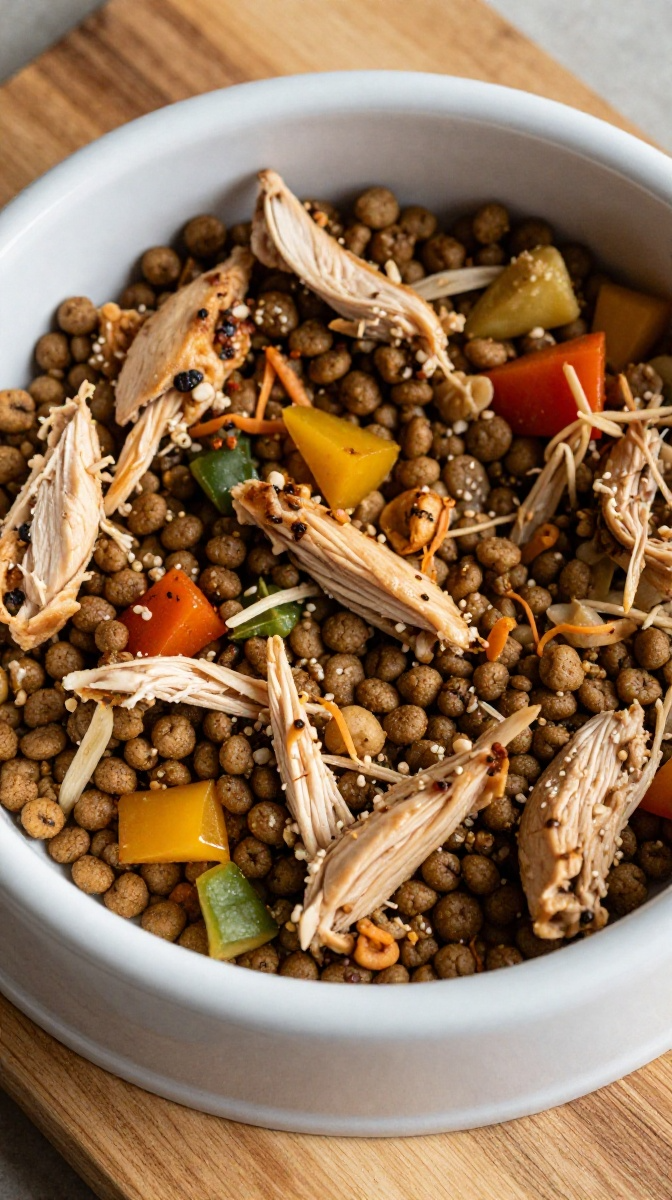
This recipe transforms plain kibble into a gourmet meal that your dog will absolutely love. The shredded chicken and vegetables create interesting textures that force your dog to slow down and actually chew their food. Plus, it’s packed with protein!
Ingredients
- 1 cup your dog’s regular kibble
- 1/4 cup cooked chicken breast (shredded)
- 1/4 cup cooked vegetables (carrots, green beans, or peas)
- 1/4 cup low-sodium chicken broth
- 1 tablespoon plain Greek yogurt
Step-by-Step Instructions
- Shred the cooked chicken into small, bite-sized pieces.
- Chop the vegetables into small pieces (or leave them whole for extra challenge!).
- Mix the kibble, chicken, and vegetables in a bowl.
- Pour the mixture into your slow feeder bowl.
- Drizzle the broth over everything to soften the kibble slightly.
- Top with a dollop of yogurt for extra stickiness.
- Serve immediately and watch your dog work through the delicious puzzle!
Why You’ll Love It
This recipe is a complete meal that’s packed with nutrients. The chicken provides lean protein, the vegetables add fiber and vitamins, and the broth makes everything more interesting. The varied textures force your dog to slow down and actually taste their food!
I was skeptical about adding vegetables at first—Milo has never been a veggie fan. But once I mixed them with the chicken and broth, he couldn’t pick them out. Now he eats vegetables willingly! It’s a miracle, honestly.
FYI: You can use leftover roasted chicken or even turkey for this recipe. Just make sure there’s no seasoning or onion/garlic involved!
5. Peanut Butter and Banana Smear
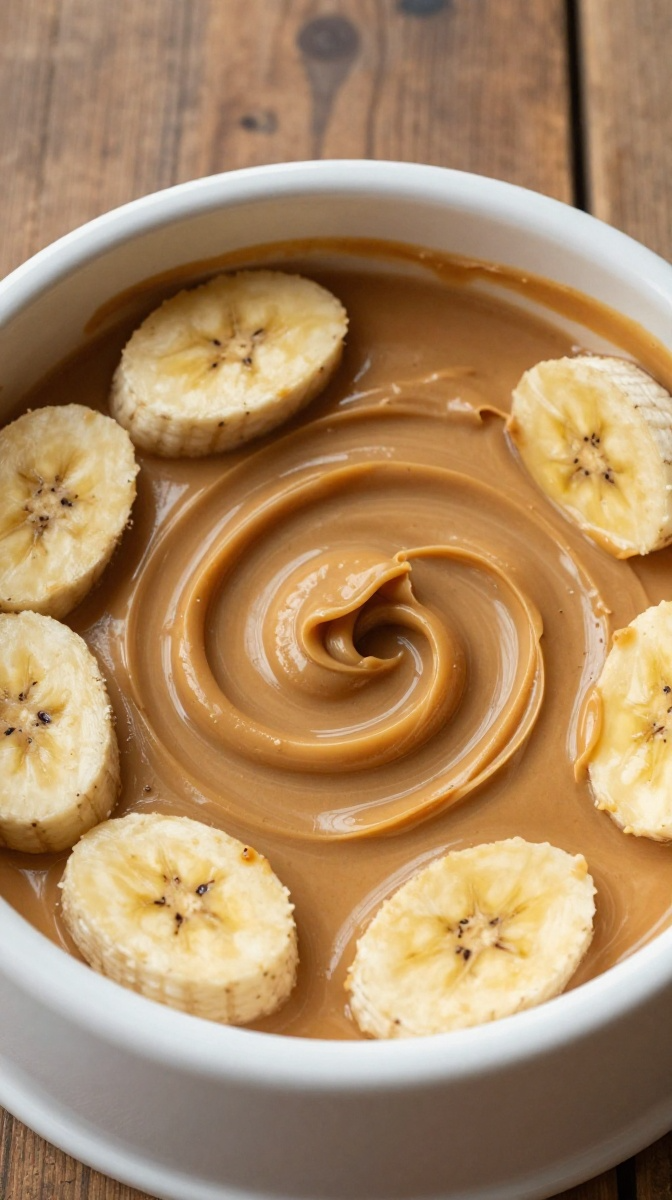
This recipe turns your slow feeder bowl into a giant lick mat. The thick peanut butter and banana mixture sticks to every ridge and crevice, forcing your dog to use their tongue to get every last bit. It’s messy, it’s fun, and it’s incredibly satisfying for your pup!
Ingredients
- 1/2 cup natural peanut butter (xylitol-free!)
- 1 ripe banana
- 1/4 cup plain Greek yogurt
- 1/2 cup your dog’s regular kibble
Step-by-Step Instructions
- Mash the banana thoroughly in a small bowl until smooth.
- Mix the peanut butter and yogurt into the mashed banana until well combined.
- Spread the mixture evenly into your slow feeder bowl, making sure to fill all the ridges.
- Press the kibble into the mixture, scattering it throughout.
- Refrigerate for 15-20 minutes to set slightly.
- Serve to your dog and watch them go absolutely crazy trying to get every bit out!
Why You’ll Love It
This recipe is like a treasure hunt for your dog’s taste buds. The thick mixture takes ages to lick out, providing tons of mental stimulation. The hidden kibble pieces add an extra challenge—your dog has to work to find and extract each piece.
Milo goes absolutely bonkers for this. I’ve never seen him so focused on anything—not even squirrels! He’ll spend 20-30 minutes working through every last smear of peanut butter. And when he’s done? He’s completely content and relaxed.
Quick warning: This can get messy! I recommend serving it on a washable mat or outside. The peanut butter gets everywhere!
6. Fish and Sweet Potato Mash
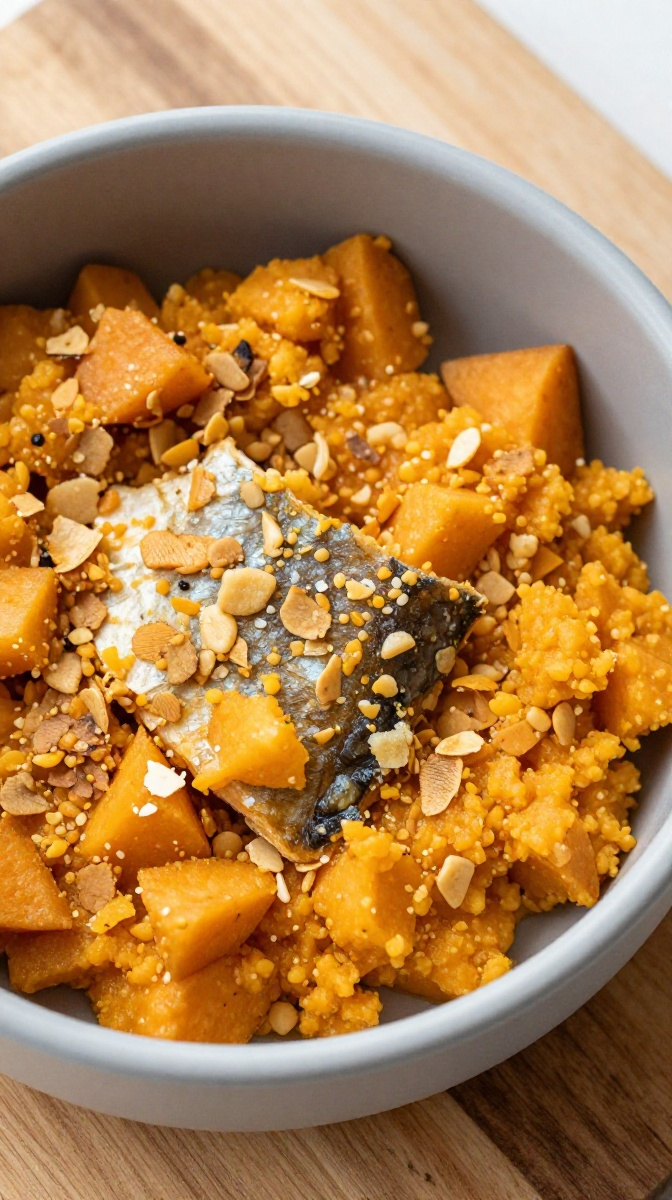
This recipe is a nutritional powerhouse that smells so good your dog will be drooling before you even finish making it. The fish provides omega-3 fatty acids for healthy skin and coat, and the sweet potato adds fiber and complex carbohydrates.
Ingredients
- 1/2 cup cooked sweet potato (mashed)
- 1/4 cup cooked fish (salmon, sardines, or tuna—packed in water)
- 1/4 cup your dog’s regular kibble
- 1/4 cup water or low-sodium fish broth
Step-by-Step Instructions
- Mash the cooked sweet potato until completely smooth.
- Flake the fish into small pieces (remove any bones!).
- Mix the sweet potato and fish together with the water or broth.
- Spoon half the mixture into your slow feeder bowl.
- Add a layer of kibble on top.
- Spoon the remaining mixture over the kibble.
- Serve immediately or refrigerate for 10 minutes to set.
Why You’ll Love It
This recipe is incredibly healthy and satisfying. The omega-3 fatty acids from the fish support brain health, reduce inflammation, and keep your dog’s coat shiny. The sweet potato provides slow-release energy that keeps them full and satisfied.
I made this for Milo after noticing his coat was looking a little dull. Within a few weeks of adding this to his regular rotation, his coat was gleaming. And he absolutely LOVES the fishy smell!
Pro tip: If your dog isn’t a fish fan, swap for canned sardines in water. The smell is stronger, but the health benefits are even better!
The Ultimate Guide to Slow Feeder Success
You’ve got the recipes, but here’s the secret sauce—my best tips and tricks for making these dog slow feeder recipes work perfectly every single time.
Choose the Right Slow Feeder Bowl
Not all slow feeder bowls are created equal! Look for bowls with varying ridges, depths, and maze patterns. The more complex, the more challenging for your dog. I recommend a bowl with different height levels—they’re the most effective.
Start Simple, Then Increase Challenge
If your dog is new to slow feeders, start with a simple recipe like the Kibble Layer Cake. Once they master it, move to something more challenging like the Frozen Yogurt Kibble Maze. You want them to stay engaged, not frustrated!
Freeze for Extra Challenge
Freezing your slow feeder recipes adds a whole new level of challenge. The frozen mixture takes way longer for your dog to work through, which means more mental stimulation and more peace and quiet for you.
Clean Up Is Essential
Slow feeder bowls can get pretty gross after a few uses. I clean mine with hot, soapy water and a bottle brush after each use. Sometimes I run them through the dishwasher on the top rack. Keep those bowls clean!
Storage Solutions
Most slow feeder recipes will keep in the fridge for up to three days. I like to make a big batch and keep it in an airtight container for quick meals. Just spoon the filling in and you’re good to go!
The Right Consistency
Your mixture needs to be thick enough to stay in the slow feeder bowl but not so thick that your dog can’t work through it. Add water or broth a little at a time until you get the perfect consistency.
Portion Control
Slow feeder recipes should replace your dog’s regular meal—not add to it! Adjust the portions accordingly to avoid overfeeding. I measure Milo’s kibble and then add the wet ingredients to reach his normal serving size.
Ingredient Safety Checklist
Always check that every ingredient is dog-safe. No xylitol, no grapes or raisins, no onion, no garlic, no artificial sweeteners. When in doubt, leave it out!
Make It a Routine
I’ve found that slow feeder meals on Sundays have become our little tradition. Milo knows exactly what’s happening when he sees me pull out the ingredients. He sits patiently (okay, he’s not that patient—he jumps around like a maniac) and then gets to enjoy the finished meal. It’s become one of our favorite bonding activities.
Try Different Textures
Mix wet and dry ingredients for the most engaging experience. Some kibble mixed into the yogurt mixture? Game changer. A few freeze-dried liver treats pressed into the top? Milo’s personal favorite!
Use Leftovers
Don’t throw away those leftover veggies or bits of meat! Many dog-safe human foods make fantastic slow feeder recipes. Just make sure they’re plain and free of harmful seasonings.
Watch for Frustration
If your dog seems frustrated or gives up, the recipe might be too challenging. Dial it back a bit. The goal is engagement, not frustration!
Related Articles:
- Toppl Dog Recipes: Stuffing Ideas for Fun & Games
- Dog Bone Filler Recipes for Extending Treats
- Dog-Friendly Fruit Recipes for a Sweet Snack
Conclusion: Slow Down, Eat Up, and Enjoy the Peace!
So there we have it—six incredible dog slow feeder recipes that’ll transform mealtime from a race to a relaxing experience!
We’ve got the Kibble Layer Cake for classic puzzle feeding. The Frozen Yogurt Kibble Maze for refreshing summer meals. The Pumpkin and Oatmeal Comfort Bowl for cozy digestion support. The Chicken and Vegetable Stir-In for protein-packed satisfaction. The Peanut Butter and Banana Smear for lick-mat style fun. And the Fish and Sweet Potato Mash for omega-3-powered nutrition.
Every single recipe uses whole, natural ingredients. Every single recipe takes under five minutes to prepare. And every single recipe will turn your dog’s mealtime into a calm, enjoyable experience instead of a frantic race to the bottom of the bowl.
Here’s the thing—using slow feeder recipes isn’t just about slowing down your dog’s eating. It’s about improving their digestion, preventing dangerous bloating, providing mental stimulation, and creating a more peaceful mealtime environment for everyone. Plus, you get the satisfaction of knowing exactly what your dog is eating.
Milo and I have been doing this for over three years now, and it never gets old. He still goes crazy for every new recipe I try. He still does his happy dance when he sees me pulling out the slow feeder bowl. And honestly? I still get a little thrill watching him calmly work through his meal, actually chewing each bite instead of inhaling it.
One last reminder: I’m not a vet, just a dog mom who loves experimenting in the kitchen. Always check with your veterinarian before introducing new foods to your dog’s diet, especially if they have health conditions or dietary restrictions.
Now go make some magic happen! Your dog is waiting, and I promise their peaceful mealtime is going to make your whole day better.
Happy slow feeding, digestion-improving, and tail-wagging, everyone! 🐾
This article contains affiliate links that support my dog’s treat addiction. All opinions, recipes, and hilarious mishaps are entirely my own. Milo personally taste-tested every single recipe (it’s a tough job, but someone’s got to do it!).