Store-bought dog jerky often costs a small fortune and still disappears in under a minute. Homemade dog jerky recipes let you control the ingredients, skip the weird preservatives, and end up with chewy strips that actually last. Whether you own a dehydrator or just a regular oven, you can turn simple cuts of meat into long-lasting treats your dog will take seriously.
I started making these after my terrier mix, Rocket, treated every bag of commercial jerky like an appetizer. One afternoon of slicing chicken and running the dehydrator later, he was occupied for a solid twenty minutes. These homemade dog jerky recipes for dehydrator or oven use lean meats, minimal fuss, and a low, slow dry. The result? Tough, flavorful chews that survive even the most dedicated jaws.
No fancy marinades. No salt bombs. Just clean protein that keeps dogs busy and happy. Who doesn’t want treats that buy real quiet time?
1. Classic Chicken Breast Jerky
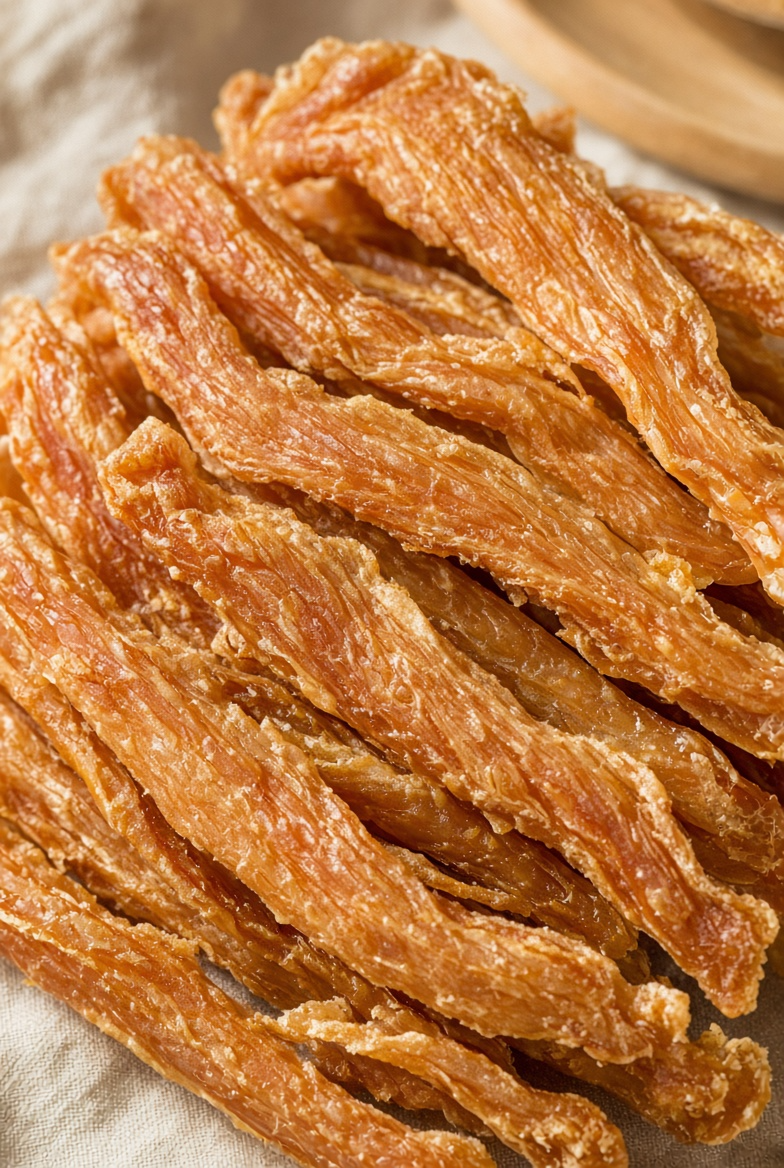
This is the gateway recipe. Simple, reliable, and the one most dogs lose their minds over. Thin strips of chicken dry into chewy, high-value jerky that lasts for weeks.
Ingredients
- 2 large boneless, skinless chicken breasts
- Optional: a light sprinkle of dried parsley
Step-by-Step Instructions
- Trim any remaining fat or connective tissue from the chicken.
- Slice the breasts into thin, even strips about ¼-inch thick. Consistent thickness helps everything dry at the same speed.
- Arrange the strips in a single layer on dehydrator trays or on a wire rack set over a baking sheet.
- Dehydrate at 160°F for 4–6 hours, or bake in the oven at the lowest setting (usually 170°F) with the door cracked open. Flip the strips halfway through.
- Check for doneness: the jerky should feel dry and leathery but still bend without snapping cleanly.
- Cool completely, then store in an airtight container.
Why You’ll Love It
These strips keep their chew for a long time and make excellent training rewards when broken into smaller pieces. I once tried slicing them thicker and the centers stayed too soft—lesson learned. Thin and even wins every time. Rocket treats these like currency.
2. Simple Turkey Jerky
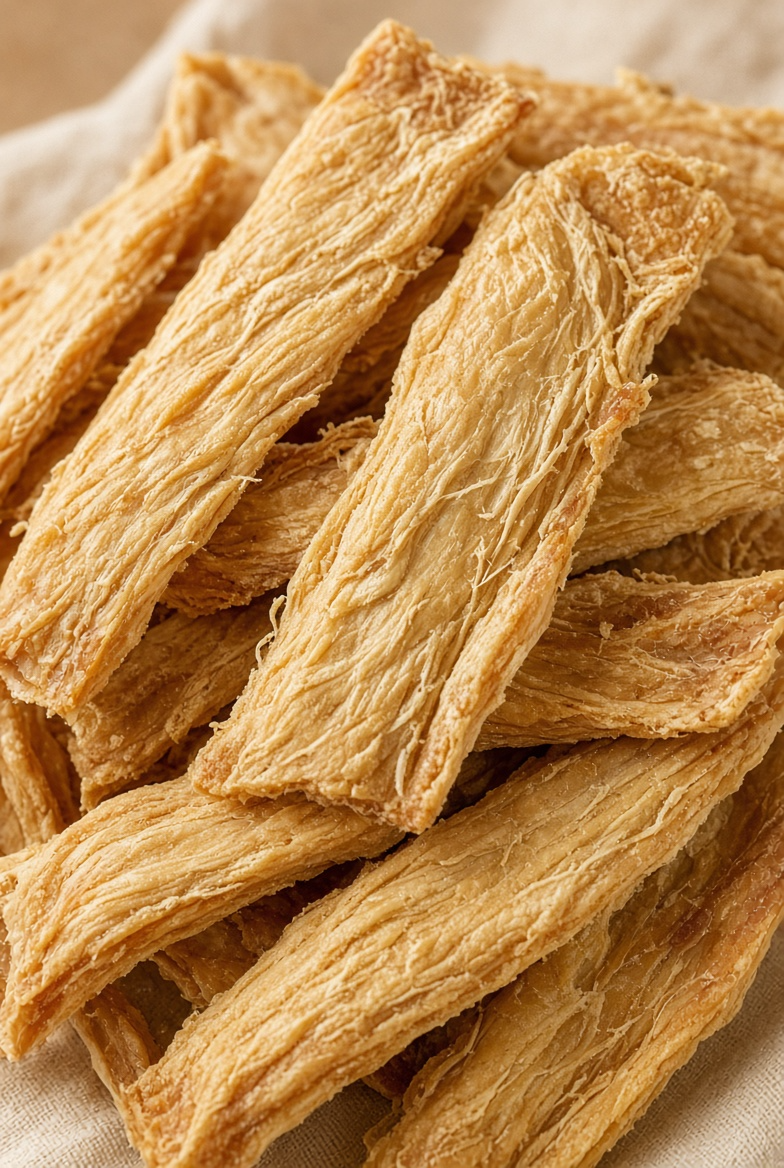
Turkey gives a slightly milder flavor than chicken while still delivering serious chew power. It’s lean, easy to work with, and dries beautifully.
Ingredients
- 1 to 1½ pounds boneless, skinless turkey breast
- Optional: a tiny pinch of dried oregano (skip if your dog is sensitive)
Step-by-Step Instructions
- Pat the turkey dry and remove any visible fat.
- Slice into thin strips roughly ¼-inch thick.
- Lay the strips in a single layer on dehydrator trays or wire racks.
- Dehydrate at 160°F for 5–7 hours, or use the lowest oven temperature with the door slightly open. Flip once halfway.
- Test a piece: it should feel dry throughout and slightly flexible.
- Cool fully before storing in an airtight jar.
Why You’ll Love It
Turkey jerky holds up well and gives dogs a different flavor profile without any extra work. Some people add more herbs, but I keep it minimal—dogs care more about the meat than the seasoning. These last longer in the jar than I expected and travel well for hikes.
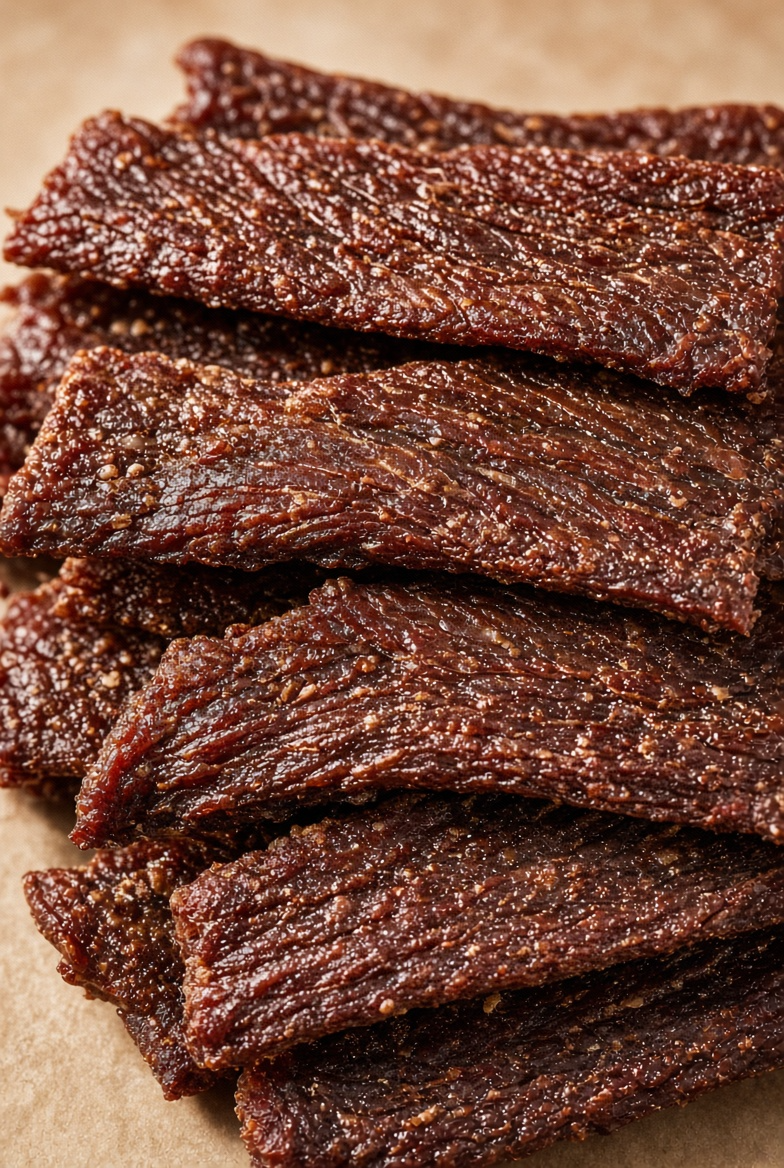
3. Lean Beef Jerky
Beef brings a richer, deeper flavor that many dogs find irresistible. Stick to the leanest cuts so the finished jerky stays shelf-stable and doesn’t turn greasy.
Ingredients
- 1 to 1½ pounds lean beef (top round, eye of round, or similar)
- Optional: a light dusting of turmeric for color
Step-by-Step Instructions
- Place the beef in the freezer for 30–45 minutes so it firms up and slices more cleanly.
- Cut against the grain into thin strips about ¼-inch thick.
- Arrange in a single layer on trays or racks.
- Dehydrate at 160°F for 6–8 hours, or bake low and slow in the oven. Flip halfway.
- The jerky is ready when it feels dry, leathery, and no longer soft in the center.
- Cool completely and store in an airtight container.
Why You’ll Love It
Beef jerky gives a more intense chew experience and keeps serious chewers occupied longer. I once used a fattier cut and the finished strips felt greasy—never again. Lean is the only way to go here. Rocket will sit politely for a full minute if he knows beef jerky is coming.
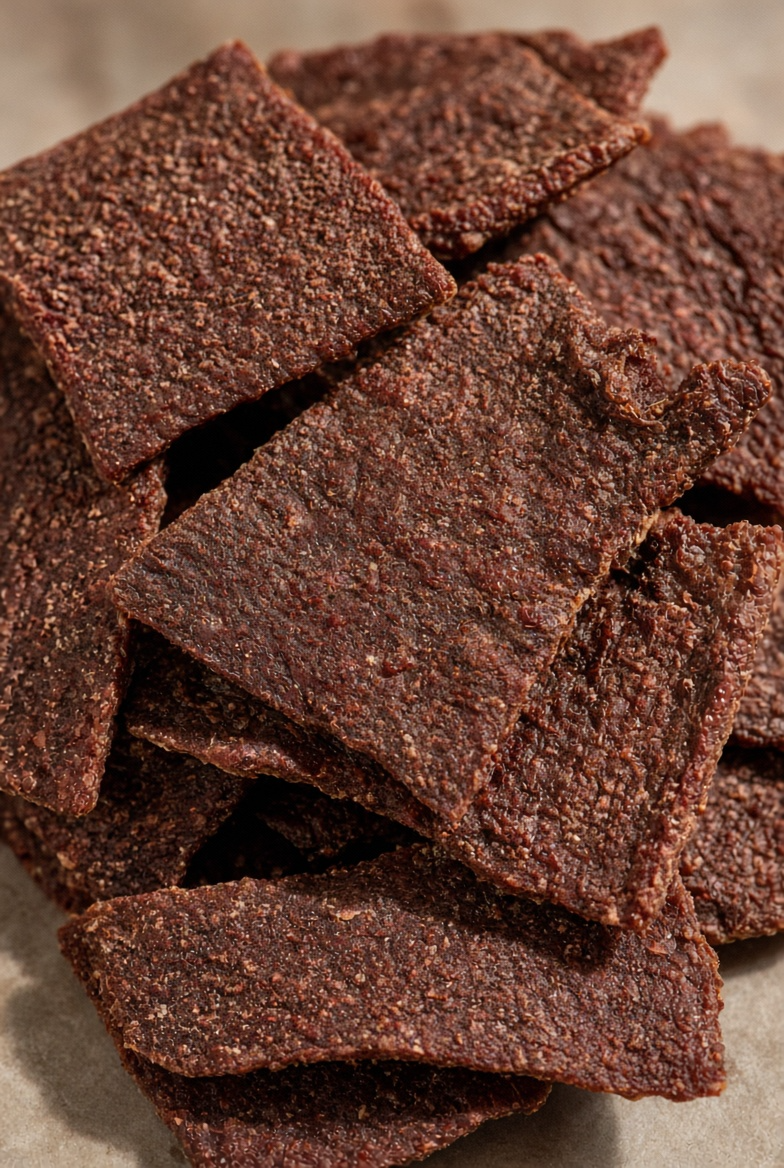
4. Beef Liver Jerky
Liver is nutrient-dense and incredibly high-value. A little goes a long way, and the drying process concentrates the flavor even more.
Ingredients
- 1 pound fresh beef liver
- Optional: a light sprinkle of dried parsley
Step-by-Step Instructions
- Pat the liver dry with paper towels—it can be slippery.
- Slice into thin strips roughly ¼-inch thick.
- Place the strips in a single layer on dehydrator trays or wire racks.
- Dehydrate at 160°F for 5–7 hours, flipping once. The pieces should feel completely dry and slightly brittle on the edges but still chewy.
- Cool fully.
- Store in an airtight container in a cool, dry spot.
Why You’ll Love It
These are the ultimate high-value treat. I break them into tiny pieces for training because the flavor is so strong. FYI, the smell while drying is strong—open a window. Once finished, the jerky smells mild and meaty. Rocket will do almost any trick for a scrap of this.
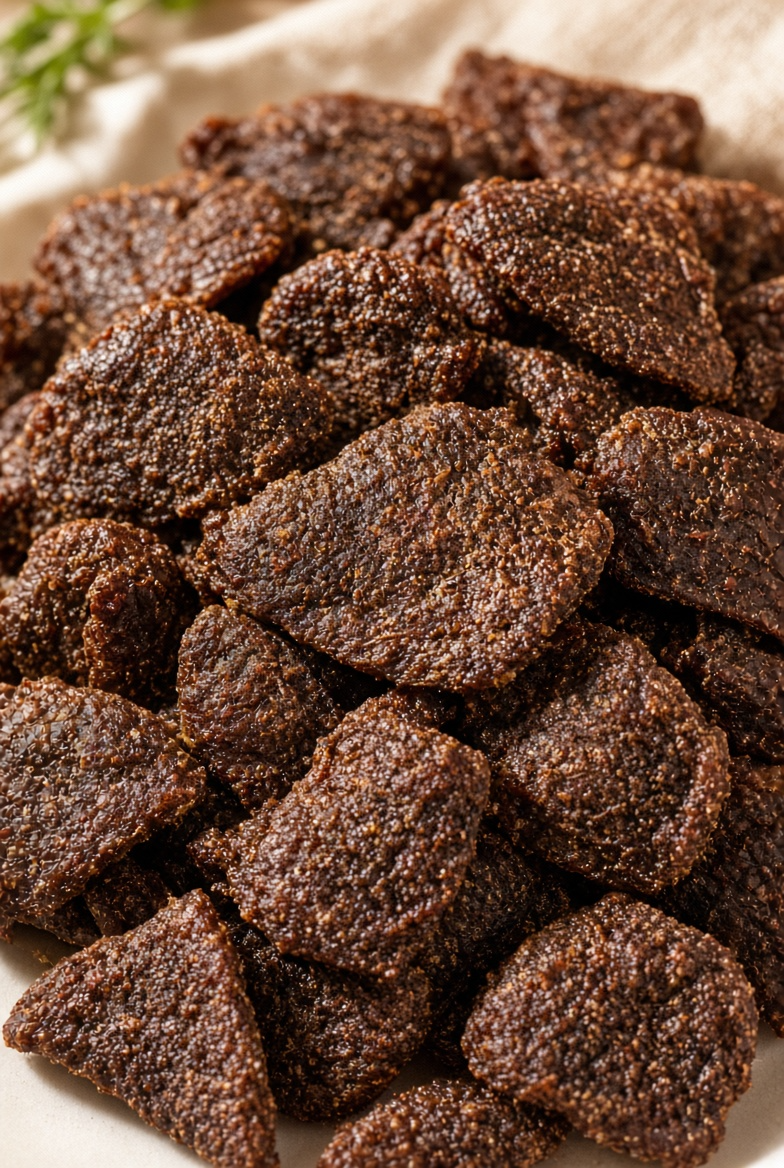
5. Chicken Liver Jerky
Chicken liver offers the same nutrient punch as beef liver but with a milder taste that some dogs prefer. It also dries a bit faster.
Ingredients
- 1 pound fresh chicken livers
- Optional: a light dusting of dried parsley
Step-by-Step Instructions
- Rinse the livers and pat them very dry.
- Slice larger pieces into thinner strips or leave smaller ones whole if they are already bite-sized.
- Arrange in a single layer on trays or racks.
- Dehydrate at 160°F for 4–6 hours, or use the lowest oven setting. Flip once halfway.
- The jerky is done when it feels dry and leathery with no soft spots.
- Cool completely before storing.
Why You’ll Love It
Chicken liver jerky is excellent for dogs who find beef liver too strong. It still packs serious flavor and keeps well. I alternate between beef and chicken liver so Rocket doesn’t get bored. These also crumble easily for sprinkling over regular food when you want an extra boost.
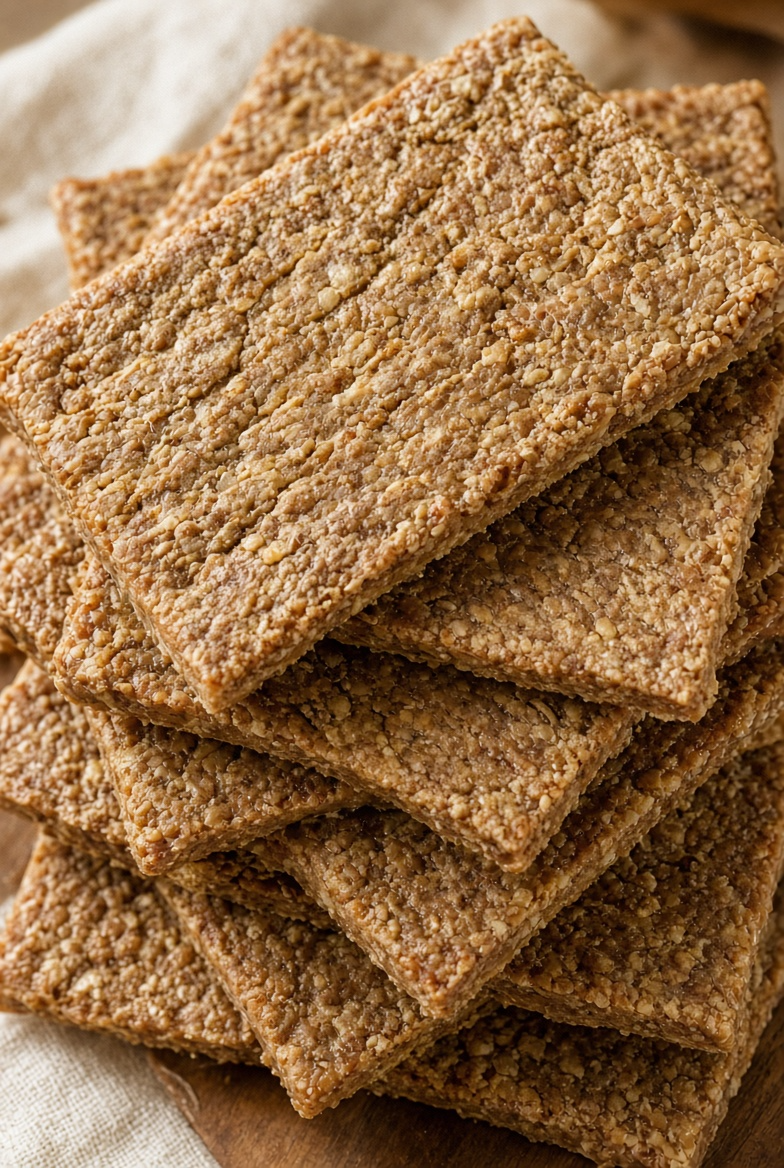
6. Ground Turkey or Chicken Jerky
Not every cut needs to be whole muscle. Ground meat lets you form uniform strips or shapes and still ends up with long-lasting jerky.
Ingredients
- 1 pound lean ground turkey or chicken
- 1 egg (helps bind)
- Optional: 1 tablespoon finely grated carrot for moisture control
Step-by-Step Instructions
- Mix the ground meat with the egg and optional carrot until evenly combined.
- Press the mixture into a thin layer (about ¼-inch) on a sheet of parchment or directly onto dehydrator trays lined with parchment.
- Score the sheet into strips with a knife so they break apart easily after drying.
- Dehydrate at 160°F for 5–7 hours, or bake low and slow. Flip the sheet carefully halfway if possible.
- The jerky is ready when it feels dry and firm throughout.
- Break along the scored lines, cool completely, and store in an airtight container.
Related Articles:
- Dehydrated Dog Treat Recipes for Long-Lasting Chews
- Dog Ice Cream Recipes: Homemade Frosty Paws
- Frozen Dog Treat Recipes for Summer Pupsicles
Why You’ll Love It
This method gives you consistent shapes and is perfect if you prefer not to slice whole cuts. IMO, adding a little grated carrot helps the texture without changing the flavor much. These break into training-sized pieces easily and still last a long time in the jar.
Homemade dog jerky recipes for dehydrator or oven give you clean, long-lasting chews without the price tag or mystery ingredients of store versions. These six options cover the classics—chicken, turkey, beef, two kinds of liver, and a ground version—so you can rotate and keep your dog interested.
The best part is watching a serious chewer settle in and actually work on something for more than thirty seconds. That focused quiet is better than any packaging claim. Make a big batch, store it properly, and you’ll always have high-value rewards ready.
Your dog gets durable, flavorful jerky that lasts. You get longer stretches of peace and full control over every ingredient. Not a bad deal for a little slicing and drying time. Grab some lean meat and get started—your pup is already practicing the expectant stare.